How Many Calories Are in Hot and Sour Soup? A Detailed Nutritional Guide
Hot and sour soup typically contains between 80 and 180 calories per serving, depending on ingredients and portion size. Its calorie count varies mainly due to components like meat, tofu, mushrooms, and the amount of oil used during preparation. A standard one-cup serving averages about 100-120 calories.
Understanding the calorie content in hot and sour soup matters if you track daily caloric intake or aim for balanced nutrition. Recognizing factors like added sugars, sodium, or fatty meats can help you make healthier choices without sacrificing flavor.
This article outlines the calorie ranges for common hot and sour soup recipes, explores how different ingredients impact calorie levels, compares store-bought versus homemade versions, and offers tips for enjoying this flavorful dish while managing calorie intake.
Ingredients Influencing Calories in Hot and Sour Soup

Protein Choices and Their Caloric Impact
Hot and sour soup often includes proteins such as pork, chicken, or tofu. Pork tends to raise the calorie content due to its fat content, with a typical serving contributing around 70-100 calories from meat alone. Tofu is a lower-calorie alternative providing approximately 40-60 calories for similar portions, making it a leaner protein choice.
Chicken breast is a moderate-calorie protein adding roughly 50-80 calories per serving. The protein choice directly affects the total calorie count, so selecting leaner proteins helps limit calories without losing the soup’s hearty texture.
Vegetables and Other Ingredients
Vegetables like mushrooms, bamboo shoots, and wood ear fungus contribute minimal calories, often less than 20 calories per cup. Their inclusion increases volume and nutrient density without adding much to the calorie total.
Additional ingredients like egg ribbons and vinegar add negligible calories but enhance texture and flavor. The amount of oil or cornstarch thickener used, however, can increase calories significantly, especially in restaurant versions where oil usage might be generous.
- Mushrooms: ~15 calories per cup
- Bamboo shoots: ~10 calories per cup
- Egg ribbons: ~35 calories per egg used
- Cornstarch thickener: ~30 calories per tablespoon
Calorie Variations Between Homemade and Store-Bought Hot and Sour Soup

Homemade Hot and Sour Soup Calorie Control
Preparing hot and sour soup at home allows better control over ingredients and portion sizes, which can help minimize calories. Using lean proteins, limiting oil, and moderating sodium can yield a soup with approximately 90-120 calories per serving.
Homemade versions also let you adjust thickening agents carefully and add more vegetables, making the dish more filling without extra calories.
For more on this, see our related guide: How Many Calories Are in Wonton Soup? A Detailed Nutritional Guide.
Store-Bought and Restaurant Versions
Store-bought and restaurant hot and sour soups often have higher calorie counts due to oils, sugars, and sometimes MSG or flavor enhancers. A typical restaurant serving may contain 150-180 calories, primarily from added fats and thicker soups.
Pre-packaged soups with preservatives or added sodium may also include hidden calories, so checking nutrition labels is advisable if calorie counting is a priority.
- Added cooking oils can add 40-80 calories per tablespoon
- Sugar or sweeteners increase calories by 15-30 per serving
Nutritional Benefits Beyond Calories in Hot and Sour Soup
Vitamins and Minerals from Key Ingredients
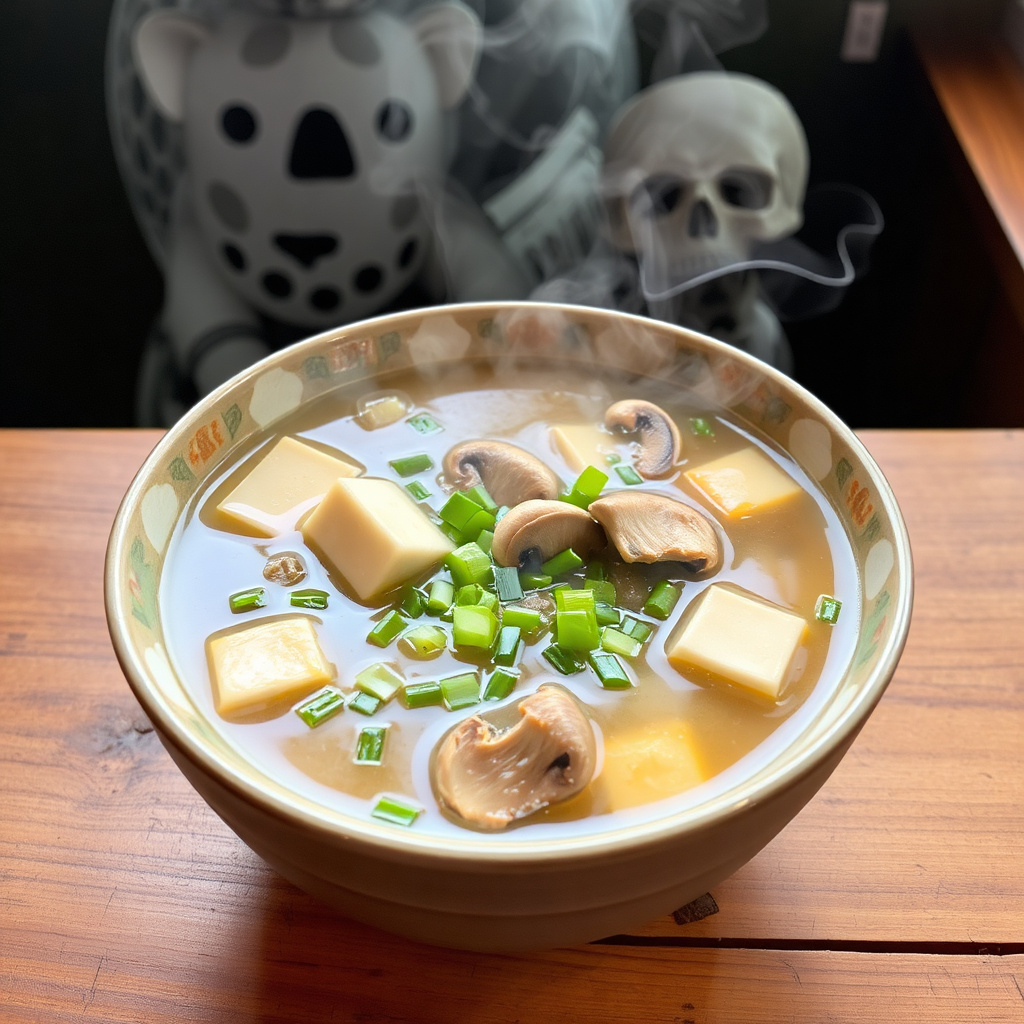
Hot and sour soup is rich in vitamins and minerals due to its vegetable content. Mushrooms provide selenium and B vitamins, while bamboo shoots offer dietary fiber and potassium. Tofu adds calcium and iron, contributing to a nutrient-dense dish beyond just calories.
The soup’s vinegar component also aids digestion and may have mild antioxidant effects, making it a flavorful and health-supporting meal choice.
Balancing Sodium Content
One downside to many hot and sour soup recipes is high sodium content, mainly from soy sauce and broth. High sodium intake can affect blood pressure, so moderating these ingredients or using low-sodium alternatives is recommended for those watching salt levels.
Flavor can still be maintained with fresh herbs and spices, striking a balance between taste and healthier sodium limits.
- Use low-sodium soy sauce
- Add fresh ginger and chili for flavor without salt
Serving Sizes and Their Effect on Calorie Intake

Standard Serving Sizes
Typical servings of hot and sour soup range from 1 cup (about 240 ml) to 1.5 cups. Each standard cup usually contains 100-120 calories in a balanced recipe. Larger portion sizes naturally increase calorie intake proportionally.
Paying attention to serving sizes when eating out or using pre-packaged soups helps manage calorie consumption and maintain balanced nutrition.
- 1 cup serving: ~100-120 calories
- 1.5 cup serving: ~150-180 calories
For more on this, see our related guide: Is Wonton Soup Healthy? A Nutritional Breakdown and Buying Guide.
How to Measure Soup Calories Accurately
Measuring calories precisely requires accounting for all ingredients, especially oils and thickeners, which can go unnoticed. Using kitchen scales or measuring cups for portion sizes and tracking ingredient amounts helps control overall calorie intake.
Apps and nutrition databases can assist by providing detailed calorie breakdowns based on the exact recipe used.
Modifying Hot and Sour Soup for Lower Calories

Ingredient Substitutions to Reduce Calories
Replacing pork with tofu or mushrooms lowers fat and calorie content. Using vegetable broth instead of meat-based broth also reduces calories. Limiting oil to a teaspoon or less and thickening with arrowroot instead of cornstarch can make the soup lighter.
Adding more high-fiber vegetables increases volume and satiety without many calories, helping diners feel full while controlling intake.
- Tofu instead of pork
- Vegetable broth instead of meat broth
- Arrowroot powder instead of cornstarch
For further scientific and historical details, you can explore this hot and sour soup nutrition information page. Hot and sour soup nutrition information.
Cooking Techniques for Calorie Control
Skimming excess fat from broth, simmering rather than frying ingredients, and avoiding pre-fried condiments reduce unnecessary calories. Serving smaller portions with a side of steamed vegetables can satisfy hunger without needing a heavy soup serving.
Mindful cooking and thoughtful ingredient choices enable healthy, delicious hot and sour soup preparation.
Hot and Sour Soup Calorie Comparison by Category
Here's a comparison of typical hot and sour soup calorie content across different categories and preparation styles.
| Category | Calories per Serving | Protein Source | Common Ingredients |
|---|---|---|---|
| Traditional restaurant | 150-180 | Pork/Chicken | Meat broth, oil, cornstarch |
| Homemade lean | 90-120 | Tofu/Chicken | Vegetable broth, limited oil |
| Store-bought canned | 130-160 | Mixed meats | Preservatives, sodium, sugars |
| Vegetarian version | 80-110 | Tofu/Mushrooms | Vegetable broth, vinegar |
| Low-fat adaptation | 70-100 | Tofu | Vegetable broth, arrowroot, minimal oil |
Frequently Asked Questions
Does hot and sour soup have a high calorie count?
Generally, hot and sour soup ranges from 80 to 180 calories per serving, making it a moderate-calorie dish depending on recipe and ingredients.
Can I reduce calories in hot and sour soup easily?
Yes, substituting lean proteins, using less oil, and increasing vegetable content can effectively lower the calorie content of hot and sour soup.
Is hot and sour soup healthy despite its calories?
Hot and sour soup provides vitamins, minerals, and protein with relatively moderate calories, but be mindful of sodium and fat levels in some recipes.
Why do restaurant versions of the soup have more calories?
Restaurants often use more oil, meats with higher fat content, and thicker soups, increasing calories compared to homemade versions.
What serving size should I consider for calorie counting?
Typically, a 1-cup serving is standard and contains about 100-120 calories, so measuring portion sizes is important for accurate calorie tracking.
Key Takeaways
- Hot and sour soup calories typically range between 80 to 180 per serving.
- Protein choice, like tofu versus pork, significantly affects calorie content.
- Homemade versions usually have fewer calories than restaurant or store-bought options.
- Mindful ingredient swaps can reduce calories while preserving flavor.
Conclusion
When considering how many calories are in hot and sour soup, it’s essential to evaluate both the ingredients and preparation methods. The calorie content can vary widely from about 80 to 180 calories per serving, influenced by proteins, oils, thickening agents, and portion size. Monitoring these factors produces a more accurate picture of the soup’s impact on your daily calorie intake. This approach helps balance enjoying flavorful meals while maintaining dietary goals.
For those wanting specific recommendations, homemade lean hot and sour soup made with tofu or chicken and vegetable broth presents a moderate calorie choice around 90-120 calories per serving. Traditional restaurant soups may provide richer flavors but tend to pack closer to 150-180 calories due to added oils and thicker consistency. Vegetarians will find versions focusing on mushrooms and tofu with lighter broths as flavorful, low-calorie options. Store-bought canned soups vary but frequently average 130-160 calories per serving with added preservatives and sodium.
To manage your calorie intake practically, start measuring portions carefully and experiment with ingredient substitutions. Reducing oil, using lean proteins, and opting for vegetable broth can keep the soup satisfying without excessive calories. Trying homemade recipes allows taste customization matched with nutritional control. With these strategies, hot and sour soup can be a nourishing, delicious part of any meal plan.