Is Wonton Soup Healthy? A Nutritional Breakdown and Buying Guide
Wonton soup can be a healthy meal option depending on its ingredients and preparation. Typically, it contains broth, wonton dumplings filled with meat or vegetables, and sometimes added greens, offering a low-calorie, protein-rich dish. However, sodium levels and fat content vary widely depending on restaurant recipes or homemade versions.
This matters because many people consider wonton soup a light and nutritious choice, but high sodium broths or fried wontons can detract from its health benefits. Evaluating the nutritional content helps in balancing taste with dietary goals, especially for those monitoring their salt intake or calorie consumption.
This article explores what makes wonton soup healthy or less healthy by examining its core ingredients, nutritional facts, variations, and practical tips to optimize its health value. We'll also compare popular types of wonton soup and answer common questions.
Understanding Wonton Soup Ingredients

Key Components of Wonton Soup
Wonton soup fundamentally consists of three parts: the wontons, broth, and accompanying vegetables or garnishes. Wontons are dumplings, usually filled with minced pork, shrimp, or a mixture of both. The broth is typically a clear chicken or pork stock, sometimes enhanced with soy sauce, ginger, or garlic. Vegetables like bok choy, scallions, or mushrooms often complement the dish.
Each component influences the soup’s overall nutrition. The protein in the wontons provides satiety and muscle support, while the broth can hydrate and deliver nutrients. The vegetables contribute fiber and antioxidants. However, processing and cooking methods greatly affect the healthfulness, especially regarding sodium and fat.
Common Variations and Their Impact
Wonton soup recipes vary by region and personal preference. Some versions include fried wontons, which add extra fat and calories. Others use creamy or thickened stocks, increasing calorie density. Vegetarian versions replace meat with tofu or vegetables, altering protein and fat content.
These differences affect the health profile. For example, homemade clear broth with steamed wontons and fresh vegetables offers a lighter meal compared to deep-fried wontons in a soy-heavy broth. Understanding these distinctions helps in making better choices.
Nutritional Analysis of Wonton Soup

Calories and Macronutrients
A standard bowl of wonton soup typically ranges from 200 to 400 calories depending on portion size and ingredients. The protein content mainly comes from the meat or seafood in the wontons, generally around 10-20 grams per serving. Carbohydrates come from the wonton wrapper and any vegetables included.
Fat content varies with the type of meat used and cooking method; lean pork or shrimp provides moderate fats, whereas added oils or fried wontons increase fat significantly. The broth is usually very low in calories but can be high in sodium.
- Approximately 200-400 calories per serving
- 10-20g of protein
- Carbohydrates mainly from wonton wrappers
- Variable fat content based on meat and preparation
For more on this, see our related guide: How to Eat Healthy at a Chinese Restaurant Without Sacrificing Flavor.
Sodium and Micronutrients
Sodium levels in wonton soup can be high, especially with store-bought broth or restaurant versions using soy sauce. A bowl may contain 700 mg or more of sodium, which represents a significant portion of the daily recommended intake. Monitoring this is important for individuals with hypertension or heart concerns.
On the positive side, wonton soup provides some vitamins and minerals like vitamin A, iron, and potassium, mainly from vegetables and meat fillings. The broth also helps with hydration and electrolyte balance, though it depends on recipe specifics.
How to Make Wonton Soup Healthier
Choose Lean Fillings and Fresh Ingredients
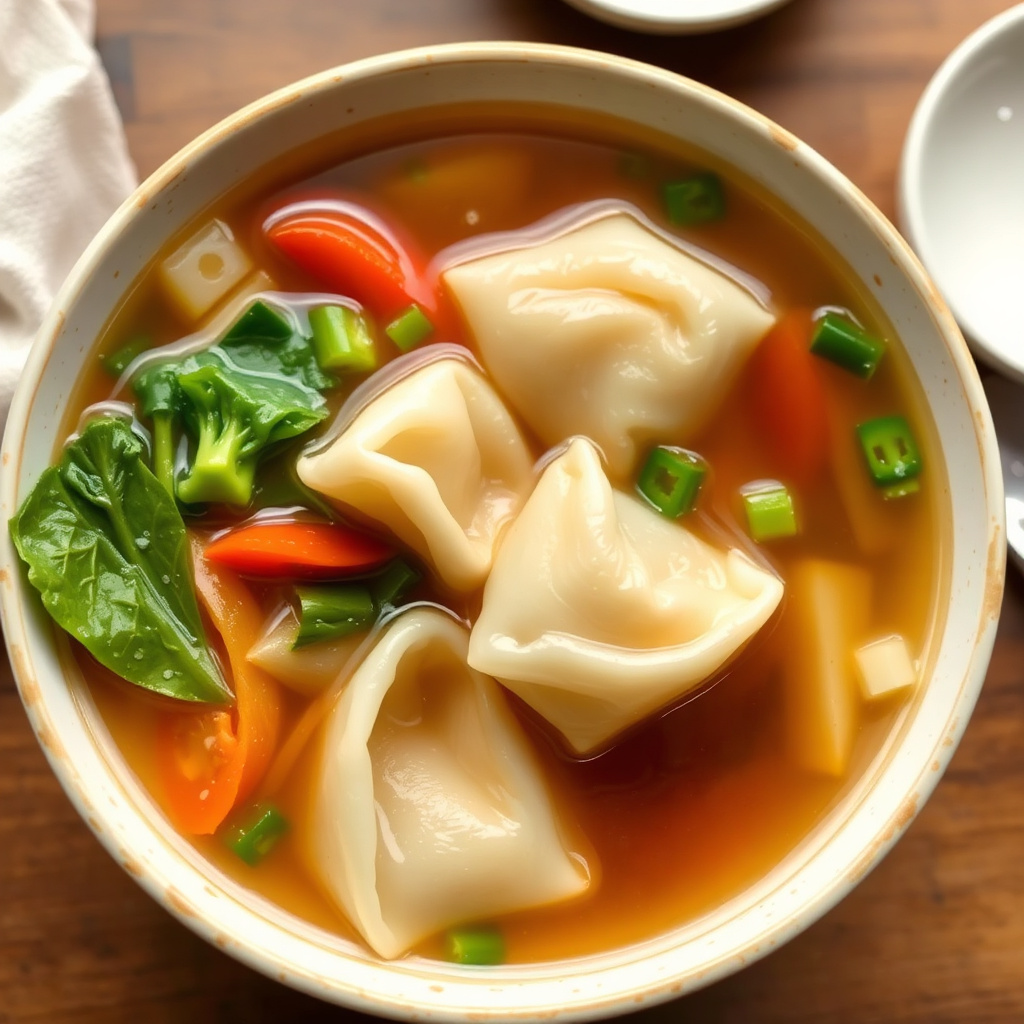
Selecting lean protein options such as ground chicken or shrimp reduces saturated fats in wontons. Incorporate plenty of fresh vegetables like spinach or bok choy to boost fiber and micronutrients. Making wontons at home allows control over salt and fat content.
Avoid using store-bought wrappers with preservatives when possible, or try whole wheat versions for added fiber. Preparing the broth from scratch with minimal seasoning helps lower sodium, enhancing the soup’s nutrient value.
- Use lean meats or seafood for filling
- Add fresh vegetables for nutrition
- Consider homemade or whole wheat wrappers
- Make broth from scratch with less salt
Limit Sodium and Avoid Fried Variations
One of the main health concerns in wonton soup is high sodium from soy sauce and ready-made broth. Use low-sodium soy sauce or dilute broth with water to reduce salt content. Keep portion sizes moderate to balance flavor and health.
Skip fried wontons which add unnecessary calories and unhealthy fats. Steaming or boiling methods retain more nutrients while keeping fat low. These changes improve the overall health profile of the soup without sacrificing taste.
- Use low-sodium or diluted broth
- Avoid fried wontons
- Moderate portion sizes to control intake
Wonton Soup in Different Diets
Suitability for Low-Calorie and Low-Sodium Diets
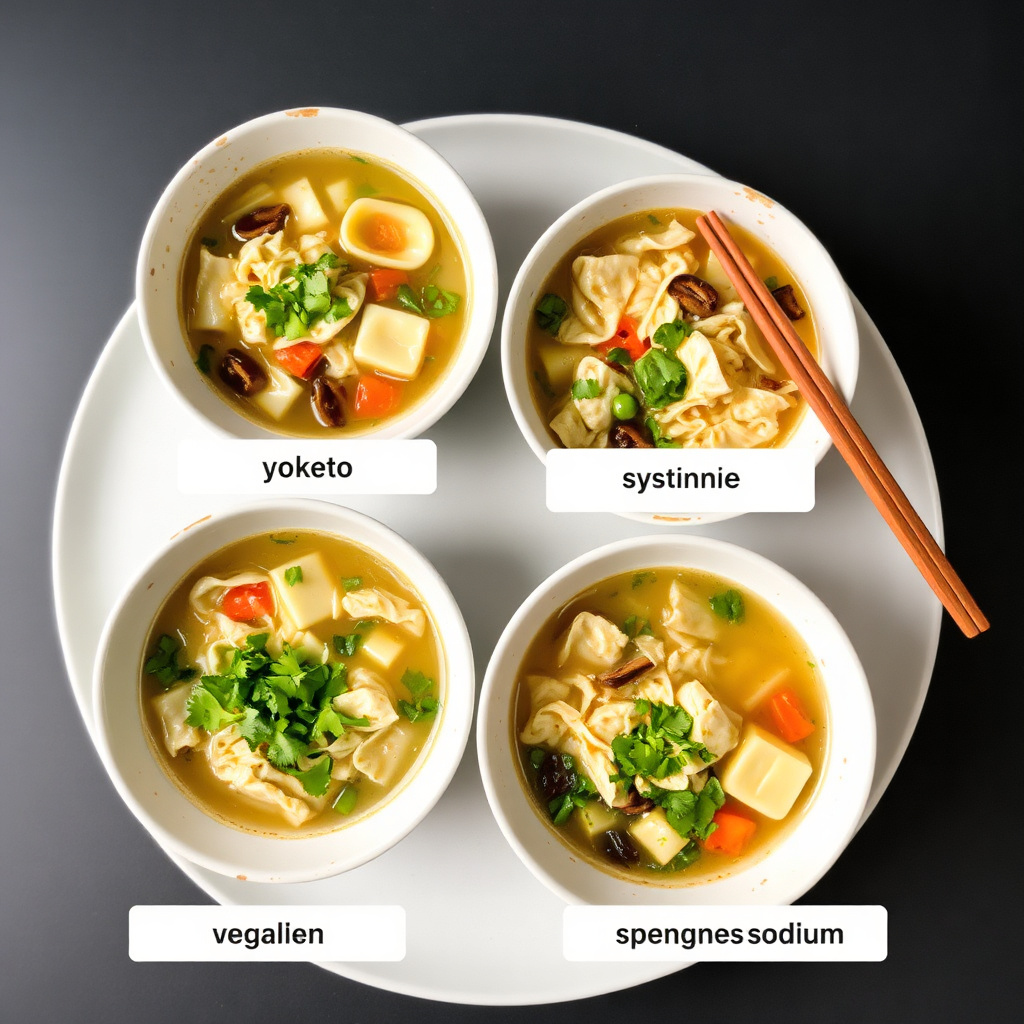
For those on calorie-restricted diets, traditional wonton soup can fit well when portions are controlled, and fillings are lean. Opting for vegetable-heavy varieties and broth without added salt maximizes benefits while keeping calories low.
Low-sodium dieters should be cautious about broth and soy sauce content. Homemade versions using herbs and spices instead of salt provide flavor without the health risks linked to excess sodium. Diluting broth also helps maintain the taste while reducing sodium.
For more on this, see our related guide: How to Make Egg Drop Soup: A Simple and Delicious Recipe.
Vegetarian and Gluten-Free Adaptations
Vegetarian wonton soup can be made using tofu or mushroom fillings and vegetable broth, maintaining a protein source with reduced fat. Gluten-free options use rice wrappers or homemade dough substitutes instead of traditional wheat-based wrappers.
These adaptations accommodate dietary restrictions while still preserving the essence of wonton soup. Such versions cater to broader nutritional needs and can be customized to individual tastes and health goals.
Comparing Wonton Soup with Other Asian Soups

Nutritional Differences with Miso and Hot and Sour Soups
Compared to miso soup, which is lower in calories and mostly broth-based with fermented soy, wonton soup offers more protein from the dumplings. Hot and sour soup typically contains more vegetables and spices, and sometimes uses thicker broth with higher sodium levels.
The choice between these soups depends on dietary needs—wonton soup provides moderate protein and calories while miso and hot and sour may be better for lighter eating or specific flavor preferences.
For more detailed information about wonton soup and its ingredients, refer to this comprehensive resource on wonton soup nutrition details. Wonton soup nutrition details.
When to Choose Wonton Soup Over Others
Wonton soup is preferable when you want a more filling meal with a balance of protein and carbs. Its warm, mild broth suits those looking for comfort food without excessive calories. However, if sodium intake is a concern, lighter options like miso soup might be better choices.
Selecting soup also depends on taste and ingredient availability. Wonton soup offers versatility, especially when prepared with healthy modifications, making it a strong candidate for regular meal rotation.
Wonton Soup Category Comparison
Here is a comparison of different types of wonton soup based on calorie content, sodium level, and preparation style.
| Category | Calories (per serving) | Sodium (mg) | Preparation Style |
|---|---|---|---|
| Classic Pork Wonton Soup | 300 | 900 | Boiled wontons in clear broth |
| Shrimp Wonton Soup | 280 | 850 | Steamed wontons in chicken broth |
| Vegetarian Wonton Soup | 220 | 600 | Tofu and vegetable-filled wontons in vegetable broth |
| Fried Wonton Soup | 450 | 1000 | Fried wontons in soy-based broth |
| Low-Sodium Homemade | 250 | 400 | Boiled lean meat wontons in low-sodium broth |
Frequently Asked Questions
Is wonton soup low in calories?
Most wonton soups range between 200 to 400 calories per serving, depending on ingredients and portion size, making it a generally low to moderate calorie option.
Can wonton soup fit into a low-sodium diet?
Wonton soup can be low in sodium if homemade with reduced salt and low-sodium broth; restaurant versions often contain high sodium levels.
Are fried wontons healthier than boiled ones?
Fried wontons contain significantly more calories and unhealthy fats compared to boiled or steamed ones and are less healthy overall.
Is wonton soup suitable for vegetarians?
Vegetarian versions of wonton soup use tofu or vegetable fillings and vegetable broth, making them suitable for vegetarians.
Does wonton soup provide enough protein?
Yes, the meat or seafood fillings in wontons provide a moderate protein amount, typically 10-20 grams per serving.
Key Takeaways
- Wonton soup can be a healthy, protein-rich meal with low calories when prepared properly.
- Sodium content varies widely and should be monitored, especially in restaurant soups.
- Choosing steamed or boiled wontons and fresh ingredients enhances nutrition.
- Vegetarian and low-sodium versions make wonton soup adaptable to various diets.
Conclusion
Determining if wonton soup is healthy hinges largely on ingredients and preparation methods. The main components—wontons, broth, and vegetables—offer moderate protein, hydration, and essential nutrients. The presence of high sodium or fried elements can shift its profile toward less healthful territory. Careful consideration of these factors allows individuals to enjoy wonton soup as a nourishing meal within a balanced diet. Knowledge about nutritional content and practical cooking choices empowers better eating decisions regarding this often underestimated dish.
For those seeking lower calorie and sodium intake, homemade wonton soup with lean proteins like shrimp or chicken and lots of fresh vegetables is an excellent choice. Vegetarian versions with tofu in a vegetable broth further suit plant-based diets. Avoid fried wontons to reduce unhealthy fats. Restaurant selections might require asking about broth preparation or modifying orders to reduce high-sodium ingredients. This practical approach provides flexibility based on dietary requirements and flavor preferences.
Ultimately, if you enjoy wonton soup but want to make healthier choices, starting with a simple scratch-made broth and careful filling selection is effective. Consider substituting conventional wonton wrappers for whole-grain or gluten-free options if needed. Adjust salt levels incrementally and incorporate abundant greens to increase fiber. These steps allow wonton soup to remain a comforting, tasty dish while supporting sound nutrition goals. Trying these modifications will help you embrace wonton soup as a regular, healthful menu item.




2 Comments