What Is Imitation Crab Made Of? Ingredients and Production Explained
Imitation crab is primarily made from surimi, a processed fish paste, typically derived from white-fleshed fish like Alaska pollock. This paste is mixed with other ingredients such as starch, sugar, egg whites, and flavor enhancers to replicate the texture and taste of real crab meat. Color additives are often applied to mimic the natural red and white appearance of crab.
This seafood product is popular because it offers a more affordable and accessible alternative to real crab. The production process involves finely grinding the fish, washing it to remove fat and impurities, and blending it with binding agents that help achieve a crab-like texture. Imitation crab is widely used in sushi, salads, and seafood dishes, providing a versatile protein source without the higher cost of genuine crab meat.
In this article, you’ll discover the detailed composition of imitation crab, explore the methods used to make it, and learn about the differences between imitation and real crab meat. We will also cover the nutritional profile and common uses of imitation crab to help you understand this seafood option in depth.
Understanding Surimi: The Core Ingredient in Imitation Crab

What Is Surimi?
Surimi is a highly refined fish paste made by mincing fresh white-fleshed fish, usually Alaska pollock, and then rinsing it repeatedly to remove fats and unwanted proteins. This results in a clean, mild-flavored paste that serves as the base for imitation crab.
The paste is sturdy yet moldable, allowing it to absorb flavors and imitate the flaky texture of crab meat. Surimi's neutral flavor and adaptable consistency make it ideal for crafting various seafood analogues besides imitation crab.
Common Fish Species Used for Surimi
Alaska pollock is the most commonly used species due to its abundance, mild taste, and suitable flesh texture. Other white-fleshed fish like hake, whiting, and croaker may also be used depending on regional availability.
Selecting the right fish species affects the quality and flavor of the final imitation crab product, with Alaska pollock being valued for its clean taste and firm texture.
- Alaska pollock
- Pacific hake
- Whiting
- Croaker
The Manufacturing Process of Imitation Crab
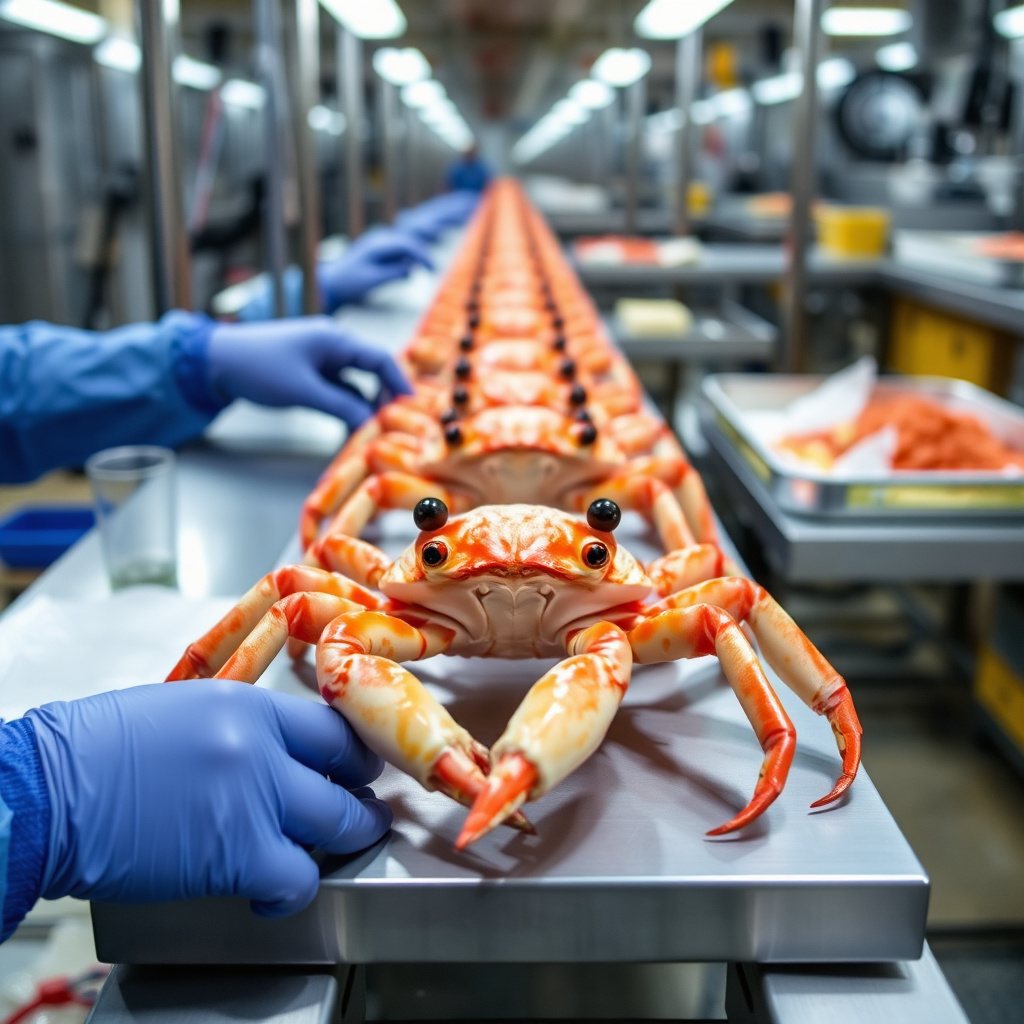
Forming the Imitation Crab Meat
Once the surimi paste is prepared, binders like starch (usually wheat or potato starch) and egg whites are added to increase firmness and elasticity. Sweeteners and salt are also mixed in to enhance flavor.
The mixture is then extruded or shaped into sticks or flakes resembling crab leg meat. This shaping step is critical to imitate the fibrous texture seen in natural crab.
- Addition of binders (starch, egg whites)
- Incorporation of sweeteners and salt
- Extrusion into crab stick shapes
Coloring and Flavoring Techniques
To mimic the red hue of cooked crab shell, natural and artificial colorants such as paprika or carmine are applied to the outer surface. This creates the familiar red and white appearance associated with crab legs.
Flavor enhancers, sometimes including crab extract or seafood flavoring, are used to provide an authentic taste. The product may be steamed or cooked to set the texture and colors before packaging.
- Use of colorants for red shell imitation
- Addition of crab flavoring agents
- Cooking steps to finalize texture
Nutritional Profile and Health Aspects
Calories and Macronutrients
Imitation crab is lower in fat and calories compared to real crab but has moderate protein content derived from fish. It contains carbohydrates from added starches, which real crab lacks.
A typical 3-ounce serving provides about 80-100 calories, 6-8 grams of protein, 1 gram fat, and 12-15 grams carbohydrates depending on the brand and recipe.
For more on this, see our related guide: What Is in Crab Rangoon? Ingredients and Recipe Breakdown.
Allergen and Additive Considerations
Since imitation crab contains fish, it can trigger fish allergies in sensitive individuals. Additionally, additives like egg whites and wheat starch may present allergen risks.
Some products include preservatives and artificial colorings, which consumers may want to avoid by checking ingredient lists carefully.
Comparing Imitation Crab with Real Crab Meat

Taste and Texture Differences
Real crab meat has a naturally sweet, delicate flavor with a flaky texture that varies by crab species. Imitation crab mimics this but tends to have a milder taste and slightly rubbery consistency.
The fibrous layers of real crab are more evident, whereas imitation crab’s uniform texture results from processing and binding agents.
Cost and Availability
Imitation crab is far more affordable and widely available year-round compared to real crab, which can be seasonally priced and variable in supply. This makes imitation crab popular in mass-market and restaurant uses.
While imitation crab offers convenience and budget savings, it lacks the depth of flavor and nutritional perks like omega-3 fatty acids found in fresh crab.
Common Culinary Uses of Imitation Crab

Imitation Crab in Sushi and Asian Dishes
Imitation crab is a staple in California rolls and other sushi styles, valued for its authentic look and mild seafood taste. It also appears in Asian-inspired seafood salads and hot pots.
Its ability to hold shape and absorb flavors makes it versatile for cold preparations and cooked dishes that require crab-like texture.
For more on this, see our related guide: What Is Imitation Crab? Understanding This Popular Seafood Substitute.
Western Recipes Using Imitation Crab
In Western cuisine, imitation crab is often used in seafood dips, crab cakes, sandwiches, and pasta dishes. It provides a convenient substitute for fresh crab with less expense and more consistent quality.
Its mild flavor pairs well with creamy and tangy sauces, enhancing a variety of recipes without overpowering other ingredients.
Storage, Shelf Life, and Safety

Proper Storage Recommendations
Imitation crab should be stored refrigerated and consumed within a few days after opening. Unopened packs remain safe for weeks under refrigeration, and freezing extends shelf life.
Proper sealing is essential to prevent drying out or contamination. Follow manufacturer guidelines for best results.
To explore more about the primary ingredient in imitation crab, you can read the detailed Surimi Wikipedia article. Surimi Wikipedia article.
Handling and Cooking Safety Tips
Since imitation crab is often pre-cooked, it requires minimal cooking if used hot. However, warming it fully to recommended temperatures helps ensure safety.
Avoid cross-contamination with raw seafood, and discard any product past expiration or showing off odors or discoloration.
Imitation Crab Types Comparison
This table compares common types of imitation crab based on texture, flavor intensity, and common usage to help identify the best choice for different recipes.
| Type | Texture | Flavor Strength | Typical Usage |
|---|---|---|---|
| Standard Surimi Sticks | Firm and elastic | Mild | Sushi, salads |
| Flaked Imitation Crab | Soft and flaky | Light | Crab cakes, dips |
| Chunk Style Surimi | Chunky, less processed | Moderate | Seafood salads, soups |
| Low-Sodium Varieties | Slightly softer | Subdued | Health-conscious recipes |
Frequently Asked Questions
Is imitation crab made from actual crab meat?
No, imitation crab is made from processed fish paste called surimi and does not contain real crab meat, though some flavorings may be added to simulate crab taste.
Does imitation crab contain allergens?
Yes, imitation crab typically contains fish, sometimes egg and wheat ingredients, which are common allergens. Always check product labels if sensitive.
Can Imitation crab be eaten raw like real crab?
Imitation crab is pre-cooked during manufacturing and can be eaten without further cooking, making it safe to use in cold dishes or sushi.
How is imitation crab colored to look like real crab?
Natural or artificial colorants like paprika or carmine are applied to the surface of imitation crab to imitate the red and white appearance of cooked crab legs.
Is imitation crab healthier than real crab?
Imitation crab usually has fewer calories and lower fat but also contains more carbohydrates due to added starches. It lacks some nutrients like omega-3 fatty acids found in real crab.
Key Takeaways
- Imitation crab is made primarily from surimi, a processed fish paste.
- Binders, flavorings, and colorants help mimic real crab’s taste and appearance.
- It offers an affordable, widely available seafood alternative with distinct nutritional differences.
- Common uses include sushi, salads, dips, and various cooked dishes.
Conclusion
Understanding what imitation crab is made of requires looking beyond the surface. At its core lies surimi, a versatile fish paste crafted from minced white fish, usually Alaska pollock, blended with starches, egg whites, and flavorings to create that recognizable crab-like texture and appearance. This manufacturing process emphasizes affordability and availability, allowing imitation crab to fill the gap where real crab meat might be cost-prohibitive or hard to source. Attuning yourself to these ingredients can help you choose products that align with your taste preferences and dietary needs.
When deciding between imitation crab options, consider your intended culinary use. Standard surimi sticks work well for sushi and cold salads where firm texture and mild flavor are priorities. Flaked and chunky varieties suit recipes like crab cakes or seafood dips, offering a softer or heartier bite. For health-conscious consumers, low-sodium versions provide a gentler option without sacrificing too much texture. Each style reflects variations in the surimi base or additive blends, making familiarity with these categories helpful when shopping or cooking.
For those curious about including imitation crab in meals, starting with a simple dish like a California roll or seafood salad showcases its versatility and convenience. Checking labels to identify allergen content or added preservatives can improve confidence in ingredient choices. Ultimately, blending imitation crab dishes with fresh vegetables or sauces elevates both flavor and nutrition, transforming this affordable seafood alternative into a satisfying meal option. Exploring trusted brands and recipes will help you tap into the strengths of imitation crab in your kitchen.



One Comment