How to Thicken Sauce with Cornstarch: Step-by-Step Guide for Perfect Results
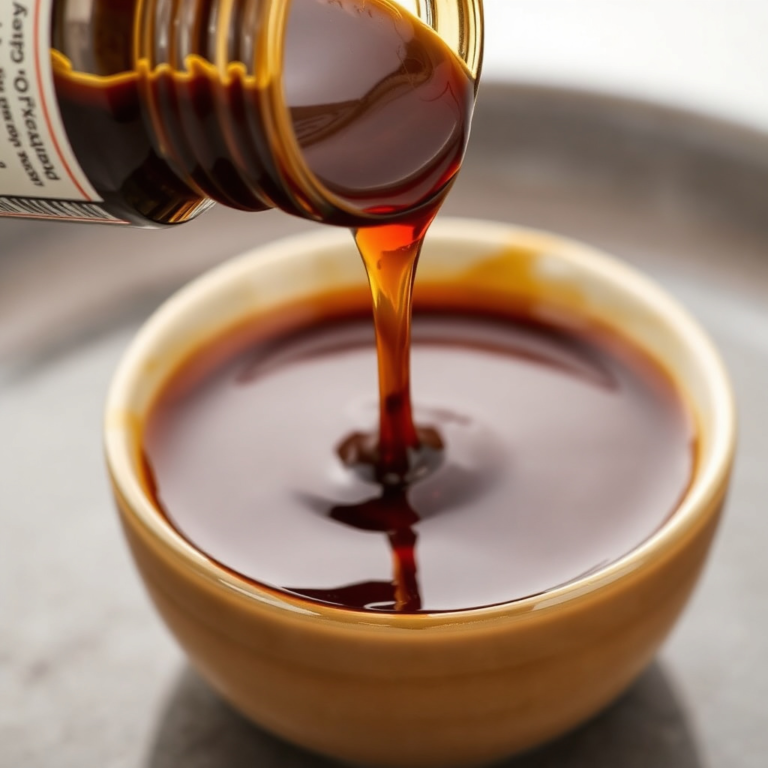
To thicken sauce with cornstarch, the quickest and most reliable method is to create a cornstarch slurry, which is a mixture of cornstarch and cold water. Add this slurry gradually to your simmering sauce while stirring constantly until the desired thickness is reached. This method prevents lumps and produces a smooth, glossy finish.
Mastering this technique matters because sauces that are too thin can dilute the flavor and texture of a dish, while sauces thickened correctly create a balanced and appealing mouthfeel. Cornstarch, unlike flour, thickens transparently, making it ideal for clear or brightly colored sauces and gravies.
In this article, you will learn the best practices for making a cornstarch slurry, tips to avoid lumps and clumping, how to adjust thickness levels, as well as alternatives when cornstarch isn’t available. We will also explore troubleshooting common issues when thickening sauces with cornstarch.
Understanding Cornstarch as a Thickening Agent

What Is Cornstarch and How Does It Work?
Cornstarch is a fine, white powder derived from the starchy part of corn kernels. When heated with liquid, it swells and gelatinizes, creating viscosity that thickens sauces efficiently. Unlike flour, cornstarch thickens at a lower temperature and produces a clearer sauce.
This starch works by binding the liquid molecules, increasing the mixture’s thickness without adding fat or altering the flavor. This makes it a popular choice in cooking where clarity and texture are important.
Differences Between Cornstarch and Other Thickeners
Compared to flour, cornstarch has about twice the thickening power, so less is needed. It also thickens sauces more quickly and results in a smoother, shinier texture. Flour-based thickening is cloudier and can taste slightly raw if not cooked long enough.
Other thickeners like arrowroot or tapioca starch behave similarly but have subtle differences in texture and clarity. Cornstarch is widely favored for its affordability and consistent performance.
Making a Cornstarch Slurry for Sauce Thickening

How to Prepare the Cornstarch Slurry
To prepare a cornstarch slurry, combine equal parts cornstarch and cold water. Stir thoroughly until the powder dissolves completely, with no lumps remaining. The cold water prevents premature thickening and clumping when added to hot sauce.
Measure precisely, as too concentrated a slurry can cause an uneven texture. Typical ratios range from 1 tablespoon cornstarch to 1 tablespoon water for medium-thick sauces, adjusted as needed.
- Use cold water to avoid lumps
- Mix until smooth and uniform
- Adjust quantity depending on desired thickness
Incorporating the Slurry into Your Sauce
Gradually pour the slurry into your simmering sauce while stirring constantly with a whisk or spoon. Continuous stirring ensures even distribution and prevents clumps from forming. Add a little slurry at a time, checking thickness as you go.
Once fully incorporated, continue to cook the sauce for 1-2 minutes to remove any starchy taste and activate full thickening. Avoid boiling for extended periods as this can thin the sauce again.
- Add slurry slowly
- Stir constantly during addition
- Cook for 1-2 minutes after adding
Tips for Perfect Sauce Thickness Every Time

Adjusting Thickness and Texture
If your sauce becomes too thick after adding cornstarch slurry, thin it out with a little broth, water, or wine until you reach the desired consistency. Conversely, add more slurry incrementally if it’s still too thin.
Remember that sauces tend to thicken further as they cool, so plan for slightly thinner texture while cooking. Testing thickness with a spoon helps you make precise adjustments.
- Thin with liquid if too thick
- Add more slurry carefully if too thin
- Account for cooling thickening effect
For more on this, see our related guide: How to Make General Tso Sauce Easily at Home.
Avoiding Common Thickening Problems
Lumpy sauces typically result from adding cornstarch directly without slurry or adding slurry too quickly. Make sure the slurry is smooth and add it gradually while stirring vigorously.
If the sauce becomes cloudy or gritty, it may be overheated or the starch wasn’t fully dissolved. Turning the heat down and stirring can help smooth the texture.
- Use a smooth slurry
- Add slurry slowly with stirring
- Control heat and dissolve starch completely
Alternatives to Cornstarch for Sauce Thickening
Using Flour and Other Starches
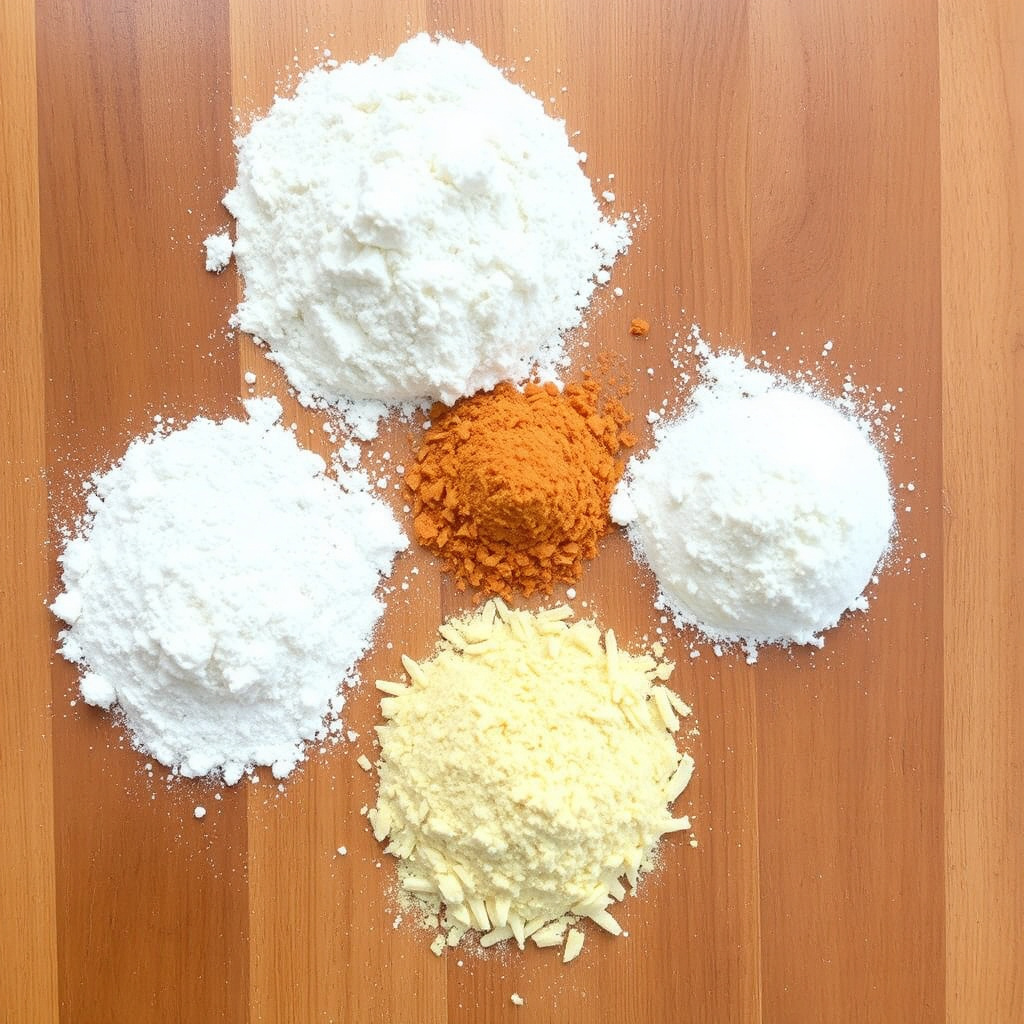
Flour, when cooked into a roux of fat and flour or added as a slurry, thickens sauces with a more opaque finish. It requires longer cooking to avoid a raw taste. Arrowroot starch thickens at a lower temperature and keeps sauces clear, similar to cornstarch.
Tapioca starch is another alternative often used in gluten-free cooking, offering a smoother, glossy finish. Each thickener has strengths for different types of sauces and dietary needs.
Thickening Without Starches
Sauces can also be thickened by reducing liquid through simmering, pureeing vegetables or legumes, or by adding natural thickening agents like cream or butter. These methods add flavor and body but differ significantly from cornstarch thickening’s clear, light texture.
Choosing the right thickening method depends on the sauce type, desired texture, and dietary preferences.
Troubleshooting and Cleanup When Using Cornstarch

Fixing Sauce Thickness Issues
If your sauce is too thick after adding cornstarch, thin it volume gradually with warm liquid while stirring. If it’s too thin, mix a small amount more slurry and add slowly. Overcooking can break down starches, so avoid excessive boiling after thickening.
Separating or grainy texture can be corrected by reheating gently and whisking vigorously to re-emulsify the sauce.
For more on this, see our related guide: How to Make Sweet and Sour Sauce: A Simple Homemade Recipe.
Cleaning Up Cornstarch Residue
Cornstarch easily sticks to mixing bowls and utensils, especially as it dries. Rinse items immediately with warm water to prevent residue buildup. Use a sponge or brush with soapy water to remove stubborn dried starch.
Keeping your workspace clean while preparing the slurry helps minimize waste and mess.
- Rinse immediately with warm water
- Use soap and sponge for dried residue
- Keep workspace tidy during preparation
Recipes and Sauce Types Ideal for Cornstarch Thickening

Asian-style Sauces and Gravies
Cornstarch is widely used in Asian cooking for thickening stir-fry sauces, sweet and sour sauces, and gravies due to its quick thickening and clear finish. Its neutral flavor complements soy-based and vinegar-heavy sauces nicely.
By using cornstarch slurry, these sauces achieve a smooth, appetizing texture that coats ingredients evenly without cloudiness.
For a detailed explanation of what cornstarch is and its properties, you can consult the Cornstarch page on Wikipedia. Cornstarch on Wikipedia.
Other Common Uses in Cooking
Beyond Asian cuisine, cornstarch is common in thickening fruit pie fillings, custards, and some creamy sauces. It prevents separation and gels well as it cools, offering a firm but tender texture.
It also can be used to create a delicate glaze on meats or vegetables by thickening pan drippings and broths immediately after cooking.
Comparison of Popular Sauce Thickening Methods
This table compares cornstarch with other thickening options based on properties and best uses to help you pick the right method for your recipe.
| Thickener | Thickening Power | Appearance | Cooking Time | Best For |
|---|---|---|---|---|
| Cornstarch | High | Clear and glossy | Quick (under 5 minutes) | Asian sauces, gravies, clear sauces |
| Flour | Medium | Opaque and matte | Longer (10+ minutes) | Cream sauces, roux-based dishes |
| Arrowroot | High | Clear and shiny | Quick (under 5 minutes) | Delicate sauces, gluten-free cooking |
| Tapioca Starch | Medium | Glossy and smooth | Quick (under 5 minutes) | Gluten-free, fruit fillings |
| Reduction | Varies | Depends on original liquid | Long (varies) | Sauces with strong flavor concentration |
Frequently Asked Questions
Can I add cornstarch directly to hot sauce?
No, adding cornstarch directly often causes lumps. It’s best to make a slurry by mixing cornstarch with cold water before adding it slowly to hot sauce while stirring.
How much cornstarch do I need to thicken one cup of liquid?
Typically, one tablespoon of cornstarch mixed with one tablespoon of cold water thickens about one cup of liquid, but adjust based on your desired thickness.
Will cornstarch-thickened sauces hold up after reheating?
Cornstarch-thickened sauces held together well but may thin if boiled too long during reheating. Warm gently and stir to maintain thickness.
Can I use cornstarch to thicken cold sauces or dressings?
Cornstarch requires heat to activate its thickening properties, so it won’t thicken cold sauces effectively without cooking.
What should I do if my sauce lumps after adding cornstarch?
If lumps form, whisk the sauce vigorously over low heat to dissolve them, or strain the sauce to remove lumps for a smooth texture.
Key Takeaways
- Cornstarch slurry mixed with cold water ensures smooth sauce thickening without lumps.
- Add slurry gradually to hot sauce while stirring continuously for best results.
- Cornstarch thickens sauces quickly, producing a clear, glossy finish ideal for many recipes.
- Adjust thickness by varying slurry amount and remember sauces thicken more as they cool.
Conclusion
Choosing the right method to thicken sauces depends largely on the desired texture, appearance, and the sauce’s ingredients. Using cornstarch as a thickening agent involves mixing it with cold water to form a slurry, then gradually stirring it into a simmering sauce. This technique offers a rapid and efficient way to achieve a smooth, glossy consistency without adding cloudiness or altering flavor. Understanding the behavior of cornstarch and how it reacts to heat is key to preventing lumps and attaining the perfect thickness every time.
For sauces that require a clear finish and fast thickening, cornstarch stands out as the preferred choice—especially in Asian-style sauces and gravies. When a creamier or more opaque sauce is desired, flour or other starches might work better. By mastering the cornstarch slurry process, cooks can quickly adapt sauce thickness, ensuring it suits varied recipes ranging from stir-fries to fruit fillings. Always adjust thickness carefully, considering how sauces firm up upon cooling to avoid over-thickening.
Next time you want to thicken a sauce, try preparing a cornstarch slurry with cold water and adding it slowly while stirring. If you encounter issues like lumps or cloudiness, apply gentle heat and continual stirring to smooth the sauce. With practice, this method will become second nature, allowing effortless sauce making that enhances your dishes with the right texture and presentation.