What Is Yang Chow Fried Rice? A Complete Guide to This Classic Dish
Yang Chow fried rice is a popular Chinese-American dish known for its colorful mix of ingredients and savory flavor. It features rice stir-fried with shrimp, Chinese barbecue pork, eggs, scallions, and vegetables like peas and carrots seasoned with soy sauce and sometimes oyster sauce. The rice grains are light and separate, making it a favorite among fried rice styles.
Originating from Yangzhou in China's Jiangsu province, this dish has become a staple in many Chinese restaurants abroad, especially in the United States. Its balanced combination of proteins and vegetables makes it a crowd-pleaser and a versatile option that can be enjoyed as a main or a side dish. Its distinct ingredients and method differentiate it from other fried rice variants.
This article will explain what Yang Chow fried rice is, outline its traditional ingredients, explore its cooking techniques, list variations, and compare it with other fried rice dishes to help you understand why it is so beloved.
Understanding Yang Chow Fried Rice Ingredients

Traditional Ingredients That Define Yang Chow Fried Rice
Yang Chow fried rice traditionally includes shrimp, diced char siu (Chinese barbecue pork), scrambled egg, peas, carrots, scallions, and jasmine rice. The shrimp is usually cooked just right to remain plump and juicy, while the barbecue pork adds sweetness and a smoky depth.
These ingredients come together in a way that balances flavors and textures, with soft rice grains coated lightly in soy sauce and other seasonings. The dish relies on fresh, cooked rice, typically day-old for the best texture.
- Shrimp – fresh and shelled
- Chinese barbecue pork (char siu)
- Scrambled eggs
- Green peas and diced carrots
- Scallions
- Day-old jasmine rice
- Soy sauce and oyster sauce
Flavor Enhancers and Seasonings
Light soy sauce adds umami and saltiness, while oyster sauce introduces a subtle sweetness and richness to the frying process. Sesame oil is sometimes added at the end for aroma.
Garlic and white pepper are occasionally used to boost flavor, but the goal is to keep the seasoning balanced and not overpower the core ingredients.
- Light soy sauce
- Oyster sauce
- Sesame oil (optional)
- Garlic (optional)
- White pepper
Cooking Techniques for Authentic Yang Chow Fried Rice

Preparing Rice for the Perfect Texture
Using day-old rice is critical to achieving the separate, non-sticky texture typical of Yang Chow fried rice. Freshly cooked rice contains too much moisture and clumps easily.
After cooking, the rice should be spread out on a tray and cooled to dry slightly before stir-frying. This prevents mushiness during cooking and allows each grain to fry evenly.
- Cook jasmine rice a day before
- Spread rice evenly and cool
- Avoid using freshly cooked rice
Stir-Frying with Proper Heat and Order
High heat is essential to produce the slightly toasted taste and prevent steaming the rice. A wok or large skillet is ideal for even heat distribution.
Ingredients are typically cooked in stages, starting with aromatics and proteins, followed by vegetables, then rice, and finishing with seasonings. Constant stirring prevents burning while allowing the rice to fry thoroughly.
- Use a hot wok or skillet
- Cook proteins first (shrimp, pork)
- Add vegetables next
- Stir in rice last
- Season near the end of cooking
Variations and Regional Twists on Yang Chow Fried Rice
Popular Protein Alternatives
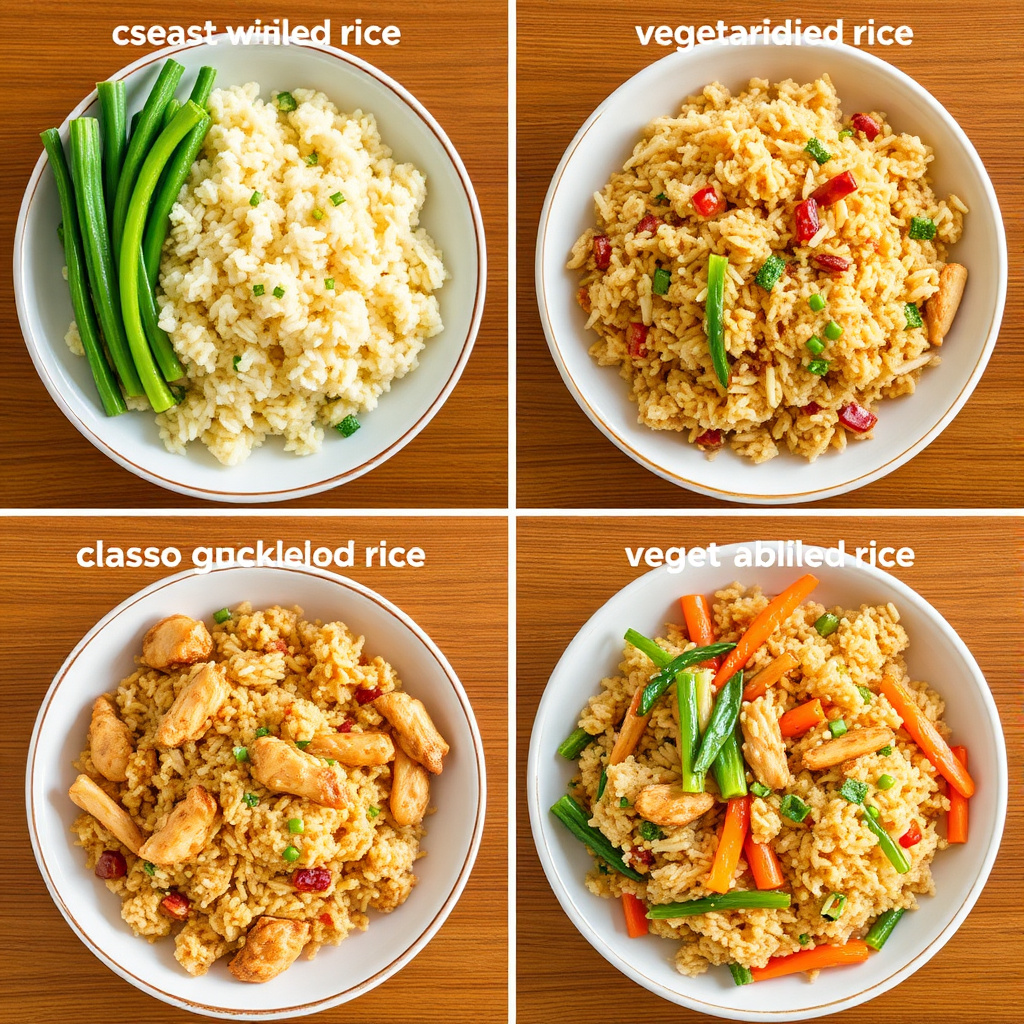
Some recipes substitute chicken or ham for shrimp and char siu, catering to different preferences. Others include diced tofu or beef to diversify protein options without altering the core technique.
Adding these variations can change the taste slightly but keeps the essence of Yang Chow fried rice intact.
- Chicken instead of shrimp
- Ham in place of or with pork
- Tofu for a vegetarian version
- Beef for a hearty alternative
Vegetarian and Vegan Adaptations
Vegetarian versions typically omit animal proteins, increasing vegetables like mushrooms and corn. Vegan recipes replace egg with scrambled tofu or omit it entirely to maintain texture.
Sauces must be checked for animal-derived ingredients; oyster sauce can be replaced with mushroom sauce or soy-only options for vegan versions.
- Extra vegetables such as mushrooms and corn
- Scrambled tofu replacing eggs
- Mushroom sauce instead of oyster sauce
- Omission of all animal products
Yang Chow Fried Rice Compared to Other Fried Rice Styles

Differences with Classic Egg Fried Rice
Egg fried rice primarily features scrambled eggs mixed with rice and green onions, usually without the additional proteins like shrimp or char siu.
Yang Chow fried rice is richer and more complex, with multiple proteins and vegetables creating a layered flavor profile that egg fried rice does not attempt to match.
Comparing to Other Regional Fried Rice Varieties
Other types like Indonesian Nasi Goreng or Thai Pineapple Fried Rice use different flavor bases and ingredients like spices, curry pastes, or pineapple chunks, contrasting with Yang Chow's mild soy-based seasoning.
This makes Yang Chow fried rice a good choice for a milder but still flavorful fried rice experience.
How to Serve and Store Yang Chow Fried Rice
Serving Suggestions for Maximum Enjoyment
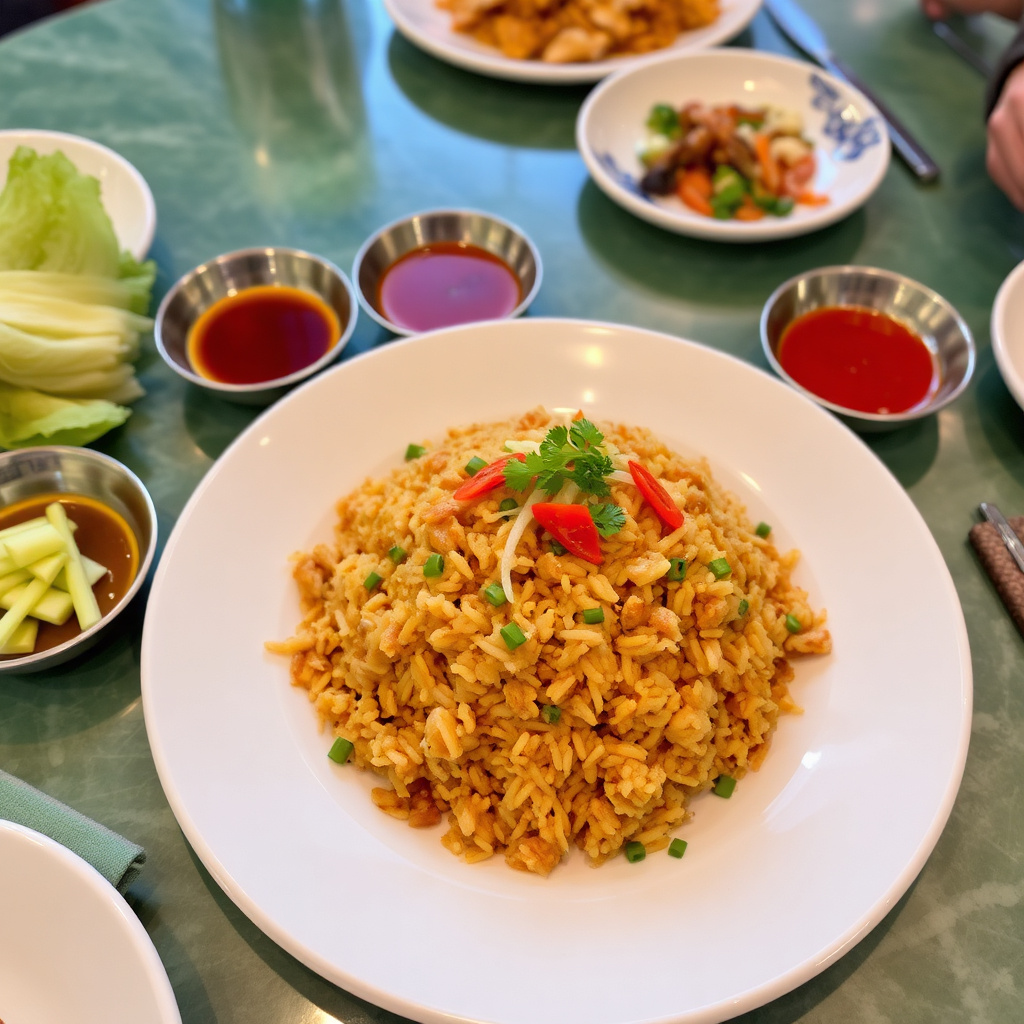
Yang Chow fried rice pairs well with dishes like sweet and sour pork, Kung Pao chicken, or steamed vegetables. Garnishing with extra scallions or a drizzle of sesame oil enhances freshness and aroma.
It can be served as a main dish or alongside other entrees in a shared meal setting.
- Pair with spicy or saucy main dishes
- Garnish with scallions or sesame oil
- Serve hot immediately after cooking
For a detailed history and background on this dish, visit the Yangzhou fried rice Wikipedia page. Yangzhou fried rice Wikipedia page.
Storage and Reheating Tips
Store leftovers in airtight containers in the refrigerator for up to three days. When reheating, use a hot pan or wok to restore texture rather than microwaving, which can make rice mushy.
Add a splash of water or oil while reheating to keep rice moist and separated.
- Store in airtight containers up to 3 days
- Reheat in a hot pan or wok
- Add water or oil for moisture
Yang Chow Fried Rice Category Comparison
This table compares common types of fried rice, highlighting how Yang Chow stands out among popular options.
| Fried Rice Category | Main Proteins Included | Flavor Profile | Typical Vegetables |
|---|---|---|---|
| Yang Chow Fried Rice | Shrimp, Chinese barbecue pork, egg | Savory, mild soy-based | Peas, carrots, scallions |
| Egg Fried Rice | Egg only | Simple, light | Green onions |
| Thai Pineapple Fried Rice | Shrimp, chicken, sometimes pork | Sweet, spicy, tangy | Pineapple, peas, peppers |
| Indonesian Nasi Goreng | Chicken, egg, shrimp | Spicy, smoky with kecap manis | Carrots, green beans |
| Vegetarian Fried Rice | None or tofu | Mild, vegetable-forward | Various mixed vegetables |
Frequently Asked Questions
Is Yang Chow fried rice spicy?
Yang Chow fried rice is generally not spicy. Its flavor relies on soy sauce and mild seasonings, making it a suitable choice for those who prefer less heat in their meals.
Can I make Yang Chow fried rice with fresh rice?
Freshly cooked rice is not ideal because it’s too moist and tends to clump. Day-old rice that has been refrigerated is best as it fries better and results in separate grains.
What is the difference between Yang Chow fried rice and Cantonese fried rice?
Yang Chow fried rice often includes shrimp and char siu pork and is mild in flavor, while Cantonese fried rice may include different seafood or meat varieties and sometimes more seasoning variety.
Is Yang Chow fried rice gluten-free?
Traditionally, it can contain soy sauce which may have gluten unless a gluten-free soy sauce is used. To make it gluten-free, use tamari or gluten-free soy sauce.
What can I substitute for Chinese barbecue pork in Yang Chow fried rice?
Ham or diced roasted pork can substitute for char siu if unavailable, providing a similar sweet and smoky flavor profile in the dish.
Key Takeaways
- Yang Chow fried rice features shrimp, Chinese barbecue pork, and vegetables stir-fried with soy sauce.
- Day-old jasmine rice is best for ideal texture and flavor.
- Variations include chicken, tofu, or vegetarian adaptations depending on preference.
- It differs from other fried rice by its balanced protein mix and mild seasoning.
Conclusion
When deciding what Yang Chow fried rice is, it stands out as a classic Chinese-American dish characterized by its mixture of shrimp, char siu pork, and vegetables with fragrant soy-based seasoning. Its hallmark is the use of delightfully fluffy day-old jasmine rice cooked on high heat to achieve separate grains and rich texture. The combination of sweet, salty, and savory flavors along with textural contrasts is what defines this dish in the wider world of fried rice.
If you enjoy fried rice dishes with a balanced variety of proteins and vegetables, Yang Chow fried rice is an excellent choice. For homemade cooking, starting with day-old rice and using fresh shrimp and barbecue pork resembles restaurant-quality flavors. For those who prefer alternatives, swapping proteins or choosing vegetarian modifications can adjust the dish while maintaining its fundamental character. It's also a great accompaniment to spicy or saucy Chinese entrees for a complete meal.
To try your hand at cooking or ordering, focus on the ingredient quality and the texture of the rice. Preparing Yang Chow fried rice carefully allows you to enjoy this well-loved recipe outside of restaurants with just a few simple techniques. Start with a trusted recipe or order from a reliable Chinese menu to explore the satisfying flavors of Yang Chow fried rice today.




One Comment