How to Make General Tso Sauce Easily at Home
General Tso sauce is a tangy, sweet, and slightly spicy glaze that gives the famous General Tso chicken its distinctive flavor. To make this sauce, you combine soy sauce, hoisin sauce, rice vinegar, sugar, garlic, ginger, and a touch of chili, then simmer until thickened to a glossy finish. This versatile sauce can be prepared at home in under 20 minutes.
This sauce holds a special place in Chinese-American cuisine and is loved for its balanced flavor profile that hits sweet, savory, and spicy notes simultaneously. Many store-bought versions don’t capture this well, but making the sauce yourself ensures fresh ingredients and a customized spice level that suits your taste.
In this article, you’ll learn about the key ingredients that create authentic General Tso sauce, the step-by-step cooking process, tips for consistency and texture, and ideas to personalize your sauce for a perfect homemade General Tso chicken experience.
Essential Ingredients for General Tso Sauce

Balancing Sweetness and Savory Flavors
The backbone of General Tso sauce combines soy sauce and hoisin sauce to provide a rich umami base. Soy sauce offers saltiness and depth, while hoisin sauce adds a thick, sweet molasses-style complexity. Balancing these ensures the sauce is flavorful without becoming overly salty or cloying.
Sugar is critical to this balance. Granulated sugar or brown sugar acts as a sweet counterpoint and helps caramelize the sauce during cooking, giving it a shiny finish. Too much sugar can mask other flavors, so exact measurement and taste testing while cooking is recommended.
- Use low-sodium soy sauce for better control
- Hoisin sauce should be smooth and not too thick
- Adjust sugar quantity based on preference
Adding Acidity and Heat
Rice vinegar imparts a bright acidity that cuts through the richness and sweetness, contributing to the characteristic tang of General Tso sauce. It balances the heavy flavors and refreshes the palate.
Heat usually comes from dried red chili flakes or fresh chilis. The amount used can vary depending on your tolerance for spice. Incorporating these slowly during cooking helps infuse the sauce without overpowering it.
- Use unseasoned rice vinegar for pure acidity
- Experiment with chili flakes or fresh chopped chilies
- Adjust spice level incrementally
Step-by-Step Preparation of General Tso Sauce
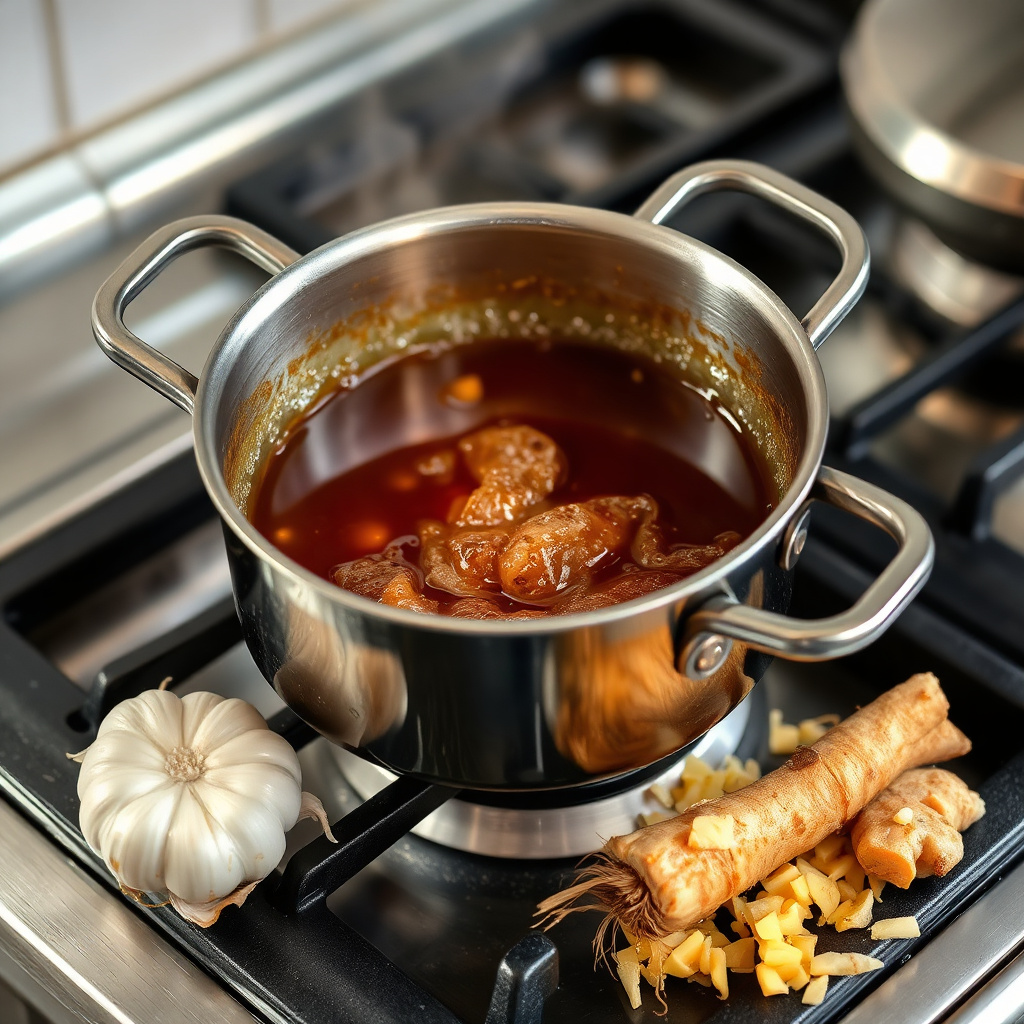
Sautéing Aromatics
Start by heating oil in a small pan over medium heat and lightly sauté minced garlic and ginger until fragrant but not browned. This step enhances the fresh flavors and releases essential oils that create the sauce’s aromatic profile.
Do not rush or use high heat, as burnt garlic or ginger can introduce bitterness. Once aromatic, you can add the chili flakes to toast briefly and release their flavor into the oil before combining with liquid ingredients.
- Use fresh garlic and ginger for best results
- Heat oil before adding aromatics
- Cook for about 30 seconds to 1 minute
For more on this, see our related guide: How to Make Teriyaki Chicken: A Simple Homemade Recipe.
Simmering and Thickening the Sauce
After sautéing aromatics, add the combined liquid ingredients: soy sauce, hoisin, rice vinegar, and sugar. Stir well to dissolve the sugar and bring the mixture to a gentle simmer.
To achieve the signature thickness, gradually add a cornstarch slurry (cornstarch mixed with cold water) while stirring constantly. The sauce should thicken within a minute or two. Remove from heat to avoid over-thickening or burning.
- Simmer on medium-low heat
- Add cornstarch slurry slowly instead of all at once
- Stir continuously to prevent lumps
Customizing General Tso Sauce to Your Taste

Adjusting Sweetness and Heat Levels
To personalize your General Tso sauce, adjust sugar or honey if you prefer a sweeter glaze. For more heat, consider incorporating Sichuan peppercorns or doubling the chili flakes. Conversely, use milder peppers or less sugar for subtle flavors.
Tasting during cooking is the best way to achieve the desired profile. Add small amounts incrementally and record your ratios for future batches.
- Try honey or maple syrup instead of sugar
- Use fresh jalapeños or serrano peppers for heat variation
- Consider smoked paprika for a smoky twist
Incorporating Additional Flavors
Some cooks like to add a splash of orange juice or zest for citrus brightness, which complements the sauce's tang and sweetness. Garlic powder or onion powder can deepen complexity if fresh ingredients aren’t available.
Experimenting with sesame oil or toasted sesame seeds can add a nutty aroma to your finished dish. However, use these sparingly to avoid overpowering the core flavor.
- Add fresh orange juice or zest for citrus notes
- Use toasted sesame oil for depth
- Sprinkle toasted sesame seeds as garnish
Tips for Using Your General Tso Sauce

Best Pairings with Proteins and Vegetables
General Tso sauce pairs wonderfully with battered and fried chicken pieces, but it’s also excellent on tofu, shrimp, or even vegetables like broccoli and cauliflower. Toss ingredients in the sauce just before serving to maintain that glossy finish and flavor.
For stir-fry dishes, add the sauce at the end and cook briefly to coat. This preserves the texture of vegetables and ensures sauce clings evenly.
- Use fried chicken or crispy tofu for classic texture
- Add sauce at the end of cooking to fresh stir-fries
- Serve over steamed rice or noodles
For more on this, see our related guide: How to Make General Tso Chicken: A Step-by-Step Authentic Recipe.
Storage and Reheating Recommendations
Store leftover sauce in an airtight container in the refrigerator for up to five days. Reheat gently over low heat and stir to restore its original consistency. Avoid microwaving at high power to prevent separation.
You can also freeze the sauce in small portions for up to three months. Thaw overnight in the refrigerator before reheating carefully.
- Keep sauce refrigerated after opening
- Reheat slowly and stir often
- Freeze in small batches for convenience
Common Mistakes When Making General Tso Sauce

Avoiding Over- or Under-Thickening
A frequent issue is adding too much cornstarch slurry, which results in a gluey texture. Add the slurry gradually and stop as soon as the sauce thickens to the desired coating consistency. Too thin and the sauce won't stick; too thick and it feels gummy.
If the sauce thickens too much, whisk in a little water or chicken broth to loosen it without compromising flavor.
- Add slurry slowly and monitor sauce consistency
- Use medium-low heat to prevent sudden thickening
- Rescue overly thick sauce with water or broth
For additional background on this dish and its origins, you can refer to the General Tso's chicken Wikipedia page. General Tso's chicken Wikipedia.
Balancing Flavor Components Properly
Using too much soy sauce can make the sauce overly salty, while excess vinegar can make it sour. Keep track of proportions and taste regularly. Remember that the sauce should be balanced: sweet, tangy, and spicy with a savory base.
Avoid skipping fresh ingredients like garlic and ginger—they provide essential aromatic layers. Using powders alone can make the sauce flatter.
- Measure key liquids carefully
- Taste and adjust frequently during cooking
- Use fresh aromatics whenever possible
General Tso Sauce Variations Comparison
Here’s a comparison of different common types of General Tso sauce based on key flavor and ingredient variations.
| Variation | Sweetness Level | Spice Level | Typical Ingredients |
|---|---|---|---|
| Classic | Medium | Mild to Medium | Soy sauce, hoisin, sugar, garlic, ginger, chili flakes |
| Spicy Sichuan Style | Medium | High | Soy sauce, chili paste, Sichuan peppercorn, garlic, ginger |
| Sweet Honey Glaze | High | Mild | Soy sauce, honey, garlic, ginger, rice vinegar |
| Low-Sodium | Medium | Mild to Medium | Low-sodium soy sauce, hoisin, less sugar, garlic, ginger, mild chili |
| Vegetarian Vegan | Medium | Mild to Medium | Soy sauce, hoisin, sugar, garlic, ginger, chili flakes, no animal products |
Frequently Asked Questions
Can I make General Tso sauce gluten-free?
Yes, use gluten-free soy sauce such as tamari and verify that hoisin sauce is gluten-free or substitute with a similar gluten-free sauce to make the General Tso sauce safe for gluten-sensitive diets.
How long does homemade General Tso sauce last?
Stored in an airtight container in the refrigerator, homemade General Tso sauce typically lasts about five days. Freezing portions can extend shelf life up to three months.
What can I use if I don't have hoisin sauce?
You can substitute hoisin sauce with a mixture of soy sauce, peanut butter, honey, and a splash of rice vinegar to achieve a similar sweet, savory flavor base.
Is General Tso sauce traditionally spicy?
The classic General Tso sauce has a mild to medium spice level, achieved through chili flakes or fresh chili, but the heat can be adjusted to preference.
Can I use General Tso sauce for dishes other than chicken?
Absolutely. General Tso sauce works well with tofu, shrimp, vegetables like broccoli, or even as a flavorful stir-fry sauce for various proteins.
Key Takeaways
- General Tso sauce is a balance of sweet, savory, tangy, and spicy flavors.
- Fresh garlic and ginger are essential for authentic aroma and depth.
- Cornstarch slurry thickens the sauce to the signature glossy texture.
- Adjust sweetness and heat levels to suit your personal taste.
Conclusion
Crafting your own General Tso sauce at home is a straightforward way to bring the iconic flavors of this Chinese-American classic to your kitchen. Focus on balancing the key ingredients—soy sauce, hoisin, sugar, rice vinegar, garlic, ginger, and chili—to replicate its hallmark sweet, tangy, and slightly spicy profile. Paying attention to simmering and thickening procedures ensures you create the perfect sauce texture that clings beautifully to your proteins or vegetables.
For those seeking a more traditional taste, the classic sauce with a medium sweetness and mild heat works perfectly with fried chicken pieces. If you enjoy bold heat, exploring Sichuan-style variations with extra chili and peppercorns suits your palate better. Meanwhile, the sweet honey glaze option offers a gentler, richer finish ideal for family-friendly meals. Low-sodium or vegan substitutions let you enjoy the sauce without dietary compromises.
Start with the simple recipe outlined here and tweak according to your preferences. Homemade General Tso sauce lets you avoid preservatives and artificial flavors common in store-bought versions. Once you master the sauce, experimenting with complementary ingredients like orange zest or toasted sesame seeds can enhance your dishes even further. This is a delicious foundation for countless creative meals ready to impress any palate.


One Comment