Where Did Mongolian Beef Originate? Tracing the Roots of a Popular Dish
Mongolian beef did not actually originate in Mongolia but is a dish created in Taiwan in the mid-20th century. Despite its name, it is a Taiwanese take on Chinese cuisine that gained widespread popularity in Chinese-American restaurants, combining sliced beef with a savory brown sauce.
Understanding the origin of Mongolian beef is interesting because it highlights how dishes evolve far from the places they’re named after, reflecting cross-cultural influences rather than authentic Mongolian culinary traditions. It also explains why ingredients and flavors differ significantly from traditional Mongolian food.
This article will explore the historical background of Mongolian beef, how it became popular internationally, clarify common misconceptions about its origin, and provide insights into its ingredients and cooking style that distinguish it from genuine Mongolian cuisine.
Historical Background of Mongolian Beef

Origins in Taiwan’s Culinary Scene
Mongolian beef was reportedly invented in Taiwan during the 1950s or 1960s as part of a wave of innovative Chinese dishes that catered to local tastes and later international palates. It was not based on any traditional Mongolian recipes but named to evoke an exotic flair.
Taiwanese chefs adapted typical stir-fry techniques with beef and developed a rich, slightly sweet soy-based sauce that would appeal broadly. This creativity helped establish Mongolian beef as a unique culinary offering in the region.
Misconceptions About Mongolian Culinary Traditions
Traditional Mongolian cuisine is largely centered on meats like mutton and dairy products due to the nomadic lifestyle and harsh climate. It typically involves simple cooking methods such as boiling or grilling and does not include the soy sauces or stir-frying seen in Mongolian beef.
The naming of Mongolian beef is more a marketing technique than a reflection of authentic cuisine, designed to attract diners curious about a mysterious and rugged culture.
Characteristics of Mongolian Beef Dishes
Key Ingredients and Flavor Profile
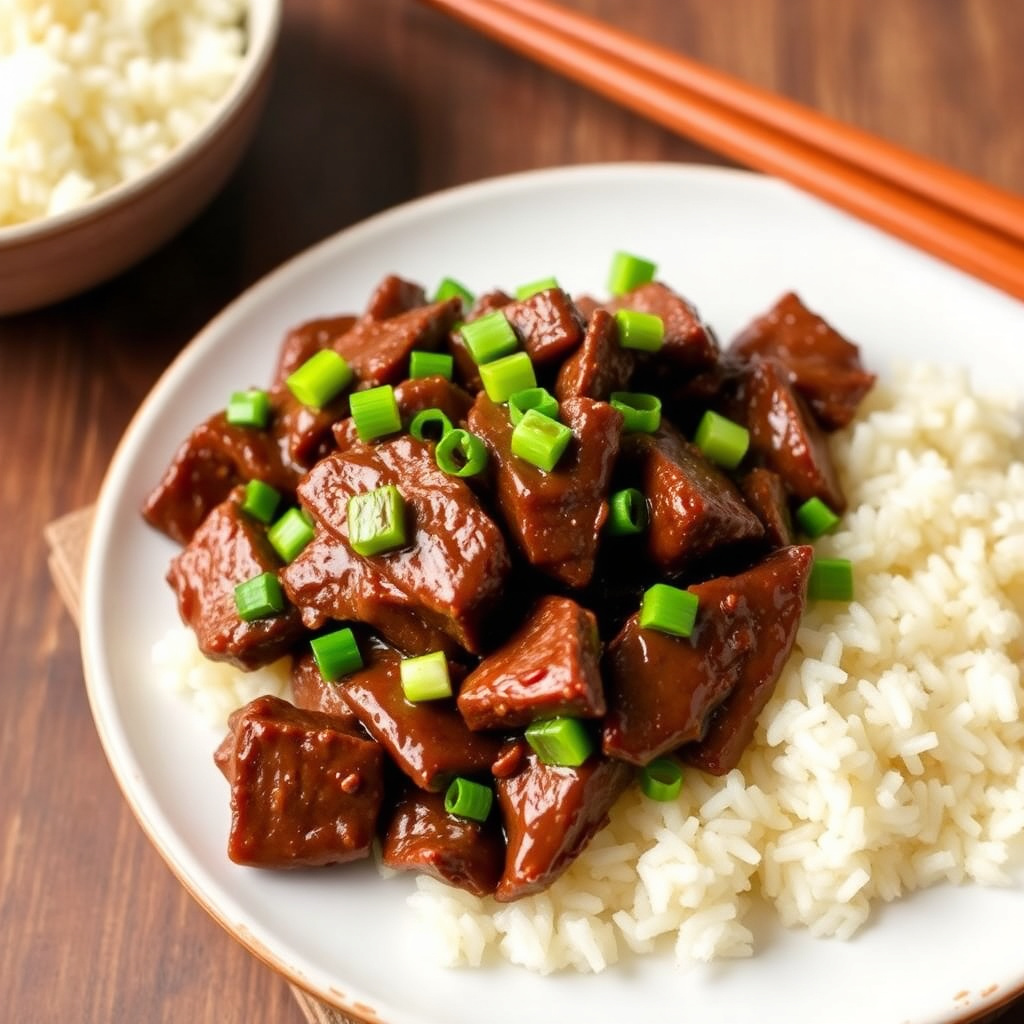
Mongolian beef primarily features thinly sliced beef, usually flank steak, stir-fried quickly with garlic, ginger, and scallions. The sauce includes soy sauce, hoisin, and brown sugar for a balance of salty and sweet flavors.
This combination gives Mongolian beef its signature caramelized, savory taste distinct from other Chinese stir-fries. The dish is often paired with steamed rice, making it a hearty and flavorful meal.
- Thinly sliced flank steak
- Soy sauce and hoisin-based sauce
- Garlic and scallions
Typical Cooking Techniques
The beef is cooked over high heat using a wok to quickly sear the meat and develop a slightly crispy exterior while retaining tenderness inside. The sauce is added late in cooking to coat the beef without making it soggy.
Stir-frying with hot oil and high heat is essential to achieve the characteristic texture and flavor, showcasing the dish's blend of fast cooking and flavorful sauce application.
Mongolian Beef in Chinese-American Cuisine

Popularity and Adaptations in the United States
Mongolian beef became a staple on Chinese-American restaurant menus by the late 20th century, loved for its savory taste and ease of preparation. It has been adapted with different vegetables and spice levels to suit regional preferences.
This dish exemplifies the creativity within Chinese-American cuisine, often blending traditional Chinese stir-fry techniques with new flavor combinations adapted for North American diners.
For more on this, see our related guide: Where Did General Tso Chicken Come From? The Origins Explained.
Differences from Authentic Chinese and Mongolian Dishes
Unlike traditional Chinese dishes such as beef with broccoli or Szechuan beef, Mongolian beef focuses on sweetness and caramelization, which appeals to American palates. It also bears little resemblance to true Mongolian food, which is typically less sauced and more rustic.
This fusion-style origin categorizes Mongolian beef as an invention that mixes elements from multiple cuisines rather than authentic representation.
Cultural Impact and Naming Choices

Reasons Behind the 'Mongolian' Label
The use of 'Mongolian' in the dish's name is a marketing decision to impart a sense of exoticism and boldness. It capitalizes on the Western imagination of Mongolia as a land of rugged nomads and hearty food, despite no direct culinary connections.
Such naming conventions are common in international cuisine to spark curiosity and distinguish dishes in a competitive restaurant market.
Impact on Perceptions of Mongolian Culture
While Mongolian beef has brought some attention to Mongolia's name, it often leads to misunderstandings about the country’s actual gastronomy. True Mongolian dishes are more centered around meat preservation and dairy, shaped by the steppe environment.
Nonetheless, the dish serves as an example of how cultural perceptions can be shaped through cuisine, even if inaccurately.
How to Make Authentic Mongolian Beef at Home

Choosing Ingredients and Preparation Tips
To replicate authentic Taiwanese-style Mongolian beef, select thinly sliced flank steak for ideal tenderness and quick cooking. Fresh scallions and garlic provide aromatic depth, while soy sauce and sugar balance umami and sweetness.
Marinate the beef briefly and ensure the wok or frying pan is very hot before cooking to get a good sear without overcooking.
- Thinly sliced flank steak
- Fresh scallions and garlic
- Soy sauce and brown sugar
Step-by-Step Cooking Instructions
Start by stir-frying garlic and ginger in hot oil to release their fragrance. Add the beef, cooking quickly until browned. Toss in scallions and add the sauce ingredients last, stirring to coat evenly and caramelize slightly.
Serve immediately with steamed rice or noodles for a complete meal that mirrors restaurant-style Mongolian beef.
Variations and Related Dishes

Regional Variations of Mongolian Beef
In some regions, especially in the United States, Mongolian beef recipes may incorporate vegetables like bell peppers or carrots to add color and texture. Spice adjustments also cater to local tastes, making versions that range from mild to slightly spicy.
These variations reflect the flexible nature of the dish and its evolution outside Taiwan's original recipe.
For more on the traditional food culture of Mongolia, see this detailed overview of Mongolian cuisine. Mongolian cuisine.
Similar Dishes in Chinese-American Cuisine
Dishes such as sesame beef and beef with broccoli share similarities with Mongolian beef in terms of preparation but differ mainly in sauce and accompanying vegetables. These options offer a range of flavors highlighting sweetness, nuttiness, or savory notes.
Exploring these related dishes provides context for Mongolian beef’s place within the broader Chinese-American culinary tradition.
Comparing Mongolian Beef to Similar Beef Dishes
Here’s a quick comparison of Mongolian beef against related beef dishes to highlight differences in ingredients and flavors.
| Dish | Sauce Base | Main Ingredients | Typical Flavor Profile |
|---|---|---|---|
| Mongolian Beef | Soy sauce, hoisin, brown sugar | Flank steak, scallions, garlic | Sweet and savory, caramelized |
| Beef with Broccoli | Soy sauce, oyster sauce | Beef, broccoli | Savory with mild sweetness |
| Sesame Beef | Soy sauce, sesame oil | Beef, sesame seeds | Nutty and mildly sweet |
| Szechuan Beef | Chili paste, soy sauce | Beef, chili peppers | Spicy and bold |
| Traditional Mongolian Meat | None or simple salt | Mutton or beef, dairy | Simple, hearty, salty |
Frequently Asked Questions
Is Mongolian beef really from Mongolia?
No, Mongolian beef originated in Taiwan and is not a traditional Mongolian dish. Its name was chosen for marketing appeal rather than authenticity.
What cut of beef is best for Mongolian beef?
Thinly sliced flank steak is ideal because it cooks quickly and stays tender when stir-fried at high heat.
How is Mongolian beef different from Szechuan beef?
Mongolian beef is sweeter and uses a soy-hoisin sauce, while Szechuan beef is spicier, incorporating chili paste for heat.
Can I add vegetables to Mongolian beef?
Yes, while traditional recipes focus on beef and scallions, you can add vegetables like bell peppers or carrots to enhance texture and color.
Is Mongolian beef a healthy dish?
It can be healthy if prepared with lean beef and moderate sauce but typically contains sugar and oil, so portion control is advisable.
Key Takeaways
- Mongolian beef is a Taiwanese invention, not a traditional Mongolian dish.
- It features thinly sliced flank steak cooked with a sweet and savory soy-based sauce.
- The dish is popular in Chinese-American cuisine with many regional variations.
- Its name is a marketing strategy rather than an indication of origin.
Conclusion
Understanding where Mongolian beef originated helps clarify its unique place in the world of Asian-inspired dishes. Rather than reflecting Mongolian culinary traditions, it showcases Taiwanese innovation and Chinese-American adaptation. This background highlights how food culture evolves through creativity and market influences rather than strict authenticity.
For anyone interested in making or enjoying Mongolian beef, recognizing its roots can enhance appreciation. Dishes like this are excellent representations of how modern cuisine can blend flavors and techniques, catering to diverse tastes. Whether you prefer the classic Taiwanese recipe or an American-style version with added vegetables, Mongolian beef offers rich, caramelized flavors that satisfy many palates.
If you want to try preparing Mongolian beef yourself, start with high-quality flank steak, fresh aromatics, and a balanced soy and sugar sauce. Exploring variations and related dishes like beef with broccoli can also expand your menu. Taking this knowledge forward, you can enjoy Mongolian beef with a more informed and appreciative perspective of its delicious backstory.



One Comment