Is Soy Sauce Bad for You? A Balanced Health Perspective
Soy sauce is not inherently bad for you when consumed in moderation. It is a fermented condiment made from soybeans, wheat, salt, and water, widely used in culinary traditions worldwide. While soy sauce contains sodium, which can be a concern for some, the key lies in portion control and choosing varieties that suit your dietary needs.
Many people worry about soy sauce because of its salt content and possible allergens, but it also contains antioxidants and some beneficial compounds due to fermentation. Its role in flavoring foods can reduce the need for additional salt or fat, which can indirectly support healthier eating patterns. However, excessive intake of soy sauce could contribute to high sodium levels, potentially affecting blood pressure and kidney function.
This article will explore key factors such as nutritional composition, potential health risks, benefits, and different types of soy sauce. Additionally, it will provide practical tips on how to incorporate soy sauce into your diet safely and review alternatives for those with specific dietary restrictions.
Nutritional Profile of Soy Sauce

Sodium Content and Its Impact
Soy sauce is notably high in sodium, with one tablespoon containing between 900 to 1000 milligrams, roughly 40% of an adult’s recommended daily intake. High sodium consumption has been associated with increased blood pressure, which can elevate the risk of heart disease and stroke. People sensitive to salt or those with hypertension should moderate their intake accordingly.
Despite the sodium levels, many lower-sodium soy sauce options are available that reduce salt content by 40-50%. These versions allow consumers to enjoy the umami flavor with less health risk. Reading nutrition labels carefully can help manage overall daily sodium consumption.
- Regular soy sauce has ~900-1000 mg sodium per tablespoon
- Low-sodium varieties reduce salt content by up to 50%
- Excess sodium linked to high blood pressure
Other Nutrients and Compounds
Soy sauce contains small amounts of protein, antioxidants, and minerals like manganese, zinc, and iron, derived from the soybeans and fermentation process. Fermentation creates bioactive peptides that may have health-promoting properties, such as antioxidant and anti-inflammatory effects.
However, soy sauce offers minimal calories and is not a significant source of vitamins or macronutrients. Its primary nutritional concern remains its sodium concentration rather than nutrient richness.
Potential Health Risks of Soy Sauce Consumption

Sodium-Related Health Problems
Excessive intake of soy sauce can lead to negative cardiovascular outcomes due to its high sodium content. Elevated sodium intake is linked to increased risk of hypertension, heart disease, and stroke. For individuals with pre-existing conditions, soy sauce should be consumed cautiously.
A balanced diet limiting total sodium to less than 2,300 mg daily is recommended by health authorities, meaning soy sauce can quickly surpass this limit if overused. This risk emphasizes the need for moderation, especially among sensitive populations.
- High sodium intake raises blood pressure
- Increased risk of stroke and heart disease
- Recommended sodium limit: 2,300 mg/day
Allergens and Additives
Soy sauce contains soy and wheat, both common allergens. People with soy allergies or gluten intolerance should avoid traditional soy sauce. Gluten-free tamari is an alternative for those sensitive to gluten. Additionally, some commercial brands may contain preservatives or artificial colorings.
It’s important to select soy sauces with minimal additives and check labels for allergens if you have dietary restrictions.
- Contains soy and wheat allergens
- Gluten-free tamari available
- Beware of additives in processed brands
Health Benefits of Soy Sauce

Antioxidant and Fermentation Benefits
Fermentation generates bioactive compounds in soy sauce that have antioxidant properties. These antioxidants can help neutralize free radicals, potentially reducing oxidative stress and inflammation in the body. Some studies indicate fermented soy products may support gut health and immune function.
Though the amounts are small, these beneficial compounds highlight that soy sauce offers more than just flavor, contributing modestly to overall health.
For more on this, see our related guide: Is Chinese Food Bad for You? Separating Myths from Facts.
Culinary Benefits Encouraging Healthier Eating
Soy sauce’s rich umami flavor can enhance the taste of healthy dishes like steamed vegetables, fish, and lean proteins without requiring additional fats or salt. Incorporating soy sauce thoughtfully can help reduce the need for less healthy ingredients such as butter, cream, or extra salt.
Using soy sauce to boost flavor may encourage a varied diet rich in nutrient-dense whole foods, supporting long-term healthy eating habits.
Types of Soy Sauce and Their Health Implications
Light Versus Dark Soy Sauce
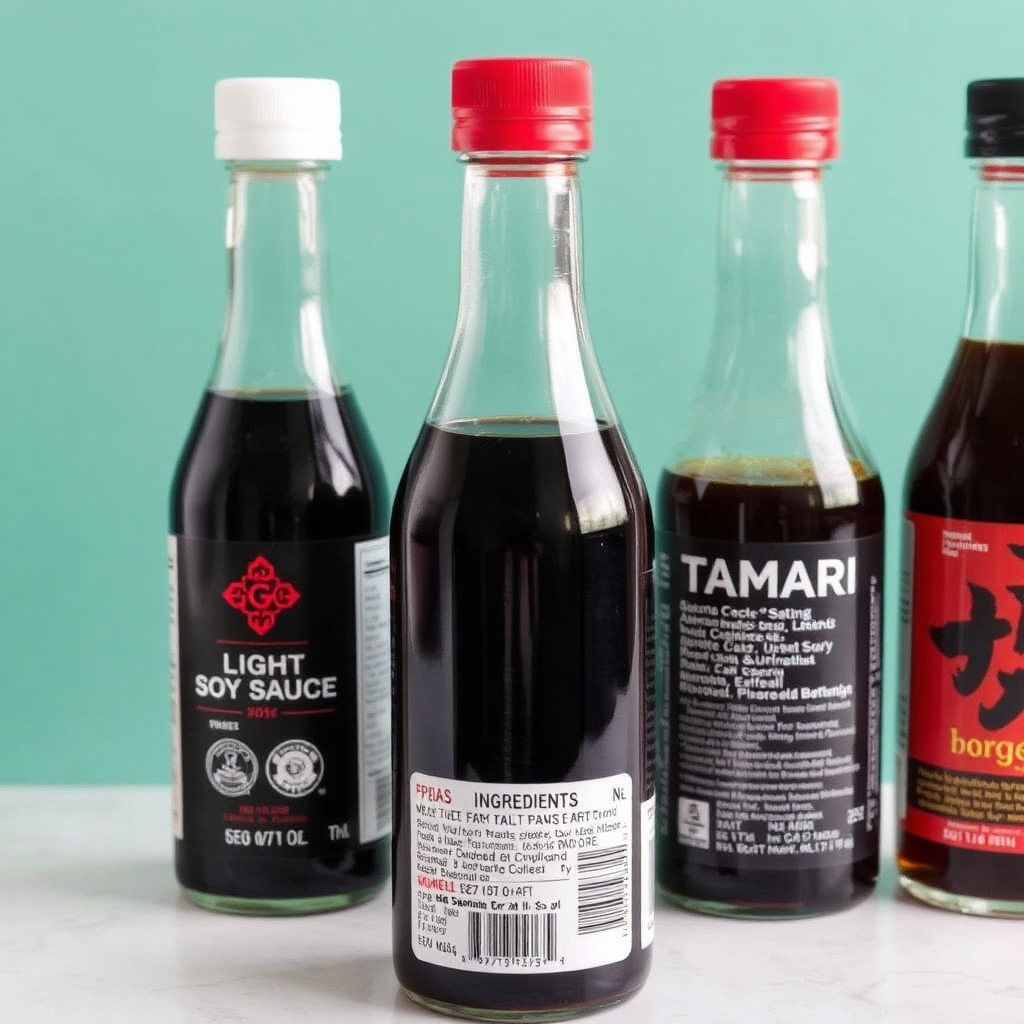
Light soy sauce is thinner, saltier, and commonly used in dipping or seasoning, while dark soy sauce is thicker, sweeter, and often used to add color to dishes. Both types contain similar sodium levels, though dark soy sauce often has slightly more sugar due to caramelization.
Choosing between them depends on flavor preference, but regarding health, both should be used sparingly due to sodium content.
- Light soy sauce: saltier, lighter color
- Dark soy sauce: thicker, sweeter, richer color
Tamari and Low Sodium Varieties
Tamari is a Japanese soy sauce usually brewed without wheat, making it a gluten-free alternative suitable for people with celiac disease or wheat allergies. It also tends to have a richer, less salty taste compared to regular soy sauce.
Low sodium soy sauces offer 40-50% less salt, making them a good option for health-conscious individuals, especially those monitoring blood pressure or sodium intake.
- Tamari: gluten-free, richer flavor
- Low sodium soy sauce: reduced salt content
How to Use Soy Sauce Safely in Your Diet
Portion Control and Moderation
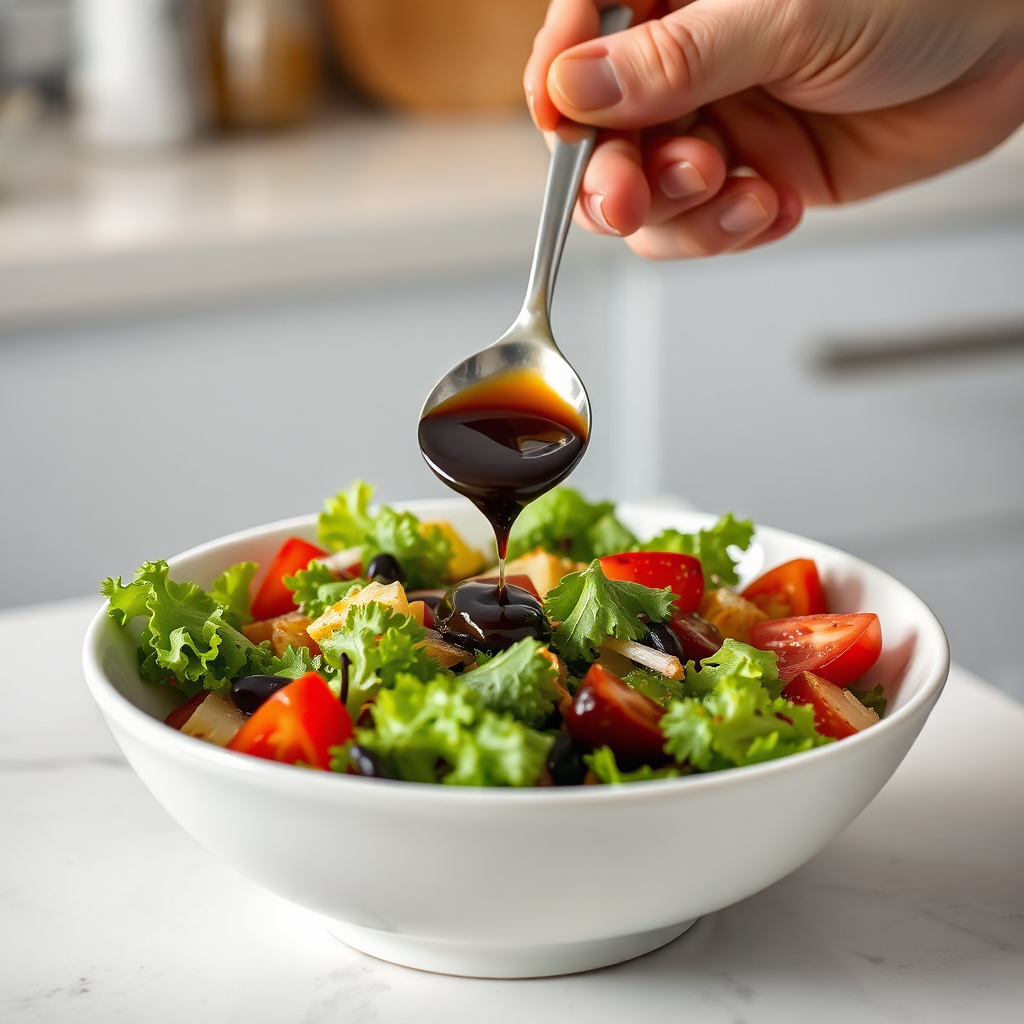
Limiting soy sauce to small amounts as a flavor enhancer helps keep sodium intake manageable. Using measuring spoons instead of pouring directly from the bottle can aid portion control. Small sips or quick dips instead of heavy usage reduces impact on overall sodium consumption.
Pairing soy sauce with fresh, low-sodium foods helps balance sodium levels throughout the day.
- Measure soy sauce rather than free pouring
- Use as a condiment, not a main ingredient
For more on this, see our related guide: Is MSG in Chinese Food? Understanding Its Use and Safety.
Alternatives and Complementary Flavors
Alternatives like coconut aminos, which have less sodium and are soy-free, or diluted soy sauce versions can provide similar flavor profiles with fewer health concerns. Combining soy sauce with citrus juice, herbs, or spices can add depth while minimizing use.
Experimenting with other umami sources such as mushroom powder or miso paste can diversify seasoning strategies for a balanced diet.
- Coconut aminos as a low-sodium alternative
- Use citrus, herbs, and spices to reduce soy sauce amount
Soy Sauce Myths and Facts

Is Soy Sauce a Source of Harmful Chemicals?
Concerns about carcinogens such as 3-MCPD in soy sauce have been raised, but regulated producers maintain levels below safety thresholds. Traditional fermentation reduces harmful byproducts compared to chemically produced versions.
Buying soy sauce from reputable brands minimizes exposure to contaminants, addressing most safety concerns.
For more detailed information on soy sauce, including its history and nutritional aspects, you can visit the Wikipedia article on soy sauce. Soy sauce nutrition and health.
Does Soy Sauce Cause Weight Gain?
Soy sauce itself contains very few calories, about 10 per tablespoon, so it does not cause weight gain directly. Weight changes depend on overall diet and portions. Using soy sauce as a seasoning can help reduce reliance on calorie-dense fats, potentially supporting weight management.
Mindfulness about total food and seasoning quantities remains key for healthy body weight.
Soy Sauce Types Comparison
This table compares key characteristics across common types of soy sauce to guide your choice based on health and usage.
| Type | Sodium Content (per tbsp) | Gluten Content | Flavor Profile | Best Use Case |
|---|---|---|---|---|
| Light Soy Sauce | 900-1000 mg | Contains Gluten | Salty, thin, lighter color | Dipping, seasoning light dishes |
| Dark Soy Sauce | 900-1100 mg | Contains Gluten | Thicker, sweeter, darker color | Marinades, coloring dishes |
| Tamari | 700-850 mg | Gluten-Free | Rich, less salty | Gluten-sensitive diets, dipping |
| Low Sodium Soy Sauce | 450-550 mg | Varies by brand | Similar to regular but milder | Health-conscious seasoning |
Frequently Asked Questions
Is soy sauce safe for people with high blood pressure?
People with high blood pressure should limit soy sauce due to its high sodium content. Choosing low-sodium varieties and using soy sauce sparingly can help manage blood pressure levels effectively.
Can soy sauce cause allergic reactions?
Yes, soy sauce contains soy and often wheat, both common allergens. Individuals allergic to soy or gluten should avoid traditional soy sauce and consider gluten-free tamari alternatives.
Does soy sauce contain any beneficial nutrients?
Soy sauce has small amounts of bioactive compounds from fermentation with antioxidant properties, but it is not a significant source of vitamins or minerals.
How can I reduce sodium intake while enjoying soy sauce?
Use low-sodium soy sauce, measure portions carefully, and complement with herbs, spices, or citrus to reduce overall soy sauce quantity while maintaining flavor.
Is tamari soy sauce healthier than regular soy sauce?
Tamari is often gluten-free and sometimes slightly lower in sodium, making it a better option for those with gluten sensitivity or who want a richer flavor with less salt.
Key Takeaways
- Soy sauce is not bad if used in moderation due to its high sodium content.
- Low-sodium and tamari soy sauces offer healthier alternatives for sensitive diets.
- Fermentation provides some antioxidants but soy sauce is not a nutrient source.
- Measuring and pairing soy sauce with fresh foods helps limit health risks.
Conclusion
Deciding whether soy sauce is bad for you depends on how it fits into your overall diet and health profile. Its high sodium content is the primary concern, especially for people with hypertension or cardiovascular risk factors. However, moderate use, mindful selection of varieties, and portion control allow many to enjoy soy sauce as part of a balanced diet without adverse effects. Understanding nutritional labels and using soy sauce as a flavor enhancer instead of a primary seasoning helps keep sodium intake in check.
Those seeking to reduce salt or avoid gluten should consider low-sodium soy sauce or tamari. Light and dark soy sauces offer different flavor profiles that can complement various dishes and cooking styles. For individuals sensitive to salt, incorporating alternatives like coconut aminos or combining soy sauce with other herbs and spices may be preferable. The benefits from fermentation add a small nutritional bonus but don’t offset the need for moderation. By choosing responsibly and using soy sauce thoughtfully, it can fit healthily into everyday meals.
To move forward, assess your dietary sodium needs and preferences then experiment with different soy sauce types to find flavors you enjoy. Measure soy sauce with spoons to avoid accidental overuse and try pairing it with fresh, low-sodium ingredients. If you have hypertension, consult a healthcare professional about incorporating soy sauce safely. With informed choices and measured use, soy sauce can be a flavorful addition rather than a health risk.


