Tempura vs Katsu: Understanding the Difference Between These Japanese Classics
Tempura and katsu are two popular Japanese dishes that feature fried ingredients but differ significantly in preparation, texture, and flavor. Tempura consists of seafood or vegetables coated in a light, airy batter and fried quickly for a delicate crispness. In contrast, katsu typically involves breaded meat, most commonly pork or chicken, that is coated with panko breadcrumbs and fried until golden and crunchy.
Knowing the differences between tempura and katsu matters if you want to appreciate authentic Japanese cuisine or decide which dish fits your preferences or meal plans. The batter style, frying method, serving accompaniments, and even cultural origins set these dishes apart, providing unique eating experiences.
This article will cover the defining characteristics of tempura and katsu, the types of ingredients used, traditional preparation techniques, how they are served, and a comparison of their nutritional profiles. Additionally, it will include guidance on selecting and cooking these dishes at home.
Origins and Cultural Significance of Tempura and Katsu
History and Origins of Tempura
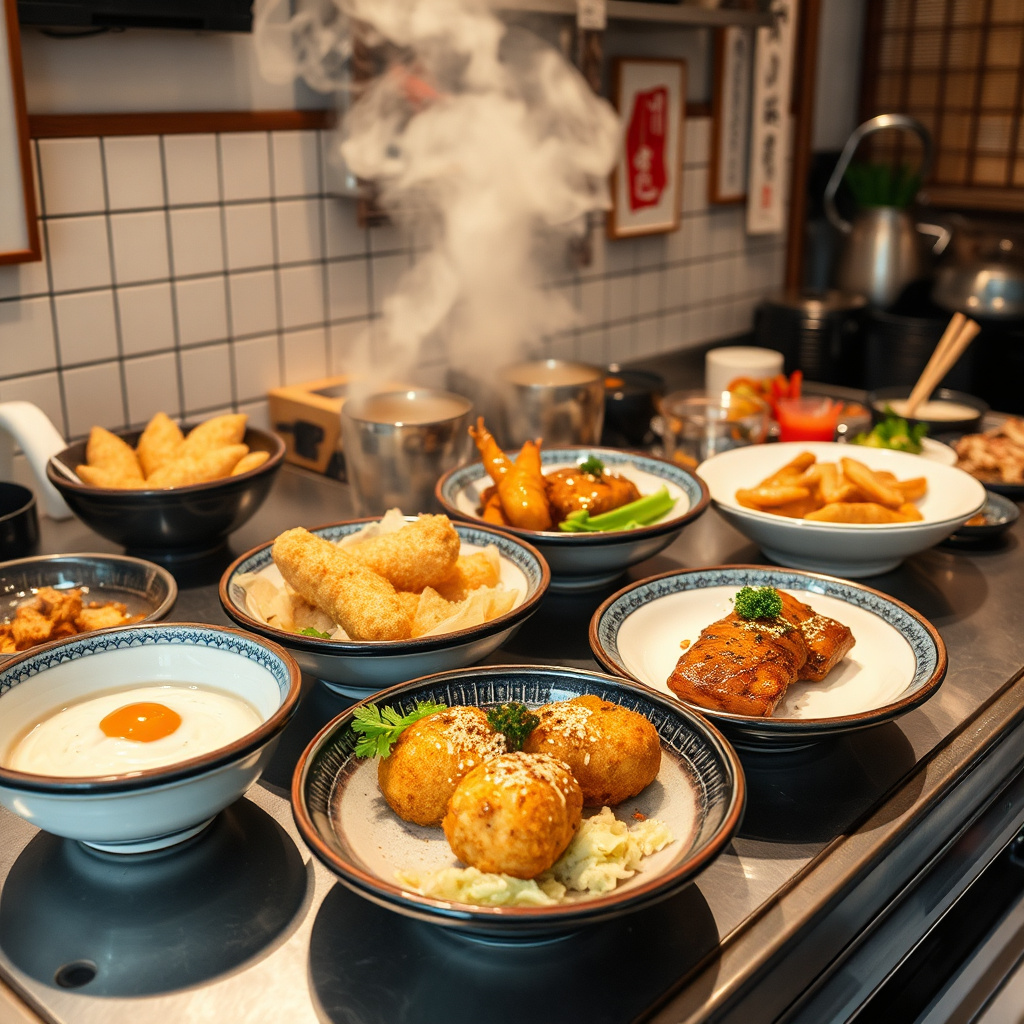
Tempura was introduced to Japan by Portuguese missionaries in the 16th century and became widely popular during the Edo period. It reflects a fusion of Western frying techniques with Japanese culinary sensibilities, emphasizing lightness and subtle textures.
This dish is often served in specialized tempura restaurants and carries cultural significance as a refined, delicate preparation, highlighting seasonal vegetables and seafood.
Development and Popularity of Katsu
Katsu emerged later, influenced by European breaded cutlets like schnitzel, introduced during Japan’s Meiji era modernization. It became an everyday comfort food, featuring thicker, meatier cuts breaded with panko crumbs.
Today, katsu is integral to casual dining and is often paired with rice, miso soup, and shredded cabbage, representing a hearty, satisfying meal.
Distinct Preparation Methods of Tempura vs Katsu

Tempura Preparation Techniques
Tempura batter is made from cold water, flour, and sometimes egg, mixed lightly to maintain lumps. Ingredients are dipped in this thin batter and fried quickly in hot oil around 175–180°C to achieve a crisp, light coating without absorbing much oil.
Timing and temperature control are critical to tempura’s texture, producing a delicate shell that emphasizes the natural flavors of the seafood or vegetables inside.
- Use ice-cold water for batter
- Fry at high temperature briefly
- Do not overmix batter
- Drain well after frying
Katsu Preparation Techniques
Katsu involves coating meat in flour, dipping it in beaten egg, then pressing it evenly in panko breadcrumbs before deep-frying. The panko creates a thicker, crunchier crust compared to tempura’s batter.
Frying occurs at slightly lower temperatures (around 160–170°C) for longer durations to cook the interior meat thoroughly while forming a substantial crispy exterior.
- Use fresh panko breadcrumbs
- Follow flour-egg-panko breading order
- Maintain moderate frying temperature
- Rest after frying to absorb excess oil
Ingredients and Flavor Profiles in Tempura and Katsu

Common Ingredients for Tempura
Tempura typically features delicately flavored seafood like shrimp, squid, and white fish, as well as vegetables such as sweet potato, eggplant, green beans, and shiso leaves. The light batter enhances the ingredient’s natural taste without overpowering it.
Tempura is often accompanied by a dipping sauce called tentsuyu, a light broth made from dashi, soy sauce, and mirin, enhancing subtle umami flavors.
- Shrimp (ebi)
- White fish fillets
- Sweet potato slices
- Eggplant chunks
- Green beans
Key Ingredients in Katsu
Katsu is usually made with pork loin (tonkatsu) or chicken breast (chicken katsu), both tender cuts suitable for breading and frying. The panko coating adds a toasted, crispy texture complementing the juicy meat inside.
This dish is served with tonkatsu sauce, a sweet and tangy condiment, and shredded cabbage which balances the richness of the fried cutlet.
- Pork loin or chicken breast
- Panko breadcrumbs
- Egg wash
- Tonkatsu sauce
- Shredded cabbage
Serving Styles and Typical Accompaniments

How Tempura is Served
Tempura is served hot with steamed rice or soba noodles and accompanied by tentsuyu dipping sauce with grated daikon. Presentation emphasizes lightness, often arranged delicately on a plate or basket to showcase the crispy coating.
It is common to enjoy tempura as part of a multi-course meal or in bento boxes where it retains its crispness.
Presentation of Katsu Dishes
Katsu is typically served as a main dish with a mound of steamed white rice, a bowl of miso soup, and finely shredded cabbage to relieve the palate. The thick slice of breaded cutlet is generally drizzled or dipped in tonkatsu sauce.
This style provides a fulfilling, hearty meal common in both home cooking and restaurants.
Nutritional Considerations Between Tempura and Katsu

Calorie and Fat Content of Tempura
Tempura's light batter and quick frying method result in lower oil absorption than katsu, typically making it a lower-calorie option. However, deep frying still adds fat, and the nutritional impact depends on the specific ingredient used.
Vegetable tempura will generally have fewer calories and fat than shrimp or fish tempura, and portion sizes also influence overall intake.
Nutritional Profile of Katsu
Katsu’s breading with panko breadcrumbs and thicker meat slices contain more calories and fat per serving than tempura. The longer frying time and denser coating increase oil absorption, contributing to a heavier dish.
Pairing katsu with vegetables like cabbage helps add fiber and balance the meal, but it remains richer and more calorie-dense compared to tempura.
Cooking Equipment and Techniques Best for Tempura and Katsu

Tools and Tips for Perfect Tempura
A heavy-bottomed, wide pan or dedicated fryer helps maintain stable oil temperature crucial for tempura. Using a thermometer to keep oil between 175–180°C ensures crisp, non-greasy results.
Batter should be used immediately after mixing, and ingredients fried in small batches to avoid temperature drops.
- Heavy-bottomed frying pan
- Thermometer
- Slotted spoon or wire rack for draining
For further reading about the origins and varieties of tempura and katsu, see the detailed Wikipedia article on tempura. Tempura and Katsu on Wikipedia.
Essential Equipment for Katsu Cooking
Katsu requires a deep fryer or a deep pot to maintain consistent oil temperature around 160–170°C to cook meat thoroughly without burning the panko crust. Using fresh panko breadcrumbs maintains crisp texture.
After frying, resting katsu on a rack prevents sogginess by allowing excess oil to drip away.
- Deep fryer or heavy pot
- Thermometer
- Cooling rack
Tempura vs Katsu: Japanese Fried Dishes Comparison
This table highlights the fundamental differences in preparation, texture, ingredients, and typical serving styles between tempura and katsu.
| Aspect | Tempura | Katsu |
|---|---|---|
| Batter and Coating | Thin batter made from cold water and flour | Three-step breading with flour, egg, and panko breadcrumbs |
| Common Ingredients | Seafood and vegetables | Pork cutlets or chicken breasts |
| Frying Temperature | 175–180°C for quick frying | 160–170°C for thorough cooking |
| Texture | Light and crispy with airy coating | Thick, crunchy, and sturdier crust |
| Typical Sauce | Tentsuyu dipping sauce (light soy-based) | Tonkatsu sauce (sweet and tangy) |
| Serving Style | Often served with rice or noodles and dipping sauce | Served with rice, miso soup, shredded cabbage |
| Calorie Content | Generally lower due to lighter batter | Higher due to thick coating and meat portion |
Frequently Asked Questions
Is tempura always made with seafood?
No, tempura features both seafood like shrimp and white fish as well as a variety of vegetables such as sweet potato, eggplant, and green beans.
Can katsu be made with meats other than pork or chicken?
While pork and chicken are most common, katsu can also be prepared with beef or sometimes fish, but these are less typical in traditional Japanese cuisine.
Which dish is considered healthier, tempura or katsu?
Tempura is generally lighter and lower in calories due to its thin batter and quick frying, whereas katsu tends to be richer and higher in fat because of its thick panko coating and meat content.
What is the purpose of panko breadcrumbs in katsu?
Panko breadcrumbs create a light, crispy, and crunchy texture distinct from regular breadcrumbs, giving katsu its signature crust that stays crunchy after frying.
Are tempura and katsu served with sauces?
Yes, tempura is served with tentsuyu, a light soy-based dipping sauce, and katsu is typically paired with thick, sweet-savory tonkatsu sauce.
Key Takeaways
- Tempura uses a thin batter for a light, crispy coating while katsu employs a panko breadcrumb crust for crunchiness.
- Tempura highlights seafood and vegetables; katsu focuses on breaded pork or chicken cutlets.
- Frying temperatures and times differ, affecting texture and oil absorption.
- Serving styles and sauces differ, with tempura often paired with tentsuyu and katsu with tonkatsu sauce.
Conclusion
Deciding between tempura and katsu depends largely on your taste preference and meal context. Tempura emphasizes delicate textures and lighter flavors suitable for those seeking a refined, less heavy dish. Katsu offers a heartier, robust experience with its substantial breaded meat and stronger sauces. Understanding the batter and coating differences allows for better appreciation of each dish’s qualities and helps when preparing or ordering.
If you want a light, crisp appetizer or a dish showcasing fresh vegetables and seafood, tempura stands out as the go-to option. On the other hand, for a filling main course with a satisfyingly crunchy texture and rich flavor, katsu—especially tonkatsu or chicken katsu—is an excellent choice. Both can be adapted at home with relatively simple ingredients and frying techniques, but respecting their traditional methods will yield the best results.
For your next meal, consider what you’re craving: the airy delicacy of tempura or the substantial crunch of katsu. Try experimenting with making both in your kitchen using the recommended tools and frying temperatures. This hands-on experience will deepen your understanding and enjoyment of these Japanese fried dishes.



One Comment