How to Eat Sashimi: A Complete Guide to Enjoying Raw Fish Like a Pro
Eating sashimi is straightforward when you know the basic techniques and etiquette. To enjoy sashimi, pick up a piece gently with chopsticks, dip it lightly into soy sauce—preferably a good-quality one—and savor it without overwhelming the delicate flavors. Wasabi can be added sparingly to enhance the taste, and pickled ginger cleanses the palate between bites.
Sashimi is prized for its fresh, clean taste and high-quality fish, so respecting its preparation through proper eating methods enhances your experience. Understanding how to eat sashimi properly matters because it preserves the balance of flavors and pays respect to the traditional Japanese culinary art.
This guide covers how to choose the right soy sauce, the role of wasabi and ginger, sashimi etiquette, and how to appreciate different types of sashimi to maximize your enjoyment at home or in a restaurant.
Understanding the Basics of How to Eat Sashimi
Using Chopsticks Correctly with Sashimi
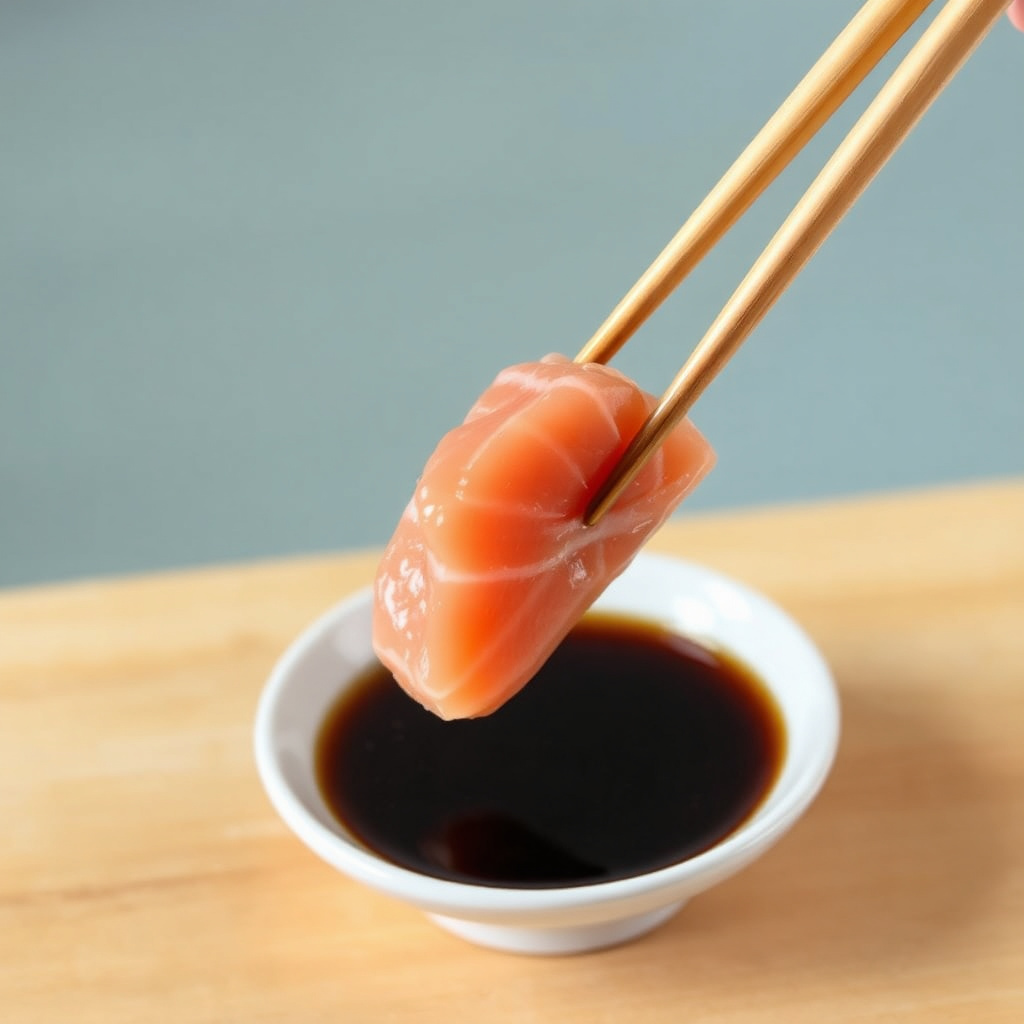
Chopsticks are the traditional tool for eating sashimi, allowing you to pick up delicate slices without damaging them. Hold the chopsticks near their end, gripping the sashimi gently to avoid squeezing or tearing the fish. Practicing this technique enhances your dining experience by preserving the sashimi's texture and presentation.
In cases where chopsticks feel awkward, clean fingers are acceptable, especially for larger or firmer slices. However, chopsticks remain the preferred method to respect the meal's formality.
Mindful Dipping in Soy Sauce
Dip sashimi pieces lightly into soy sauce to accentuate flavor without overpowering the fish’s natural taste. Avoid soaking the fish, which can mask subtle nuances and cause the piece to fall apart. Instead, touch only the fish side briefly.
Using the best soy sauce for sashimi, often a lighter and less salty variety, maintains balance and complements the freshness of the raw fish. Some diners prefer low-sodium or specially brewed soy sauce for this purpose.
- Dip the fish side, not the rice or other parts
- Use a small dish for soy sauce to control dipping
- Avoid mixing wasabi directly into soy sauce for authentic flavor
Enhancing Flavor with Condiments

Using Wasabi Appropriately
Wasabi adds a spicy kick and complements the clean taste of sashimi. A small amount placed directly on the fish enhances flavor without overwhelming it. Mixing wasabi into soy sauce is common but less traditional and can dilute its sharpness.
Fresh wasabi, when available, offers a sweeter, fresher heat compared to processed versions. Use it sparingly to appreciate the sashimi’s natural sweetness.
For more on this, see our related guide: How to Eat Sushi: A Practical Guide for Beginners.
The Role of Pickled Ginger
Pickled ginger serves as a palate cleanser between different sashimi types. Eating a slice between bites refreshes your taste buds, allowing you to fully enjoy each fish’s unique flavor profile.
Avoid placing ginger directly on sashimi; instead, eat it separately. Its sharp, sweet, and tangy notes contrast and clear residual flavors.
Exploring Sashimi Etiquette in Dining

Cultural Do’s and Don’ts
Respect sashimi traditions by not over-dipping in soy sauce or double-dipping pieces from communal plates. Use serving chopsticks if provided, and avoid handling fish with fingers unless necessary.
Eating sashimi slowly and savoring bites aligns with Japanese customs, which value mindfulness and appreciation of food.
Serving and Sharing Sashimi Properly
When sharing sashimi, use the opposite end of your chopsticks or serving utensils to transfer pieces, preventing hygienic issues. Present sashimi neatly on shared plates to maintain an inviting appearance.
Observe others at the table and follow their lead regarding how much soy sauce and wasabi to use, as regional preferences can vary.
Choosing and Enjoying Different Sashimi Types
Common Sashimi Fish Varieties
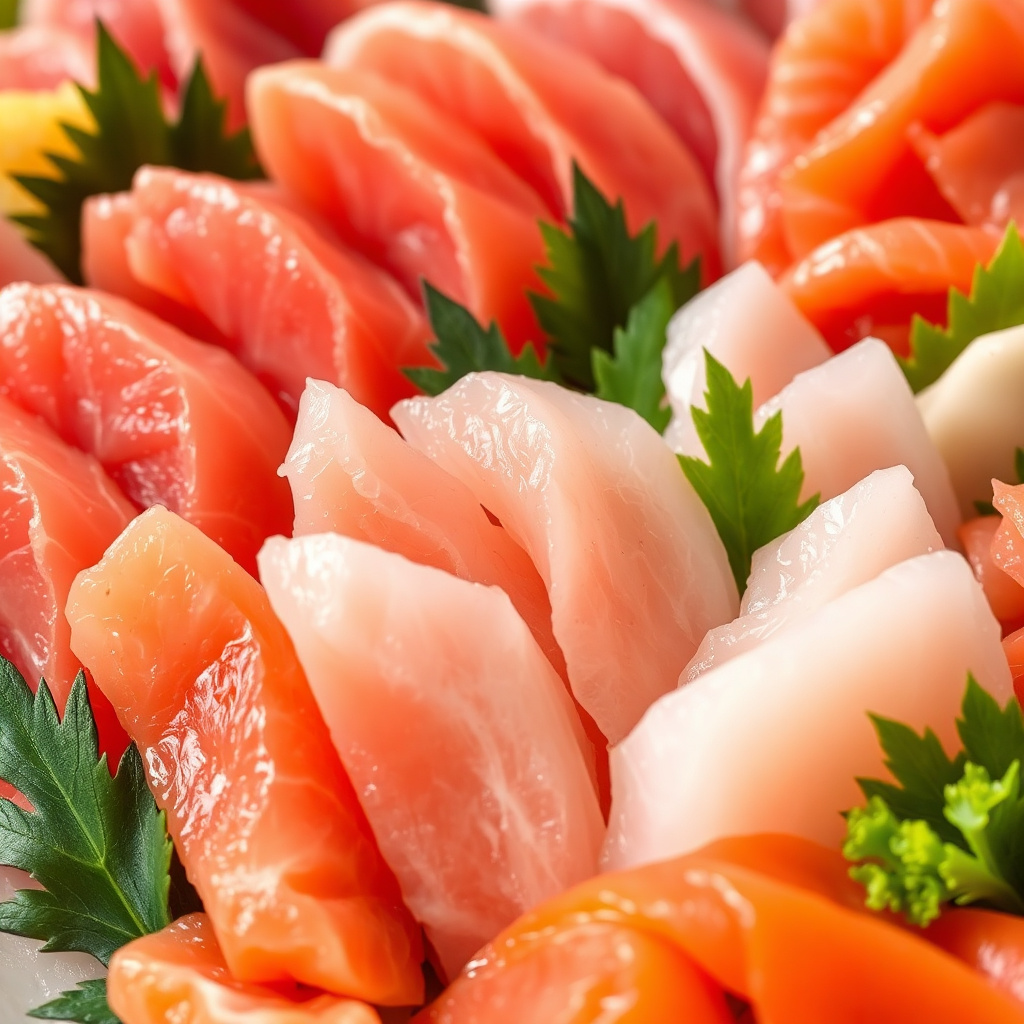
Popular sashimi fish include maguro (tuna), sake (salmon), hamachi (yellowtail), and tai (sea bream). Each has distinct texture and flavor profiles, with fattier cuts offering buttery richness and leaner cuts emphasizing clean, delicate notes.
Understanding these varieties helps you choose sashimi that suits your palate or desired culinary experience.
- Maguro: meaty and firm
- Sake: rich and oily
- Hamachi: slightly sweet and buttery
- Tai: mild and tender
For more on this, see our related guide: How to Make Sashimi at Home: A Step-by-Step Guide.
Pairing Sashimi with Complementary Flavors
Sashimi pairs well with subtle accompaniments like light soy sauce, fresh wasabi, and refreshing pickled ginger. Some also enjoy a squeeze of yuzu or a dash of ponzu sauce for citrus brightness.
Drink pairings such as cold sake or green tea enhance the overall meal and cleanse the palate without overpowering.
Storing and Serving Sashimi at Home

Proper Storage for Freshness
Sashimi-grade fish should be stored at temperatures just above freezing, ideally below 40°F (4°C), to preserve texture and safety. Refrigerate sashimi promptly after purchase and consume within 24 hours for best flavor.
Use airtight containers to prevent odors from affecting the fish and always buy from trusted sources specializing in sashimi-grade seafood.
For more details on sashimi’s history and varieties, you can visit the Sashimi Wikipedia article. Sashimi Wikipedia article.
Serving Tips for the Best Experience
Serve sashimi chilled on a cool plate, possibly with a bed of shredded daikon radish to keep fish fresh and visually appealing. Arrange slices so that colors and textures contrast for an inviting presentation.
Provide accompaniments such as soy sauce, wasabi, and pickled ginger separately so diners control their own seasoning.
Sashimi Dipping Sauce Comparison
This table compares popular dipping sauces to pair with sashimi, highlighting flavor, salt level, and best fish pairings.
| Sauce Type | Flavor Profile | Saltiness Level | Best for Fish |
|---|---|---|---|
| Light Soy Sauce | Mild, slightly sweet | Low to Medium | Salmon, Yellowtail |
| Regular Soy Sauce | Rich and salty | Medium to High | Tuna, Sea Bream |
| Ponzu Sauce | Citrusy and tangy | Low | White Fish, Octopus |
| Wasabi Soy Blend | Spicy and salty | Medium | Fatty Tuna, Salmon |
Frequently Asked Questions
Can I eat sashimi with my hands?
Yes, it is acceptable to eat sashimi with clean hands, especially if chopsticks feel difficult. However, chopsticks are preferred in formal settings to maintain etiquette.
Should I mix wasabi into my soy sauce?
Traditional etiquette suggests applying wasabi directly on the sashimi rather than mixing it into soy sauce, to preserve flavor balance and prevent diluting the wasabi’s bite.
How fresh does sashimi need to be served?
Sashimi should be served as fresh as possible, ideally immediately after preparation or within 24 hours of purchase when refrigerated properly to ensure safety and optimal taste.
What is the best soy sauce for sashimi?
A lighter, less salty soy sauce made specifically for sashimi complements the delicate fish flavors better than regular soy sauce or heavily salted varieties.
Can I reuse soy sauce after dipping sashimi?
Avoid double-dipping to maintain hygiene and flavor purity. Use fresh soy sauce for each bite if sharing a communal dish.
Key Takeaways
- Use chopsticks gently to pick up sashimi without damaging it.
- Dip sashimi lightly in high-quality soy sauce, avoiding soaking.
- Apply wasabi directly on fish and eat pickled ginger between bites.
- Respect cultural etiquette and serve sashimi chilled with proper accompaniments.
Conclusion
Eating sashimi is about appreciating the delicate flavors and textures of fresh fish through mindful technique and respect for traditional customs. Approaching sashimi with care—from how you hold it to how you season it—allows you to experience the intended purity of taste and craftsmanship behind this Japanese delicacy. Taking the time to understand proper eating methods elevates the enjoyment significantly and honors the cultural roots.
Specific choices, like selecting a light soy sauce or freshly grated wasabi, can make a noticeable difference. For beginners, starting with familiar varieties such as salmon or tuna offers a gentle introduction to raw fish, while more adventurous eaters might explore firmer or milder options like tai or octopus. Whether dining out or preparing sashimi at home, attentive plating, freshness, and accompaniment choices influence the overall experience.
Ultimately, practicing proper sashimi eating techniques—gentle pick-up with chopsticks, controlled dipping, and palate cleansing between bites—makes every meal more satisfying and respectful. Next time you enjoy sashimi, apply these guidelines, letting the fish’s quality shine through while feeling confident in your approach to this refined cuisine.