What Is Temaki? A Complete Guide to the Hand-Rolled Sushi Cone
Temaki is a type of sushi that is rolled by hand into a cone shape, typically filled with vinegared rice, fresh fish, vegetables, and seaweed. Unlike traditional sushi rolls that are sliced into bite-sized pieces, temaki offers a casual, easy-to-eat format perfect for sushi enthusiasts seeking flavor and convenience in each bite.
Temaki holds a special place in sushi culture because it emphasizes simplicity and personal customization. It doesn’t require a bamboo mat or complicated techniques, making it accessible for both home cooks and restaurants. The cone shape also allows for a more generous filling, offering a fuller taste experience compared to other sushi styles.
This article explores what temaki specifically is, how it differs from other sushi types, common fillings and ingredients, preparation methods, and tips for enjoying or making your own temaki rolls at home. By the end, you’ll have a clear understanding of why the hand-rolled sushi cone remains a favorite among sushi lovers worldwide.
History and Origin of Temaki
Roots in Japanese Cuisine
Temaki originated as an informal sushi style in Japan where convenience and quick preparation were prioritized. It became popular as a snack or casual meal, differing from more formal sushi presentations that often involve precise cutting and plating. Temaki emphasizes its hand-rolled cone shape which makes it portable and easy to eat on the go.
The rise of temaki coincided with sushi’s global expansion, making it one of the more approachable sushi types. It reflects Japanese culinary values of freshness and balance, showcasing fish and vegetables wrapped simply in nori, enhancing rather than masking natural flavors.
Rise in Global Popularity
As sushi gained worldwide fame, temaki's easy preparation made it an attractive option for casual dining and home cooking. Restaurants often serve it as a quick alternative to more elaborate rolls or sashimi. Modern sushi bars also encourage patrons to customize their own temaki fillings, fostering a hands-on dining experience.
The hand-rolled sushi cone is especially popular at sushi parties and gatherings, offering flexibility and interaction during meal times. Its popularity speaks to both its traditional roots and adaptability in contemporary food culture.
Temaki Ingredients and Variations

Common Fillings in Temaki
Popular temaki fillings usually include vinegared sushi rice, slices of raw fish such as tuna or salmon, and crisp vegetables like cucumber or avocado. Additional elements might include crab meat, shrimp tempura, or roe to enhance texture and flavor.
Wasabi, soy sauce, and pickled ginger often accompany temaki, allowing the eater to customize seasoning. Seaweed (nori) quality also plays a crucial role, as it must remain crisp enough to hold the filling without becoming soggy.
- Sushi-grade tuna or salmon
- Avocado slices
- Cucumber strips
- Crab meat or imitation crab
- Tobiko (fish roe)
Regional and Creative Variations
Some variations of temaki feature cooked ingredients like grilled eel (unagi), teriyaki chicken, or spicy mayonnaise toppings, providing a different flavor profile than the traditional raw preparations. Vegetarian temaki might include shiitake mushrooms, pickled radishes, or tofu.
Contemporary fusion styles sometimes incorporate non-traditional elements such as cream cheese or jalapeños, adapting the classic hand-rolled sushi cone to diverse tastes and dining contexts.
- Spicy tuna with sriracha
- Grilled eel with eel sauce
- Vegetarian temaki with pickled vegetables
- Fusion styles with cream cheese or mango
How to Make Temaki at Home
Essential Tools and Ingredients
To make temaki, you need fresh sushi-grade ingredients, sushi rice seasoned with rice vinegar, sugar, and salt, as well as sheets of nori seaweed. A bamboo mat is unnecessary, as temaki is hand-rolled. Preparing the rice properly is key to texture and taste.
Additional tools like sharp knives for slicing fish and vegetables, a small bowl of water for moistening hands to prevent sticking, and a plate for assembling the cones help streamline the process.
- Sushi-grade fish
- Seasoned sushi rice
- Nori sheets
- Sharp knife
- Small water bowl
For more on this, see our related guide: What Is Eel Sauce? Understanding This Essential Japanese Condiment.
Rolling Techniques for the Sushi Cone
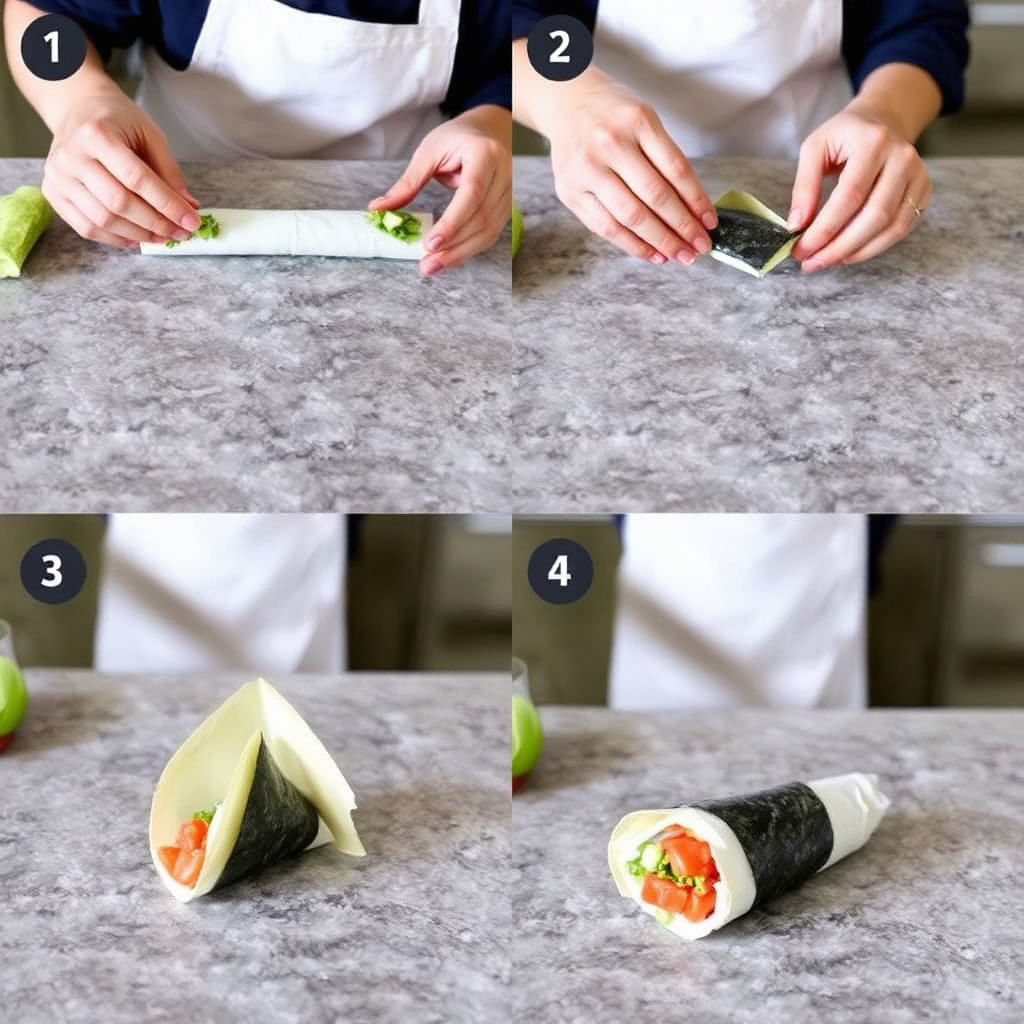
Start by cutting a nori sheet in half or thirds depending on desired temaki size. Place a small amount of rice on one corner, add fillings, and roll the nori into a cone shape by folding diagonally and tucking in the edges securely. Avoid overfilling to prevent tearing.
Hand pressure should be firm but gentle, ensuring ingredients are held together without crushing the rice and fish. With practice, this rolling method allows for efficient temaki preparation suitable for both individual meals and group settings.
Temaki vs Other Sushi Types
Differences in Shape and Presentation
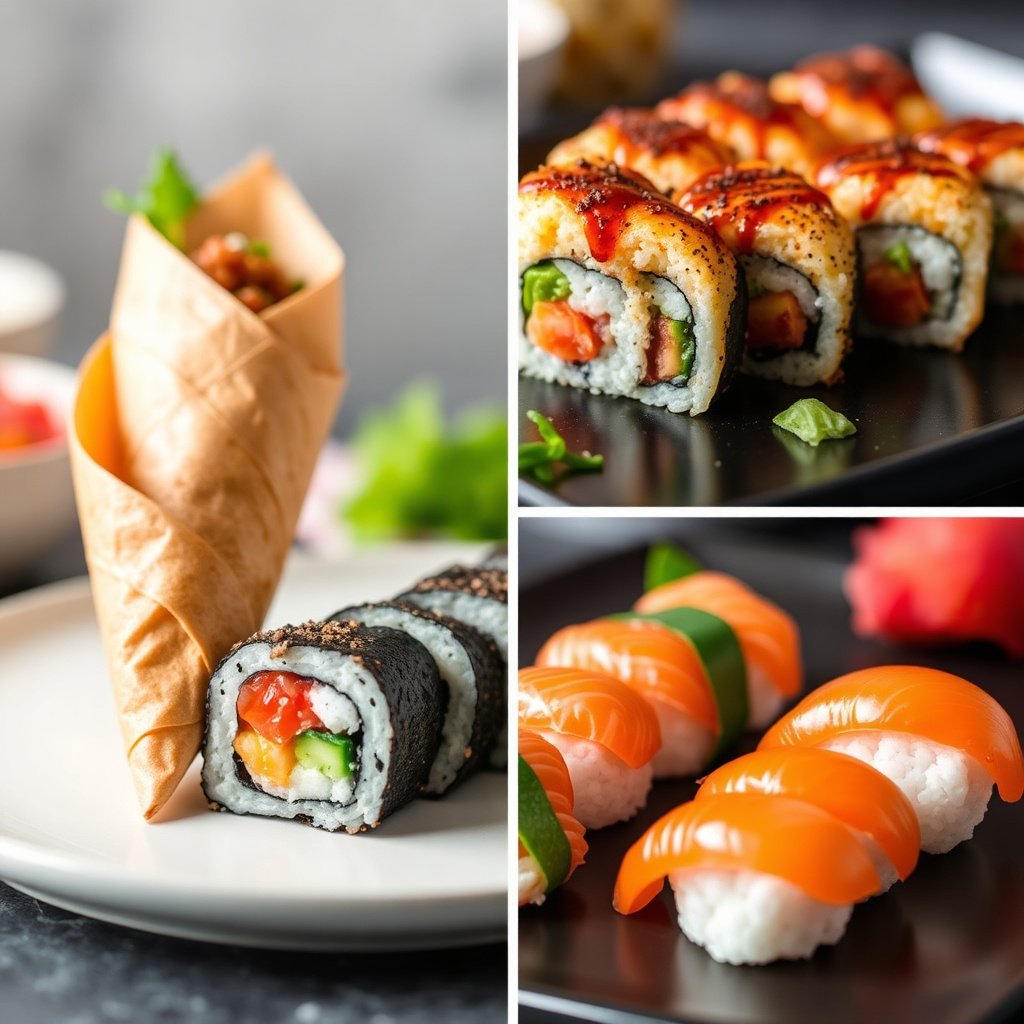
Temaki’s defining feature is its cone shape formed by hand, unlike maki rolls which are cylindrical and sliced into bite-sized pieces. Nigiri sushi consists of fish slices draped over small beds of rice rather than rolled.
This shape makes temaki uniquely portable and often larger per single unit, designed to be eaten immediately to enjoy the crisp seaweed and fresh fillings.
Eating Experience and Serving Style
Temaki encourages a casual, interactive eating style where each cone is enjoyed fresh and often with dipping sauces. Other sushi styles like maki or nigiri tend to be served pre-cut and plated delicately, generally eaten with chopsticks and focusing on presentation.
The hand-rolled sushi cone invites customization at the table and lends well to social meals, while more formal sushi types are usually enjoyed in restaurant settings with careful preparation.
Health and Nutritional Aspects of Temaki

Nutritional Benefits
Temaki typically contains fresh seafood rich in omega-3 fatty acids, lean protein, and vitamins. Seaweed provides iodine and fiber, while vegetables add antioxidants and micronutrients. The relatively low-calorie content makes temaki a nutritious choice within a balanced diet.
Rice provides carbohydrates, but controlling portion size and choosing high-quality ingredients can keep the overall meal healthy without excess calories or fat.
For more on this, see our related guide: What Is Maki? Exploring the Essentials of This Popular Sushi Roll.
Potential Dietary Concerns
Risks include consuming raw fish which may carry parasites or bacteria if not handled properly. Choosing reputable sources for sushi-grade fish and practicing food safety reduces this risk. Sodium content can be elevated due to soy sauce.
People with allergies to seafood or seaweed should avoid temaki or adapt fillings to suit dietary needs. For gluten intolerance, gluten-free soy sauce options should be used.
Serving and Enjoying Temaki

Pairing Temaki with Sauces and Drinks
Soy sauce is the classic dipping companion for temaki, often combined with a dab of wasabi for spice. Ponzu sauce or spicy mayo variations add flavor profiles to enhance the cone’s taste.
Sake, light beers, or green tea complement temaki well by balancing flavors without overpowering the fresh ingredients. Cold beverages also refresh the palate between bites.
- Soy sauce with wasabi
- Ponzu citrus sauce
- Spicy mayonnaise
- Green tea or sake
For a detailed overview of temaki including its place in sushi varieties, see the comprehensive article on Temaki on Wikipedia. Temaki on Wikipedia.
Tips for Serving at Parties or Events
Temaki is ideal for sushi parties since guests can assemble their own cones according to preference, creating a fun and interactive experience. Providing a variety of fillings offers options for both raw fish lovers and vegetarians.
Keep ingredients chilled until serving to maintain freshness. Setting up a temaki station with clear instructions and small plates helps guests enjoy the hand-rolled sushi cone hassle-free.
Temaki vs Other Sushi Types Category Comparison
Here is a concise comparison among temaki and other popular sushi types, highlighting key differences in shape, preparation, and eating style.
| Category | Shape | Preparation Method | Serving Style | Typical Size |
|---|---|---|---|---|
| Temaki | Cone-shaped hand roll | Hand-rolled without mat | Casual, handheld | One large cone |
| Maki | Cylindrical roll | Rolled with bamboo mat, sliced | Plated, eaten with chopsticks | Multiple bite-sized pieces |
| Nigiri | Oval rice base topped with fish | Hand-pressed rice, no rolling | Plated, delicate presentation | Single bite-sized piece |
| Uramaki | Inside-out roll | Rolled with rice on outside | Plated, sliced | Multiple bite-sized pieces |
| Sashimi | Just slices of fish | No rice, sliced raw fish | Plated delicately | Single or multiple slices |
Frequently Asked Questions
Is temaki typically served cooked or raw?
Temaki usually features raw fish such as tuna or salmon; however, cooked ingredients like tempura shrimp or eel can also be used, catering to varied tastes.
Can I make temaki without a bamboo rolling mat?
Yes, temaki is hand-rolled without a mat, making it simpler to prepare than maki sushi. The seaweed is folded manually into a cone shape.
What is the best way to eat temaki?
Temaki is best enjoyed fresh and immediately after rolling to keep the seaweed crisp. It is typically eaten by hand, allowing easy access to the full cone of ingredients.
Are there vegetarian temaki options?
Absolutely. Vegetarian temaki often include fillings like cucumber, avocado, pickled vegetables, and mushrooms, offering a fresh and flavorful alternative to fish.
How should temaki be stored if not eaten right away?
Temaki is best consumed immediately; storing it causes the seaweed to become soggy. If needed, keep ingredients separate and assemble just before serving.
What kind of rice is used for temaki?
Short-grain Japanese sushi rice, seasoned with a mixture of rice vinegar, sugar, and salt, is used to provide the proper sticky texture needed for temaki.
Key Takeaways
- Temaki is a hand-rolled cone-shaped sushi, distinct from sliced rolls.
- It emphasizes fresh ingredients and customizable fillings.
- Ideal for informal meals and interactive dining experiences.
- Making temaki requires no special tools and is accessible at home.
Conclusion
Understanding temaki as a hand-rolled sushi cone helps simplify the broader sushi experience by focusing on its unique shape and informal style. Unlike other sushi types that require slicing and precise preparation, temaki benefits from its casual hand assembly approach. This allows for quick preparation, easy customization, and an inviting presentation that suits both solo meals and group settings alike. Evaluating what temaki offers reveals its role as a bridge between tradition and accessibility in Japanese cuisine.
For those eager to enjoy temaki, selecting fresh sushi-grade ingredients is vital along with high-quality nori and properly flavored vinegared rice. You can experiment with classic raw fish like tuna or salmon or try cooked options such as tempura shrimp for variety. Vegetarian choices like avocado and pickled vegetables demonstrate temaki’s versatility. Whether ordering at a sushi bar or making your own at home, the ease of preparation and flexibility in fillings make temaki an excellent sushi category for everyday enjoyment.
If you want to try making temaki yourself, start with roughly cut nori sheets, prepare sushi rice carefully, and keep fillings simple at first. With minimal equipment and practice, you can create hand-rolled sushi cones tailored to your palate. This hands-on experience also enriches your knowledge of sushi craftsmanship. Exploring temaki opens doors to a wider appreciation of Japanese cuisine’s diversity and convenience, encouraging you to savor it wherever you are.