How to Reheat Sushi Safely and Maintain Freshness
Reheating sushi requires a gentle touch to preserve its delicate texture and taste. The best approach depends on the type of sushi you have—nigiri, sashimi, or rolls with cooked ingredients—and how much you want to warm it without drying it out. Generally, low heat methods that avoid overcooking rice or fish work best.
Many people avoid reheating sushi because raw fish can lose its quality and warmth can alter rice texture. However, when done carefully, you can bring sushi close to its fresh state, especially if it includes cooked items like tempura or grilled eel. This makes leftovers more enjoyable and safer if refrigerated overnight.
This article will explore various techniques for reheating sushi, including microwave tips, stovetop methods, and oven options. It also covers what types of sushi are suitable for reheating and how to handle sushi you shouldn’t reheat for quality and food safety reasons.
Understanding Sushi Types and Their Reheat Suitability

Raw Sushi and Sashimi: Why Reheating Can Be Problematic
Raw fish, as found in sashimi or classic nigiri, is best enjoyed cold or at room temperature. Applying heat can quickly change its texture, making it rubbery or dry, which detracts from the original flavor and mouthfeel. Carrying out a reheating process on sashimi is generally not recommended due to these texture and safety concerns.
Additionally, since raw fish is perishable, warming it improperly increases the risk of bacterial growth. If the sushi was refrigerated promptly after purchase and consumed within 24 hours, eating it cold or at room temperature is preferable over reheating.
Cooked Sushi Rolls and Ingredients That Can Be Heated
Sushi rolls featuring cooked ingredients such as tempura shrimp, grilled eel (unagi), or cooked crab can handle reheating better than raw fish options. Heating can enhance flavors in these items, making them warm and satisfying without compromising safety as much as raw fish.
The rice in cooked rolls can become dry if reheated improperly. Choosing a reheating method that adds moisture or uses indirect heat will help maintain the overall texture balance of these rolls.
Microwave Techniques for Reheating Sushi

Step-by-Step Microwave Method for Cooked Rolls
Place the sushi on a microwave-safe plate and cover it loosely with a damp paper towel to retain moisture. Heat on low power (30-50%) for short bursts of 15-20 seconds to avoid overheating the rice and delicate fillings.
Check the sushi temperature between intervals and stop once it’s sufficiently warm yet not hot. This technique suits rolls with cooked fillings but is not advised for raw fish nigiri or sashimi.
- Use low power settings
- Cover sushi with damp paper towel
- Heat in short bursts
- Avoid heating raw fish
Common Microwave Mistakes to Avoid
Microwaving sushi on high power can cause the rice to become hard and the fish to cook unevenly, resulting in a tough texture. It can also dry out seaweed wrapping, making it brittle.
Another mistake is overheating and warming sashimi or nigiri containing raw fish, which compromises both taste and food safety. Always prefer cold consumption for raw sushi if reheating is necessary.
Using an Oven or Toaster Oven to Reheat Sushi Rolls

Oven Reheating Instructions for Tempura and Grilled Sushi
Preheat the oven or toaster oven to 275°F (135°C) for gentle warming. Arrange sushi pieces on a baking sheet lined with parchment paper to prevent sticking and heat for 5-7 minutes. This approach is excellent for tempura rolls to regain crispiness and for grilled eel rolls to warm evenly.
Be careful not to overheat, as sushi rice can dry out quickly. Check frequently to prevent overheating and maintain softness.
- Set oven low to 275°F
- Use parchment-lined tray
- Heat 5-7 minutes
- Monitor for dryness
For more on this, see our related guide: How to Make Temaki Hand Roll: Step-by-Step Guide for Perfect Sushi Rolls.
Toaster Oven Tips for Small Portions
A toaster oven is ideal for reheating small portions of cooked sushi. Place sushi on foil or a small tray and heat at low temperature with the door slightly open to avoid buildup of steam and sogginess.
This method gently warms cooked sushi rolls but is unsuitable for raw or sashimi-style sushi. It also adds a slight crispness that complements texture in tempura-based sushi.
Stovetop Methods for Reviving Sushi Texture

Steaming Sushi to Retain Moisture
Steaming sushi over simmering water for 1-2 minutes is a gentle way to warm rice without drying it. This method suits cooked sushi rolls and helps soften any hardened rice while keeping fillings warm.
Avoid direct contact with water to prevent sushi from becoming soggy. Use a bamboo steamer or a metal sieve over boiling water, covering sushi loosely with a lid or damp cloth.
- Use bamboo steamer or sieve
- Steam 1-2 minutes
- Keep sushi elevated above water
- Cover with lid or cloth
Pan-Warming for Cooked Sushi Rolls
Heat a non-stick skillet on low heat and place sushi rolls inside to warm slowly. Cover with a lid to distribute heat evenly. This method works best for cooked rolls but should be avoided with raw fish to prevent overcooking.
Add a small amount of water or cover with a damp paper towel to keep moisture. Check frequently and remove sushi once warm.
Best Practices for Storing Sushi Before Reheating

Storing Sushi Safely to Maintain Quality
Sushi should be stored in an airtight container in the refrigerator within two hours of purchase to prevent bacterial growth. Proper storage preserves flavor and texture, making reheating more effective.
Raw fish sushi should be consumed ideally within 24 hours. Cooked sushi with tempura or grilled items can last slightly longer but may lose crispness unless reheated well.
- Use airtight containers
- Refrigerate promptly
- Consume raw sushi within 24 hours
- Label with storage date
For more on this, see our related guide: How to Make Chirashi: A Simple Guide to Preparing Authentic Chirashi Sushi.
Avoiding Cross-Contamination and Food Safety
Keep sushi separate from other strong-smelling foods and avoid repeated reheating as bacteria growth increases with each temperature cycle. Reheat only once for safety.
If sushi shows an off smell, slimy texture, or discoloration, it should be discarded rather than reheated.
Reheating Sushi Rice Separately for Better Results

Warming Sushi Rice to Restore Softness
Reheating sushi rice on its own with a damp cloth over it in the microwave on low power can bring back moisture and softness without overcooking. This technique prevents dry and hard rice when reheating entire sushi pieces.
Once the rice is warm, it can be combined again with fresh fish or cooked toppings for improved texture.
- Cover rice with damp cloth
- Microwave on low power
- Avoid overheating
Re-assembling Sushi After Rice Reheating
Use warm cooked ingredients or fresh fish slices to place over the gently reheated rice for a better sushi experience. This process allows control over each component’s temperature and prevents fish from overcooking.
This approach works best for homemade sushi or when fresh fish is available to complement warmed rice.
How to Know When Not to Reheat Sushi
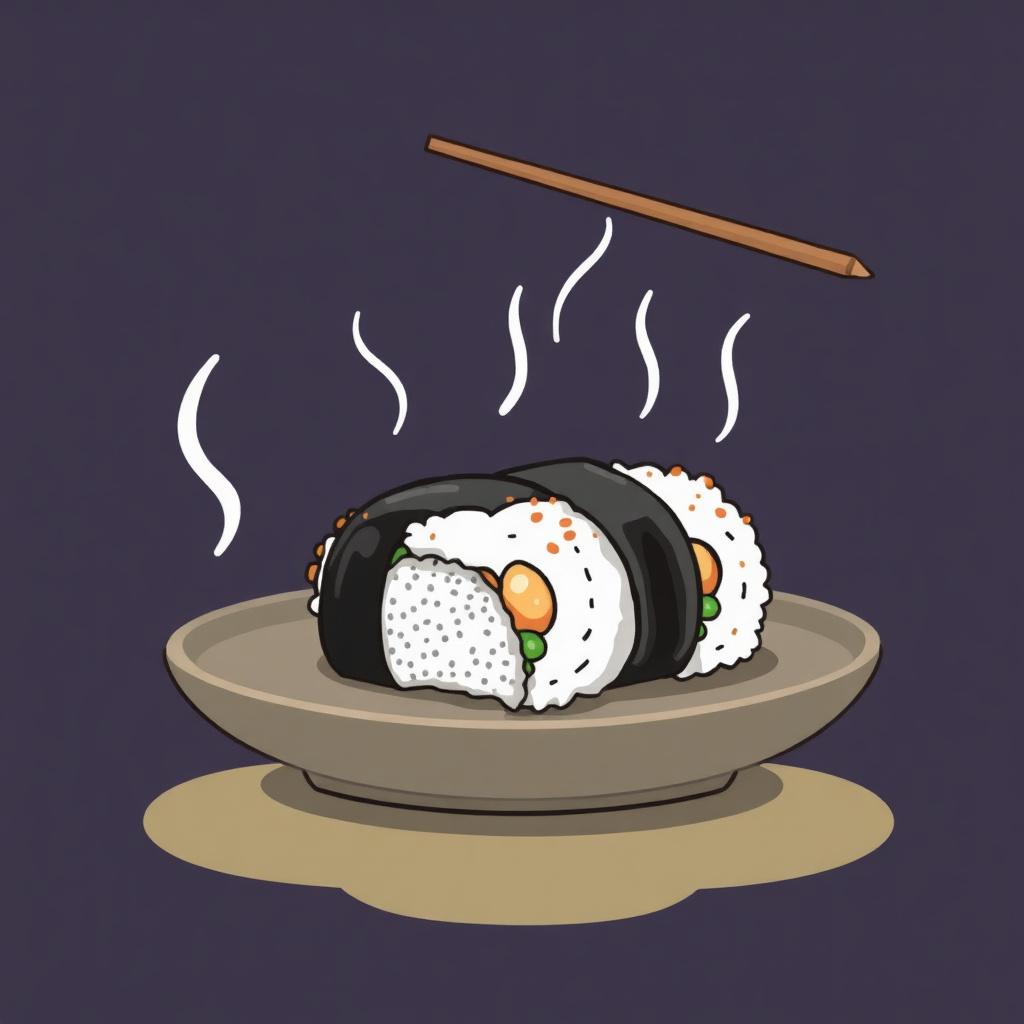
Signs Sushi Should Be Eaten Cold or Discarded
Never reheat sushi that has been left out at room temperature for over two hours, as this is a food safety risk. Also avoid reheating sushi that smells off or appears discolored or slimy.
Fresh tasting raw fish sushi is best consumed cold soon after purchase. If it has been stored properly but is more than a day old, eating cold or discarding is preferable.
For more detailed information on sushi varieties and history, consult the Wikipedia article on sushi. Wikipedia article on Sushi.
When Reheating Could Reduce Safety or Taste
Reheating raw fish sushi drives off moisture and can produce a rubbery texture, negatively affecting taste and enjoyment. It offers no food safety benefit and may increase bacterial risk if temperature control was inadequate.
Cooked sushi and rolls should be reheated once and consumed immediately. Avoid reheating multiple times as flavor, texture, and safety all decline.
Comparison of Sushi Reheating Methods
Here’s a quick comparison of popular sushi reheating methods and their ideal uses, benefits, and drawbacks to help decide which fits your needs.
| Method | Best For | Speed | Effect on Sushi Texture | Ease of Use |
|---|---|---|---|---|
| Microwave | Cooked rolls | Fast (under 2 minutes) | Can dry rice if overdone; moist if covered | Very easy |
| Oven/Toaster Oven | Tempura and grilled sushi | Moderate (5-7 minutes) | Restores crispiness, retains warmth well | Moderate |
| Stovetop Steaming | Cooked rolls | Quick (1-2 minutes) | Retains moisture, softens rice | Moderate |
| Pan Warm-Up | Cooked rolls | Quick (2-4 minutes) | Keeps moisture if covered | Easy |
| No Reheat (Cold) | Raw fish sushi | N/A | Preserves original texture | N/A |
Frequently Asked Questions
Can you reheat raw fish sushi safely?
Reheating raw fish sushi is generally not recommended as it can alter taste, texture, and may increase food safety risks. It's better to eat raw sushi cold or at room temperature within 24 hours of purchase.
What is the best way to reheat tempura sushi rolls?
The best way to reheat tempura sushi rolls is using a toaster oven or conventional oven at low heat (around 275°F) to restore crispiness without drying out the rice or fillings.
How do you prevent sushi rice from drying out when reheating?
Cover the sushi with a damp paper towel or steam it gently to keep moisture in the rice during reheating. This prevents it from becoming hard or dry.
Is it safe to reheat sushi multiple times?
Reheating sushi multiple times is unsafe and not recommended due to the increased risk of bacterial growth and deterioration in taste and texture. Reheat only once and consume promptly.
Can sushi be stored in the refrigerator before reheating?
Yes, store sushi in airtight containers in the fridge within two hours of purchase. Raw fish sushi should be eaten within 24 hours, while cooked sushi can last a bit longer.
Key Takeaways
- Raw fish sushi is best eaten cold and should not be reheated.
- Cooked sushi rolls with tempura or grilled fillings can be gently reheated.
- Use low heat methods like microwave on low, oven, or steaming to avoid drying rice.
- Store sushi properly and reheat only once for safety and quality.
Conclusion
Choosing the right technique to reheat sushi depends heavily on the type you have. Raw fish sushi is highly sensitive and is best enjoyed without reheating, while sushi rolls featuring cooked ingredients, like tempura shrimp or grilled eel, can handle gentle warming. Understanding these distinctions helps avoid common mistakes such as overheating that ruins texture or risks food safety. By considering ingredient types and storage, you can bring leftover sushi back to life thoughtfully.
If you have cooked sushi rolls, reheating with a microwave on low power covered with a damp towel or using a toaster oven at low temperatures works well to revive warmth and texture. Steaming and gentle pan-warming are also excellent options to maintain moisture and enhance enjoyment. Avoid reheating raw fish sushi; instead, consume it cold soon after purchase for optimal freshness and safety. Proper storage in airtight containers cooled promptly also plays a key role in making reheating effective and safe.
When reheating sushi, focus on gradual warming and moisture retention. Always reheat once and eat immediately to prevent bacterial growth. If in doubt about sushi freshness or safety, choosing to eat it cold or discarding it is safer than risking foodborne illness. With these guidelines, you’ll better enjoy sushi leftovers without losing taste, texture, or safety.


2 Comments