What is Egg Foo Young? A Complete Guide to This Classic Chinese Omelette
Egg foo young is a Chinese-style omelette made by combining beaten eggs with vegetables, meats, or seafood, then frying the mixture until golden brown and serving it topped with savory gravy. Unlike Western omelettes, it often includes a wider variety of fillings like bean sprouts, water chestnuts, and mushrooms, providing a hearty and flavorful dish.
This dish emerged as a staple in Chinese-American cuisine and has been adapted in many regions to suit local tastes. It’s valued for its versatility, allowing for a range of ingredients, textures, and flavor combinations. Egg foo young can be served as a standalone entree or paired with rice and other dishes, making it a popular choice in Chinese restaurants and home cooking.
In this guide, we’ll explore what egg foo young consists of, detail typical ingredients and common variations, explain how it’s prepared, and offer advice on enjoying this classic dish both in restaurants and at home.
Understanding Egg Foo Young: Key Ingredients and Origins

Typical Ingredients in Egg Foo Young
Egg foo young typically contains beaten eggs mixed with a variety of fillings such as bean sprouts, onions, mushrooms, and sometimes meats like pork, chicken, or shrimp. Water chestnuts and bamboo shoots are often added for crunch.
Seasonings including soy sauce and oyster sauce usually add depth to the flavor. The mixture is then pan-fried in oil, creating a fluffy, golden omelette with a crispy exterior.
- Beaten eggs
- Bean sprouts
- Onions and scallions
- Mushrooms
- Meat or seafood options
- Soy sauce and oyster sauce
Historical Background and Regional Variations
Egg foo young has roots in traditional Cantonese cooking, originating in China as a type of egg dish folded with various ingredients. It gained popularity in the United States and adapted to incorporate local tastes, often becoming less saucy and more omelette-like.
In some Southeast Asian countries, like Malaysia and Singapore, it appears with unique twists, including different meat fillings or thicker gravy, showing its adaptability across cultures.
How Egg Foo Young is Prepared

Mixing and Cooking the Omelette
Preparation starts by whisking eggs with a choice of chopped vegetables and proteins. The mixture needs to be well combined to create an even texture. Then it’s poured into a hot oiled pan.
Cooking involves frying over medium heat until the edges are crisp and the inside is fully set but still moist. Timing is key to keeping the fluffy texture without overcooking.
- Whisk eggs thoroughly
- Add diced vegetables and meats
- Cook on medium heat
- Flip carefully for even cooking
Making the Signature Gravy
The rich gravy served over egg foo young is usually made from broth, soy sauce, and cornstarch, thickened to a smooth consistency. This sauce complements the omelette with a savory, slightly sweet layer.
Some recipes add mushrooms, green onions, or a dash of sesame oil to boost flavor depth.
- Use chicken or vegetable broth
- Thicken with cornstarch slurry
- Season with soy sauce
- Optional mushroom or sesame oil additions
Common Variations of Egg Foo Young
Protein Variations
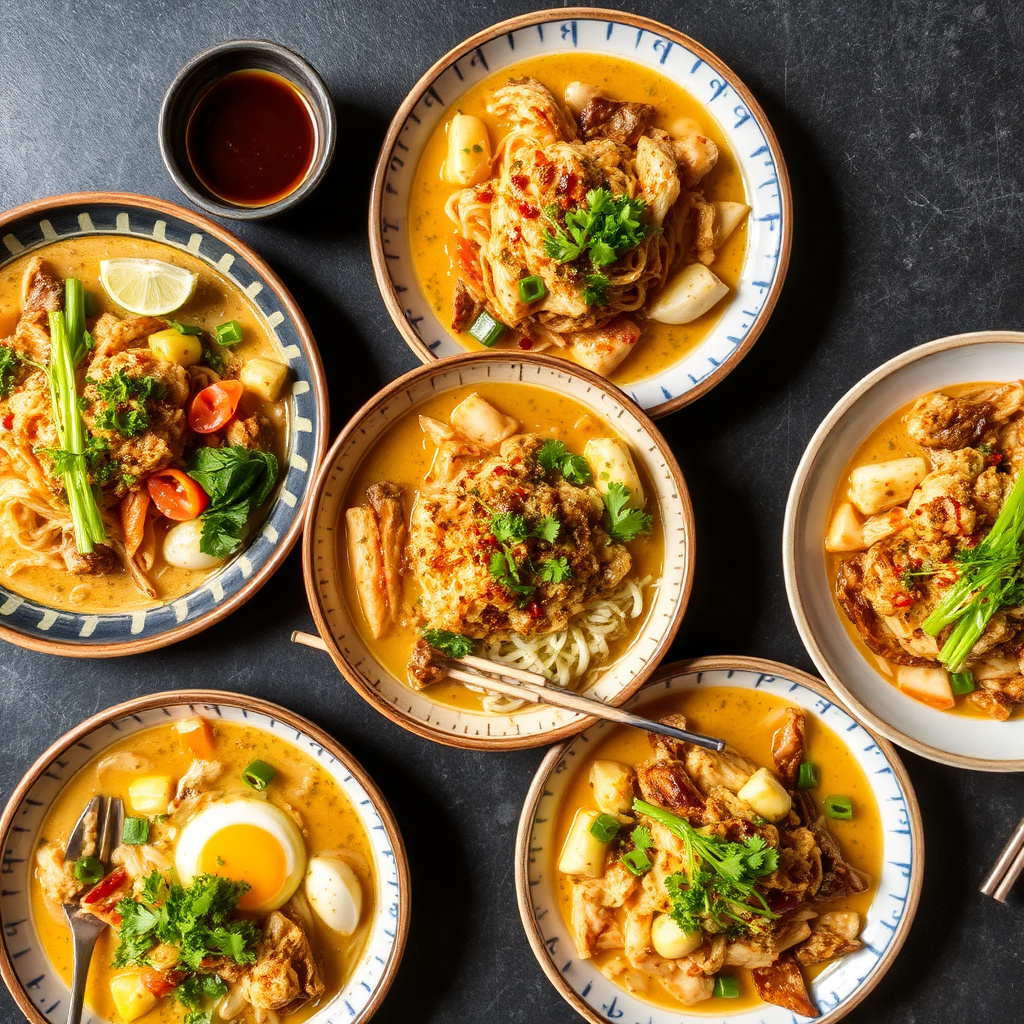
Chicken, pork, shrimp, beef, and even tofu are commonly used proteins in egg foo young, each lending distinct tastes and textures. Seafood versions tend to be lighter, while pork or beef adds a robust flavor.
Vegetarian versions rely on mushrooms and crunchy vegetables to maintain heartiness without meat.
- Shrimp egg foo young
- Chicken egg foo young
- Vegetarian with mushrooms and veggies
Regional and Dietary Adaptations
Some adaptations reduce or eliminate the gravy for a dryer omelette experience, while others incorporate more spices to suit local palates. Low-sodium or gluten-free versions often substitute soy sauce with tamari or coconut aminos.
Health-conscious cooks might bake instead of fry to cut down on oil usage.
- Gluten-free egg foo young
- Baked omelette alternative
- Spicy versions with chili
Serving Suggestions and Pairings

Traditional Sides for Egg Foo Young
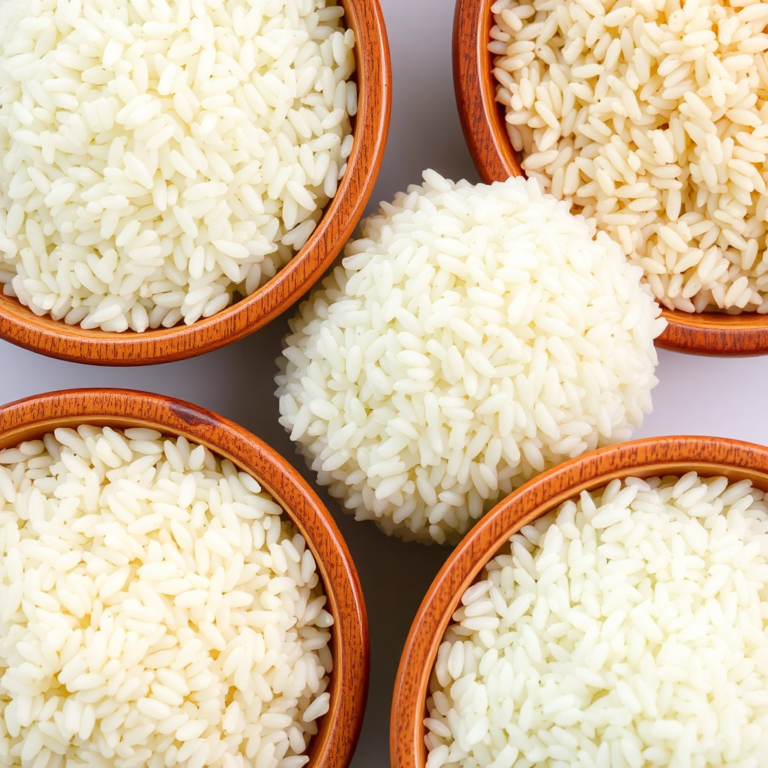
Egg foo young usually pairs well with steamed white rice or fried rice, which balances the savory gravy and veg-filled omelette. Sometimes, it’s served alongside stir-fried vegetables or soup.
Pickled vegetables can also enhance the meal by adding a contrasting tangy flavor.
- Steamed white rice
- Fried rice
- Pickled vegetables
- Stir-fried greens
Drinks and Accompaniments
Light teas such as jasmine or green tea complement the dish well, cleansing the palate amidst the rich gravy. For a fusion twist, some enjoy it with light beers or sparkling water with lime.
Avoid overly sweet beverages which can overpower the delicate savory flavors.
- Jasmine tea
- Green tea
- Light beer
- Sparkling water with citrus
Tips for Making Egg Foo Young at Home

Ingredient Selection and Preparation
Fresh, crisp vegetables such as bean sprouts and water chestnuts make the omelette delightful. Meat should be pre-cooked or finely diced for even cooking. Beating eggs thoroughly helps create a consistent fluffiness.
Avoid overstuffing the mixture to keep the omelette from falling apart during cooking.
- Use fresh veggies
- Pre-cook meats if needed
- Beat eggs well
- Don’t overfill the mixture
For more detailed information on the history and variations of egg foo young, see the article on Egg foo young on Wikipedia. Egg foo young on Wikipedia.
Cooking Techniques for Perfect Texture
Maintain medium heat to prevent burning while allowing the omelette to cook through. Using a non-stick or well-seasoned pan reduces sticking. Flipping carefully ensures even golden crust on both sides.
Adding a bit of oil each time you cook a portion prevents drying and adds flavor.
- Cook on medium heat
- Use non-stick pan
- Flip carefully
- Add oil as needed
Comparison of Egg Foo Young Types
Here’s a comparison of popular egg foo young varieties highlighting ingredients, texture, and serving style differences.
| Type | Key Ingredients | Texture | Typical Serving |
|---|---|---|---|
| Shrimp Egg Foo Young | Eggs, shrimp, bean sprouts, onions | Fluffy, soft with slight chewiness | With mushroom gravy and rice |
| Chicken Egg Foo Young | Eggs, diced chicken, water chestnuts | Firm yet tender | Savory soy-based gravy, steamed rice |
| Vegetarian Egg Foo Young | Eggs, mushrooms, bean sprouts, veggies | Light and fluffy | Lighter soy gravy, vegetable sides |
| Beef Egg Foo Young | Eggs, ground beef, onions | Dense and hearty | Rich gravy, fried rice |
| Gluten-Free Egg Foo Young | Eggs, selected veggies, tamari sauce | Soft without sogginess | Specialized gluten-free gravy, plain rice |
Frequently Asked Questions
Is egg foo young gluten-free?
Traditional egg foo young often contains soy sauce, which has gluten. However, gluten-free versions use tamari or coconut aminos to replace soy sauce, making the dish safe for those avoiding gluten.
Can I make egg foo young without meat?
Yes, vegetarian versions using mushrooms, bean sprouts, and other vegetables are popular and maintain a satisfying texture and flavor without meat.
What kind of gravy is served on egg foo young?
Typically, a thick savory gravy made from broth, soy sauce, and cornstarch is poured over egg foo young to add moisture and rich flavor.
How long does egg foo young take to cook?
Cooking each omelette takes about 3 to 5 minutes on medium heat, depending on size and stovetop temperature.
Is egg foo young originally from China?
Egg foo young originated in Cantonese cuisine but became especially popular in Chinese-American food culture with many regional adaptations.
Key Takeaways
- Egg foo young is a Chinese-style omelette with diverse fillings and savory gravy.
- It originates from Cantonese cuisine but varies by region and dietary preferences.
- Preparation involves mixing beaten eggs with vegetables and proteins, then pan-frying.
- Variations include meat, seafood, vegetarian versions, and gluten-free options.
Conclusion
Choosing or making egg foo young involves appreciating its adaptable nature and understanding the balance between eggs, fillings, and gravy. It’s a dish that embraces many ingredients, letting cooks and diners customize flavors to preference. Knowing the basics of its origins and traditional preparations helps in recognizing authentic versions and experimenting at home.
For those wanting a classic experience, shrimp or chicken egg foo young with traditional mushroom gravy remains a beloved choice, especially when enjoyed alongside steamed white rice. Vegetarians can find satisfying flavor through mushroom or mixed vegetables, while people with dietary restrictions can try gluten-free variants using tamari-based sauces.
Starting with a simple recipe and fresh ingredients is the best way to master egg foo young at home. Experimenting with different proteins and vegetables lets you tailor the dish to your taste. Ordering it at a reputable Chinese restaurant can also give a reference point for texture and flavor, guiding your cooking efforts.



One Comment