How to Make Chow Fun: A Step-by-Step Guide to Perfect Cantonese Rice Noodles
Making chow fun at home begins with selecting the right flat rice noodles and stir-frying them quickly over high heat to achieve the signature slightly smoky flavors and tender texture. The process requires preparing fresh or pre-packaged chow fun noodles, a flavorful protein like beef or chicken, and creating a simple yet balanced sauce for the perfect dish.
Chow fun is beloved in Cantonese cuisine for its chewy rice noodles and rich, savory taste, often complemented by juicy slices of meat and crisp vegetables. Mastering this stir-fry not only satisfies cravings but also allows you to tailor the ingredients to your preference while controlling freshness and seasoning.
In this guide, we’ll cover preparing the noodles, choosing proteins and vegetables, creating authentic sauces, mastering the stir-fry technique, and avoiding common pitfalls. Whether you want to make classic beef chow fun or a vegetarian version, these detailed instructions will help you cook chow fun with restaurant-quality results.
Selecting and Preparing Chow Fun Noodles

Types of Chow Fun Noodles
Fresh chow fun noodles are broad, flat rice noodles that are soft, pliable, and ideal for stir-frying. If fresh noodles are unavailable, dried chow fun noodles can be soaked or boiled before cooking, but care should be taken to not over-soak or fry to prevent breakage.
Fresh noodles retain a tender, chewy texture, while dried ones require extra preparation time to rehydrate properly. Using fresh noodles whenever possible leads to a better final dish.
- Fresh flat rice noodles
- Dried flat rice noodles
- Pre-soaked or boiled varieties
Preparing Noodles for Stir-Fry
If using dried noodles, soak them in warm water for about 30 minutes or boil briefly until pliable but not mushy. Drain and toss with a little oil to prevent sticking during stir-fry.
Fresh noodles usually require no soaking but may benefit from gentle loosening by hand before adding to the wok to avoid clumping.
- Soak or boil dried noodles
- Drain thoroughly
- Toss with cooking oil
Choosing Proteins and Vegetables for Chow Fun

Best Protein Options
Beef is the classic protein for chow fun, chosen for its rich flavor and tender texture when thinly sliced. Alternatives like chicken, shrimp, or tofu work well for different tastes.
Marinating beef with soy sauce, oyster sauce, and a bit of cornstarch ensures tender, flavorful meat that complements the noodles perfectly.
- Flank or sirloin steak
- Chicken breast or thigh
- Shrimp
- Firm tofu
For more on this, see our related guide: How to Make Chow Mein: Easy Steps for Delicious Homemade Chow Mein.
Vegetables to Include
Traditional chow fun includes vegetables like bean sprouts, green onions, and sometimes bok choy or bell peppers for crunch and freshness.
Adding vegetables not only brightens the dish's colors but also introduces textural contrasts that balance the soft noodles and tender meat.
- Bean sprouts
- Green onions
- Bok choy
- Bell peppers
Crafting the Signature Sauce for Chow Fun
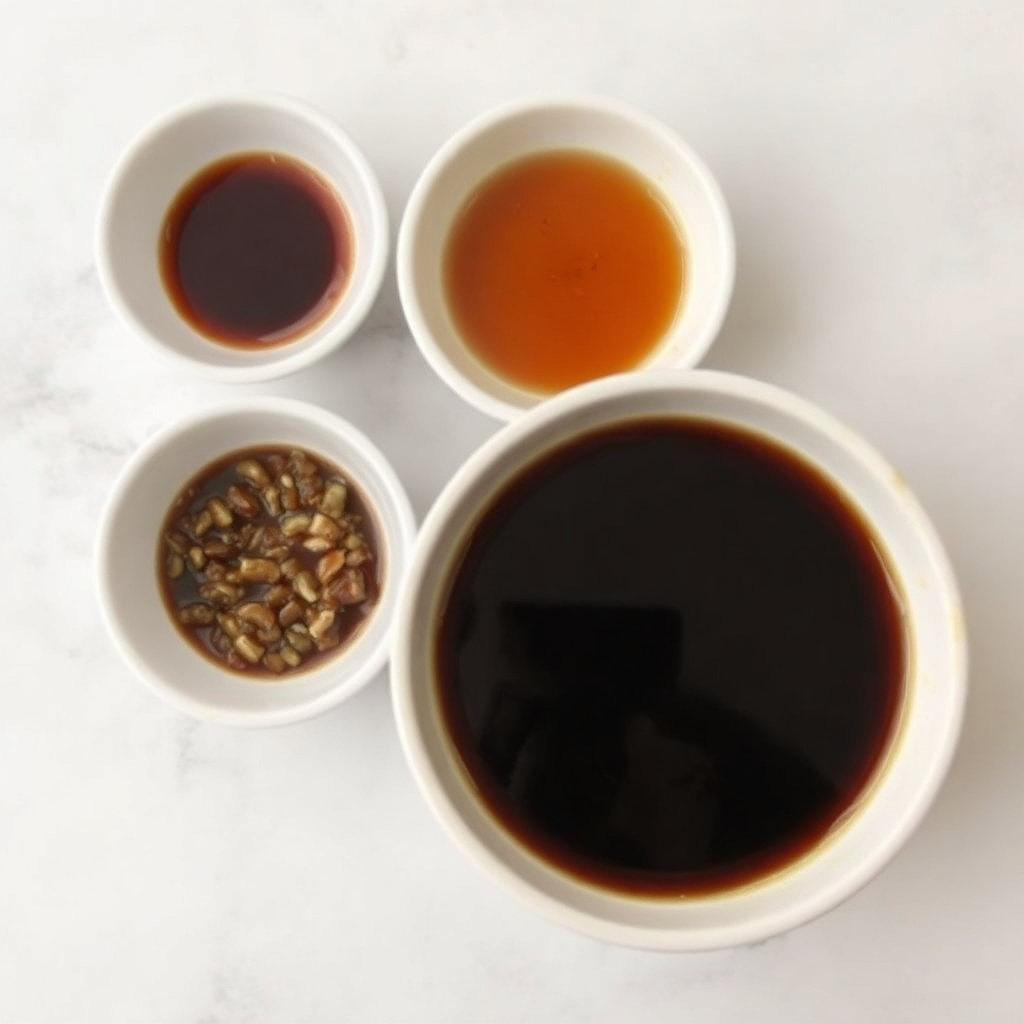
Core Sauce Ingredients
A simple yet well-balanced sauce usually consists of light soy sauce, dark soy sauce, oyster sauce, and a little sugar to round out the flavors.
This combination delivers sweetness, saltiness, and umami, creating the savory base that coats the noodles and ingredients.
- Light soy sauce
- Dark soy sauce
- Oyster sauce
- Sugar
Adjusting Sauce for Taste Preferences
You can adjust the saltiness by tweaking the soy sauce amounts or add chili paste for heat. Some cooks add a touch of sesame oil for fragrance just before serving.
Testing the sauce before combining with the stir-fry helps to achieve the perfect balance suited to your palate.
- Add chili paste for spice
- Use sesame oil for aroma
- Balance sweetness and saltiness
Mastering the Stir-Fry Technique for Chow Fun

Achieving the Wok Hei Flavor
Wok hei is the breath of the wok, a slightly smoky taste from cooking over very high heat with quick, constant stirring. It's vital for authentic chow fun.
To get wok hei, preheat the wok until nearly smoking, use high-smoke point oil, and keep ingredients moving rapidly in the wok.
- High heat preheating
- Use peanut or vegetable oil
- Stir ingredients constantly
For more on this, see our related guide: How to Make Yang Chow Fried Rice: A Step-by-Step Authentic Recipe.
Preventing Noodle Clumping and Overcooking
Add noodles at the end of cooking to reduce breakage and clumping. Toss gently and use a spatula to separate noodles during cooking.
Avoid overcooking by stir-frying only a few minutes; noodles should still have a tender chewiness without becoming mushy.
- Toss noodles with oil before cooking
- Cook quickly on high heat
- Use spatula to separate noodles
Serving and Variations for Chow Fun

Classic Presentation Tips
Serve chow fun hot immediately after stir-frying to preserve texture. Garnish with fresh green onions or cilantro for freshness and color.
Providing condiments like chili oil or soy sauce on the side allows diners to customize their taste.
- Serve immediately
- Garnish with green onions
- Offer chili oil on the side
For further reading on the origins and variations of chow fun, you can explore this detailed overview of beef chow fun in Cantonese cuisine. Cantonese cuisine and chow fun details.
Popular Chow Fun Variations
Vegetarian chow fun uses mushrooms and tofu instead of meat, while seafood versions include shrimp or scallops.
Adding different vegetables or switching proteins can create new flavor profiles while maintaining the dish's foundation.
- Vegetarian with mushrooms and tofu
- Seafood chow fun
- Chicken chow fun
Chow Fun Protein Options Comparison
Here is a breakdown of popular proteins used in chow fun, highlighting flavor, cooking time, and suggested pairings.
| Protein | Flavor Profile | Cooking Time | Best Pairings |
|---|---|---|---|
| Beef | Rich, savory, hearty | 2-3 minutes | Soy sauce, oyster sauce, green onions |
| Chicken | Mild, tender | 3-4 minutes | Garlic, light soy sauce, bell peppers |
| Shrimp | Sweet, briny | 2 minutes | Ginger, chili paste, bean sprouts |
| Tofu | Neutral, soft | 2-3 minutes | Mushrooms, sesame oil, soy sauce |
Frequently Asked Questions
Can I use regular rice noodles instead of chow fun noodles?
Regular rice noodles can work but might differ in thickness and texture. Chow fun noodles are wider and flatter, which helps them absorb sauce better and hold up during stir-frying.
How do I prevent chow fun noodles from breaking while cooking?
Handle noodles gently, avoid over-soaking, use high heat, and stir quickly. Tossing them with a bit of oil before cooking also reduces sticking and tearing.
Is it better to use fresh or dried chow fun noodles?
Fresh chow fun noodles provide a tender and chewy texture preferred in authentic dishes, but dried noodles can be used if properly soaked or boiled beforehand.
What type of oil is best for stir-frying chow fun?
Oils with high smoke points like peanut or vegetable oil are ideal for stir-frying chow fun to handle the high heat without smoking.
Can I make chow fun vegetarian?
Yes, substituting meat with tofu and mushrooms along with vegetables can make a delicious vegetarian chow fun without losing essential flavors.
Key Takeaways
- Fresh chow fun noodles yield best texture but dried noodles work when rehydrated properly.
- Thinly sliced, marinated beef is the classic protein in chow fun.
- High heat and quick stir-frying create authentic wok hei flavor.
- A simple soy and oyster sauce blend enhances the dish's umami.
Conclusion
Choosing how to make chow fun comes down to balancing noodle quality, protein choice, sauce composition, and stir-fry technique. Prioritizing fresh chow fun noodles and cooking them over high heat will give your dish the chewy texture and subtle smoky notes that define this Cantonese favorite. Equally important is preparing your protein properly and balancing seasoning sauce flavors to complement all ingredients harmoniously.
For those aiming for classic beef chow fun, using flank steak marinated in a mixture of soy sauce and cornstarch is effective for tenderness and flavor. Vegetable-heavy or seafood variations allow flexibility, catering to dietary preferences while maintaining the essential chow fun elements. Small adjustments to sauce ratios or additional aromatics like ginger or chili also personalize the dish to individual tastes.
Once comfortable with basics, experimenting with proteins and vegetables can elevate your chow fun repertoire. Whether you stick to the traditional beef version or try chicken or tofu combinations, the key is quick, high-heat stir-frying and a balanced sauce. Next time you plan a homemade stir-fry, consider making chow fun to enjoy an authentic Cantonese taste in your own kitchen.




One Comment