Exploring Different Types of Tofu: Which One Suits Your Cooking Best?
Tofu comes in several distinct types, each suited to different cooking methods and dishes. The main types include silken tofu, soft tofu, firm tofu, extra-firm tofu, and smoked tofu. Knowing these variations helps you pick the right tofu for your culinary needs.
The type of tofu you choose influences texture and flavor absorption, affecting the final dish significantly. Silken tofu, for instance, works well in smoothies and desserts due to its creamy texture, whereas firm varieties are ideal for stir-fries and grilling.
This article will walk you through the primary types of tofu, detailing their textures, typical uses, and cooking tips. You'll also find comparisons and FAQs to guide your selection and cooking process.
Understanding Silken and Soft Tofu
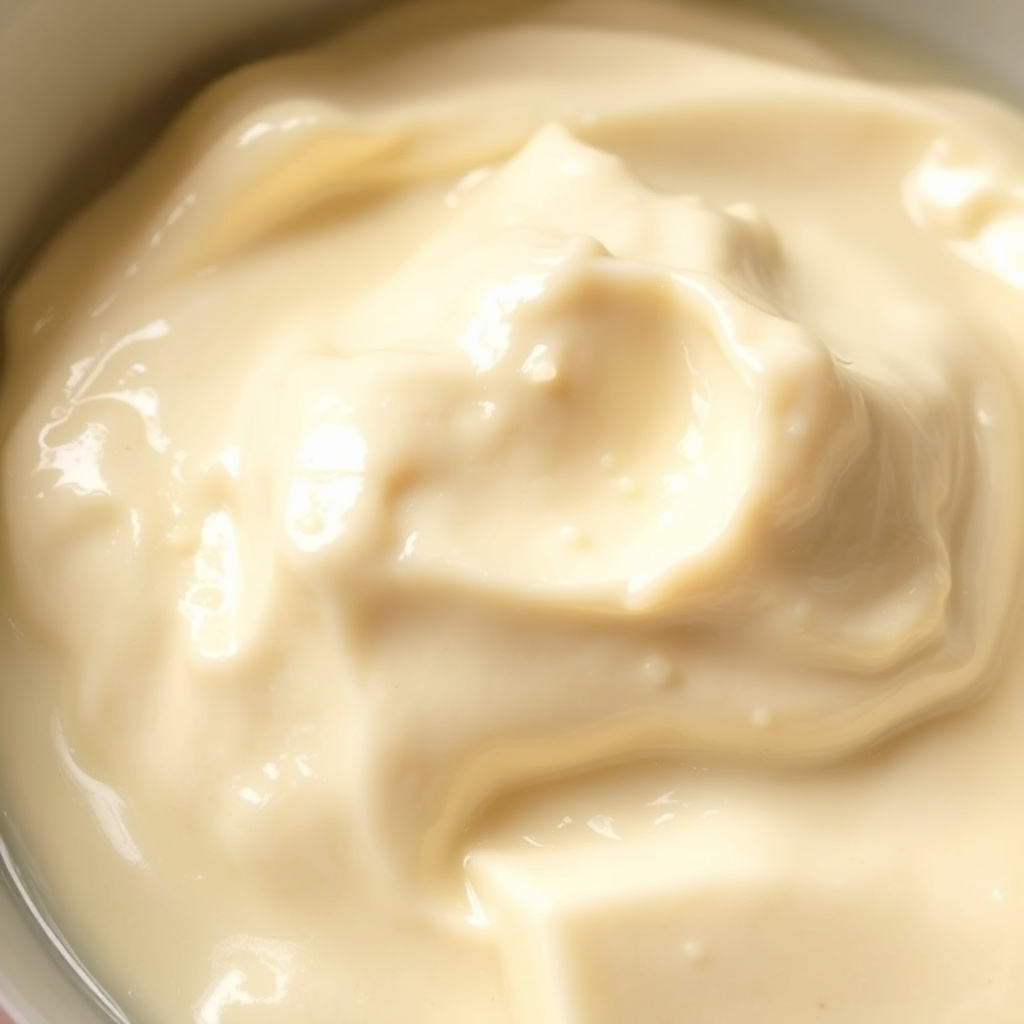
Silken Tofu Characteristics and Uses
Silken tofu is characterized by its smooth, custard-like consistency with very high moisture content. It is made by coagulating soy milk without curdling, resulting in a delicate texture that dissolves easily in liquids.
This type of tofu is excellent in recipes where a creamy texture is desired, such as smoothies, sauces, desserts, and soups. It is not suitable for frying or grilling due to its fragile nature.
Soft Tofu and Its Culinary Role
Soft tofu has a slightly firmer texture than silken but remains moist and tender. It holds its shape better in cooking, making it ideal for gentle simmering and blending into dressings or dips.
Unlike silken tofu, soft tofu can be gently cooked in soups or stews, where it absorbs flavors but does not break apart as quickly.
Firm and Extra-Firm Tofu: Versatile Cooking Staples

Characteristics of Firm Tofu
Firm tofu contains less water than silken and soft varieties, giving it a denser texture that holds together well during cooking. It can be sliced, cubed, or crumbled for various recipes.
Commonly used in stir-fries, baking, and grilling, firm tofu absorbs marinades efficiently and crisps nicely when pan-fried.
Extra-Firm Tofu for Robust Dishes
Extra-firm tofu has the lowest moisture content, making it the densest and starchiest variety. This tofu holds its shape excellently under high-heat cooking methods.
It is preferred for grilling, roasting, and frying when a chewy, meaty texture is desired. It also serves well as a meat substitute in various dishes.
Specialty Tofu Varieties: Smoked and Flavored Options
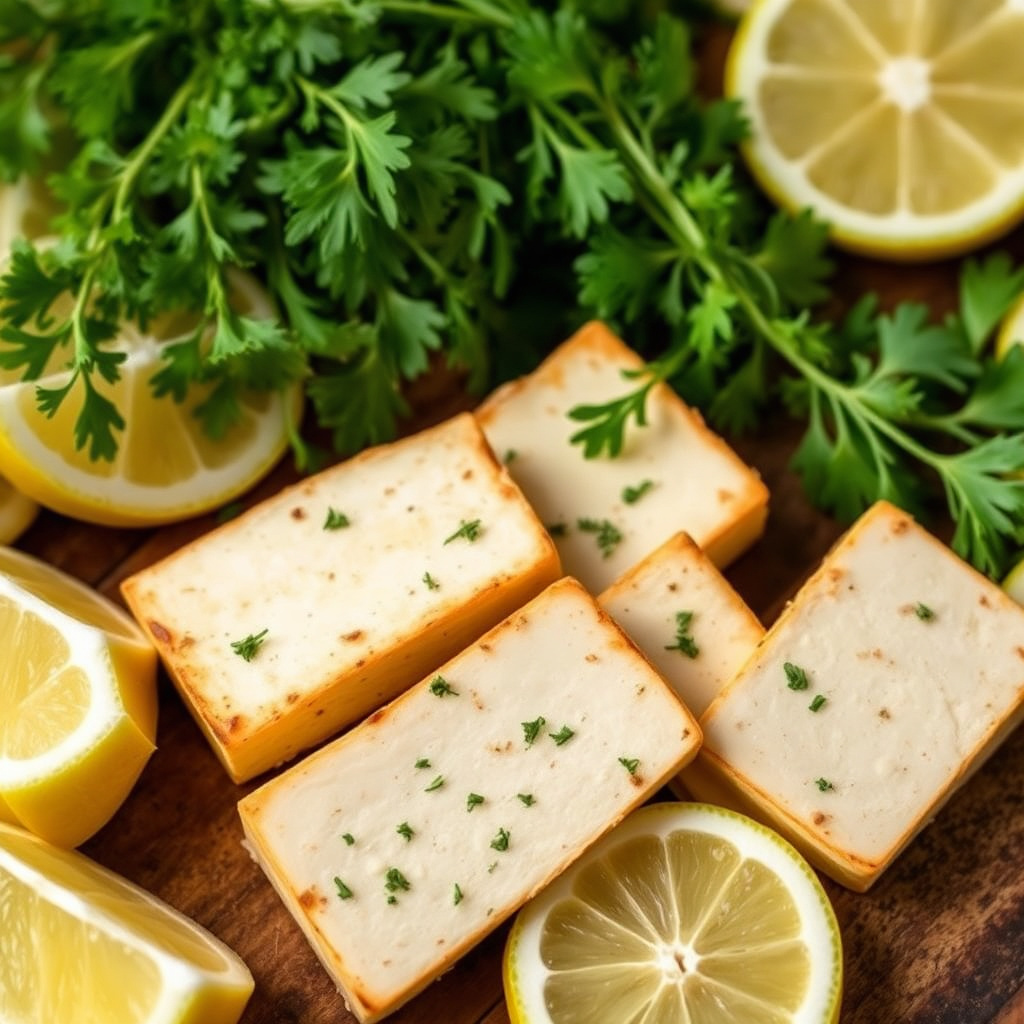
Exploring Smoked Tofu
Smoked tofu is typically firm or extra-firm tofu that has been infused with smoky flavors through cold or hot smoking. This imparts a savory, robust taste that enhances many dishes.
It's versatile in sandwiches, salads, and as a protein-rich topping or side. The smoky flavor can complement both Western and Asian recipes.
For more on this, see our related guide: Exploring the Different Types of Dumplings Around the World.
Flavored Tofu Varieties
Flavored tofus come marinated or infused with herbs, spices, or sauces. These specialty products save time by adding seasoning directly to the tofu.
Common variations include teriyaki, curry, or garlic-infused tofu. They work well in quick meals where additional marination isn't feasible.
Tofu Texture and Water Content Explained

How Water Content Affects Texture
Tofu's firmness correlates inversely with its water content: the more water, the softer the texture. Silken tofu has the most water; extra-firm has the least.
This difference impacts cooking methods and recipe suitability, with softer tofus blending smoothly and firmer tofus suited for frying or grilling.
Pressing Tofu to Modify Firmness
Pressing tofu removes excess water, making it firmer and better at absorbing marinades. This process is often used with firm and extra-firm tofu.
Home pressing involves wrapping tofu in a towel and applying weight for 20-30 minutes, which improves texture for browning and grilling.
- Use a tofu press or heavy books
- Remove soaked towels and replace if needed
- Press before marinating for best results
Cooking Techniques Appropriate for Each Tofu Type

Best Ways to Cook Silken and Soft Tofu
Silken tofu suits recipes requiring blending, such as smoothies, dressings, or creamy desserts. It also blends into soups for a velvety texture without noticeable pieces.
Soft tofu holds well in gentle simmering dishes or braises, absorbing flavors while maintaining enough shape to be distinguished in the dish.
- Use in pureed sauces
- Blend for dairy-free desserts
- Add to miso soup or hot pots
For more on this, see our related guide: Exploring the Most Popular Types of Chinese Food Across Regions.
Cooking Firm and Extra-Firm Tofu for Crispiness
Firmer tofus lend themselves to high-heat cooking methods like pan-frying, baking, and grilling where a crisp exterior is desirable.
Cut your tofu into uniform pieces and marinate beforehand to enhance flavor absorption and caramelization.
- Press tofu before cooking
- Use non-stick or cast iron pans
- Flip carefully to brown evenly
Selecting the Best Tofu for Your Dish

Matching Tofu Type to Recipe Requirements
Consider the texture and cooking method your dish requires when selecting tofu. Softer types are best for creamy and blended dishes, while firm varieties excel in frying or grilling.
Marination and pressing can further adapt firm tofu for specific recipes, improving flavor and texture.
For a detailed overview of tofu's history and production, check out Tofu on Wikipedia. Tofu on Wikipedia.
Buying and Storing Tofu for Freshness
Choose tofu with minimal processing and check expiration dates for freshness. Store tofu in water in a sealed container, changing water daily if not used immediately.
Frozen tofu offers a chewier texture after thawing and can be an alternative for certain recipes.
- Keep tofu refrigerated
- Use within a week after opening
- Freeze for texture change and longevity
Types of Tofu Category Comparison
This table highlights key features and best culinary uses for popular tofu categories to guide your selection.
| Type | Texture | Water Content | Best Cooking Methods | Typical Uses |
|---|---|---|---|---|
| Silken Tofu | Very soft, custard-like | Highest | Blending, simmering | Smoothies, desserts, sauces |
| Soft Tofu | Tender but holds shape | High | Simmering, gentle cooking | Soups, dips, braises |
| Firm Tofu | Dense, holds shape well | Moderate | Frying, baking, stir-frying | Stir-fries, grills, sandwiches |
| Extra-Firm Tofu | Very dense, chewy | Lowest | Grilling, roasting, frying | Meat substitute, hearty dishes |
| Smoked Tofu | Firm to extra-firm, smoky | Low | Cold or hot serving, cooking | Salads, sandwiches, flavor enhancer |
Frequently Asked Questions
What is the difference between silken and firm tofu?
Silken tofu has a much softer, custard-like texture with high water content, ideal for blending or creamy dishes. Firm tofu contains less water, holds its shape well, and is suitable for frying or grilling.
Can I substitute silken tofu for firm tofu in recipes?
Substituting silken tofu for firm tofu is generally not recommended as silken tofu is too soft to hold shape for frying or grilling and will alter the texture of the dish.
How do I store tofu to keep it fresh longer?
Store unopened tofu in the refrigerator. Once opened, keep tofu submerged in clean water in an airtight container, changing water daily. Alternatively, freeze tofu for longer storage and a different texture.
Is pressed tofu better for cooking?
Pressing tofu removes excess moisture, making it firmer and better at absorbing marinades. Pressed tofu crisps up more during cooking, making it ideal for frying or grilling.
What type of tofu is best for smoothies?
Silken tofu is best for smoothies due to its smooth texture and high moisture, which blends easily and adds creaminess without altering flavor.
Key Takeaways
- Silken tofu is best for creamy, blended dishes due to its soft texture.
- Firm and extra-firm tofu hold shape well for frying, grilling, and roasting.
- Pressing tofu improves texture and marinade absorption for cooking.
- Smoked and flavored tofu offer ready-to-use savory options.
Conclusion
Selecting the right type of tofu depends largely on the texture you want and the cooking method you plan to use. Silken and soft tofus work wonderfully in dishes where smoothness and creaminess are desired, while firm and extra-firm tofus are robust enough to withstand high-heat methods like frying and grilling. Understanding these distinctions will help you avoid disappointing results and make your meals more enjoyable.
For quick blending into sauces, dressings, or desserts, silken tofu remains unmatched. If you want tofu that crisps up nicely or stands in as a meat substitute in stir-fries, firm or extra-firm tofu varieties are your best choice. Smoked tofu offers a flavorful shortcut for adding depth to salads and sandwiches without extra seasoning work.
To move forward, consider what recipes you enjoy or want to try, then pick the tofu type accordingly. Experiment with pressing firm tofu to enhance texture in savory dishes, or blend silken tofu into smoothies for a protein boost. With practice, choosing and preparing the right tofu becomes second nature, making it a versatile staple in your cooking.



One Comment