How to Make California Roll: Step-by-Step Sushi Guide
Making a California roll at home is straightforward and rewarding, involving a few simple ingredients like sushi rice, nori, cucumber, avocado, and imitation crab. With the right technique, you can create a delicious, authentic-tasting sushi roll in your own kitchen.
California rolls offer a fresh, approachable introduction to sushi, combining creamy avocado with crunchy cucumber and savory crab flavors. Preparing it yourself saves money and allows you to customize the roll according to your taste preferences.
This article covers everything from preparing sushi rice and assembling the roll to rolling techniques and serving suggestions. By the end, you'll have all you need to craft perfect California rolls at home easily.
Preparing Sushi Rice

Selecting and Washing the Rice
Use short-grain Japanese sushi rice for the ideal sticky texture needed for sushi rolls. Rinse the rice under cold water until the water runs clear to remove excess starch, which prevents clumping and promotes the right firmness.
After washing, soak the rice for 30 minutes before cooking to allow even water absorption, resulting in tender rice that holds together well during rolling.
- Use 1 cup sushi rice for 2-3 rolls
- Rinse gently until water is clear
- Soak for 30 mins before cooking
Seasoning Sushi Rice
Combine rice vinegar, sugar, and salt in a small saucepan and gently heat until dissolved to create sushi vinegar. This mixture gives the rice its characteristic tangy, slightly sweet flavor.
Fold the sushi vinegar evenly into the cooked rice while it’s still warm, then let the rice cool to room temperature covered with a damp cloth to keep it moist and perfect for rolling.
- Mix 2 tbsp rice vinegar, 1 tbsp sugar, 1 tsp salt
- Apply vinegar mixture gently but thoroughly
- Cool rice to room temperature before use
Gathering California Roll Ingredients

Main Fillings
The classic California roll contains imitation crab meat (surimi), ripe avocado, and fresh cucumber strips. These components provide a balance of creamy, savory, and crisp textures.
Choose firm, fresh avocado and sweet cucumber for the best flavor and texture. Imitation crab is widely available and more affordable than real crab while still providing excellent taste.
- 1 cup cooked sushi rice
- 2 imitation crab sticks
- 1/2 ripe avocado
- 1/4 cucumber
For more on this, see our related guide: What Is in a Dragon Roll? Exploring the Ingredients of This Popular Sushi.
Other Essential Ingredients
Nori sheets are thin dried seaweed used to wrap the sushi roll. Sushi rolling mats (makisu) help create tight, uniform rolls. Soy sauce, wasabi, and pickled ginger are traditional accompaniments that enhance flavor when serving.
Optional additions include sesame seeds sprinkled on the rice exterior or spicy mayo to add an extra kick to your California roll experience.
- 4 sheets nori
- Soy sauce, wasabi, pickled ginger
- Bamboo sushi rolling mat
Assembling and Rolling the California Roll

Preparing the Rolling Surface
Place a bamboo sushi mat on a clean surface and lay a sheet of plastic wrap over it to prevent sticking. Position a nori sheet glossy side down on the plastic.
Moisten your hands to prevent rice from sticking and spread a thin layer of sushi rice evenly over the nori, leaving a 1-inch gap at the top edge to seal the roll later.
- Use damp hands for handling rice
- Leave 1-inch border at nori top edge
- Spread rice evenly, about 1/4 inch thick
Layering Fillings and Rolling
Flip the nori and rice over so the rice faces the plastic wrap. Lay crab sticks, avocado slices, and cucumber strips horizontally about 1 inch from the near edge of the nori.
Using the sushi mat, carefully roll the sushi away from you, pressing firmly but gently to form a tight cylinder. Seal the edge with a bit of moist rice and slice the roll into bite-sized pieces.
- Flip rice side down before adding fillings
- Roll firmly but gently with the mat
- Slice roll into 6-8 even pieces with a sharp knife
Serving and Additional Tips

Plating and Pairings
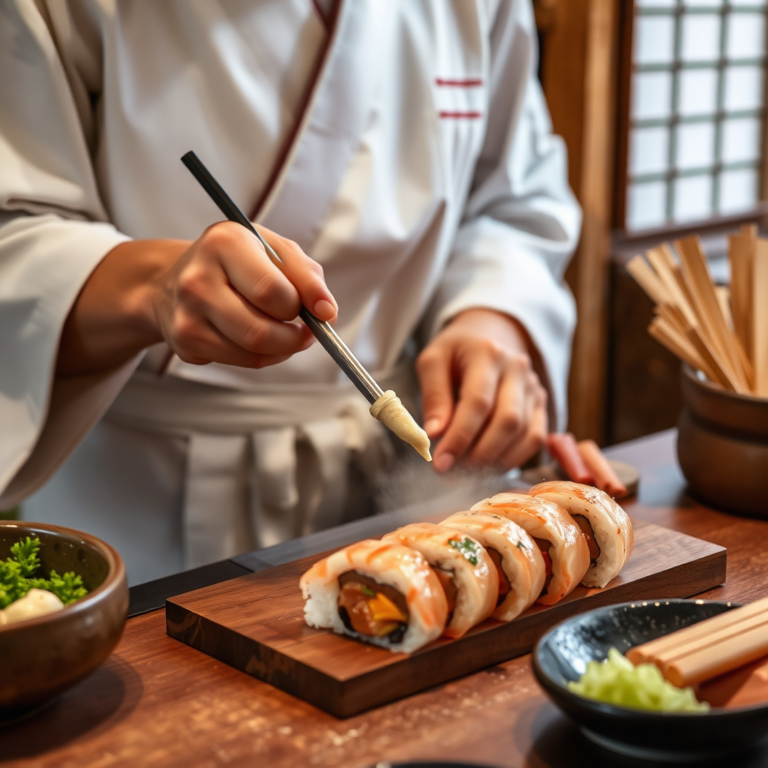
Arrange California roll slices neatly on a plate and serve with small dishes of soy sauce, wasabi paste, and pickled ginger for authentic sushi accompaniment.
Chilled green tea or sake pairs well with the subtle flavors of the roll, making for an enjoyable dining experience.
- Serve with soy sauce, wasabi, pickled ginger
- Pair with green tea or light sake
For more on this, see our related guide: What Is in a Rainbow Roll? A Complete Ingredient Guide.
Variations and Storage
You can add sesame seeds or tobiko (fish roe) on the rice exterior for a richer taste and texture. For a spicy twist, drizzle spicy mayo or sriracha on top of the rolls just before serving.
Store leftover rolls tightly wrapped in plastic in the refrigerator and consume within 24 hours to maintain freshness and texture.
- Try sesame seeds or tobiko topping
- Use spicy mayo for extra flavor
- Store refrigerated, consume within 1 day
Common Mistakes to Avoid

Overstuffing and Rolling Issues
Packing too much filling can make rolling difficult and cause the roll to burst. Measure fillings carefully and avoid overloading the nori sheet so the roll holds together while slicing.
Using dull knives for slicing can crush the rolls instead of cutting cleanly. A very sharp, wet knife is essential for neat, professional-looking California rolls.
- Avoid overfilling the roll
- Use sharp, wet knife to slice
- Roll with even pressure
For more detailed background on the origins and variations of the California roll, refer to the California roll Wikipedia page. California roll Wikipedia page.
Rice Texture and Temperature
Rice that is too dry or too warm can stick excessively or lose shape during rolling. Wait until the seasoned rice cools to room temperature to work with best consistency and stickiness.
Be mindful not to rinse the rice excessively, as too much rinsing can remove necessary starch that helps rice stick.
- Use room temperature seasoned rice
- Rinse rice enough but don’t overdo it
California Roll Ingredient Variations Comparison
Here’s a quick look at popular ingredient alternatives and how they influence flavor, texture, and cost of California rolls.
| Ingredient | Flavor Impact | Texture | Cost Impact |
|---|---|---|---|
| Imitation Crab | Mild and savory | Soft, fibrous | Low cost |
| Real Crab | Sweet, rich | Tender, flaky | High cost |
| Avocado | Creamy, buttery | Smooth | Moderate cost |
| Cucumber | Fresh, crisp | Crunchy | Low cost |
| Rice vs. Quinoa | Traditional vs. nutty | Sticky vs. grainy | Rice cheaper |
Frequently Asked Questions
Can I use real crab instead of imitation crab in California rolls?
Yes, real crab adds a sweeter and richer flavor but is more expensive. It also requires cooking and careful preparation to avoid excess moisture in the roll.
How do I prevent sushi rice from sticking to my hands?
Dampen your hands with water or a mixture of water and rice vinegar before handling sushi rice. This prevents sticking and makes spreading rice easier.
Is it necessary to use a bamboo sushi mat when making California rolls?
While not mandatory, a bamboo sushi mat helps form tight, even rolls and makes the rolling process easier especially for beginners.
How long can I store California rolls after making them?
Wrap your California rolls tightly in plastic wrap and refrigerate. Consume within 24 hours for best texture and freshness.
Can I make California rolls without sushi vinegar?
Sushi vinegar enhances flavor and texture. Without it, the rice may be bland and less sticky, which can affect the roll’s integrity.
Key Takeaways
- Use authentic sushi rice and season it properly with sushi vinegar.
- The classic California roll uses avocado, cucumber, and imitation crab.
- A bamboo sushi mat and sharp knife are essential for rolling and slicing.
- Avoid overstuffing and serve with traditional condiments for best results.
Conclusion
Crafting a California roll at home starts with understanding the role of each ingredient and mastering sushi rice preparation. The balance of sticky rice, fresh fillings, and proper rolling technique combines to form a delicious, well-structured sushi roll. Patience and practice will refine your skills and yield impressive results.
For those seeking convenience and flavor, imitation crab with ripe avocado and crisp cucumber provides a reliable combination. Adding variations such as sesame seeds or spicy mayo can customize rolls to your preference. Using a bamboo mat and a sharp knife helps achieve consistent rolls, enhancing presentation and eating experience.
Ultimately, making California rolls is an enjoyable culinary project that bridges traditional Japanese techniques with accessible ingredients. Starting with this recipe, experiment by adjusting fillings and techniques to suit your taste. Gather your ingredients, follow the steps carefully, and enjoy the satisfaction of homemade sushi.