What Is a Dragon Roll? A Complete Guide to This Popular Sushi Roll
A dragon roll is a type of sushi roll that features eel, cucumber, and avocado, often topped with thin slices of avocado to resemble dragon scales. It is typically drizzled with eel sauce, giving it a savory and slightly sweet flavor that stands out among sushi varieties. This roll combines cooked and fresh ingredients, known for its rich taste and artistic presentation.
The dragon roll has gained international recognition for its unique appearance and delicious flavor profile. Its creation blends traditional Japanese sushi-making techniques with Western influences, making it a favorite choice in sushi restaurants beyond Japan. The roll’s name and presentation evoke the image of a dragon, symbolizing power and good fortune in many Asian cultures.
In this article, we will explore what makes the dragon roll special, including its typical ingredients and preparation methods. We’ll also compare it to other popular sushi rolls and offer tips on how to select or even make your own dragon roll at home.
The Ingredients That Define a Dragon Roll
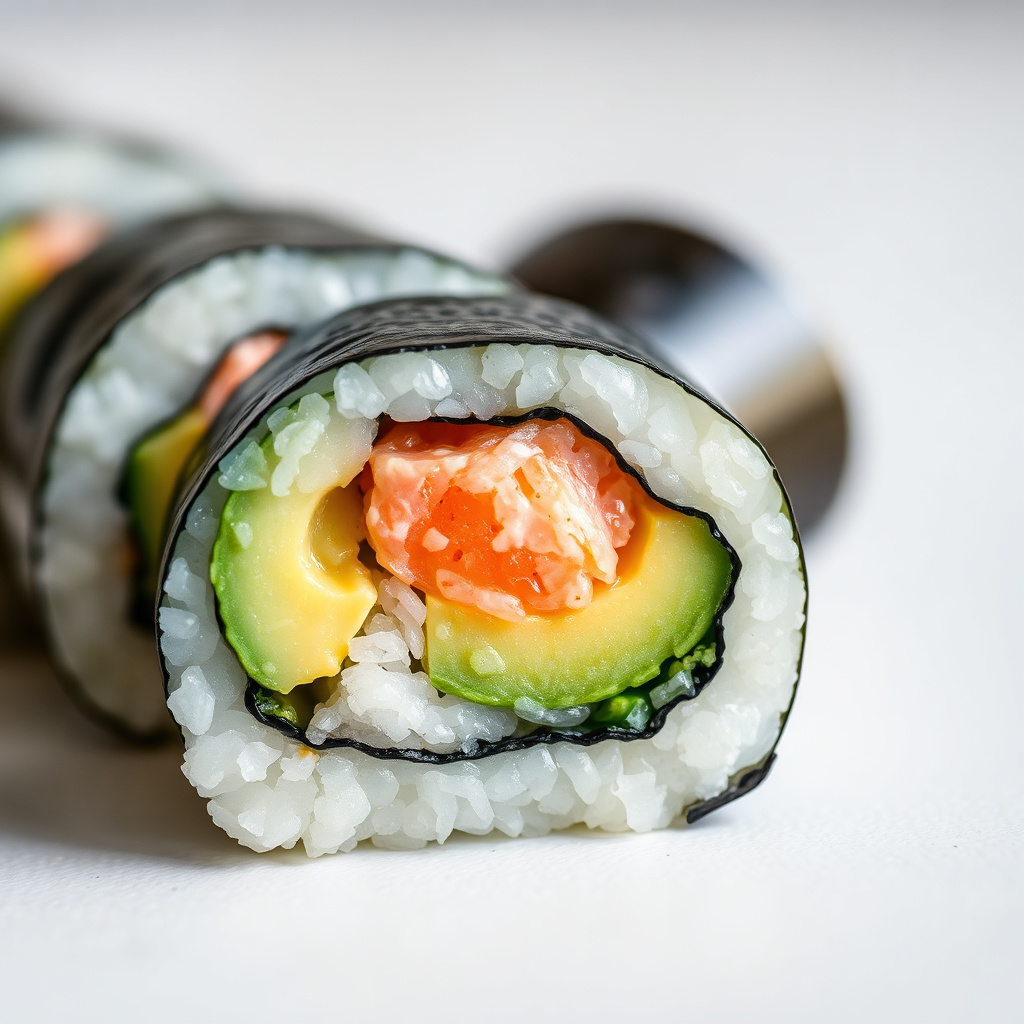
Core Components of a Dragon Roll
The dragon roll usually contains grilled eel (unagi), which is cooked and glazed with a sweet eel sauce. The eel is paired with cucumber for crispness and avocado for creamy texture. These ingredients are rolled inside sushi rice and seaweed, making for a balanced blend of flavors and textures.
Avocado slices layered on top mimic the look of dragon scales, giving the roll its distinctive character. This combination of cooked eel and fresh vegetables makes the roll appealing both for flavor and visual impact.
- Grilled eel (unagi)
- Sushi rice
- Seaweed (nori)
- Avocado slices
- Cucumber
- Eel sauce (unagi sauce)
Variations in Ingredients
While the classic dragon roll consists of eel and avocado, some variations include tempura shrimp as a crunchy alternative to eel or add tobiko (flying fish roe) for extra texture and color. Some preparations also include spicy mayonnaise or other sauces.
Many sushi chefs customize the dragon roll to suit regional tastes or availability of ingredients, but the key aspects remain the eel and avocado pairing with the artistic topping that resembles a dragon’s scales.
How Is a Dragon Roll Made?
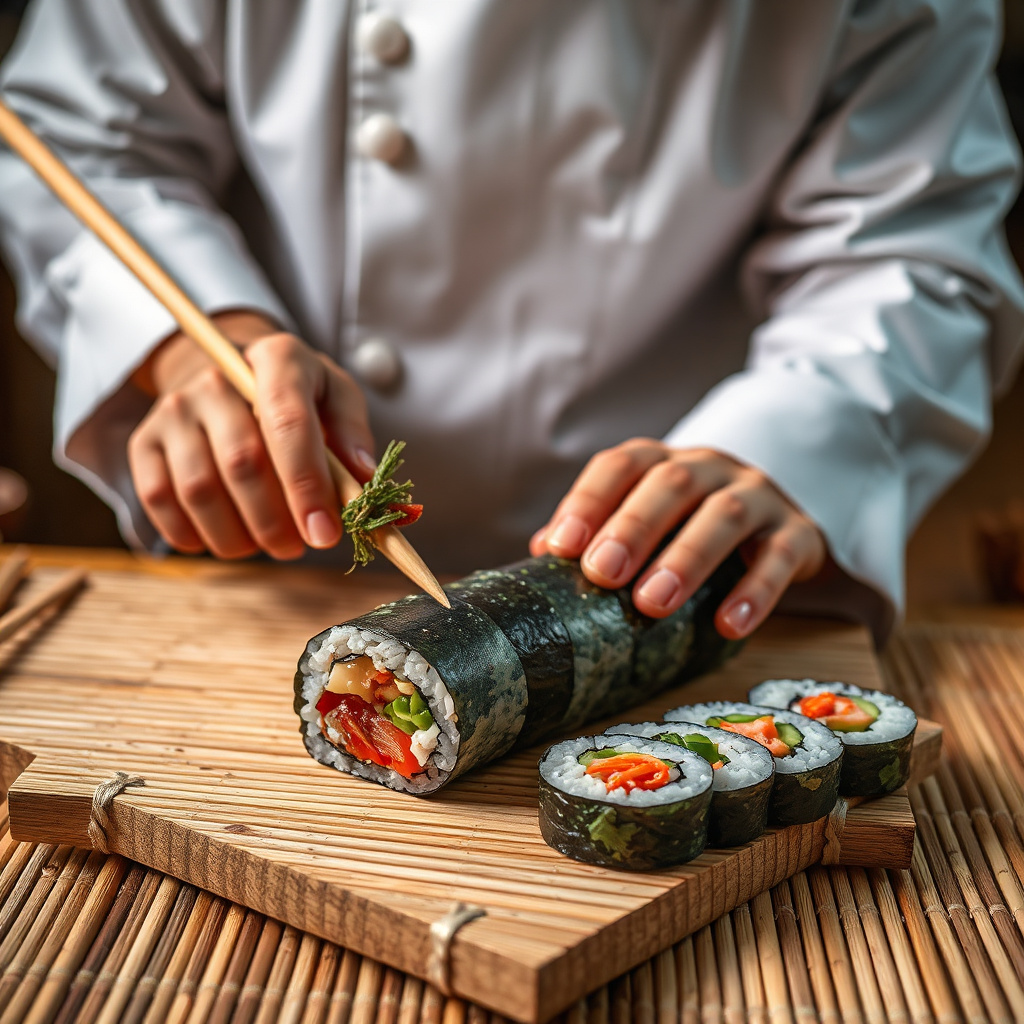
Step-by-Step Preparation Process
The process starts with spreading sushi rice evenly over a sheet of seaweed. Fresh cucumber strips and grilled eel are placed along the center. The sushi is then rolled tightly with the help of a bamboo mat to maintain shape.
After the initial roll, thin slices of avocado are carefully layered on top to form a scaled appearance before the roll is sliced into pieces. Finally, the roll is drizzled with eel sauce for enhanced flavor.
- Spread sushi rice on nori
- Add eel and cucumber inside
- Roll with bamboo mat
- Layer avocado slices on top
- Slice and drizzle with eel sauce
Serving and Presentation Tips
Presentation is key for the dragon roll—sushi chefs often arrange the slices in a curved shape to mimic a dragon. Garnishes like thin strips of nori, sesame seeds, or tobiko add visual flair.
Serving the roll with pickled ginger and wasabi on the side complements the flavors, while the eel sauce adds a glossy finish that makes it visually appealing and appetizing.
The Origin and Popularity of Dragon Rolls

History Behind the Dragon Roll
The dragon roll originated in the United States, blending Western tastes with Japanese sushi traditions. It was designed to appeal to sushi lovers who enjoy a balance of cooked ingredients and fresh produce, with a visually striking presentation.
Its imaginative name and look helped the dragon roll gain popularity in sushi restaurants internationally, especially in Western countries where creative sushi variations flourish.
For more on this, see our related guide: What Is a Rainbow Roll? A Complete Guide to This Popular Sushi Dish.
Why It Remains a Favorite
The dragon roll appeals to diners who prefer a richer flavor profile and a combination of textures. The grilled eel adds smokiness and sweetness unmatched by most raw fish rolls.
Its artistic design also makes it a crowd-pleaser at gatherings. The roll’s accessibility and balance between cooked and fresh ingredients contribute to its enduring popularity.
Dragon Roll Compared to Other Popular Sushi Rolls

Differences Between Dragon and California Rolls
While the dragon roll features cooked eel and avocado on top, the California roll uses imitation crab, cucumber, and avocado inside the roll, often topped with sesame seeds or roe. The California roll is milder and typically raw-fish-free, making it more approachable for beginners.
The dragon roll is richer and more flavorful due to the eel and sauce, whereas California rolls emphasize fresh and light tastes.
How Dragon Rolls Stack Up Against Spicy Tuna Rolls
Spicy tuna rolls feature raw tuna mixed with spicy sauce, providing heat and a clean fish flavor. The dragon roll differs by offering cooked eel and a sweet glaze, providing a contrasting savory-sweet profile.
Texture-wise, spicy tuna rolls are softer and less complex visually, while dragon rolls provide a layered experience with avocado scales and a robust flavor combination.
Making Your Own Dragon Roll at Home

Essential Tools and Ingredients
You will need sushi rice, nori sheets, cucumber, avocado, grilled eel or unagi (available pre-cooked), bamboo rolling mat, and eel sauce for finishing. Having a sharp knife will help create clean slices.
Many grocery stores now carry prepackaged unagi and eel sauce, making the process easier for beginners.
- Bamboo sushi rolling mat
- Sharp sushi knife
- Pre-cooked eel
- Sushi rice and nori
- Avocado and cucumber
- Eel sauce
For more on this, see our related guide: What Is a California Roll? Understanding This Popular Sushi Roll.
Step-by-Step Home Preparation Advice
Cook sushi rice and allow to cool slightly. Place a sheet of nori on the mat, and spread rice on top. Add strips of eel and cucumber before rolling tightly.
After rolling, carefully layer avocado slices on top and gently press to adhere. Slice the roll with a sharp knife dampened with water to prevent sticking. Drizzle with eel sauce before serving.
Health Considerations of Eating Dragon Roll
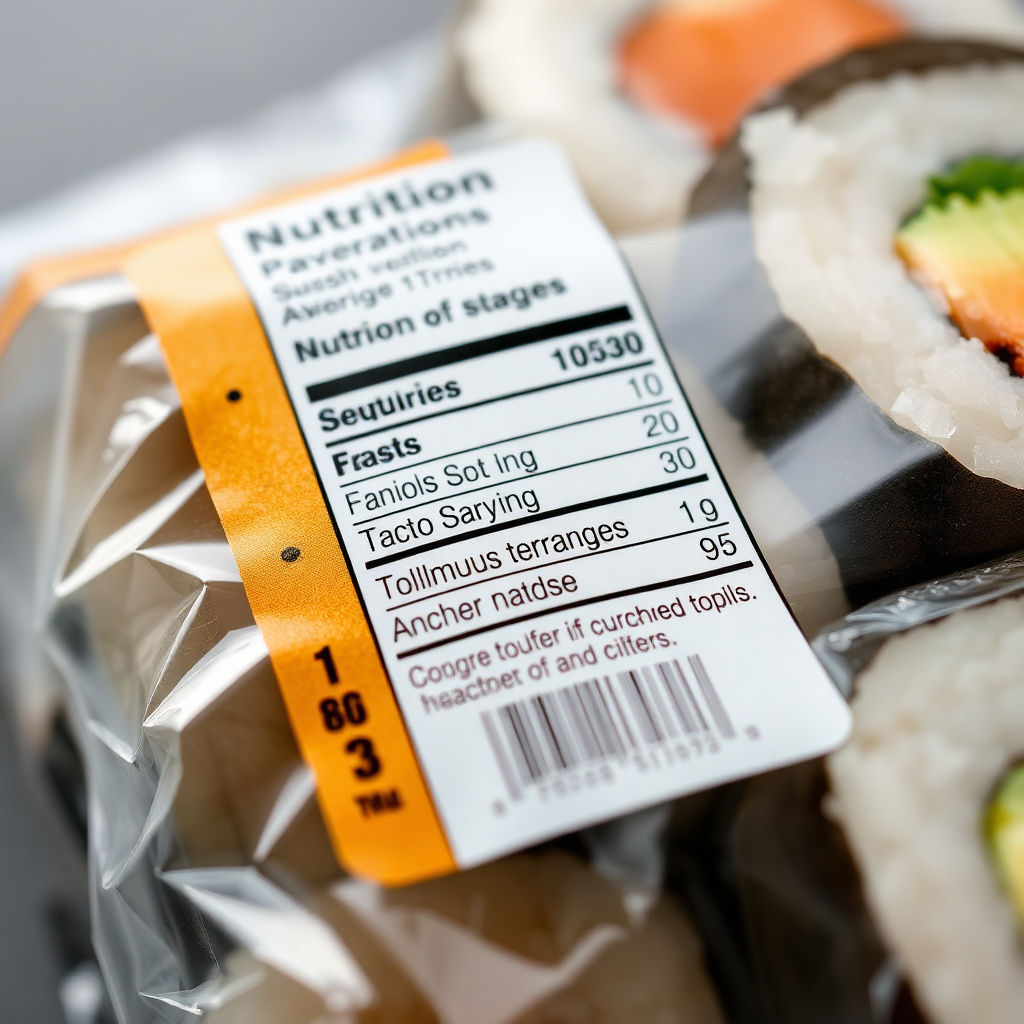
Nutritional Benefits and Drawbacks
The dragon roll provides protein from eel and healthy fats from avocado, along with dietary fiber from cucumber. The eel is rich in vitamins A and E, but it can be relatively high in calories due to the eel sauce and rice.
While it’s nutrient-dense, the sugar and sodium content in the eel sauce can be a concern for those monitoring their intake.
For a deeper understanding of sushi rolls including the dragon roll, refer to the dragon roll Wikipedia article. dragon roll Wikipedia article.
Considerations for Special Diets
Those with shellfish allergies are generally safe with dragon rolls, but it’s important to check preparation methods for cross-contamination. Gluten-intolerant eaters should verify eel sauce ingredients, as some contain soy sauce with gluten.
Individuals aiming for lower calorie options might request reduced eel sauce or opt for a simpler avocado roll instead.
Popular Sushi Roll Comparison
This table highlights key differences among common sushi rolls including the dragon roll, helping you choose the right one for your taste and dietary needs.
| Roll Name | Main Ingredients | Flavor Profile | Typical Calories | Popularity |
|---|---|---|---|---|
| Dragon Roll | Grilled eel, avocado, cucumber, eel sauce | Sweet, savory, rich | 500-600 | High |
| California Roll | Imitation crab, avocado, cucumber | Mild, fresh, light | 250-300 | Very High |
| Spicy Tuna Roll | Raw tuna, spicy mayo, cucumber | Spicy, fresh, bold | 300-350 | High |
| Tempura Roll | Tempura shrimp, avocado, cucumber | Crunchy, savory, rich | 450-550 | Medium |
Frequently Asked Questions
What makes a sushi roll a dragon roll?
A dragon roll typically includes grilled eel, cucumber, and avocado inside, with avocado slices layered on top to resemble dragon scales and is finished with eel sauce.
Is the eel in a dragon roll cooked or raw?
The eel used in a dragon roll is cooked, usually grilled and glazed with eel sauce, providing a rich, savory flavor distinct from raw fish sushi.
Can I eat a dragon roll if I’m allergic to shellfish?
Generally, yes, since dragon rolls usually contain eel and vegetables, not shellfish. However, check for any cross-contamination or additional ingredients at your sushi restaurant.
How is a dragon roll different from a California roll?
A dragon roll features grilled eel and avocado on top with eel sauce, making it richer and sweeter, while a California roll uses imitation crab and cucumber inside and is milder.
Can I make a dragon roll at home without special sushi skills?
Yes, with basic tools like a bamboo mat and pre-cooked eel, you can prepare a dragon roll at home by layering ingredients carefully and practicing the rolling technique.
Key Takeaways
- A dragon roll combines grilled eel, avocado, cucumber, and eel sauce for a rich, savory sushi experience.
- Known for its avocado 'scales,' the roll stands out visually and flavor-wise among popular sushi rolls.
- It originated in the U.S. and appeals for its balance of cooked and fresh ingredients.
- Making a dragon roll at home is possible with simple ingredients and a bamboo rolling mat.
Conclusion
Deciding to try a dragon roll involves appreciating its unique combination of smoky grilled eel, creamy avocado, and crisp cucumber wrapped in sushi rice and nori. The roll’s artistic presentation with avocado slices evokes its namesake and adds a layer of visual enjoyment to a satisfying meal. Understanding these elements simplifies your choice when exploring sushi menus or making new dishes at home, ensuring you experience the blend of textures and flavors that have made this roll a standout.
For those looking for specific recommendations, the dragon roll offers a midpoint between cooked and raw sushi styles. If you prefer something milder, the California roll is a gentle introduction, but if bold flavors appeal to you, the dragon roll’s rich eel and sweet sauce make it an excellent option. Spicy tuna rolls provide an edgier contrast with fresh raw fish and heat, while tempura rolls bring crunchiness. Each has a place depending on your taste preferences and dietary needs.
If you're eager to try making sushi yourself, start by sourcing pre-cooked eel and fresh avocado, then follow simple rolling steps using a bamboo mat. Enjoy preparing a dragon roll to impress your family or guests with both its flavor and striking appearance. Whether dining out or cooking in, this sushi roll promises a rewarding experience worth exploring further.




2 Comments