Is Sushi Safe During Pregnancy? What Expectant Mothers Need to Know
Yes, sushi can be safe during pregnancy if you choose the right types and avoid raw fish with high risk of contamination. Certain cooked or vegetarian sushi options are good alternatives that reduce potential exposure to harmful bacteria or parasites.
Pregnant women's immune systems are naturally more sensitive, making it important to avoid foods that might carry bacteria like Listeria or parasites like Anisakis. Since raw fish can harbor these risks, careful selection of sushi is critical to protect both mother and baby.
This article will explore which sushi options are safer during pregnancy, the risks involved with raw fish consumption, essential pregnancy sushi safety tips, and guidance for eating out or preparing sushi at home while expecting.
Understanding the Risks of Eating Sushi During Pregnancy

Common Bacterial Risks in Raw Fish
Raw fish can carry bacteria such as Listeria monocytogenes, which poses serious health risks during pregnancy including miscarriage or preterm labor. Unlike other bacteria, Listeria can grow even at refrigerator temperatures, making it critical to avoid uncooked fish that might be contaminated.
Seafood like raw salmon, tuna, and mackerel can contain bacteria if not handled properly. Pregnant women should be cautious because their weakened immunity makes clearing these pathogens more difficult compared to non-pregnant adults.
- Listeria monocytogenes risk
- Salmonella contamination
- Vibrio vulnificus exposure
Parasites in Raw Sushi Fish
Anisakis is a common parasite found in raw or undercooked fish and can cause anisakiasis, leading to severe abdominal pain and complications. Freezing sushi-grade fish typically kills such parasites, but there is still some risk when eating raw varieties.
Pregnant women face higher stakes because parasitic infections may cause inflammation or immune reactions harmful to fetal development. Avoiding raw fish or consuming only properly iced and frozen fish minimizes this risk.
- Anisakis lifecycle and infection symptoms
- Parasite risk reduction by freezing
- Signs of parasitic infection to watch for
Safe Sushi Choices for Pregnant Women

Cooked Fish and Shellfish Options
Choosing sushi made with cooked ingredients like tempura shrimp, eel (unagi), crab (kani), or smoked salmon significantly lowers contamination risk. These cooked items eliminate most bacteria and parasites, making them safer for pregnancy consumption.
Many sushi restaurants offer rolls featuring vegetables and cooked proteins which meet nutritional needs while allowing expectant mothers to enjoy sushi flavors without raw fish risks.
- Cooked shrimp and crab rolls
- Eel (unagi) with teriyaki sauce
- Tempura rolls with vegetables or seafood
For more on this, see our related guide: Is Sushi Safe to Eat? What You Need to Know About Sushi Safety.
Vegetarian and Vegan Sushi Alternatives
Vegetarian sushi rolls like cucumber, avocado, pickled radish, and sweet potato fillings remove the risks associated with fish entirely. They provide a safe, tasty option during pregnancy and are widely available at sushi restaurants.
Many pregnant women appreciate vegetarian sushi as a light, refreshing choice that complements prenatal nutrition without exposure to mercury or raw fish bacteria.
- Cucumber and avocado rolls
- Pickled vegetable sushi
- Sweet potato tempura rolls
Mercury Exposure and Pregnancy Sushi Safety Tips
Mercury Risks in Certain Fish
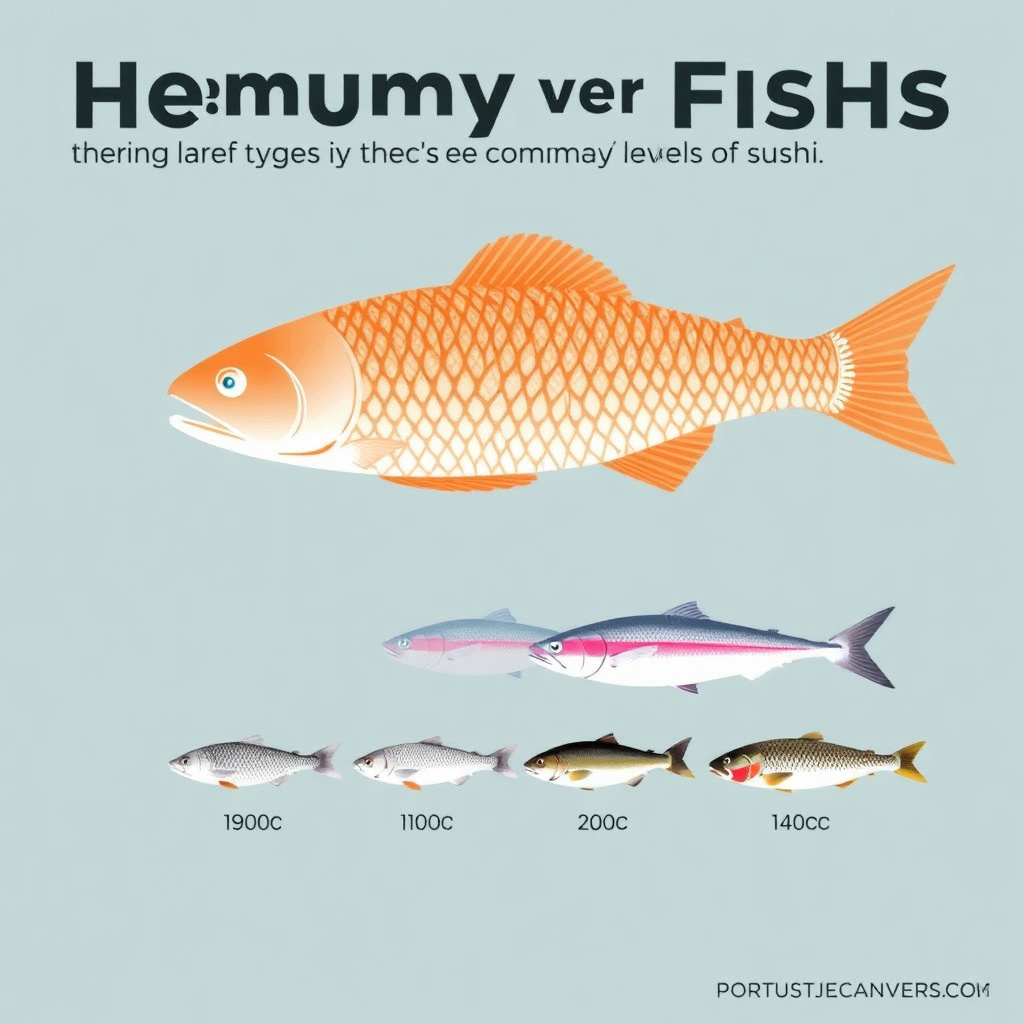
Fish like tuna, swordfish, and mackerel can contain higher mercury levels, which are harmful to the developing nervous system of a fetus. Even cooked fish in sushi should be limited based on mercury content to avoid prenatal exposure.
Pregnancy sushi safety tips include balancing fish intake with low-mercury options such as salmon or shrimp and avoiding frequent consumption of high-mercury fish, regardless of preparation style.
- High mercury fish to limit: tuna, mackerel, swordfish
- Lower mercury fish: salmon, shrimp, crab
- Safe weekly seafood consumption limits
General Sushi Consumption Guidelines
Aside from selecting safer fish, pregnant women should consume sushi moderately—typically no more than two to three servings per week. This helps balance nutrient benefits with any potential contaminant risks.
Always check the freshness and hygiene standards of sushi restaurants and prefer venues with clear food safety practices to reduce the chance of foodborne illness.
- Moderate consumption frequency
- Check supplier and restaurant hygiene
- Avoid cross-contamination risks
Eating Out vs. Homemade Sushi for Pregnancy

Benefits of Homemade Sushi
Preparing sushi at home allows control over ingredients, freshness, and hygiene. Expectant mothers can opt for cooked or vegetarian fillings with confidence and avoid raw fish altogether if preferred.
Homemade sushi also reduces exposure to unknown handling or storage practices common in some restaurants, offering peace of mind during pregnancy.
- Control over ingredient choice
- Ensures proper food hygiene
- Ability to avoid raw fish
For more on this, see our related guide: Is Sushi Healthy? Exploring the Nutritional Benefits and Risks.
Choosing Safe Sushi Restaurants
When eating out, select restaurants with strict food safety certifications and good reputations. Ask about the sourcing and freezing processes for fish used in sushi to ensure parasite risks are minimized.
Request sushi rolls with cooked fish or vegetarian options to reduce any exposure risk. If you crave raw fish, consider limiting to certain low-risk types and eating small portions.
- Verify restaurant safe handling practices
- Prefer known, certified providers
- Choose cooked or vegetarian rolls when dining out
Nutrition Benefits and Considerations of Sushi in Pregnancy

Key Nutrients in Fish-Based Sushi
Fish used in sushi is rich in omega-3 fatty acids essential for fetal brain and eye development. Cooked fish and certain raw fish like salmon can provide valuable protein and vitamins during pregnancy.
Balancing sushi intake to include these nutrient-dense options while avoiding high mercury or unsafe raw fish can support a healthy pregnancy diet.
- Omega-3 fatty acids
- High-quality protein
- Vitamin D and B vitamins
For official recommendations on pregnancy food safety, including seafood consumption, visit this CDC resource on safe eating during pregnancy. Sushi safety during pregnancy.
Considerations When Avoiding Raw Fish
Choosing cooked or vegetarian sushi requires ensuring alternative nutrient sources like omega-3s come from supplements or other fish known to be safe during pregnancy. Seaweed in sushi also contains beneficial iodine important for thyroid health.
Maintaining a varied prenatal diet alongside selective sushi eating helps cover nutritional bases while keeping foodborne illness risk low.
- Use prenatal supplements if needed
- Incorporate iodine-rich seaweed
- Include diverse cooked seafood
Comparison of Sushi Types for Pregnancy Safety
This table breaks down the safety, mercury levels, and parasite risks of popular sushi types for pregnant women.
| Sushi Type | Raw or Cooked | Mercury Level | Parasite Risk | Pregnancy Safety Rating |
|---|---|---|---|---|
| Salmon Nigiri | Raw | Low | Moderate | Cautious; consume only if sushi-grade and frozen properly |
| Eel (Unagi) Roll | Cooked | Low | Low | Safe; cooked eel reduces risks |
| Tuna Roll | Raw | High | Moderate | Avoid due to mercury and parasite risk |
| Vegetable Roll | Cooked/Raw Veg | None | None | Very safe; no fish involved |
| Tempura Shrimp Roll | Cooked | Low | Low | Safe; cooked shrimp has minimal risk |
| Yellowtail Sashimi | Raw | Moderate | Moderate | Avoid due to parasite risk |
Frequently Asked Questions
Can pregnant women eat all types of sushi?
No. Pregnant women should avoid raw fish sushi and high-mercury fish types. Safer options include cooked fish sushi and vegetarian rolls.
Is cooked sushi always safe during pregnancy?
Cooked sushi is generally safer, but hygiene and sourcing remain important to prevent foodborne illness during pregnancy.
Does freezing sushi-grade fish eliminate all risks?
Freezing kills most parasites but does not remove bacterial risks like Listeria; proper handling is still essential.
How often can pregnant women eat sushi safely?
Limit sushi intake to two or three servings per week, focusing on cooked or low mercury options.
Are vegetarian sushi rolls a good choice for pregnant women?
Yes, vegetarian sushi avoids fish-related risks and provides a safe alternative with beneficial nutrients like fiber and vitamins.
Key Takeaways
- Avoid raw fish sushi to reduce bacterial and parasite risks during pregnancy.
- Favor cooked fish and vegetarian sushi for safer pregnancy options.
- Limit intake of high-mercury fish like tuna and mackerel.
- Proper hygiene and sourcing are essential whether eating out or making sushi at home.
Conclusion
Deciding if sushi is safe during pregnancy depends on understanding the risks associated with raw fish and high-mercury seafood. Pregnant women face vulnerable immune systems, so minimizing exposure to bacteria like Listeria and parasites such as Anisakis is vital. Careful selection of sushi types—especially avoiding raw and high-mercury fish varieties—helps protect fetal development while still allowing enjoyment of this popular cuisine.
For expectant mothers craving sushi, cooked fish rolls like eel (unagi), tempura shrimp, and crab provide delicious and nutritious options with limited risk. Vegetarian sushi rolls offer a safe alternative for those wanting to avoid fish. Regularly consuming low-mercury fish such as salmon in sushi can also contribute beneficial omega-3s needed during pregnancy. Regardless of choice, maintaining moderate consumption frequency and prioritizing hygienic preparations, whether dining out or preparing at home, is key.
Ultimately, pregnant women interested in sushi should prioritize safety by choosing cooked or vegetarian options, avoiding raw and high-mercury fish, and verifying food handling practices of sushi sources. Consulting with healthcare providers about seafood intake further helps manage risks while benefiting from important nutrients. Enjoy sushi thoughtfully during pregnancy by following these guidelines to balance enjoyment and health.



One Comment