Temaki vs Maki: Understanding the Key Differences in Sushi Rolls
Temaki and maki are two popular styles of sushi rolls that differ mainly in shape, size, and how they’re eaten. Temaki is a cone-shaped hand roll wrapped in seaweed and eaten with hands, while maki is a cylindrical sushi roll sliced into bite-sized pieces and commonly eaten with chopsticks or hands. Both feature rice, seafood, and vegetables but serve distinct eating experiences.
Knowing the difference between temaki vs maki matters for sushi lovers because it influences how the sushi is prepared, served, and enjoyed. Temaki rolls are larger and less uniform, giving a casual and customizable dining experience. Maki sushi is more formal, often presented as neat, precise slices that showcase the roll’s fillings.
This article explores the preparation techniques, ingredient variations, serving styles, and cultural contexts of temaki versus maki. You’ll also find advice on when to choose one over the other and a comparison of popular varieties within each style.
Origins and Cultural Background of Temaki and Maki

Historical Roots of Temaki
Temaki, also known as a hand roll, emerged as a convenient form of sushi for informal dining. It gained popularity in the Edo period as a quick, portable sushi option that didn’t require utensils. The cone shape makes it easy to hold and eat on the go.
Temaki’s informal nature meant it became common in casual sushi restaurants and festivals. Its design allows for freedom in how ingredients are layered inside the roll, often reflecting local or seasonal preferences.
The Development and Tradition of Maki
Maki sushi dates back to the Edo period as well but evolved as a more structured sushi form. The cylindrical roll is made using a bamboo mat to tightly wrap rice and fillings in seaweed. Maki became a symbol of sushi craftsmanship due to the precision involved.
Serving maki sliced into small pieces allows for variety and portion control. It became a staple in more formal sushi dining settings and is often featured in traditional omakase courses.
Differences in Preparation: Temaki vs Maki

How Temaki is Prepared
To prepare temaki, a square sheet of nori (seaweed) is placed flat, and a small amount of sushi rice is spread on one corner. Fillings like fish, vegetables, and condiments are added on top of the rice, then the nori is rolled into a cone shape by hand. This process is quick and does not require specialized equipment.
Because it’s hand-rolled, temaki can vary in size and filling distribution, allowing a personalized sushi experience. It’s meant to be eaten immediately to retain nori crispness and freshness.
- Uses square nori sheets
- Rolled by hand into a cone
- Fast preparation and serving
Steps to Create Maki Sushi
Maki requires a bamboo mat called a makisu to roll the nori sheet, sushi rice, and fillings into a tight cylinder. The rice is spread evenly across the nori, leaving a small margin, before layering with fish, vegetables, or other ingredients. The mat is then rolled firmly to achieve a compact roll.
Once rolled, the maki sushi is cut into smaller bite-sized pieces, usually six to eight per roll. This slicing step reveals the neat cross-section of ingredients inside. The process takes more precision and time compared to temaki.
- Uses bamboo mat for rolling
- Uniform cylindrical shape
- Sliced into small bite-sized pieces
Texture and Taste Differences Between Temaki and Maki
Flavor Profile and Texture of Temaki
Temaki’s cone shape means the nori remains crisp throughout eating, providing a satisfying crunch against the juicy fillings inside. Due to its size, temaki offers a blend of flavors in each bite, with rice, fish, and vegetables layered in a slightly uneven way.
Since it’s consumed immediately, the freshness of ingredients stands out. This style provides a more direct connection with the fish and fillings, making the taste experience bold and fresh.
For more on this, see our related guide: Sushi vs Maki: Understanding the Key Differences Between These Japanese Dishes.
Taste and Texture Characteristics of Maki
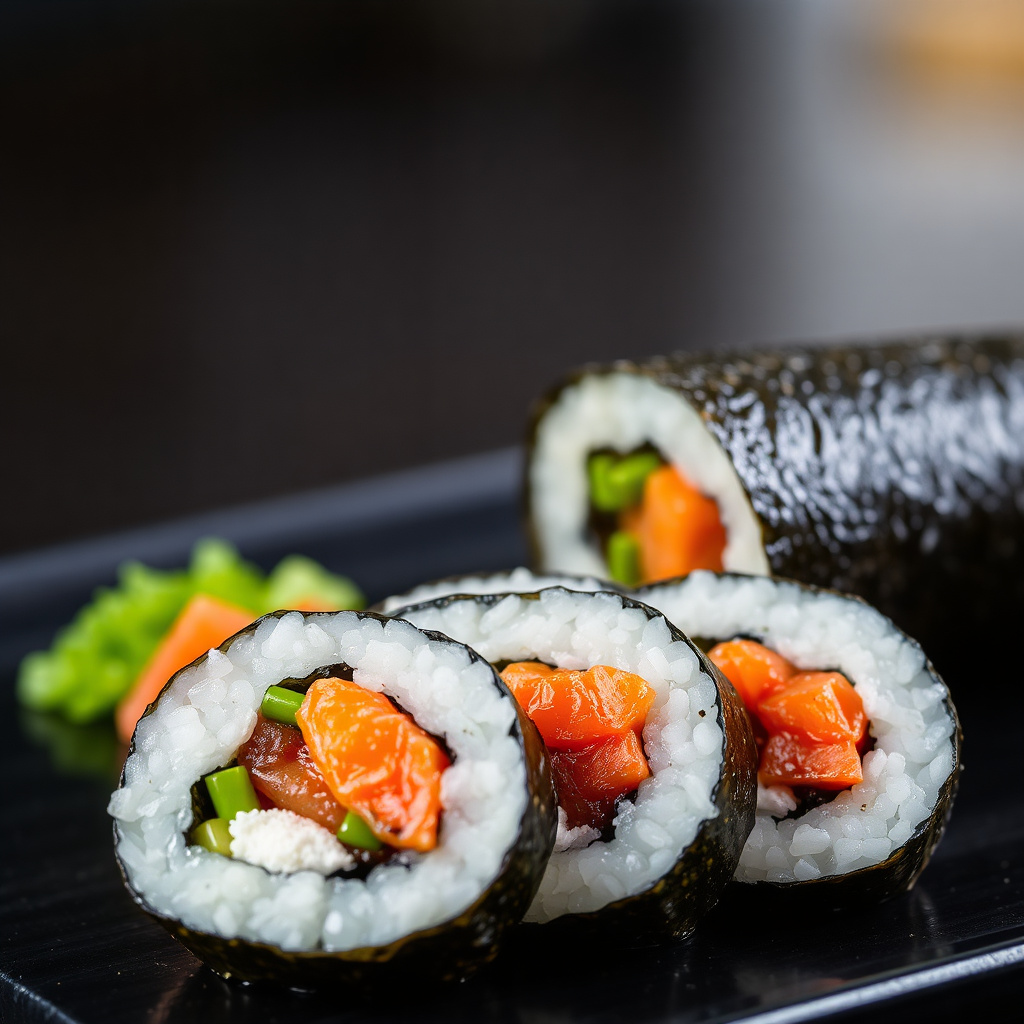
Maki sushi pieces balance the soft texture of sushi rice with the chewy seaweed wrapping. The tight roll compresses flavors, creating a consistent taste across each slice. Some maki varieties include sauces or toppings that add richness or tanginess.
Because maki is sliced, the nori sometimes softens slightly from moisture, producing a different mouthfeel compared to temaki’s crispness. This variation in texture can appeal to those who prefer a milder crunch.
Serving Styles and Occasions for Temaki vs Maki

When to Serve and Eat Temaki
Temaki is often served in casual settings such as sushi parties, festivals, or quick meals. Its hand-held nature makes it perfect for social dining where eating utensils may not be used. It also works well for takeaway or on-the-go eating.
Its larger size means it can be a substantial snack or light meal. Because temaki is best eaten immediately, it’s usually served freshly made for immediate consumption.
- Ideal for casual or social occasions
- Served freshly rolled to retain crispness
- Eaten by hand without utensils
Maki’s Place in Formal Dining
Maki sushi is more common in traditional sushi restaurants, often as part of a multi-course meal or sushi platter. The small, uniform pieces make it easy to share and taste a variety of flavors. It’s typically eaten with chopsticks but can also be eaten by hand.
Maki’s presentation is refined and elegant, fitting formal or special occasion dining. It pairs well with other sushi types like nigiri for a balanced meal.
- Common in formal sushi dining
- Served sliced for easy sharing
- Often eaten with chopsticks
Types and Variations Within Temaki and Maki Sushi
Popular Temaki Variations
Temaki often features classic fillings such as salmon, tuna, cucumber, avocado, crab, and spicy mayo. Some variations include tempura shrimp or grilled eel. Because it’s hand-rolled, chefs may add unique combinations or seasonal ingredients depending on availability.
Vegetarian or vegan temaki rolls use fillings like pickled vegetables, tofu, or mushrooms. The flexible format allows personal creative twists while maintaining the cone shape.
- Spicy tuna hand roll
- Tempura shrimp temaki
- Vegetarian options with avocado and cucumber
For more on this, see our related guide: Sashimi vs Nigiri: Understanding the Key Differences in Japanese Cuisine.
Common Maki Sushi Varieties
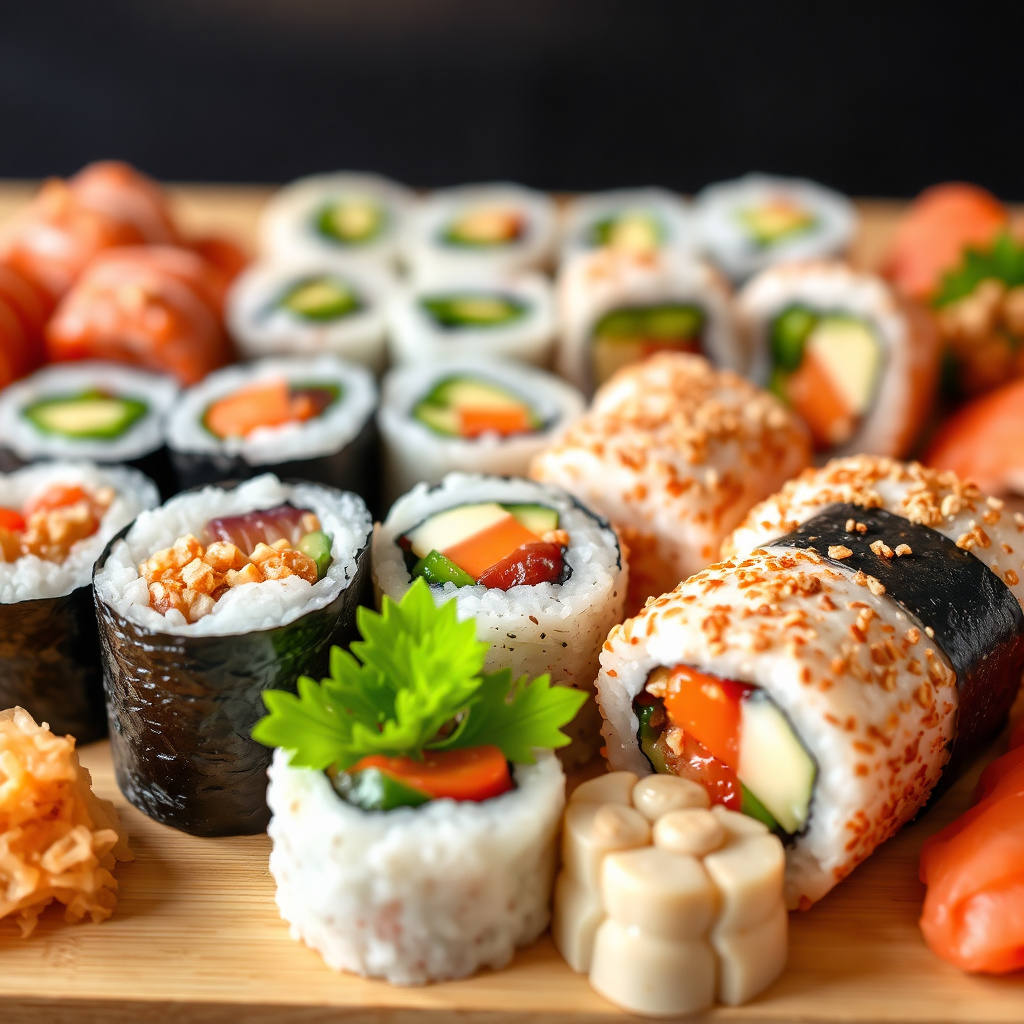
Maki includes many well-known sushi varieties like California rolls (crab and avocado), futomaki (thick rolls with multiple fillings), and hosomaki (thin rolls with one main filling). Other popular maki feature tuna, cucumber, or pickled radish as the primary ingredient.
Maki diversity extends to specialty rolls with various sauces and toppings that enhance flavor complexity. Rolls can be customized with spicy or creamy elements to suit different tastes.
- California roll
- Futomaki with mixed vegetables
- Hosomaki with single filling
Choosing Between Temaki vs Maki for Your Sushi Experience

Factors Favoring Temaki Selection
If you prefer a casual and hands-on sushi meal with robust textures and bold flavors, temaki makes an excellent choice. Its portability and size suit informal dining or situations without chopsticks.
Temaki also works well if you want to customize ingredient ratios easily or enjoy a larger single serving that feels more like a wrap than a small bite.
For more extensive insights into sushi types including temaki and maki, the Sushi Wikipedia article provides detailed information. Sushi – Wikipedia.
When Maki is the Better Option
Choose maki if you want a refined sushi experience with precise presentation and bite-sized portions to sample multiple flavors. Maki’s neat slicing makes it ideal for sharing and pairing with other sushi types.
If you are dining in a more formal setting or prefer sushi eaten with chopsticks, maki is the preferred option.
Temaki vs Maki Sushi: Key Category Comparison
This table summarizes the main differences between temaki and maki sushi to help you decide which style fits your preferences and dining occasion.
| Category | Temaki | Maki |
|---|---|---|
| Shape | Cone-shaped hand roll | Cylindrical roll sliced into pieces |
| Size | Larger, single serving | Smaller, multiple bite-sized pieces |
| Eating Method | By hand | With chopsticks or by hand |
| Preparation | Hand rolled with nori cone | Rolled with bamboo mat |
| Nori Texture | Crisp seaweed | Softens slightly after rolling |
| Dining Occasion | Casual, informal | Formal or traditional |
| Common Fillings | Varied, customizable | Precise combinations |
Frequently Asked Questions
Can I eat temaki with chopsticks?
Temaki is designed to be eaten with hands due to its cone shape, which makes using chopsticks awkward and impractical.
Are there vegetarian options for both temaki and maki?
Yes, both temaki and maki offer vegetarian versions using ingredients like avocado, cucumber, pickled vegetables, and tofu.
Which sushi style keeps the seaweed crispier longer?
Temaki keeps the seaweed crispier since it is eaten immediately after hand rolling; maki’s seaweed softens somewhat after rolling and slicing.
Is it easier to make temaki or maki at home?
Temaki is easier to make at home since it requires no special tools like a bamboo mat and is hand-rolled into a simple cone shape.
Which style offers more flavor variety per bite?
Temaki tends to mix multiple fillings in each large bite, offering a flavor-filled experience, while maki pieces are smaller with focused flavor combinations.
Key Takeaways
- Temaki is a cone-shaped hand roll eaten by hand, while maki is a cylindrical roll sliced into bite-sized pieces.
- Temaki offers a crisp seaweed texture and casual experience; maki is more formal with a softer nori texture.
- Preparation methods differ: temaki is hand-rolled, maki uses a bamboo mat for tight rolling.
- Select temaki for informal dining and portability, maki for refined presentation and variety.
Conclusion
Understanding the differences between temaki vs maki sushi allows you to appreciate each style’s unique qualities and choose based on your dining context and taste preferences. Temaki’s hand-rolled, larger cone offers a relaxed, tactile experience with crisp seaweed and bold flavors while maki’s cylindrical cuts provide neat presentation and precise flavor combinations. Both remain deeply rooted in Japanese culinary tradition, reflecting different ways sushi can be enjoyed.
If your meal setting leans toward casual dining, takeaway, or social gatherings, temaki is likely the better fit due to its portability and immediate crispness. On the other hand, if you prefer a more polished sushi service or want to savor multiple bite-sized variations with chopsticks, maki sushi comes highly recommended. Classic maki rolls like the California roll or futomaki suit formal meals, whereas spicy tuna or tempura shrimp temaki bring flavor-packed options to casual menus.
The next time you order sushi or prepare it at home, try both types to experience their textural and flavor contrasts firsthand. For beginners, starting with maki provides controlled portions and familiar presentation. For those craving a personal, hand-held sushi delight, temaki offers a rewarding, freshly made option. Whichever you pick, these sushi types showcase the artistry and diversity within the world of Japanese cuisine.


