What Is Imitation Crab? Understanding This Popular Seafood Substitute
Imitation crab is a seafood product crafted from processed white fish, mainly Alaskan pollock, that mimics the taste, texture, and appearance of real crab meat. This product uses a technique called surimi, where fish is deboned, minced, and shaped into sticks or chunks colored to resemble crab meat. It is commonly found in sushi, seafood salads, and budget-friendly meals.
Understanding imitation crab is important for those who want a crab-like flavor without the high price or allergenic risks of real crab. Its production method helps extend the use of sustainable fish stocks and offers a versatile, easy-to-cook seafood option. However, it’s not nutritionally identical to genuine crab, usually having more additives and less protein.
This article will explain how imitation crab is made, compare it to real crab, provide tips for using and storing it, and explore its flavors and nutritional content so you can decide if it fits your culinary needs.
How Imitation Crab Is Made
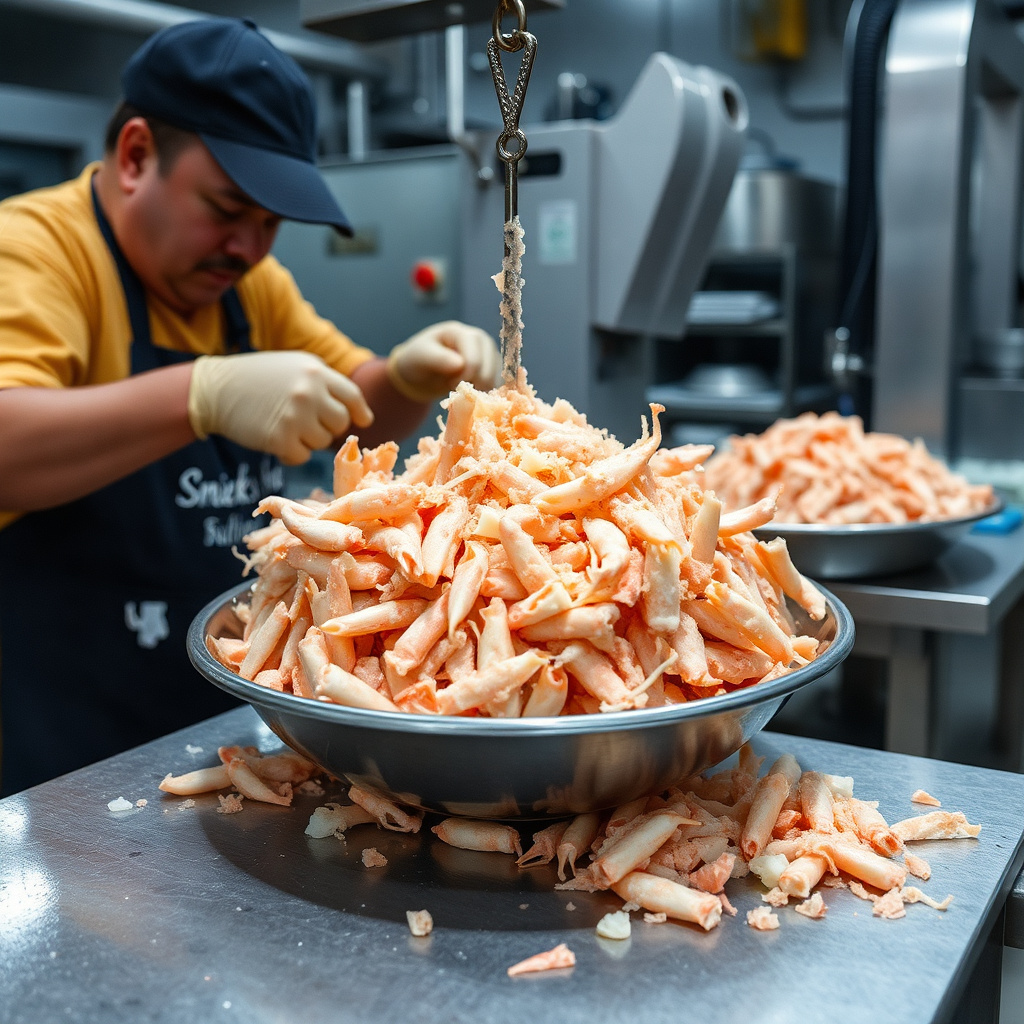
The Surimi Production Process
Surimi is the foundation of imitation crab, made by washing minced fish repeatedly to remove fats and impurities, leaving behind a concentrated fish protein paste. This paste serves as a blank canvas that can be flavored and shaped to resemble various seafood textures.
Additives such as starch, egg whites, salt, and natural or artificial flavors are blended into the surimi to add elasticity and flavor. The mixture is then molded into crab-stick shapes and colored with red or orange food dyes to simulate the crab’s natural hue.
- Minced fish (typically Alaskan pollock)
- Washing and refining to isolate protein
- Mixing with binders and flavorings
- Shaping and coloring to mimic crab
Common Ingredients and Additives
Besides fish, imitation crab contains starches (such as wheat or potato), sugar, salt, and sometimes egg whites to improve texture. Flavor enhancers like MSG and crab flavor extracts recreate the signature taste of crab.
These additives give imitation crab a springy texture and savory taste but also increase sodium content and reduce its purity compared to real crab meat.
Imitation Crab vs. Real Crab: What’s the Difference?

Taste and Texture Comparison
Real crab has a naturally sweet, delicate flavor with a flaky and tender texture that imitation crab strives to emulate but falls short of replicating exactly. Imitation crab tends to be softer, slightly rubbery, and tastes more neutral with added flavorings.
Due to processing and additives, imitation crab may not provide the same mouthfeel or depth of flavor but works well in recipes where precise crab textures aren’t essential, such as in sushi rolls or cold salads.
For more on this, see our related guide: What Is Crab Rangoon? A Detailed Guide to This Classic Appetizer.
Nutritional and Dietary Differences
While imitation crab is lower in fat and calories, it also contains less protein and more carbohydrates and sodium than real crab. It is free from shellfish allergens, making it accessible to those allergic to crustaceans but it may contain gluten or egg products depending on formulation.
People seeking the nutritional benefits of crab like omega-3 fatty acids and minerals should consider that imitation crab generally lacks these components due to the heavy processing.
Using and Cooking with Imitation Crab
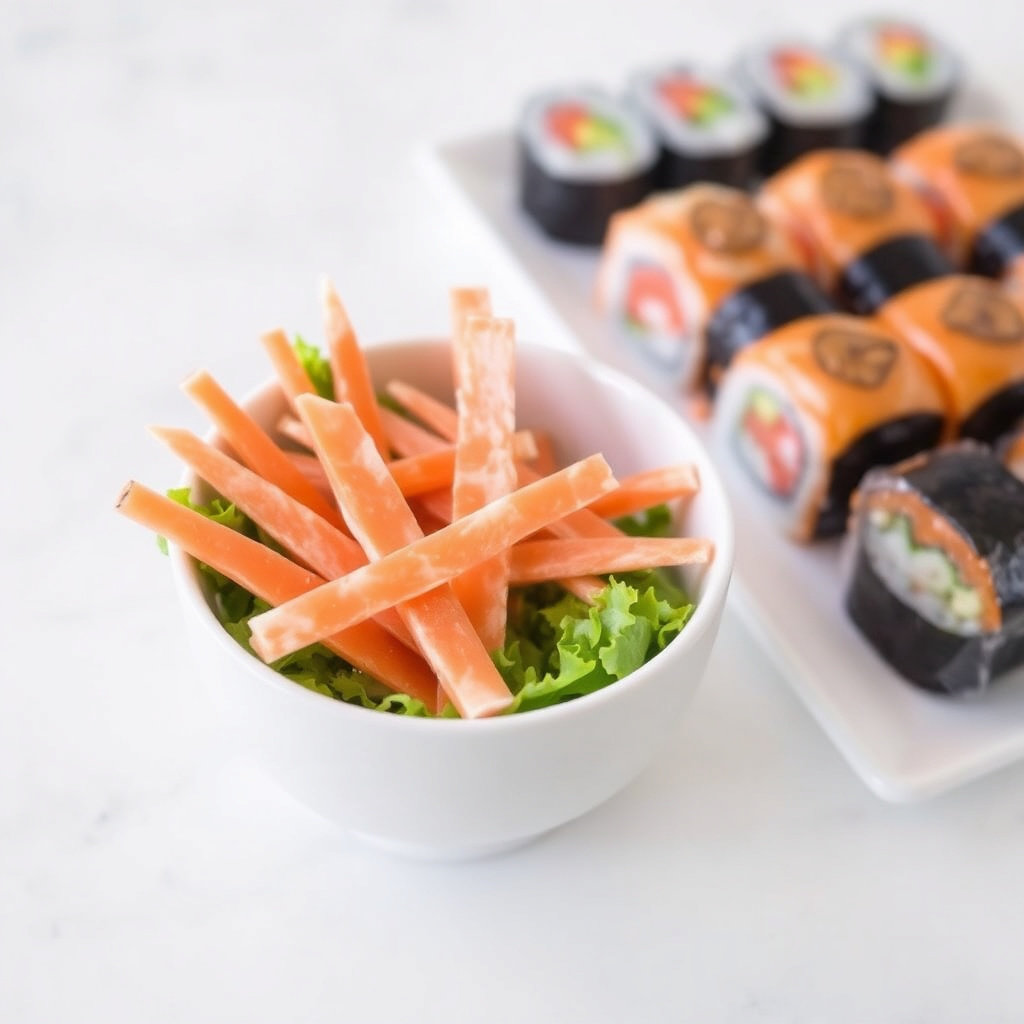
Best Recipes for Imitation Crab
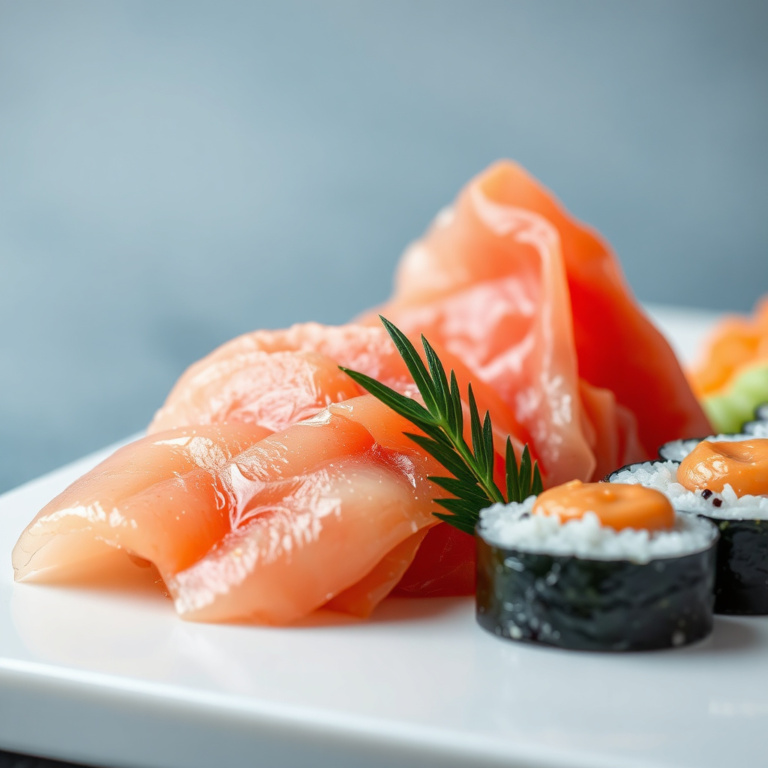
Imitation crab is commonly used in sushi rolls like the California roll, seafood salads, crab cakes, and casseroles. Its mild taste absorbs seasonings well, and it cooks quickly, making it a convenient ingredient in cold and hot dishes.
Because imitation crab is pre-cooked, it’s best added toward the end of cooking to avoid overcooking, which can make it rubbery or mushy.
- Sushi rolls
- Seafood salads
- Hot casseroles or soups
- Crab cakes and dips
Storage and Shelf Life
Imitation crab is sold fresh, frozen, or vacuum-packed. Keep it refrigerated and consume within a few days once opened. Frozen sticks can last several months unopened but may lose texture after too long in the freezer.
Always check expiry dates, and when defrosting frozen imitation crab, do so gradually in the refrigerator to preserve food safety and quality.
Health and Allergies Regarding Imitation Crab

Allergy Considerations
Unlike real crab, imitation crab is usually free of crustacean shellfish allergens but may contain fish allergens from the base ingredient or other additives like egg or wheat gluten. It’s important to check labels if you have food allergies.
Some brands clearly mark allergen information, helping people with specific dietary restrictions avoid adverse reactions.
For more on this, see our related guide: What Is Temaki? A Complete Guide to the Hand-Rolled Sushi Cone.
Nutritional Health Aspects
Imitation crab provides a low-fat, low-calorie protein option that fits well into many diets but watch for higher sodium levels and additives. Some people prefer it because it offers a sustainable alternative to overfished crab species.
For those looking for nutrient-rich seafood, real crab or oily fish might be preferable due to their omega-3 and mineral content.
Where to Buy and How to Choose Quality Imitation Crab

Popular Retail Sources
Imitation crab is widely available in supermarkets, Asian grocery stores, and online. Look for brands with good reviews and clear ingredient lists. Frozen sections often stock vacuum-sealed sticks or chunks.
Buying from trusted sellers can help ensure freshness and honest labeling, which is important for transparency about additives and allergens.
For a comprehensive explanation of the surimi process behind imitation crab, refer to Surimi on Wikipedia. Surimi on Wikipedia.
Tips for Selecting High-Quality Imitation Crab
High-quality imitation crab should have a firm texture, bright color without unnatural intensities, and no off-putting odors. Avoid products with excessive fillers or preservatives listed early in the ingredients.
Check packaging to confirm it is intact and correctly refrigerated or frozen depending on the product type for best quality.
- Check for firm texture and natural color
- Avoid strong chemical or fishy odors
- Read ingredient list carefully
- Purchase from reputable sources
Imitation Crab vs. Other Seafood Substitutes Comparison
The table below highlights how imitation crab measures up against alternative seafood substitutes based on key characteristics.
| Seafood Substitute | Primary Ingredient | Texture | Taste | Typical Use | Price Range |
|---|---|---|---|---|---|
| Imitation Crab | White fish (surimi) | Soft, slightly rubbery | Mild crab-like flavor | Sushi, salads, cooked dishes | Low |
| Real Crab | Crab meat | Flaky and tender | Sweet, rich crab flavor | Gourmet dishes, fresh consumption | High |
| Tofu Seafood | Soy protein | Firm and chewy | Neutral, absorbs flavors | Vegetarian seafood alternatives | Medium |
| Jackfruit 'Crab' | Jackfruit pulp | Fibrous, chewy | Mild, sweet, neutral | Vegan recipes mimicking crab texture | Low |
| Lobster-flavored Surimi | White fish (surimi) | Firm | Strong crustacean flavor | Specialty seafood products | Medium |
Frequently Asked Questions
Is imitation crab healthy to eat?
Imitation crab can be a healthy low-fat protein source but usually has more sodium and fewer nutrients than real crab. It is a good choice for budget-conscious diets but less nutrient-dense overall.
Does imitation crab contain real crab?
Most imitation crab products contain little or no actual crab meat. They rely primarily on surimi fish paste flavored and colored to mimic crab.
Can people allergic to shellfish eat imitation crab?
Since imitation crab usually lacks shellfish proteins, it can be safe for those allergic to crab and other shellfish, but watch for fish, egg, or gluten allergens in the ingredients.
How should imitation crab be stored?
Store imitation crab in the refrigerator if fresh or vacuum-packed and use within a few days after opening. Frozen sticks can be kept for months unopened.
Is imitation crab suitable for sushi?
Yes, imitation crab is a common ingredient in many sushi rolls like California rolls because of its crab-like flavor and firm texture.
Key Takeaways
- Imitation crab is made from surimi, a processed white fish paste, shaped and colored to mimic real crab.
- It offers an affordable and allergen-sensitive seafood alternative but differs in taste, texture, and nutrition.
- Best used in cooked or cold dishes where exact crab texture is less critical, such as sushi and salads.
- Review ingredient lists carefully to avoid allergens and select fresh, high-quality products.
Conclusion
Deciding whether imitation crab is right for your needs depends on balancing budget, dietary restrictions, and flavor preferences. By focusing on key factors like its surimi base, ingredient additives, and intended culinary use, you can make an informed choice that fits your lifestyle. Understanding how imitation crab is crafted and how it performs in recipes helps bring clarity to what often seems like a confusing product.
If your goal is to replicate the experience of real crab closely, investing in fresh or frozen true crab meat is ideal for dishes where texture and flavor truly matter. However, imitation crab works well in casual cooking like sushi rolls, seafood salads, or casseroles where price and convenience matter more. For those with shellfish allergies or on a budget, imitation crab offers a safe and cost-effective alternative. Consider the preparation method and storage guidelines to maintain its best quality.
Ultimately, the next step is to try imitation crab in familiar recipes to gauge if its unique qualities suit your palate and health needs. Whether you choose imitation crab for its affordability or allergen profile, selecting high-quality surimi products and cooking them carefully will yield the most satisfying results.