The Healthiest Chinese Food to Order: Your Guide to Nutritious Choices
When ordering Chinese food, some dishes stand out as healthier options thanks to their ingredients and cooking methods. The healthiest Chinese food to order typically features steamed, stir-fried, or boiled preparations with lean proteins and plenty of vegetables, avoiding heavy sauces and deep-frying.
Choosing such meals can support better health outcomes by reducing excess sodium, unhealthy fats, and calories often found in popular Chinese takeout dishes. Opting for steamed dumplings, vegetable stir-fries, or soups provides a balanced nutrient profile without sacrificing flavor.
This article will explore key factors influencing healthier Chinese food choices, break down popular dishes by nutritional value, and offer tips for customizing your order to maintain a nutritious diet while enjoying authentic flavors.
Understanding Nutritional Components in Chinese Cuisine
Common Ingredients and Their Health Impact
Chinese cuisine uses a rich variety of ingredients such as bok choy, broccoli, mushrooms, lean meats like chicken or tofu, and sauces rich in soy. Vegetables contribute fiber and vitamins, while lean proteins add essential amino acids with less saturated fat.
However, some sauces carry high sodium and sugar content, which can offset the benefits of fresh ingredients. Understanding these components helps in selecting dishes that maximize health benefits.
Cooking Methods That Affect Nutrition
Steaming and boiling preserve nutrients and minimize added fats, making them healthier cooking methods. Stir-frying with small amounts of healthy oils like peanut or canola oil can also retain flavor without excessive calories.
Avoiding deep-fried options and thick, sugary sauces significantly reduces calorie intake and unhealthy fats. Vegetarian and tofu-based dishes often utilize these lighter cooking techniques.
Best Healthy Chinese Food to Order Options

Steamed and Boiled Dishes
Steamed dumplings or steamed fish dishes offer protein with minimal added fat. These are often accompanied by vegetables, maintaining a good balance of nutrients while limiting unhealthy extras.
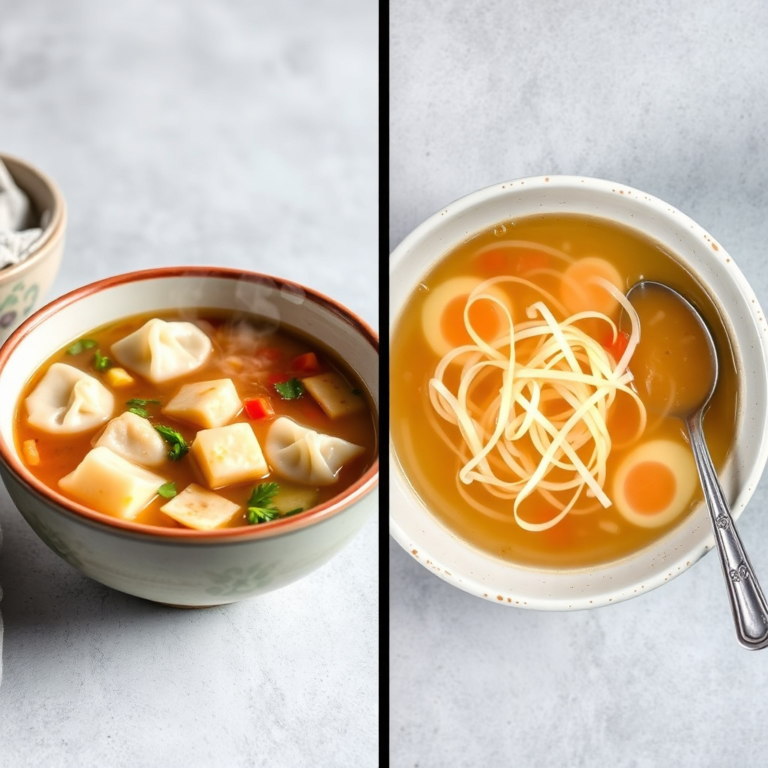
Boiled soups, such as hot and sour or wonton soup, can be filling and hydrating but watch for broth sodium levels. Soups with clear broth, lean protein, and lots of vegetables provide a satisfying low-calorie meal.
- Steamed chicken and broccoli
- Steamed vegetable dumplings
- Tofu and vegetable hot pot
- Clear broth soups with lean meat
Stir-Fried Dishes with a Healthy Twist
Stir-fried dishes can be healthy when cooked with minimal oil and loaded with fresh vegetables. Options like chicken or tofu with mixed vegetables offer protein, fiber, and antioxidants.
Requesting sauces on the side or choosing lighter sauces such as garlic sauce or black bean sauce can reduce sodium and sugar. Brown rice can be a healthier accompaniment compared to white rice.
- Chicken and snow peas stir-fry
- Tofu with mixed vegetables
- Beef and broccoli with light sauce
- Shrimp with garlic sauce
Avoiding Unhealthy Chinese Food Pitfalls

High Sodium and Sugar in Sauces
Many Chinese sauces are high in sodium and sugar, such as sweet and sour or General Tso's sauce. Excessive sodium intake can contribute to high blood pressure and other health issues.
Requesting sauces on the side or selecting dishes with lighter sauces helps control intake. Opting for fresh herbs and spices can enhance flavor naturally.
Deep-Fried Foods and Added Calories
Popular deep-fried dishes like egg rolls, crab rangoon, or fried rice add significant unhealthy fats and calories. These increase the risk of weight gain and negatively affect heart health.
Limiting deep-fried items and substituting with steamed or stir-fried alternatives lowers unhealthy fat intake without missing out on texture or flavor variety.
Customizing Your Order for Health

Portion Control and Balanced Plates
Portion sizes in Chinese takeout can be large and encourage overeating. Sharing dishes or requesting smaller portions helps avoid excessive calorie consumption.
Combining a protein-rich dish with vegetable-based sides or soup ensures a balanced meal with fiber and nutrients, supporting digestion and blood sugar control.
Requesting Modifications and Special Instructions
Don't hesitate to ask for sauces on the side, less oil, or no added sugar to improve the healthfulness of your dish. Most restaurants accommodate these requests.
Choosing brown rice instead of white rice and skipping fried appetizers are simple changes that significantly improve nutritional quality.
- Ask for light or no sauce
- Request steamed instead of fried
- Choose brown rice over white rice
- Split larger portions
Nutrition Benefits of Popular Healthy Chinese Ingredients

Vegetables like Bok Choy and Broccoli
Bok choy and broccoli provide fiber, vitamins A and C, and antioxidants, supporting immune function and digestion. They add volume to meals with few calories, helping maintain fullness.
Including these vegetables in your Chinese dishes enhances nutrient density while keeping the calorie count low, making them ideal for weight management.
- Rich in vitamins A, C
- High fiber content
- Contains antioxidants
Lean Proteins: Chicken, Tofu, and Seafood
Lean chicken breast, tofu, and seafood provide high-quality protein essential for muscle repair and metabolic health. They are lower in saturated fat compared to red meat.
Using these proteins in stir-fries or steamed dishes helps maintain muscle mass and supports overall energy balance.
- Low in saturated fat
- High-quality protein source
- Versatile in many dishes
Balancing Flavors Without Sacrificing Nutrition

Using Herbs and Spices
Ginger, garlic, scallions, and chili add flavor and health benefits without adding calories or sodium. These ingredients promote digestion and have anti-inflammatory properties.
Incorporating these flavorings in dishes enhances the eating experience while supporting wellness goals naturally.
For a comprehensive look at ingredients and regional variations, see this Chinese cuisine nutrition overview. Chinese cuisine nutrition overview.
Managing Sweet and Savory Tastes
Balancing the sweetness and savoriness in dishes requires careful selection of sauces. Opting for natural sweetness from vegetables and limiting added sugars keeps meals healthy.
Savoriness can be boosted with reduced-sodium soy sauce and mushroom extracts, adding umami depth without excessive salt.
Healthy Chinese Food Category Comparison
Here’s how popular healthy Chinese food categories stack up nutritionally to help you decide your order.
| Category | Calories per Serving | Sodium (mg) | Fat (g) | Preparation Style |
|---|---|---|---|---|
| Steamed Dishes | 250-350 | 400-600 | 3-6 | Steamed with minimal oil |
| Stir-Fried Vegetables and Proteins | 300-450 | 600-900 | 8-12 | Stir-fried with light oil |
| Soups (clear broth) | 150-250 | 500-800 | 2-5 | Boiled, broth-based |
| Deep-Fried Items | 400-700 | 800-1200 | 18-30 | Deep-fried with batter |
| Fried Rice and Noodles | 500-700 | 900-1300 | 12-20 | Pan-fried with oil |
Frequently Asked Questions
Is steamed chicken healthier than fried chicken in Chinese food?
Steamed chicken is healthier because it uses no added fats and preserves more nutrients, while fried chicken involves high oil content, increasing calories and unhealthy fats.
Can I make Chinese food healthier at home?
Yes, cooking Chinese dishes at home lets you control ingredients and cooking methods, such as using less oil, limiting salt, and adding more vegetables.
Are vegetarian Chinese dishes always healthier?
Not always. Some vegetarian dishes include fried items or heavy sauces. It’s best to choose those with steamed or stir-fried vegetables and minimal sauce.
What is a healthy Chinese food alternative to fried rice?
Steamed brown rice or vegetable stir-fries with lean protein are healthy alternatives to fried rice, offering more fiber and less fat.
How can I reduce sodium when eating Chinese takeout?
Request sauces on the side, avoid dipping sauces high in salt, and select dishes with fresh vegetables and steamed preparations to reduce sodium intake.
Key Takeaways
- Choose steamed or boiled dishes for lower fat and calories.
- Opt for stir-fries with minimal oil and lots of vegetables.
- Avoid deep-fried items and heavy sauces high in sodium and sugar.
- Customize orders by requesting sauces on the side and smaller portions.
Conclusion
Identifying the healthiest Chinese food to order focuses on prioritizing cooking methods and ingredient choices that emphasize lean proteins, fresh vegetables, and minimal added fats or sugars. Careful scrutiny of sauces and portion sizes greatly influences the nutritional profile of your meal. By favoring steamed or boiled options and light stir-fries, customers can enjoy authentic Chinese flavors without the common drawbacks of traditional takeout.
Dishes such as steamed chicken with broccoli, tofu stir-fry, or clear broth soups are excellent go-to choices when health matters. Steering away from deep-fried favorites and excessive sodium-loaded sauces further enhances well-being. For those seeking calorie-conscious meals, selecting low calorie Chinese dishes like steamed seafood or vegetable dumplings aligns perfectly with maintaining a balanced diet.
To take a practical step, review menu options and don’t hesitate to ask for meal customizations that reduce oil and salt. Consider sharing larger entrees or supplementing with vegetable-rich soups to balance your order. These mindful decisions help make Chinese cuisine a flavorful yet nourishing option for regular enjoyment.