What Is in Fried Rice? A Complete Guide to Its Key Ingredients
Fried rice is a popular dish made primarily of cooked rice stir-fried in a wok or skillet with a variety of ingredients such as vegetables, protein, and seasonings. Common components include cooked rice, soy sauce, eggs, garlic, onions, and some type of meat like chicken, shrimp, or pork. It is often garnished with green onions or sesame oil for added flavor.
Understanding what is in fried rice reveals why this dish is both quick to prepare and highly adaptable to any preference or leftover ingredients you have on hand. The simplicity of fried rice—mainly rice and stir-fried components—makes it a staple in many cultures, especially in Asian cuisine, where regional variations highlight different spices and additions.
This article will detail the core ingredients traditionally found in fried rice, examine popular variations, discuss essential cooking techniques, and provide helpful tips for anyone wanting to master the dish. You’ll also find a comparison of different types of fried rice recipes and answers to common questions about this beloved meal.
Core Ingredients in Fried Rice

Rice as the Base
Rice is the foundation of fried rice, ideally leftover, cold, or day-old rice. This dryness prevents clumping and allows the grains to fry up independently, creating the characteristic texture. Jasmine and long-grain rice varieties are favored due to their fluffy consistency.
Freshly cooked hot rice can cause sogginess. When making fried rice, it’s best to use rice that has been cooled or refrigerated for several hours.
- Day-old cooked rice
- Long grain or jasmine varieties
- Cold, separated grains
Vegetables and Aromatics
Typical vegetables in fried rice include diced onions, peas, carrots, corn, and green onions. Aromatics like garlic and sometimes ginger provide a fragrant base that elevates the dish’s flavor profile.
These ingredients are sautéed quickly to maintain crunch and color while infusing the rice with savory notes. The exact vegetable mix often depends on personal taste or what’s available.
- Garlic and onions
- Carrots and peas
- Green onions
- Optional ginger
Protein Components in Fried Rice
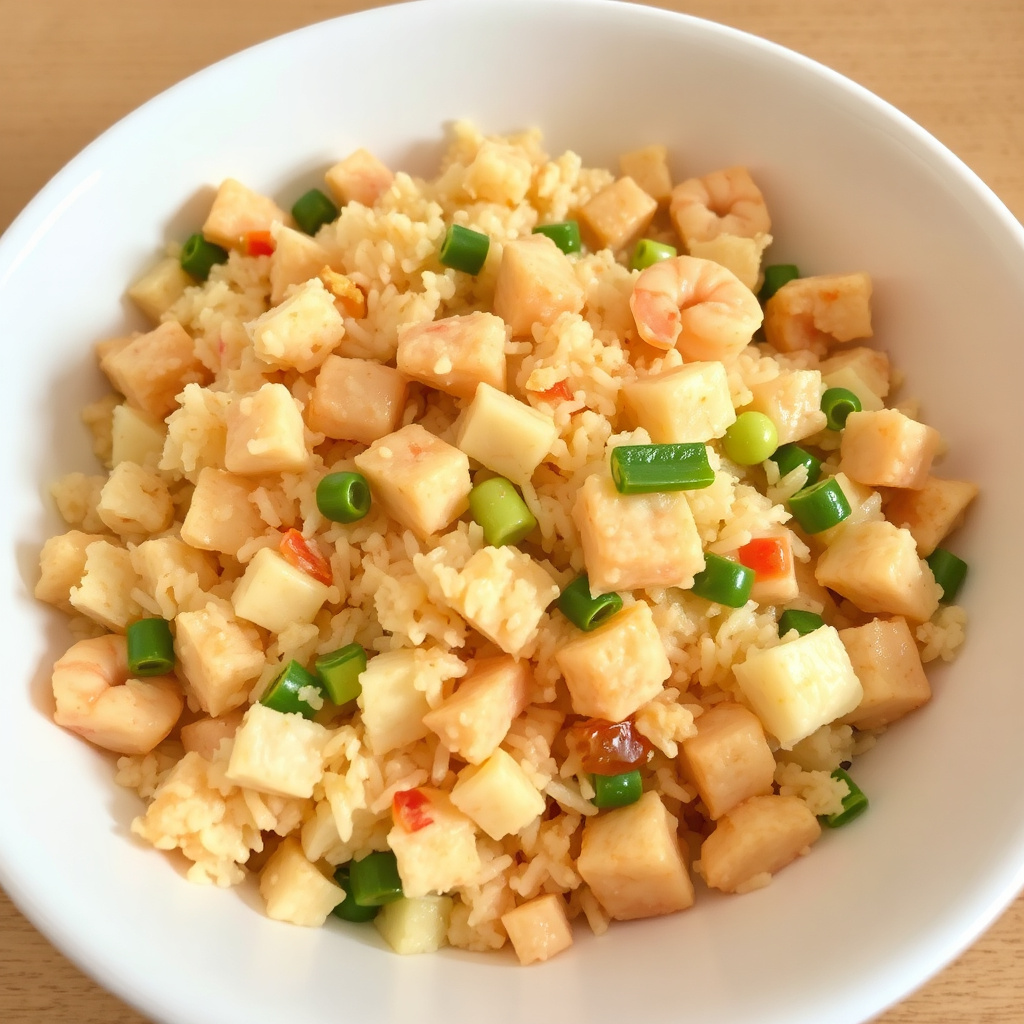
Eggs in Fried Rice
Eggs are a classic addition to fried rice, either scrambled into the rice or cooked separately before mixing. They add both protein and a soft texture that complements the grains and vegetables.
Cooking eggs directly in the wok helps them incorporate fully into the rice, ensuring even distribution and a silky mouthfeel.
- Scrambled eggs
- Cooked directly in the pan
- Adds texture and protein
Meat and Seafood Options
Common protein additions include diced chicken, pork, shrimp, or beef. These are usually pre-cooked or quickly stir-fried before adding the rice. Seafood, such as shrimp, offers a distinctive flavor and often appears in many traditional fried rice recipes.
Vegetarian options can omit meat, or substitute with tofu or tempeh for added protein.
- Diced chicken, pork, shrimp, or beef
- Pre-cooked or stir-fried
- Vegetarian substitutes like tofu
Seasonings and Flavor Enhancers in Fried Rice

Soy Sauce and Other Liquid Seasonings
Soy sauce is the primary seasoning that imparts savory umami to fried rice. While light soy sauce preserves color, dark soy sauce adds a richer color and deeper flavor. Some recipes include oyster sauce or fish sauce for complexity.
Balancing the soy sauce amount is key to avoid oversalting while delivering the characteristic fried rice taste.
- Light and dark soy sauce
- Oyster sauce
- Fish sauce
- Avoid oversalting
For more on this, see our related guide: What Is Yang Chow Fried Rice? A Complete Guide to This Classic Dish.
Additional Flavor Boosters
Sesame oil is often added at the end of cooking to provide a nutty aroma and richness. Ground white pepper or black pepper contributes mild heat. Some cooks add chili paste or fresh chili for spice.
Fresh herbs like cilantro or scallions are typically sprinkled on top for freshness and color contrast.
- Sesame oil
- White or black pepper
- Chili paste or fresh chili
- Scallions or cilantro garnish
Fried Rice Cooking Techniques

Using the Wok for Frying
A wok’s curved shape and high heat make it ideal for frying rice quickly and evenly. Constant stirring and tossing prevent rice from sticking and help develop a smoke-kissed aroma known as 'wok hei.'
Proper heat management and ingredient timing are essential to get that restaurant-quality texture and flavor.
- High-heat cooking
- Constant stirring and tossing
- Achieving 'wok hei'
Stir-Frying Order and Tips
Typically, aromatics and vegetables cook first, followed by protein, then rice, and lastly eggs and seasonings. Adding ingredients in the right sequence ensures even cooking and flavor blending.
Using leftover cold rice helps achieve separation. Overcrowding the pan should be avoided for proper frying.
- Cook aromatics and vegetables first
- Add protein before rice
- Stir in eggs last
- Avoid overcrowding pan
Popular Fried Rice Variations Around the World

Chinese and American-Chinese Styles
Classic Chinese fried rice often features simple ingredients like eggs, scallions, and soy sauce, occasionally including shrimp or pork. American-Chinese adaptations may add peas, carrots, and more pronounced seasoning to fit local tastes.
These styles emphasize a balanced texture and rich, savory flavor profile.
- Eggs, scallions, soy sauce
- Shrimp or pork optional
- Peas and carrots in American variation
For more on this, see our related guide: What Is Singapore Rice Noodles? Understanding This Popular Dish.
Southeast Asian Fried Rice Variants
In Thailand, fried rice (khao pad) often uses jasmine rice with garlic, fish sauce, and a squeeze of lime. Indonesian nasi goreng includes sweet soy sauce (kecap manis) and sometimes chili paste for heat.
These regional takes offer a more complex sweetness or spiciness that distinguishes them from Chinese versions.
- Thai khao pad uses fish sauce and lime
- Indonesian nasi goreng includes kecap manis
- Use of chili paste varies
Customizing Fried Rice to Your Taste

Adjusting Ingredients for Dietary Preferences
Fried rice is easily adapted for vegetarian, vegan, low-carb, or gluten-free diets by switching ingredients. Tofu or tempeh substitutes animal proteins; tamari or coconut aminos replace soy sauce for gluten-free needs.
Low-carb versions replace rice with cauliflower rice, maintaining texture while reducing carbs.
- Use tofu or tempeh for protein
- Replace soy sauce with tamari
- Cauliflower rice for low-carb option
For more detailed historical and cultural information about fried rice, you can visit the Fried rice on Wikipedia page. Fried rice on Wikipedia.
Adding Unique Flavors and Textures
You can customize fried rice by mixing in nuts like cashews, dried fruits like raisins, or various spices such as curry powder. These tweaks add depth and make the dish uniquely yours.
Fresh herbs and citrus zest can brighten the dish right before serving, enhancing aroma and taste complexity.
- Nuts and dried fruits
- Different spice blends
- Finishing with herbs or citrus zest
Fried Rice Category Comparison
Here's a straightforward comparison of common fried rice types based on flavor profile, key ingredients, and typical protein choices.
| Category | Flavor Profile | Key Ingredients | Common Proteins |
|---|---|---|---|
| Chinese Fried Rice | Savory and mild | Rice, soy sauce, eggs, scallions | Pork, shrimp, chicken |
| American-Chinese Fried Rice | Savory with sweet undertones | Rice, soy sauce, peas, carrots, eggs | Chicken, pork |
| Thai Khao Pad | Savory with citrus notes | Jasmine rice, fish sauce, garlic, lime | Shrimp, chicken |
| Indonesian Nasi Goreng | Sweet and spicy | Rice, kecap manis, chili paste, garlic | Chicken, shrimp |
| Vegetarian Fried Rice | Savory and fresh | Rice, vegetables, soy sauce, tofu | Tofu, tempeh |
Frequently Asked Questions
Can I make fried rice without leftovers?
Yes, but it is best to use day-old or cooled rice to prevent clumping and sogginess. Freshly cooked hot rice tends to stick together and result in a mushy texture.
Is fried rice healthy?
Fried rice can be healthy or less so depending on ingredients and cooking methods. Using plenty of vegetables, lean proteins, and moderate oil can create a balanced dish.
What type of rice is best for fried rice?
Long-grain rice such as jasmine or basmati is preferred because it stays fluffy and separated. Avoid sticky or short-grain rice that clumps easily.
Can fried rice be made vegan?
Absolutely. Simply omit eggs and meat, and use tofu or tempeh for protein. Also, replace traditional soy sauce with tamari to avoid gluten if needed.
Why should I use a wok to cook fried rice?
A wok’s high-heat and sloped sides allow quick cooking while constantly tossing ingredients. This results in better texture and a unique smoky flavor known as ‘wok hei.’
Key Takeaways
- Fried rice is centered on day-old rice combined with vegetables, proteins, and seasonings.
- Soy sauce and aromatics like garlic define its savory flavor.
- Protein choices include eggs, chicken, pork, shrimp, or vegetarian substitutes.
- Different world regions have distinct takes on fried rice flavors and ingredients.
Conclusion
Understanding what is in fried rice helps demystify this widely loved dish and highlights its versatility. By focusing on good quality, leftover rice and combining it with fresh vegetables, eggs, protein, and well-chosen seasonings, anyone can create flavorful fried rice at home. Paying attention to cooking technique—especially ingredient order and heat—ensures the ideal texture and taste.
Different recipes suit different palates; for example, the Chinese classic favors subtle savory flavors with pork or shrimp and eggs, while the Indonesian nasi goreng features sweeter and spicier notes via kecap manis and chili paste. If you want a lighter or plant-based option, vegetarian fried rice where tofu replaces meat is a great alternative without sacrificing satisfaction.
The next step is to experiment with your favorite ingredient combinations and seasonings. Starting with a reliable fried rice recipe incorporating soy sauce, eggs, and green onions will teach you the basics. From there, you can customize by region or taste preference, making fried rice a practical and delicious meal tailored perfectly to your kitchen.


One Comment