How to Make Orange Chicken: A Simple Homemade Recipe
Making orange chicken at home is easier than you might think and delivers a deliciously crispy and tangy dish in just about 30 minutes. This recipe combines battered chicken pieces fried until golden with a sticky, sweet orange sauce that balances tang and spice beautifully. Whether you’re cooking for yourself or a group, you can recreate the flavors of a popular Chinese-American restaurant classic right in your own kitchen.
The significance of mastering orange chicken lies not only in its delightful taste but in its accessibility. Store-bought sauces often contain high sugar and preservatives, whereas making it yourself lets you control the ingredients and customize the flavor. Plus, preparing it fresh improves texture and allows for adjustments, such as adding a kick of spice or toning down sweetness.
In this article, we’ll walk through the key steps and tips for making orange chicken from scratch. You’ll find guidance on preparing the chicken for frying, mixing the perfect orange sauce, and tips on how to get a beautifully crispy coating. Additionally, we’ll explore variations, side dish ideas, and a comparison of common orange chicken styles to tailor the dish to your taste.
Choosing and Preparing Chicken for Orange Chicken

Best Chicken Cuts for Crispy Orange Chicken
Boneless, skinless chicken thighs are ideal for orange chicken because they retain moisture and have more flavor than breasts. If you prefer leaner meat, chicken breasts work fine but can dry out if overcooked. Cut the chicken into bite-sized, uniform pieces to ensure even cooking and consistent crispness.
Avoid using whole pieces or bone-in cuts as they require longer cooking times and do not absorb batter as well, leading to less crispiness. Preparing the chicken properly is the foundation of a satisfying orange chicken dish.
- Boneless skinless chicken thighs recommended
- Chicken breasts as lean alternative
- Cut into 1 to 1.5-inch pieces
- Avoid bone-in for frying
Tips for Breading and Marinating
Marinate the chicken in a mixture containing soy sauce, a bit of rice wine or vinegar, and sometimes egg, to enhance flavor and tenderness. This also helps the batter adhere better during frying. For crispiness, use a coating made from cornstarch or a mix of cornstarch and flour, which fries up lighter than just flour.
Pat the chicken dry before marinating to ensure batter sticks well. Let marinate for at least 15 minutes, but not longer than an hour to prevent overly soft meat. This step is key to achieving the right texture and mouthfeel.
- Marinate in soy sauce and rice wine
- Use egg to bind marinade
- Coat with cornstarch or cornstarch-flour mix
- Pat chicken dry before marinating
Crafting the Perfect Orange Sauce for Orange Chicken
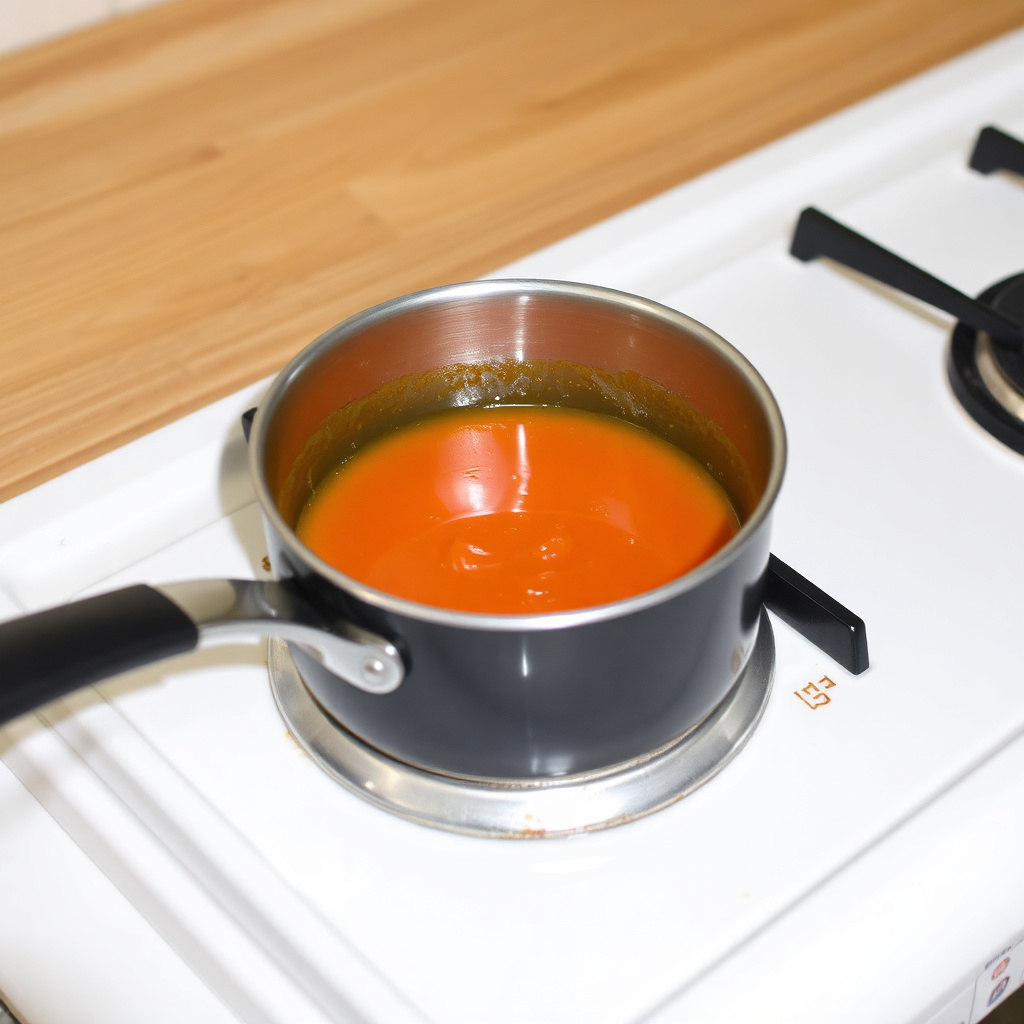
Essential Ingredients in Orange Chicken Sauce
The traditional orange sauce balances sweetness, acidity, and a hint of spice. Key ingredients include fresh orange juice or zest, sugar, soy sauce, rice vinegar, and garlic. Adding ginger and chili flakes or Sriracha can provide depth and a subtle heat. Cornstarch is used to thicken the sauce to a glossy, clingy consistency that coats the chicken beautifully.
Using fresh orange juice rather than bottled concentrate brightens the flavor and avoids excessive sweetness. Adjust sugar levels based on your preference for sweeter or tangier sauce.
- Fresh orange juice and zest
- Sugar or honey
- Soy sauce for umami
- Rice vinegar for acidity
- Cornstarch slurry for thickening
- Optional: ginger and chili for spice
For more on this, see our related guide: What Is Sesame Chicken? A Complete Guide to This Popular Chinese-American Dish.
Techniques for Making a Smooth and Balanced Sauce
Start by combining the liquid ingredients and sweeteners in a saucepan over medium heat, stirring until sugar dissolves. Add zest and any aromatics like ginger and garlic, then bring to a gentle simmer. Slowly whisk in a cornstarch slurry to thicken the sauce without lumps. Taste and adjust seasoning, balancing sweet, sour, and savory notes.
Simmer only until sauce thickens; overcooking can break down the fresh orange flavor. Serve the sauce warm over the fried chicken immediately for ideal texture.
- Dissolve sugar in orange juice mixture
- Simmer gently with zest and aromatics
- Whisk in cornstarch slurry gradually
- Avoid overcooking to preserve brightness
Frying and Finishing Your Homemade Orange Chicken

How to Achieve Crispy, Even Frying
Use a neutral oil with a high smoke point such as vegetable or peanut oil. Maintain oil temperature around 350°F (175°C) to create a crispy coating without absorbing excess oil. Fry chicken pieces in small batches to prevent temperature drop and overcrowding, which leads to sogginess.
Drain fried chicken on a wire rack rather than paper towels to keep the crust crisp. The double-fry method, frying chicken twice for a short time, can create extra crunch but is optional depending on your preference and schedule.
- Use vegetable or peanut oil
- Maintain oil temperature near 350°F
- Fry in small batches
- Drain on wire rack to keep crisp
Tossing and Serving for Best Results
Once the sauce is ready and chicken is fried, quickly toss the chicken in the hot sauce to evenly coat each piece. This step should be done just before serving to preserve crispiness while ensuring full flavor coverage. Garnish with green onions or sesame seeds for extra aromatic notes and presentation.
Serve immediately with steamed rice or vegetables to complete the meal. The contrast of crispy chicken and sticky, tangy sauce is most enjoyable this way.
- Toss fried chicken in warm sauce quickly
- Garnish with green onions or sesame seeds
- Serve immediately with rice or vegetables
Variations and Dietary Adjustments for Orange Chicken

Alternative Proteins and Vegetarian Options
To accommodate vegetarian diets, replace chicken with firm tofu or cauliflower florets battered and fried the same way. Tofu soaks up the orange sauce well and delivers a similar texture when fried properly. For a lower-fat option, baking the battered pieces instead of frying can reduce oil content with slightly less crispiness.
Other meat alternatives like shrimp or pork can be used in the same recipe, adjusting frying times accordingly. These variations maintain the signature orange sauce flavor with different protein textures.
- Use firm tofu or cauliflower for vegetarian
- Bake instead of fry for less oil
- Try shrimp or pork as alternatives
- Adapt frying time per protein
For more on this, see our related guide: What Is Orange Chicken? A Complete Guide to This Popular Dish.
Adjusting Sweetness and Spice Levels
The orange sauce sweetness can be adjusted by varying sugar or honey amounts. To reduce sweetness, add more rice vinegar or fresh orange juice. For heat lovers, increasing chili flakes or adding fresh chopped chili peppers enhances the spice level. Balancing these elements lets you customize the sauce to your taste.
Keep notes when experimenting with adjustments to replicate your favorite settings next time. This personalization makes the homemade orange chicken recipe uniquely yours.
- Adjust sugar for sweetness level
- Increase vinegar or orange juice for tang
- Add chili flakes or fresh chilis for heat
- Document preferred balance for future
Serving Suggestions and Side Dishes to Complement Orange Chicken

Classic Sides to Pair with Orange Chicken
Steamed white or jasmine rice is the traditional accompaniment, soaking up the flavorful orange sauce perfectly. Stir-fried or steamed vegetables like broccoli, snap peas, and bell peppers add color and nutrition. A simple cucumber salad or pickled vegetables can provide refreshing contrast to the rich dish.
Serving with egg rolls or dumplings can round out a full meal experience reflective of Chinese-American cuisine. These sides balance texture and flavor to enhance enjoyment.
- Steamed jasmine or white rice
- Stir-fried broccoli and snap peas
- Cucumber salad or pickled veggies
- Egg rolls or dumplings as sides
For additional background and variations on orange chicken, see the detailed Wikipedia article about orange chicken. Orange chicken on Wikipedia.
Creative Serving Ideas and Presentation
For a casual setting, serve orange chicken over fried rice or inside lettuce wraps for a handheld option. Garnishing with chopped green onions, toasted sesame seeds, and fresh orange zest adds visual appeal and flavor contrast. Using a colorful plate or bowl encourages appetite.
For meal prep, orange chicken can be portioned with rice and veggies in containers, reheating well for lunches. Presentation and portion control make this dish versatile for various occasions.
- Serve over fried rice or lettuce wraps
- Garnish with green onions and sesame seeds
- Use citrus zest toppings
- Meal prep-friendly in portioned containers
Orange Chicken Cooking Methods Comparison
This table compares key aspects of different cooking methods used to prepare orange chicken for best results.
| Method | Texture | Preparation Time | Healthiness | Flavor Depth |
|---|---|---|---|---|
| Deep Frying | Very crispy and golden | 25-30 minutes | Higher in fat | Rich, traditional flavor |
| Pan Frying | Moderate crispiness | 20-25 minutes | Moderate fat | Good flavor with less oil |
| Baking | Less crispy, drier | 30-40 minutes | Lower fat | Milder flavor profile |
| Air Frying | Crispy with less oil | 20-25 minutes | Healthier option | Nearly traditional flavor |
Frequently Asked Questions
Can I use frozen chicken for orange chicken?
It's best to use fresh or fully thawed chicken to ensure even cooking and proper crispiness. Frozen chicken tends to release moisture, making the batter soggy.
How do I make the orange sauce less sweet?
Reduce the sugar or honey in the sauce recipe and add a bit more rice vinegar or fresh orange juice to increase tanginess for a balanced flavor.
Is it possible to make orange chicken gluten-free?
Yes. Use gluten-free soy sauce and substitute regular flour with a gluten-free flour blend or rice flour for battering the chicken.
Can I prepare orange chicken sauce in advance?
You can make the sauce ahead and reheat it gently before tossing with fried chicken, but it tastes best when freshly made to preserve its bright citrus notes.
What oil is best for frying orange chicken?
Use oils with high smoke points like vegetable, peanut, or canola oil for frying to get a crispy coating without burning the oil.
Key Takeaways
- Use boneless chicken thighs for moist, flavorful orange chicken
- Fresh orange juice and cornstarch-thickened sauce create classic taste
- Fry chicken in small batches at 350°F for crispy texture
- Customize sweetness and spice to your liking
Conclusion
Making orange chicken at home involves balancing crispy fried chicken with a tangy, flavorful orange sauce. By selecting the right cut of chicken and mastering the batter and sauce preparation, you can produce a dish that rivals restaurant versions without the preservatives or added sugars. Attention to frying temperature and sauce consistency ensures the dish is appealing both in texture and taste, making your homemade orange chicken a satisfying meal any night of the week.
Different cooking approaches suit different preferences and lifestyles. Deep frying traditionalists will appreciate the rich flavor and crispy texture, while air frying offers a healthier alternative without sacrificing much crunch. Baking provides a quick and lower-fat method but with reduced crispiness. Adjusting the orange sauce's sweetness and heat levels allows for a personalized dish catering to dietary needs or flavor preferences, whether pairing with steamed rice and veggies or trying vegetarian substitutes like tofu.
For your first attempt, starting with the classic deep fry orange chicken recipe provides a clear baseline. Invest in reliable kitchen tools like a thermometer and quality frying oil to maintain consistent results. Experiment with the sauce ingredients to find your preferred flavor balance. With repeated practice, you’ll build confidence making one of the most beloved dishes at home and can confidently adapt it for different occasions or dietary requirements.


One Comment