How to Eat Healthy at a Chinese Restaurant Without Sacrificing Flavor
Eating healthy at a Chinese restaurant is entirely possible by making mindful choices like selecting steamed dishes, avoiding heavy sauces, and controlling portion sizes. You can enjoy flavorful meals without overloading on calories or unhealthy fats.
Chinese cuisine often features dishes that are fried, sugary, or high in sodium, which can make dining out challenging for health-conscious individuals. However, understanding common ingredients and cooking methods allows you to pick options that support your goals without missing out on taste.
This article will guide you through the best strategies to navigate Chinese menus, recommend healthy Chinese food options, and suggest modifications that keep meals nutritious and satisfying.
Understanding Common Ingredients and Cooking Techniques

Healthy vs. Less Healthy Cooking Methods
Steaming, boiling, and stir-frying with minimal oil are among the healthier cooking techniques used in Chinese cuisine. Steamed dishes retain more nutrients and avoid added fats, making them an excellent choice.
On the other hand, deep-frying and heavy use of sauces laden with sugar, salt, and oil can increase calories and reduce nutritional value. Successfully identifying these cooking methods helps choose better meals.
- Steaming preserves nutrients and limits added fats
- Stir-frying can be healthy with limited oil
- Deep-frying adds excessive calories
- Sauces often contain sugar and high sodium
Ingredients to Embrace and Avoid
Vegetables like bok choy, broccoli, and snow peas are staples in many Chinese dishes and offer fiber and vitamins. Lean proteins such as tofu, chicken breast, and seafood can provide satisfying nutrition.
Conversely, dishes with processed meats, excessive sodium, and sugary sauces or those reliant on white rice can detract from health goals if consumed in large amounts.
- Choose fresh vegetables and lean proteins
- Limit processed meats like char siu or fatty pork
- Watch for hidden sugars in sauces
- Swap white rice for brown rice or have smaller servings
Smart Menu Choices for Healthier Eating

Selecting Balanced Main Courses
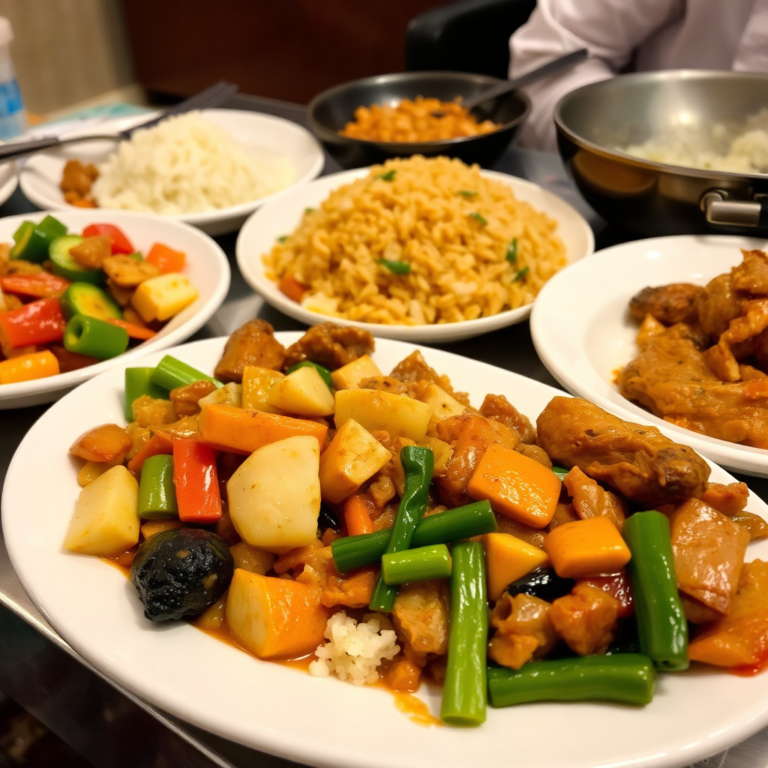
Opt for dishes centered on vegetables and lean proteins prepared by steaming or stir-frying with light oil. Steamed fish with ginger sauce or a chicken and broccoli stir-fry are good examples that balance flavor and nutrition.
Avoid mains that are heavy in fried elements, creamy sauces, or sweet glazes, as these often contain hidden fats and sugars that can derail healthy eating efforts.
Health-Conscious Side Dish Options
Instead of traditional fried rice or noodles, choose steamed brown rice when available or ask for a smaller portion of white rice to minimize simple carbohydrates intake.
Steamed or lightly sautéed vegetables and clear soups like hot and sour or wonton soup without excessive additives also support a balanced meal.
Portion Control and Dining Strategies

Sharing Dishes and Mindful Eating
Chinese cuisine is traditionally served family-style, which offers a great opportunity to try various dishes without overeating. Sharing portions allows for tasting and satisfaction without excess calorie intake.
Eating slowly and focusing on the flavors helps recognize fullness cues, preventing unintentional overeating common at restaurants.
- Order multiple dishes to share
- Focus on savoring each bite
- Pause between bites to check fullness
For more on this, see our related guide: What Is Chow Mein? A Complete Guide to the Popular Chinese Noodle Dish.
Limiting High-Calorie Extras
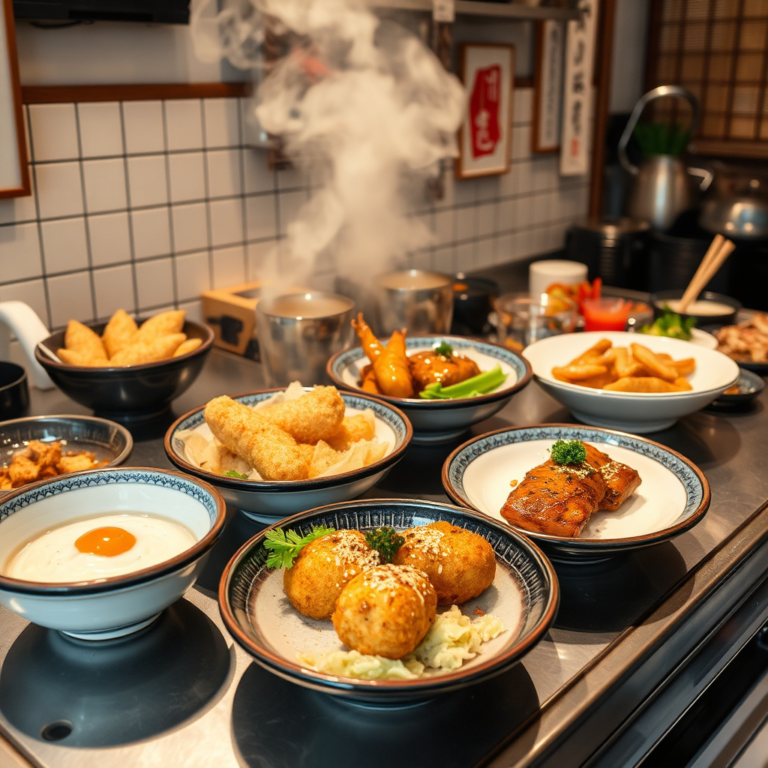
Limit or avoid appetizer options like fried dumplings and egg rolls, which can add unnecessary fats. Also, be cautious with sweetened beverages and alcoholic drinks often high in calories.
Complement your meal with water, unsweetened tea, or light broth soups to stay hydrated without added sugars.
- Skip fried appetizers
- Choose water or tea over sugary drinks
- Watch alcohol consumption
Customizing Your Order for Health

Requesting Modifications to Recipes
Most Chinese restaurants are willing to modify dishes upon request. Ask for less oil, sauce on the side, or steamed rather than fried preparations to reduce calories and sodium.
Requesting extra vegetables or substituting noodles for extra greens can boost fiber intake and nutrient density in your meal.
- Ask for sauce on the side
- Request steamed cooking instead of frying
- Add extra vegetables
Communicating Dietary Needs Clearly
If avoiding gluten, high sodium, or specific allergens, inform your server before ordering. Many dishes can be tailored or substituted to meet dietary restrictions without compromising flavor.
Clear communication helps avoid hidden unhealthy ingredients and ensures the meal suits your health preferences.
Navigating Nutritional Information and Calories

Using Online Resources and Menus
Many chain Chinese restaurants provide nutritional information on their websites or physical menus. Consulting these details ahead of time supports informed choices aligned with your health goals.
Apps and websites can estimate calorie counts for common dishes if exact values aren't available, aiding mindful ordering.
For more on this, see our related guide: What Is Sweet and Sour Pork? A Flavorful Chinese Classic Explained.
Recognizing High-Calorie Hidden Ingredients
Sauces like General Tso's, sweet and sour, and sesame often contain sugar and oil that add significant calories. Foods coated in batter or deep-fried also increase energy density despite smaller portion sizes.
Being aware of these can help select dishes that satisfy craving without excessive calorie load.
- Sauces often contain sugar and oil
- Battered and fried items are calorie-dense
- Portion size can mislead perceived calorie content
Incorporating Healthy Drinks to Complement Your Meal

Choosing Traditional Healthy Beverages
Green tea and jasmine tea often served in Chinese restaurants provide antioxidants and hydration without added calories. These drinks can enhance digestion and complement savory dishes.
Avoid sweetened beverages that add sugar without nutritional benefit.
- Green tea supports metabolism
- Herbal teas aid digestion
- Water hydrates with zero calories
For more detailed information about traditional Chinese cooking styles and ingredients, visit this Chinese cuisine nutritional overview. Chinese cuisine nutritional overview.
Limiting Sugary and Alcoholic Drinks
Specialty drinks like bubble tea, sweetened sodas, or mixed alcoholic cocktails often contain high sugar content that counters healthy meal choices.
Keeping alcohol intake moderate and selecting light options like clear spirits with soda water help maintain balance.
Healthy Chinese Food Options Category Comparison
Here is a comparison of popular healthy choices at Chinese restaurants, focusing on nutrition, calories, and flavor to help guide your order.
| Category | Typical Calories (per serving) | Sodium Content | Nutritional Benefits |
|---|---|---|---|
| Steamed Fish with Vegetables | 250-350 | Low to moderate | High protein, omega-3 fatty acids, vitamins |
| Chicken and Broccoli Stir-Fry | 300-400 | Moderate | Lean protein, fiber, antioxidants |
| Vegetable Lo Mein with Light Oil | 400-500 | Moderate to high | Fiber, vitamins, moderate calories |
| Brown Rice (Steamed) | 150-200 | Low | Fiber, minerals, low glycemic index |
| Egg Rolls (Fried) | 200-300 | High | High fat, high sodium, limited nutrition |
| Hot and Sour Soup | 100-150 | Moderate | Low calorie, protein, some vitamins |
Frequently Asked Questions
Is it better to choose steamed or fried dishes at a Chinese restaurant?
Steamed dishes generally retain more nutrients and contain less fat and calories compared to fried options, making steamed preparations a healthier choice.
How can I reduce sodium intake when eating Chinese food?
Request sauces on the side, avoid dishes with soy sauce-heavy or salty sauces, and opt for fresh vegetable dishes to minimize sodium consumption.
Are brown rice options commonly available at Chinese restaurants?
Some Chinese restaurants offer brown rice, but it is less common. When available, it’s a healthier alternative to white rice, providing more fiber and nutrients.
Can I eat fried appetizers and still maintain a healthy meal?
Occasional fried appetizers can fit into a healthy meal if portions are small and balanced with other nutrient-dense choices, but frequent consumption is not recommended.
What beverages should I avoid to keep my meal healthy?
Avoid sugary drinks like bubble tea, soda, and sugary cocktails. Opt for water, green tea, or unsweetened herbal tea to complement your meal.
Key Takeaways
- Opt for steamed or stir-fried dishes with lean proteins and plenty of vegetables.
- Share dishes and control portions to avoid overeating.
- Request sauce on the side and ask for reduced oil when ordering.
- Choose water or tea over sugary drinks to keep calories low.
Conclusion
Eating healthy at a Chinese restaurant involves practical decisions focused on cooking methods, ingredient choices, and portion control. Prioritizing steamed and lightly cooked dishes rich in vegetables and lean proteins reduces calorie intake and supports balanced nutrition. Understanding menu terminology and typical preparations helps avoid hidden sugars, fats, and sodium that can undermine healthy eating.
Specific healthy Chinese food options like steamed fish with vegetables, chicken and broccoli stir-fry, or hot and sour soup deliver satisfying flavor while aligning with wellness goals. Substituting brown rice or requesting a smaller portion of white rice further improves nutritional quality. Taking advantage of customization options such as requesting sauces on the side or less oil makes dishes friendlier to health without compromising taste.
For your next outing, review menu options beforehand and communicate your preferences clearly with restaurant staff. Focus on savoring small portions of nutritious dishes paired with non-caloric beverages like green tea to create an enjoyable dining experience that supports your health objectives.



2 Comments