Gyoza vs Pot Stickers: Understanding the Differences and Choosing Your Favorite
Gyoza and pot stickers are often used interchangeably, but they have distinct origins, ingredients, and cooking techniques that affect their taste and texture. Gyoza are Japanese-style dumplings with a thinner wrapper, often filled with finely minced pork, cabbage, and seasonings, then pan-fried and steamed. Pot stickers, on the other hand, are Chinese dumplings usually larger with a thicker dough skin and can have varied fillings.
Understanding the nuances between gyoza vs pot stickers matters for anyone who enjoys Asian cuisine or wants to replicate authentic flavors at home. These differences influence not only taste and texture but also the manner in which each dumpling is prepared and served, reflecting their cultural backgrounds and culinary traditions.
This article explores the distinctions between gyoza vs pot stickers including their history, preparation styles, wrappers, fillings, and cooking methods. It also provides practical advice on choosing between them based on your taste preferences and occasion, plus a comparison chart and answers to common questions.
Origins and Cultural Background of Gyoza and Pot Stickers

History of Gyoza in Japanese Cuisine
Gyoza originated in Japan but were inspired by Chinese jiaozi, introduced during the early 20th century. Japanese chefs adapted these dumplings by using thinner skins and seasoning the filling with garlic and sesame, resulting in a uniquely Japanese flavor profile that has become popular worldwide.
Traditionally, gyoza are eaten as a side dish to ramen or enjoyed with dipping sauces made of soy sauce, vinegar, and chili oil. Their popularity has led to numerous variations, from pan-fried versions called 'yaki-gyoza' to steamed and boiled styles.
Origins of Pot Stickers in Chinese Cuisine
Pot stickers, known as 'guotie' in Mandarin, have a longer history rooted in Northern Chinese cooking, where wheat flour dough is predominant. These dumplings are larger and usually have a thicker, chewier dough that holds up well to pan-frying and steaming.
The name comes from the method of cooking them in a pan until the bottom becomes golden and crispy, with the rest steamed to tender perfection. Pot stickers are often filled with combinations of pork, shrimp, and vegetables, creating hearty and substantial bites.
Comparison of Gyoza vs Pot Stickers Wrappers and Fillings

Gyoza Wrapper Characteristics
Gyoza wrappers are typically made from wheat flour, water, and a pinch of salt, rolled out very thin to achieve a delicate, almost translucent texture once cooked. This thinness allows the dumpling to cook quickly and gives the edges an appealing crispiness after pan-frying.
These wrappers are usually circular, which makes folding into tight pleats easier. Their lightness complements the finely minced, subtly flavored fillings, enhancing the overall texture contrast between the crispy bottom and soft top.
Pot Sticker Wrapper Characteristics
Pot sticker wrappers are slightly thicker and doughier, made with wheat flour and water but often left a bit rougher to provide a chewier bite. They are frequently square or rectangular, resulting in a less uniform fold compared to gyoza.
The dough's thickness is necessary to hold more substantial fillings and withstand the steaming and frying process without breaking, contributing to the distinctive mouthfeel of pot stickers.
Cooking Techniques: How Gyoza and Pot Stickers Are Made

Preparing and Cooking Gyoza
Gyoza are most commonly cooked using a pan-frying technique called yaki-gyoza. After filling and folding, they are placed in a hot oiled skillet to crisp the bottom, then a small amount of water is added and covered to steam, allowing the upper part to cook through gently.
This hybrid method yields a contrast in texture, with a crunchy base and tender top. Gyoza are usually served with a dipping sauce made of soy sauce, rice vinegar, and chili oil.
- Pan-fried then steamed
- Crispy bottom with soft top
- Served with soy-vinegar-chili sauce
For more on this, see our related guide: Pot Stickers vs Dumplings: Key Differences and How to Choose.
Pot Sticker Cooking Process
Pot stickers also use a pan-fry and steam method, but because the dough is thicker, they require slightly longer cooking times. They are cooked over moderate heat with oil until the bottom turns golden, then water is added and covered to steam until thoroughly cooked.
Sometimes, pot stickers are boiled or deep-fried depending on regional preferences. Their fillings tend to be juicier, making the steaming step especially important for even cooking.
- Pan-fried then steamed with longer cooking time
- Can also be boiled or deep-fried
- Thicker skin holds juicy fillings
Flavor Profiles and Serving Suggestions

Flavor Notes in Gyoza
Gyoza fillings typically combine ground pork, finely chopped cabbage, garlic, ginger, and soy sauce, resulting in a savory but light flavor. The addition of sesame oil or garlic chives adds aromatic nuances.
Gyoza are often paired with tangy or spicy dipping sauces to enhance their subtle flavors, balancing the richness of meat and the freshness of vegetables.
Taste and Texture in Pot Stickers
Pot stickers often feature a more robust filling with pork, shrimp, or mixed vegetables seasoned with ginger, green onions, and soy sauce. Their thicker wrapper provides a chewy contrast to the juicy, bold filling.
They are served with dipping sauces ranging from simple soy sauce to chili paste blends, complementing the rich taste and satisfying bite.
Where to Find and How to Choose Between Gyoza and Pot Stickers
Buying Gyoza and Pot Stickers Fresh or Frozen
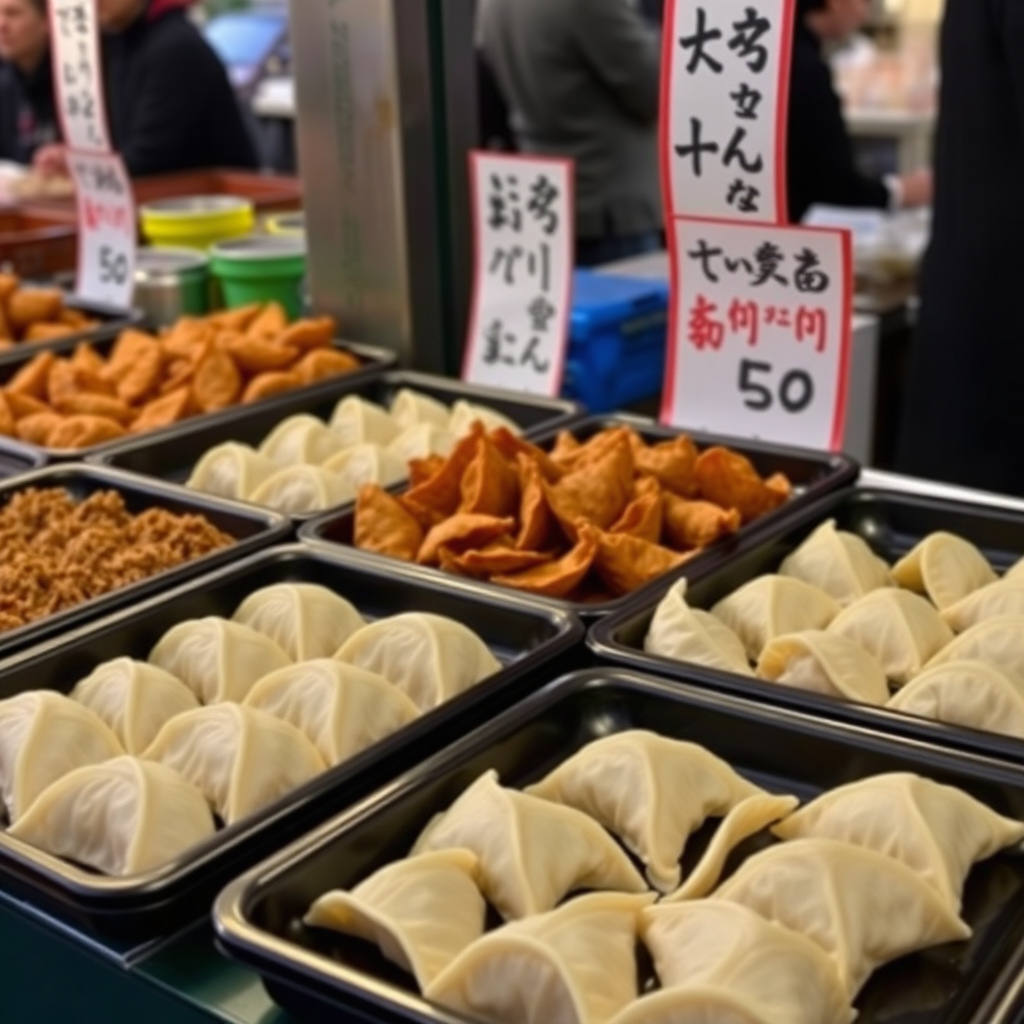
Many grocery stores and Asian markets sell both gyoza and pot stickers fresh or frozen. Fresh gyoza tend to have more delicate, thinner skins and a fresher flavor, while frozen versions offer convenience but may have a slightly thicker wrapper to withstand freezing.
Pot stickers frozen typically retain their chewy texture well and are often sold in larger quantities suited for family meals or parties.
- Fresh gyoza – delicate skin, fresh taste
- Frozen gyoza – convenient, slightly thicker wrapper
- Frozen pot stickers – maintain chewy texture
For more on this, see our related guide: How to Eat Dumplings: A Practical Guide to Enjoying Dumplings Like a Pro.
Choosing Between Gyoza and Pot Stickers Based on Occasion
For a light appetizer or a side dish to a ramen bowl, gyoza is a great choice due to its smaller size and crisp texture. Pot stickers, with their heartier filling and thicker dough, make a substantial snack or meal on their own.
Consider the flavor intensity and textural preference when selecting between the two; gyoza offers delicate, crisp bites, while pot stickers deliver chewy, satisfying mouthfuls.
Making Gyoza and Pot Stickers at Home

Tips for Preparing Gyoza at Home
When making gyoza from scratch, roll the dough thin and keep the filling finely minced and well-seasoned with garlic and sesame oil. Practice the classic pleating technique to achieve the characteristic crescent shape and crisp texture after frying.
Use a non-stick pan and don’t overcrowd it during cooking to allow even browning and steaming.
- Roll wrappers thinly
- Use finely minced seasoning
- Maintain space while frying
For more detailed background on dumplings worldwide, the Dumpling article on Wikipedia offers extensive information. Dumpling article on Wikipedia.
Cooking Homemade Pot Stickers Successfully
For pot stickers, prepare a slightly thicker dough and mix filling ingredients that hold moisture well. Fold them into pleats or simple half-moons depending on preference. The cooking requires balancing frying time to get a golden bottom and sufficient steaming to cook through the thicker wrapper.
Use a heavy skillet for even heat distribution and add water carefully to avoid splattering.
- Thicker dough for chewiness
- Moist fillings improve texture
- Even heat key to cooking
Gyoza vs Pot Stickers: Key Differences at a Glance
This table highlights the main characteristics of gyoza and pot stickers to help you decide which suits your taste and cooking style best.
| Feature | Gyoza | Pot Stickers |
|---|---|---|
| Origin | Japan (adapted from Chinese jiaozi) | China (Northern style) |
| Wrapper Thickness | Thin, delicate | Thicker, chewier |
| Typical Shape | Circular with pleats | Mostly square or rectangular |
| Common Fillings | Ground pork, cabbage, garlic, sesame oil | Pork, shrimp, vegetables, ginger |
| Cooking Method | Pan-fried then steamed quickly | Pan-fried then steamed longer; also boiled or deep-fried |
| Texture | Crispy bottom, soft top | Chewy dough with juicy filling |
| Serving Style | Usually a side dish or appetizer | Can be snack or meal standalone |
Frequently Asked Questions
Are gyoza and pot stickers the same thing?
No, gyoza are Japanese-style dumplings with thinner wrappers and milder fillings, while pot stickers are Chinese dumplings with thicker dough and often heartier fillings.
Can I substitute pot stickers for gyoza in recipes?
You can substitute them, but expect differences in texture and cooking time since pot stickers have thicker wrappers and denser filling.
What dipping sauces go well with gyoza and pot stickers?
A classic sauce combines soy sauce, rice vinegar, and chili oil. Some prefer adding garlic or sesame oil for gyoza and spicy chili paste for pot stickers.
Are homemade gyoza and pot stickers difficult to make?
Both require some practice, especially folding techniques and cooking timing, but with proper guidance, they are approachable for most home cooks.
Where can I buy authentic gyoza and pot stickers?
You can find them in Asian grocery stores, specialty markets, or order from restaurants specializing in Japanese or Chinese cuisines.
Key Takeaways
- Gyoza are Japanese dumplings with thin wrappers and subtle pork and vegetable fillings.
- Pot stickers are Chinese dumplings with thicker dough and more robust fillings like pork and shrimp.
- Cooking methods for both involve pan-frying and steaming but vary in timing and technique.
- Choosing between them depends on texture preference and meal occasion.
Conclusion
Deciding between gyoza vs pot stickers hinges on understanding their fundamental differences in origin, wrappers, fillings, and cooking methods. Gyoza’s thin, delicate skin and finely minced filling create a light and crispy dumpling ideal as a starter or accompaniment. In contrast, pot stickers have thicker, chewy dough and heartier fillings suited for a more substantial snack or meal. Knowing these distinct qualities arms you to better select or prepare the kind that suits your taste and dining needs.
If you prefer a dumpling that offers contrast between crispy and tender textures along with mild yet aromatic flavors, gyoza would be your best choice. On the other hand, if you enjoy robust juicy fillings with a satisfying chewy wrapper and a slightly larger size, pot stickers stand out. For convenience, frozen options for both are widely available, but fresh gyoza excel in delicacy while pot stickers maintain their hearty texture even when frozen. Home cooking can replicate these traditional recipes with some patience and the right techniques.
For your next dumpling experience, consider what matters most to you in texture and flavor balance. Try preparing or ordering both dishes side by side and savor how these culinary cousins deliver unique tastes and satisfaction. Explore different dipping sauces alongside and you’ll deepen your appreciation of dumpling variety. Whichever you choose, both gyoza and pot stickers offer delicious insight into Japanese and Chinese comfort foods.