How to Season a Wok for Non-Stick Cooking and Longevity
Seasoning a wok is essential for creating a natural non-stick surface and prolonging its lifespan. To season your wok, you need to clean it, heat it until it changes color, apply a thin layer of oil, and heat it repeatedly to build up a protective coating. This process helps prevent rust and enhances cooking performance.
Many people overlook seasoning and struggle with sticking food or rust forming on their wok. Seasoning not only protects the metal but also contributes to better flavor development and easier cleanup. Whether your wok is carbon steel, cast iron, or stainless steel, seasoning sets a foundation for excellent stir-frying results.
This article covers everything you need to know about how to season a wok correctly, including preparation steps, seasoning techniques, maintenance tips, and troubleshooting common issues. By following this guide, you will extend your wok’s usability and enjoy smoother cooking experiences.
Understanding the Importance of How to Season a Wok
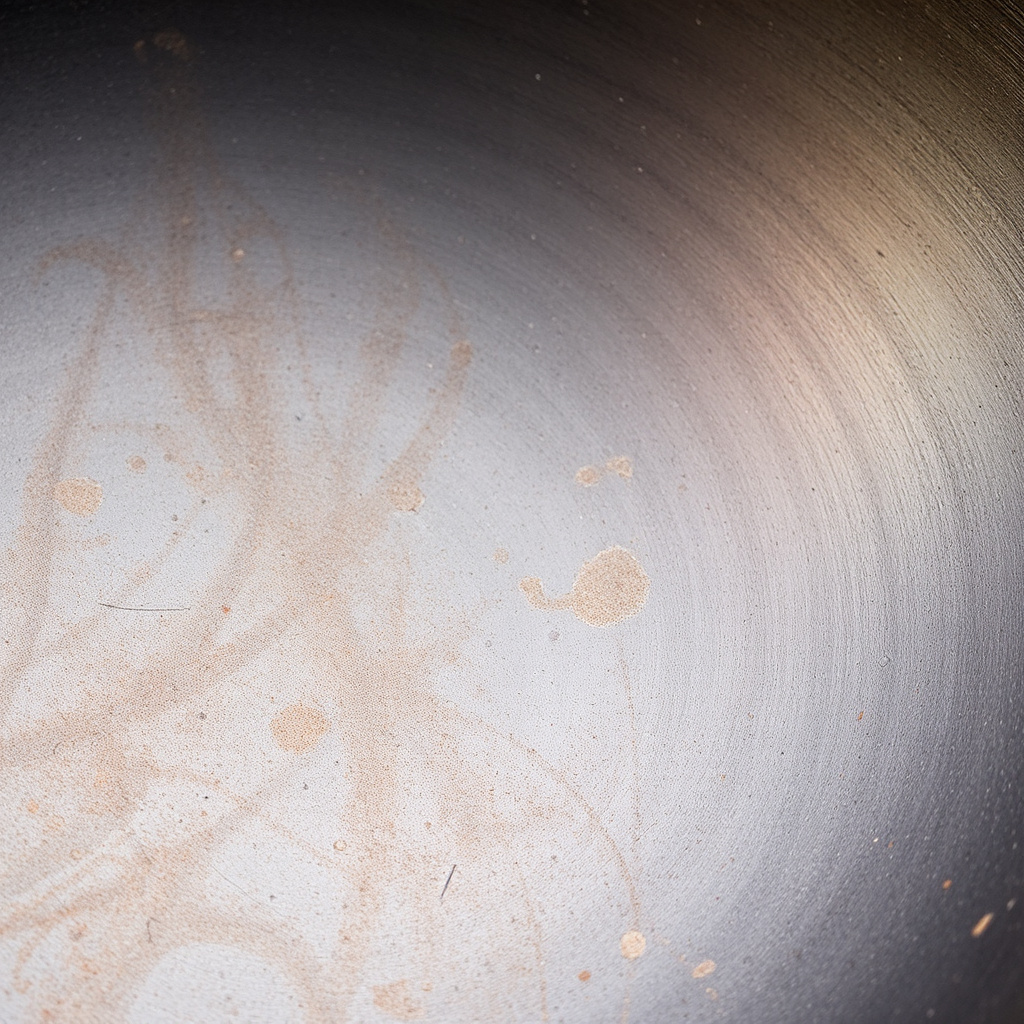
Why Seasoning Creates a Non-Stick Surface
Seasoning a wok essentially polymerizes oil at high heat, bonding it to the metal to form a durable, slick coating. This layer fills microscopic pores and irregularities on the wok surface, which food would otherwise stick to during cooking.
The seasoning develops gradually with repeated use and oiling. It prevents rust and corrosion while making stir-frying more efficient by helping food release easily and reducing the amount of oil you need.
Different Wok Materials and Their Seasoning Needs
Carbon steel woks require the most thorough seasoning because they are prone to rust and sticking when new. Cast iron also benefits from seasoning but develops its patina more slowly. Stainless steel woks typically don’t develop a classic seasoning layer and often rely more on oiling post-cooking.
Knowing your wok’s material helps you choose the right seasoning method and care routine to maintain the seasoned coating and prevent damage over time.
Preparing Your Wok for Seasoning
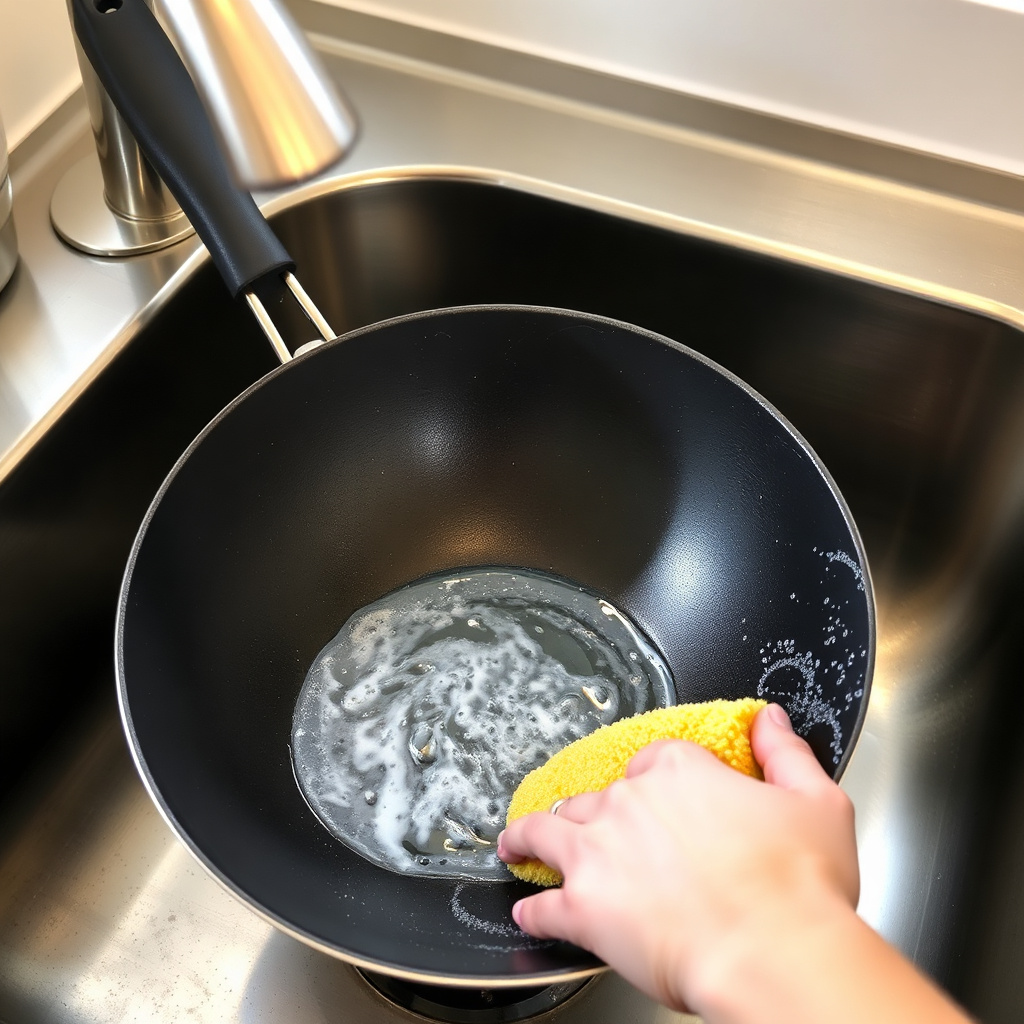
Cleaning and Removing Factory Oils
New woks often come coated in a protective oil that must be washed off before seasoning. Use hot water, mild dish soap, and a scrubber to remove this residue from the entire inner surface of the wok.
Thorough rinsing and drying are essential before moving on to seasoning, as any leftover soap or water can interfere with the oil bonding during the seasoning process.
Drying and Preparing the Surface
After cleaning, dry the wok completely by heating it over medium heat. This ensures no moisture remains, which could cause uneven seasoning or rust.
Use a paper towel or cloth to wipe the surface dry once it cools slightly, making it ready for the initial seasoning oil application.
Step-by-Step Guide on How to Season a Wok
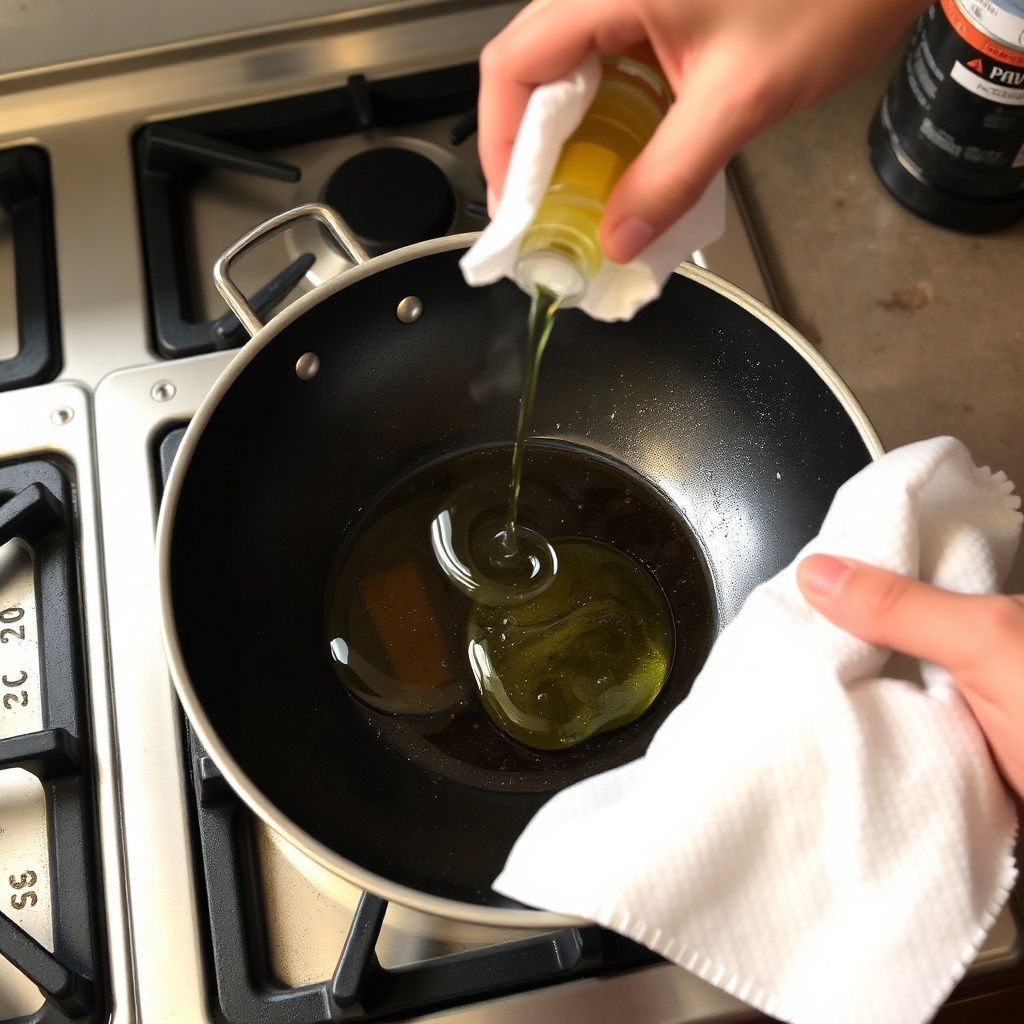
Initial Heating and Oil Application
Place the wok on a burner over high heat until it starts to change color, generally darkening but not smoking excessively. This preheats and opens pores in the metal to receive oil.
Using a high-smoke-point oil like flaxseed, grapeseed, or peanut oil, apply a thin, even coat to the inner surface with a folded paper towel held by tongs to avoid burns.
- Choose oils with smoke points above 400°F
- Wear heat-resistant gloves or use tongs
- Apply a very thin layer to avoid sticky residue
For more on this, see our related guide: How to Velvet Beef for Tender, Juicy Stir-Fries.
Seasoning Cycles and Patina Development
Return the oiled wok to high heat and maintain for 10-15 minutes until it smokes and changes color from silver-gray to dark brown or black. This is polymerization taking place.
Turn off the heat and let it cool naturally. Repeat the oiling and heating 2-3 more times to build layers of seasoning for stronger protection and improved non-stick.
- Heat until smoke appears, then maintain for thorough coating
- Allow wok to cool between rounds to set layers
Maintaining and Enhancing Your Seasoned Wok

Cleaning Practices to Preserve Seasoning
After each use, clean your seasoned wok gently with hot water and a soft brush or sponge. Avoid harsh detergents or abrasive pads that strip the seasoning layer.
Dry the wok immediately on the stove and apply a thin coat of oil before storing to protect the seasoned surface from moisture and air.
Re-Seasoning Tips for Worn Areas
If you notice sticking or spots where seasoning has worn thin, re-season those areas by cleaning, drying, and repeating the oiling and heating process locally.
Regular use of your wok and occasional touch-up seasoning strengthens the patina and maintains the non-stick advantages.
- Focus on high-contact cooking areas
- Use small quantity of oil to avoid buildup
Troubleshooting Common Seasoning Problems

Dealing with Sticky or Patchy Surfaces
Sticky residues usually result from applying oil too thickly or not heating long enough to polymerize fully. Scrub gently with salt and oil to remove residue, then re-season with a thin coat of oil and sufficient heat.
Patchy seasoning can develop from uneven oiling or inconsistent heating—ensure the wok is rotated during heating for even coverage.
For more on this, see our related guide: How to Stir Fry Vegetables Perfectly Every Time.
Removing Rust and Restoring Seasoning
If rust appears, scrub the affected area with steel wool or an abrasive pad to remove the rust completely. Rinse, dry, and perform a full seasoning cycle on the cleaned surface.
Consistent maintenance and drying after use greatly reduce rust risk and prolong the wok’s life.
- Use abrasive scrubbers carefully to avoid scratching permanently
- Apply oil immediately after rust removal
Choosing Oils and Tools for the Best Wok Seasoning Method
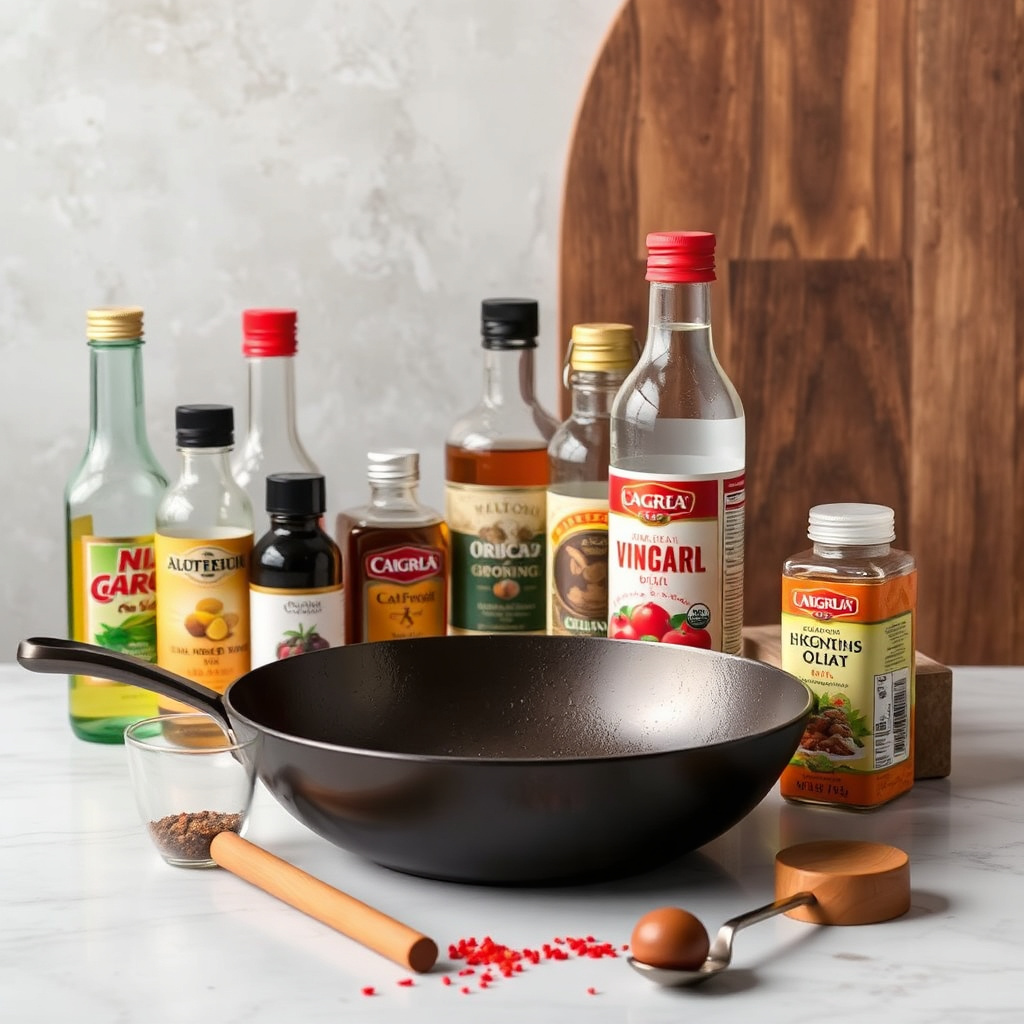
Best Oils for Seasoning a Wok
Oils suitable for seasoning have high smoke points and polymerize well. Recommended options include flaxseed oil, grapeseed oil, peanut oil, and canola oil due to their stability and ability to form durable coatings.
Avoid low smoke point oils like olive oil as they tend to create sticky residues and aren’t ideal for high-heat seasoning.
- Flaxseed oil for long-lasting hard seasoning
- Peanut oil for easy availability with good smoke point
- Grapeseed or canola oil as economical alternatives
For more detailed background on wok seasoning chemistry and methods, check out this wok seasoning overview on Wikipedia. wok seasoning overview on Wikipedia.
Tools and Accessories to Simplify the Process
Use a pair of long tongs to hold oil-soaked paper towels safely while applying oil to the hot wok surface. Heat-resistant gloves protect your hands during seasoning cycles.
Choosing a wok with a flat bottom and a thinner gauge allows it to heat evenly and quickly, making seasoning cycles more consistent.
- Heat-resistant gloves or mitts
- Long tongs for oil application
- High-quality natural fiber scrubber for cleaning
Wok Seasoning Methods Comparison
This table contrasts common wok seasoning methods to help you decide which suits your style and wok best.
| Method | Suitable Wok Material | Oil Type | Durability | Ease of Process |
|---|---|---|---|---|
| Traditional High-Heat Seasoning | Carbon Steel, Cast Iron | Flaxseed, Peanut | High | Moderate |
| Oven Seasoning | Cast Iron | Flaxseed, Canola | Very High | More Time Consuming |
| Stove Top Quick Seasoning | Carbon Steel | Grapeseed, Peanut | Medium | Easy and Fast |
| Post-Cooking Oiling Method | Stainless Steel, Carbon Steel | Any Cooking Oil | Low to Medium | Very Easy |
| Commercial Pre-Seasoned Woks | Carbon Steel, Cast Iron | Varies | Medium | Ready to Use |
Frequently Asked Questions
How often should I season my wok?
You should season your wok whenever you notice food sticking or after deep cleaning. Typically, re-seasoning every few months with regular use keeps the non-stick surface in good condition.
Can I use olive oil to season my wok?
Olive oil has a low smoke point and doesn’t polymerize well, which can result in sticky residues. It's better to use high smoke point oils like flaxseed or peanut oil for seasoning.
Is it necessary to scrub soap off my wok before seasoning?
Yes, soap residue can prevent oil from bonding properly during seasoning. Therefore, wash off factory oils with soap initially, but avoid soap in daily cleaning to preserve seasoning.
What if my wok rusts after seasoning?
If rust develops, scrub it off thoroughly with steel wool, rinse, dry completely, then repeat the seasoning process to restore the wok’s protective coating.
Can I season a stainless steel wok?
Stainless steel woks don’t season in the traditional sense like carbon steel or cast iron. You can lightly oil them after cooking to reduce sticking, but a true seasoning patina won’t develop.
Key Takeaways
- Seasoning builds a non-stick, rust-resistant layer on carbon steel and cast iron woks.
- Proper cleaning and drying before seasoning are essential for best results.
- Use high smoke point oils like flaxseed or peanut oil for durable seasoning.
- Maintain seasoning by gentle cleaning and periodic re-oiling.
Conclusion
Understanding how to season a wok effectively is the key to enhancing your cooking experience and extending your wok’s lifespan. The seasoning process creates a durable, natural non-stick coating that improves with regular use. Ensuring your wok is cleaned properly before seasoning minimizes sticking and rust, keeping the cookware in prime condition over time. With the right oils and consistent maintenance, you transform your wok into an indispensable kitchen tool capable of delivering excellent stir-fries and other dishes.
For carbon steel and cast iron woks, the traditional stove top seasoning method with repeated heating and thin oil layers is highly recommended. If you have the time, oven seasoning offers a more uniform and long-lasting patina, although it requires longer cycles. Stainless steel woks, while less prone to rust, don’t develop seasoning in the same way, so routine oiling after cooking helps reduce sticking. Whichever wok type you own, incorporating the best wok seasoning method aligned to your material will elevate your culinary results significantly.
Starting with a clean, dry wok and applying high smoke point oil for seasoning ensures your initial efforts are effective. After seasoning cycles, adopt simple maintenance routines, such as avoiding harsh soaps and immediately drying and oiling after cooking. If you spot rust or sticky patches, re-season the affected areas promptly. By committing to these steps, you’ll keep your wok performing optimally for years. Begin seasoning your wok today to enjoy its full benefits in your kitchen.



One Comment