What is Hoisin Sauce? A Complete Guide to This Flavorful Asian Condiment
Hoisin sauce is a thick, fragrant condiment commonly used in Chinese and other Asian cuisines. Made from fermented soybeans, garlic, vinegar, sugar, and various spices, it delivers a bold and slightly sweet umami flavor that enhances many dishes. It’s often used as a dipping sauce, marinade, or ingredient in stir-fries and barbecues.
This sauce adds depth and complexity to meals, making it a favorite for both home cooks and professional chefs. Its balance of sweet, salty, and savory notes makes it versatile enough to complement meats, vegetables, and noodles. Understanding hoisin sauce enriches your appreciation of Asian culinary traditions and expands your cooking toolkit.
In this article, we’ll explore the origins of hoisin sauce, its common ingredients, how it compares with other sauces, its various culinary uses, and tips for selecting and storing it. We’ll also cover suitable pairings and homemade recipe ideas to help you get the most from this flavorful sauce.
What Is Hoisin Sauce Made Of?
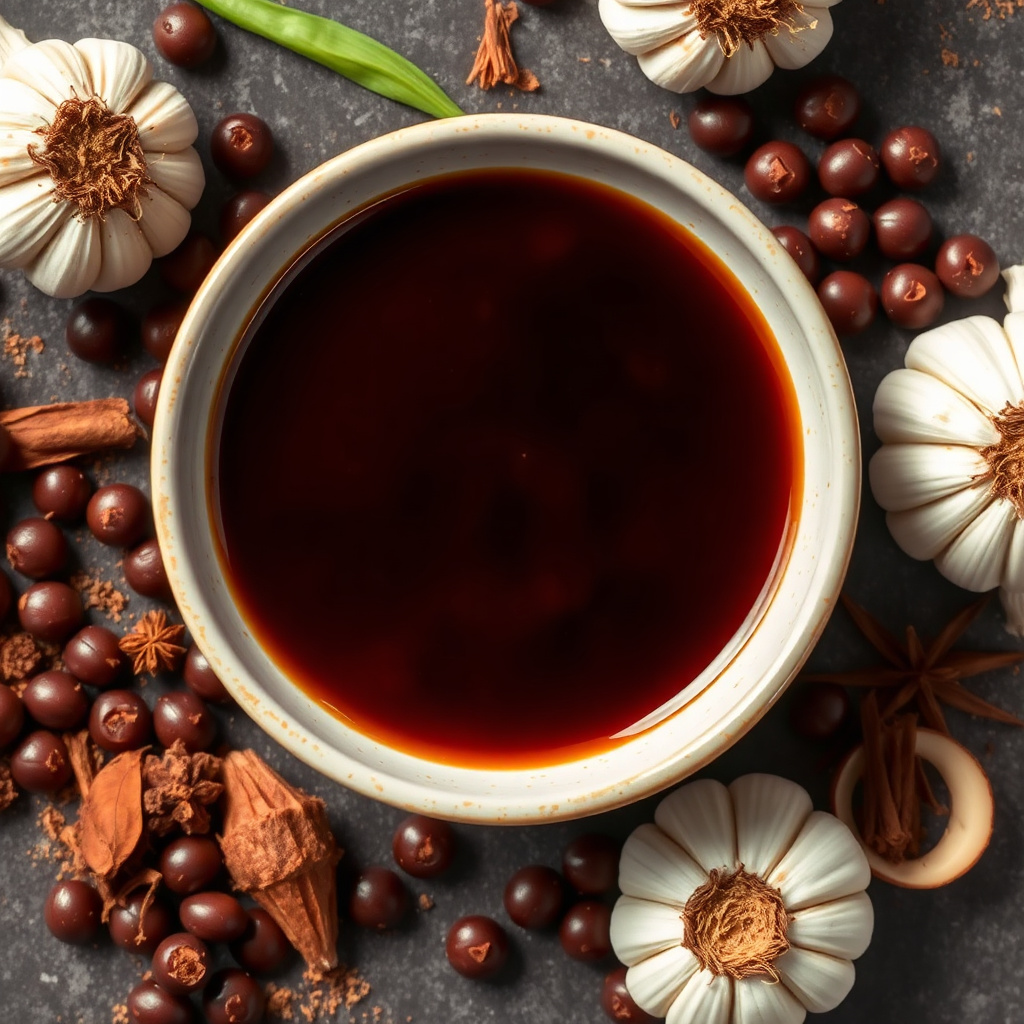
Primary Ingredients in Hoisin Sauce
Hoisin sauce generally combines fermented soybeans as its base with additional flavorings like garlic, vinegar, and various spices. Sweeteners such as sugar or honey contribute to its distinctive sweetness, while chili peppers provide a subtle heat. This combination creates a thick, glossy dark sauce rich in umami taste.
Each brand may vary slightly in texture and spice level, but the foundation remains the same. Some versions include sesame oil or starch as a thickener, making the sauce cling beautifully to food during cooking or as a dipping accompaniment.
- Fermented soybeans
- Garlic
- Rice vinegar
- Sugar or honey
- Chili peppers
- Sesame oil (optional)
Flavor Profile and Texture
Hoisin sauce offers a balanced mix of sweetness, saltiness, acidity, and umami. Its sweetness is moderate and countered by a mild tanginess from vinegar, while the fermented soybeans provide the deep savory notes. The texture is thick, almost molasses-like, allowing it to coat ingredients evenly.
This complexity lets hoisin sauce stand out without overpowering other tastes in a dish. The interplay of these flavors is what makes it popular as both a condiment and a cooking ingredient, bringing vibrant taste layers to simple preparations.
How Is Hoisin Sauce Traditionally Used?

Common Culinary Applications
Hoisin sauce is frequently employed as a dipping sauce for spring rolls, grilled meats, and seafood. It also serves as a flavorful glaze or marinade base for barbecued pork and poultry. Its rich taste pairs well with roasted vegetables or can be stirred into stir-fries and noodle dishes for added depth.
In Chinese cuisine, hoisin sauce is a hallmark ingredient for Peking duck, traditionally spread lightly on pancakes alongside duck and scallions. Its versatility extends beyond Chinese cooking, enriching various fusion recipes as a sweet-savory component.
- Spring roll dipping sauce
- Marinade for grilled pork or chicken
- Glaze for barbecue
- Ingredient in stir-fries and noodle dishes
Using Hoisin Sauce in Home Cooking
Home cooks appreciate hoisin sauce for its ability to quickly lift simple dishes without complicated preparation. Adding just a spoonful to a stir-fry enhances the flavor balance, while mixing it into a homemade dipping sauce can transform store-bought appetizers.
Its shelf-stable quality means you can keep it on hand for occasional use, making it an accessible option to experiment with Asian-inspired meals. Adjusting quantities lets you control the sauce’s intensity and sweetness in your dishes.
How Hoisin Sauce Differs from Other Asian Sauces

Comparing Hoisin Sauce and Soy Sauce
While both hoisin and soy sauce originate from fermented soybeans, soy sauce is thinner and saltier with a primarily savory taste. Hoisin sauce is sweeter, thicker, and incorporates additional flavor elements such as garlic and sugar, giving it a richer profile.
Soy sauce is often used as a primary seasoning or base in recipes, whereas hoisin sauce acts more like a complement or glaze that adds complexity and sweetness.
For more on this, see our related guide: What Is Moo Shu Pork? A Flavorful Classic Chinese Dish Explained.
Differences from Oyster Sauce and Plum Sauce
Oyster sauce is made from oyster extracts and has a distinct briny, savory flavor, whereas hoisin sauce uses fermented soybeans and spices for a sweeter and less oceanic taste. Plum sauce, by contrast, is fruit-based and notably tangy and sweet, whereas hoisin balances sweet and savory.
Understanding these differences helps cooks select the right sauce for their intended flavor and texture impact in a dish.
Selecting and Storing Hoisin Sauce
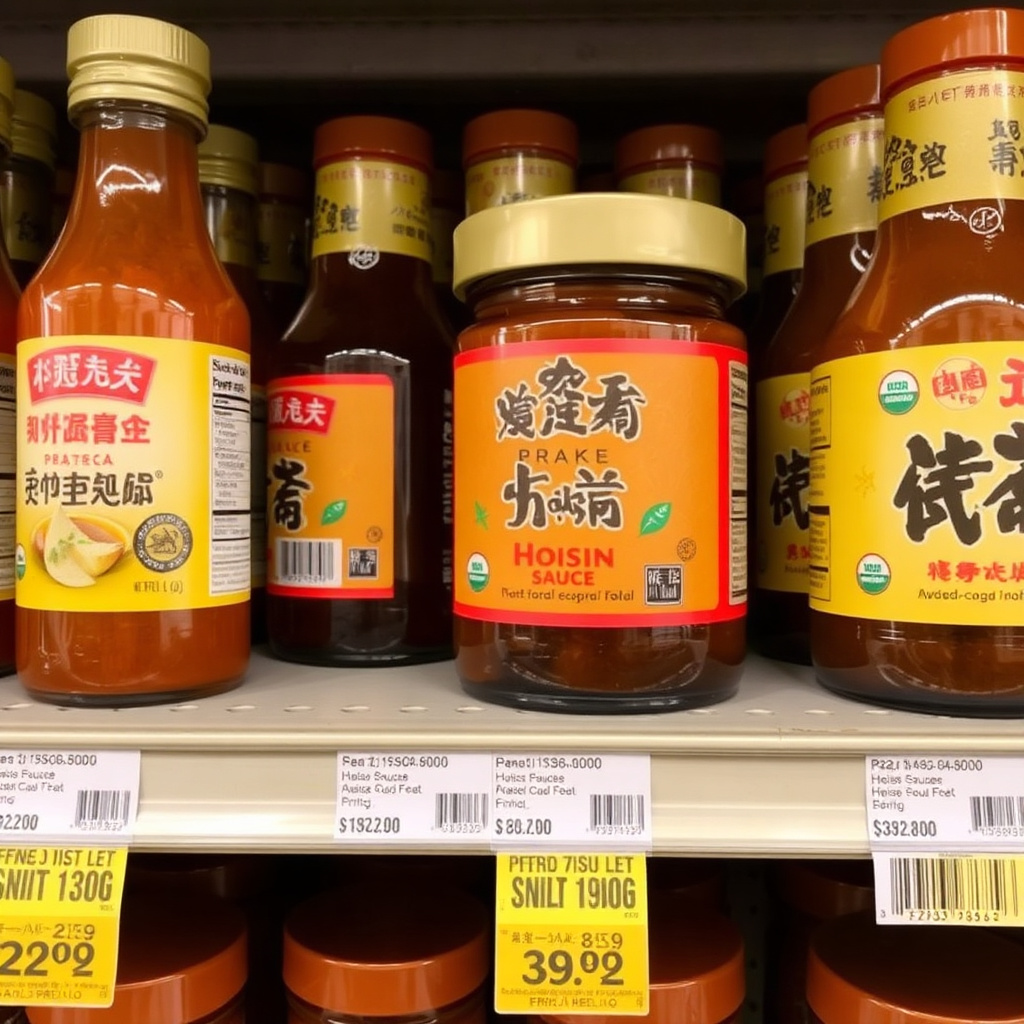
How to Choose Quality Hoisin Sauce
Look for hoisin sauce with natural ingredients and minimal preservatives when possible. Reading labels helps distinguish among brands; some contain artificial sweeteners or excessive salt, impacting flavor authenticity. Darker, thicker sauces generally indicate a richer texture and concentrated taste.
Availability varies from mass-produced commercial brands to artisanal varieties, so consider your taste preference and budget when making a selection.
- Check ingredient list for natural fermentation
- Prefer sauces without artificial additives
- Opt for thicker consistency
- Look at customer reviews for flavor notes
Proper Storage Tips
Hoisin sauce should be refrigerated after opening to maintain freshness. Stored correctly, it can last several months without significant flavor loss. Keep it tightly sealed and avoid contamination by using clean utensils.
For unopened bottles, storing in a cool, dark pantry is ideal. Some brands indicate best-by dates for quality assurance but many remain usable beyond them with proper storage.
Creative Recipes Featuring Hoisin Sauce Uses
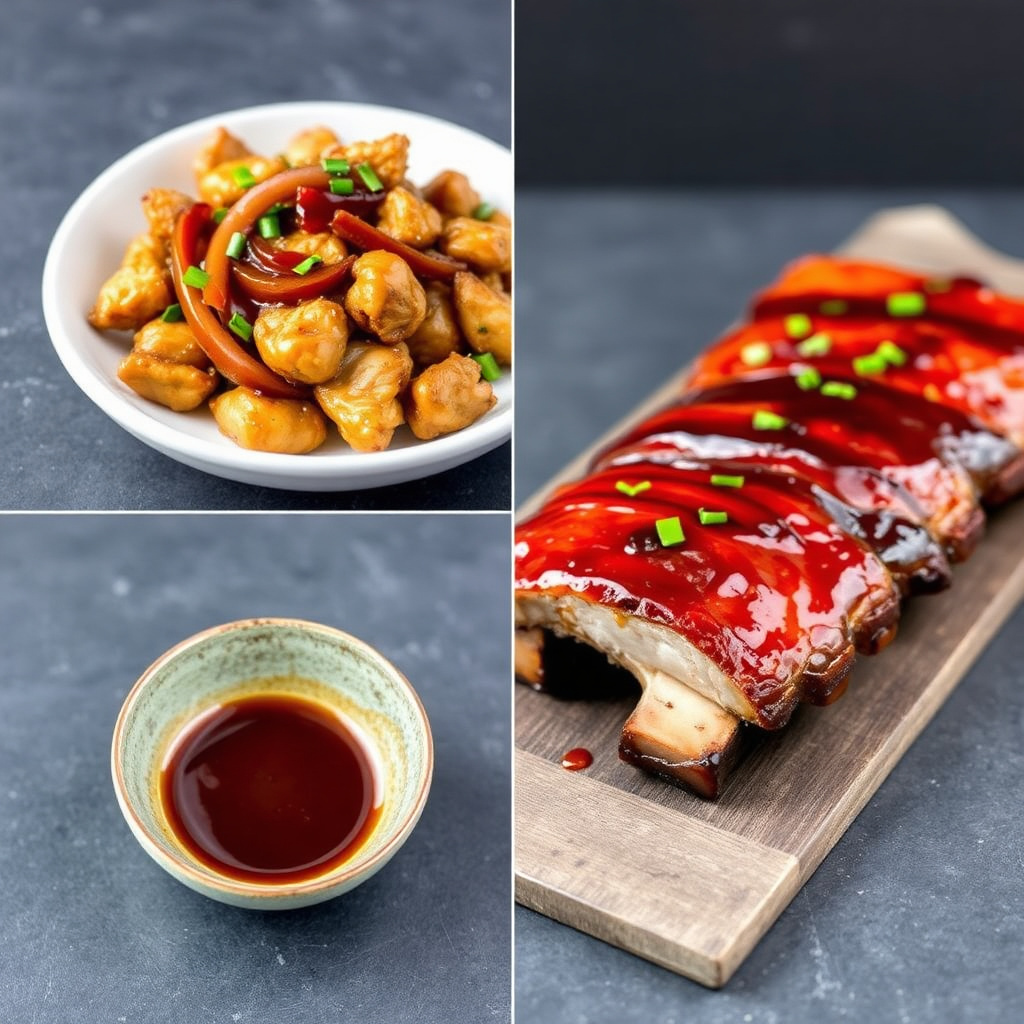
Hoisin Sauce in Main Dishes
Try hoisin sauce as a marinade for chicken wings or pork ribs, where its caramelizing sugars create flavorful crusts when grilled or baked. Adding it to stir-fries with vegetables and noodles brings out sweet-savory harmony that many crave in Asian cooking.
Combining hoisin with soy sauce, garlic, and sesame oil produces quick sauces for sautés, delivering approachable restaurant-quality tastes at home.
- Hoisin-glazed grilled chicken
- Pork stir-fry with vegetables
- Noodle bowls with hoisin dressing
For more on this, see our related guide: What Is Chow Mein? A Complete Guide to the Popular Chinese Noodle Dish.
Using Hoisin in Dips and Appetizers
Mix hoisin with garlic, chili paste, and sesame oil for a flavorful dipping sauce perfect for spring rolls or dumplings. This sauce also complements fresh vegetable platters or grilled shrimp, enhancing finger foods with a rich yet balanced taste.
Experimenting with dilution or combining hoisin with creamy bases like mayonnaise creates unique spreads and dips with an Asian twist.
- Spring roll dipping sauce
- Hoisin and mayo sandwich spread
- Dumpling sauce with chili paste
Health and Nutritional Aspects of Hoisin Sauce
Calories and Ingredients Impact
Hoisin sauce contains moderate calories mainly from sugar and carbohydrates. It’s relatively low in fat and protein. Due to its sodium content, people monitoring salt intake should use it sparingly. However, it often serves as a flavor enhancer, reducing the need for additional salt in dishes.
Because of the fermented soybean component, hoisin sauce has trace amounts of protein and some micronutrients, but these vary widely by brand.
For a more detailed background on hoisin sauce, you can visit the Hoisin sauce Wikipedia page. Hoisin sauce Wikipedia page.
Allergen Considerations
Hoisin sauce generally contains soy and sometimes gluten, depending on the recipe. Those with soy allergies or gluten sensitivities should check product labels carefully or seek gluten-free alternatives. Some varieties may also include sesame, another common allergen.
Understanding ingredient labels helps avoid adverse reactions and ensures hoisin sauce fits safely into your diet.
- Contains soy
- May contain gluten or wheat
- Possible sesame inclusion
Hoisin Sauce Category Comparison
This table outlines key differences among popular hoisin sauce types available in the market to help you pick the right one for your cooking needs.
| Category | Primary Ingredients | Flavor Profile | Best Uses | Price Range |
|---|---|---|---|---|
| Commercial Brands | Fermented soybeans, sugar, vinegar, spices | Sweet, thick, moderately salty | General marinade, dipping sauce | $3-$8 per bottle |
| Artisanal Varieties | Natural fermentation, fewer additives | Richer umami and complex spices | Premium dishes, glazing | $10-$20 per jar |
| Gluten-Free Options | Soybeans, rice vinegar, tapioca starch | Similar sweet-salty balance | Allergy-friendly cooking | $6-$12 per jar |
| Low-Sodium Hoisin | Reduced salt, fermented soybeans | Milder saltiness, slightly sweeter | Health-conscious recipes | $7-$15 per bottle |
Frequently Asked Questions
Is hoisin sauce vegan?
Most hoisin sauces are vegan since they use fermented soybeans and plant-based ingredients, but always check the label to confirm no animal products are included.
Can hoisin sauce be used as a marinade?
Yes, hoisin sauce is excellent as a marinade because its thick, sweet, and umami qualities tenderize and flavor meats like pork, chicken, and beef effectively.
What can I substitute for hoisin sauce?
A mixture of soy sauce, peanut butter, molasses, and a little garlic can substitute for hoisin sauce’s sweet-savory flavor in recipes if you run out.
How long does hoisin sauce last after opening?
Refrigerated hoisin sauce generally remains good for 4 to 6 months after opening if kept sealed tightly and uncontaminated.
Is hoisin sauce gluten-free?
Not all hoisin sauces are gluten-free since some include wheat-based soy sauce. Look for specifically labeled gluten-free versions if you have sensitivities.
Key Takeaways
- Hoisin sauce is a thick, sweet-savory Asian condiment made primarily from fermented soybeans.
- It adds rich umami flavor in marinades, dips, and stir-fries.
- Different hoisin types vary in ingredients, thickness, and salt levels.
- Store hoisin sauce refrigerated after opening to maintain freshness.
Conclusion
Determining what hoisin sauce is and how to use it unlocks a valuable flavor enhancer for many dishes. With its blend of fermented soybeans, garlic, sugar, and spices, it brings a unique sweetness and savory depth that few other condiments match. The decision to include hoisin sauce in your kitchen depends on your cooking style and flavor preferences, but the sauce’s adaptability makes it an asset for both traditional Chinese dishes and fusion recipes.
If you enjoy grilled or stir-fried foods, you might prefer a thicker artisanal hoisin sauce with richer umami notes for glazing meats or enriching sauces. For everyday cooking and dipping needs, commercial brands offer convenience and consistent flavor balance. Those with dietary needs should explore gluten-free or low-sodium options. Experimenting with hoisin sauce uses, such as mixing it into marinades or dips, can broaden recipe possibilities with minimal effort.
For your next step, try adding hoisin sauce to a simple stir-fry or as a glaze on roasted chicken. Its distinctive flavor profile introduces complexity to familiar ingredients while requiring few additional components. Keeping a bottle in your pantry invites spontaneous creativity and lets you experience authentic Asian flavors in your home kitchen.




3 Comments