How to Cook String Beans Chinese Style: A Simple Guide to Crispy, Flavor-Packed Beans
Cooking string beans Chinese style involves stir-frying fresh green beans quickly over high heat to achieve a crisp texture and vibrant flavor. The key is to blanch the beans first to soften them slightly, then fry with garlic, ginger, soy sauce, and optionally chili for a spicy kick. This technique results in tender yet crunchy beans with an aromatic, savory sauce coating each piece.
This style of cooking emphasizes balancing texture and seasoning, which turns ordinary green beans into a standout dish commonly found in Chinese home cooking and restaurants. The flavor profile is savory with slight sweetness and a fragrant punch from garlic and ginger. These beans make a versatile side dish or a component in larger stir-fry meals.
In this article, you will find detailed instructions on selecting the best string beans, how to prepare them properly, and a step-by-step Chinese-style stir-fry cooking method. We will also explore optional flavor variations and tips to keep the beans crisp and tasty.
Selecting and Preparing the String Beans

Choosing Fresh String Beans
Select string beans that are firm, bright green, and snap easily when bent. Avoid beans that are limp, yellowing, or have blemishes. Freshness affects both texture and flavor, so a crisp green bean ensures the best cooking outcome.
Look for uniformly sized beans as they cook evenly, preventing some from becoming overcooked while others remain raw. Organic beans can sometimes offer a cleaner flavor free of residues.
Trimming and Prepping Beans for Cooking
Rinse the beans thoroughly under cold water to remove any dirt. Trim the ends by snapping or cutting off the tough tips. You may also remove the fibrous string along the seam if your beans have one, though many modern varieties do not require this.
Cut the beans into uniform lengths, typically 2 to 3 inches long, which promotes even cooking during the stir-fry.
Blanching and Stir-Frying the String Beans Chinese Style
Blanching the String Beans
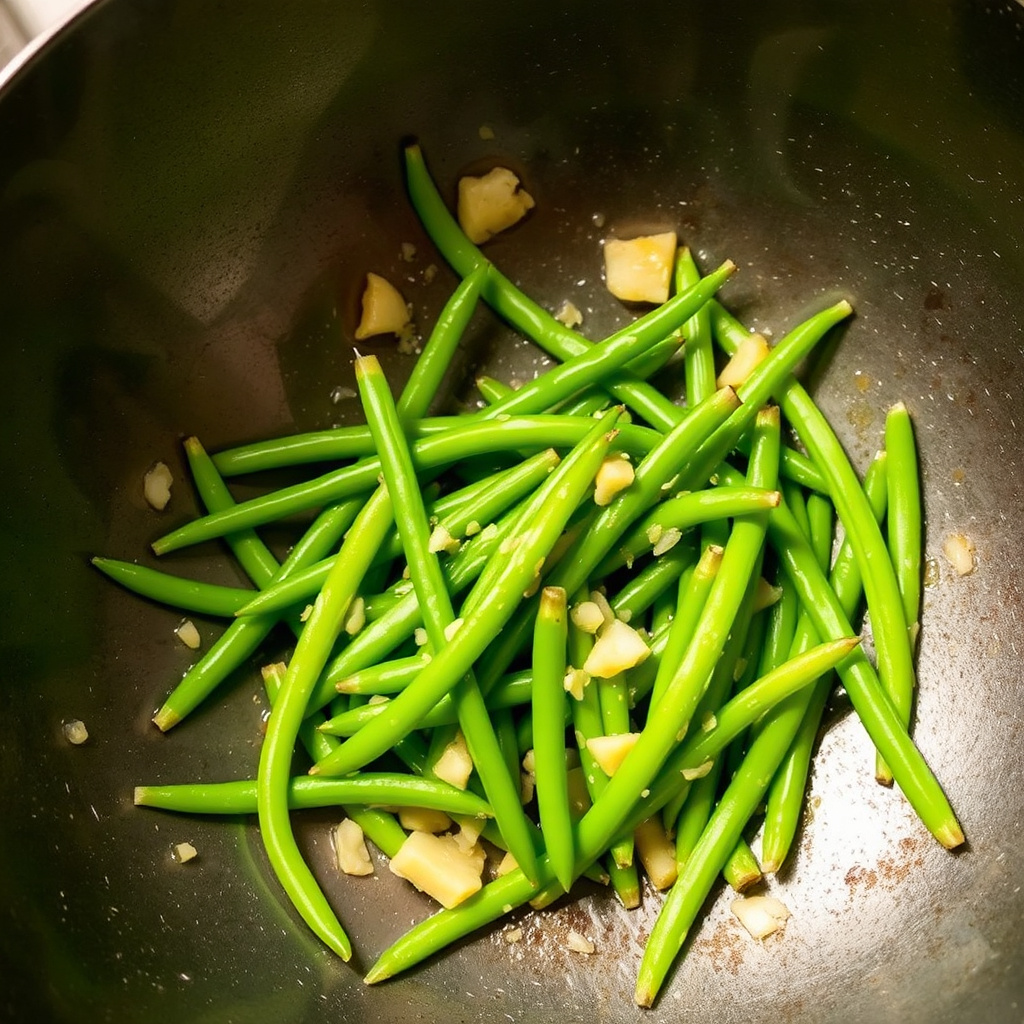
Blanch the trimmed beans in boiling salted water for about 2 to 3 minutes until they turn vibrant green but are still crisp. This step slightly softens them and reduces cooking time in the stir-fry.
Immediately plunge the beans into an ice bath after blanching to stop cooking and preserve their bright color and crisp texture.
- Boil salted water in a large pot
- Cook beans for 2-3 minutes
- Transfer beans to ice water bath
Stir-Frying to Chinese Style
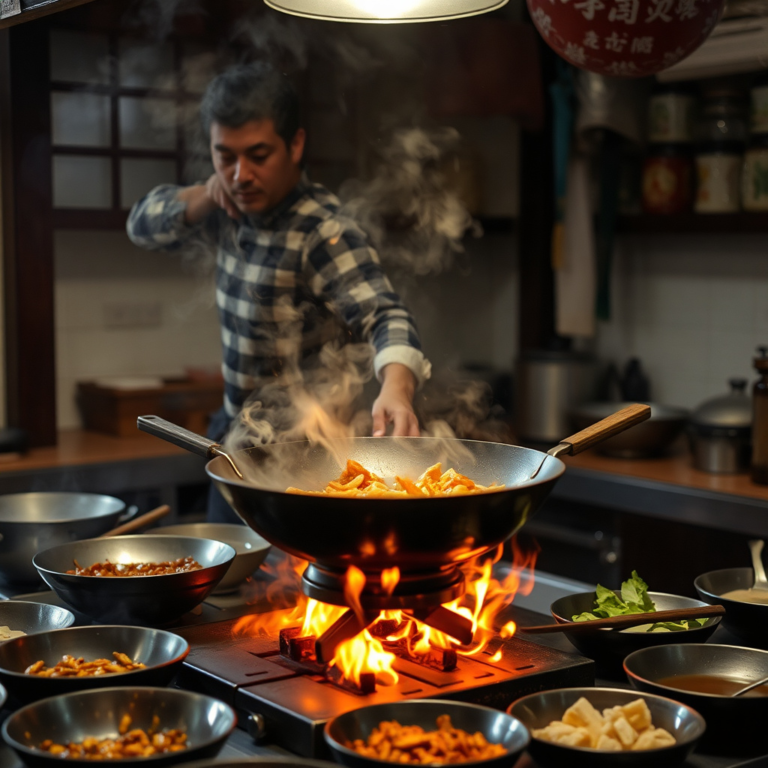
Heat a wok or large skillet over high heat and add oil with a high smoke point, such as peanut or vegetable oil. Add minced garlic, ginger, and optional chili flakes, frying briefly until aromatic but not burnt.
Add the blanched beans and toss constantly for 3 to 4 minutes. Then season with soy sauce, a touch of sugar, and a pinch of salt. Stir-fry until beans are coated and slightly blistered for a traditional Chinese texture and flavor.
- Use high heat with quick tossing
- Add aromatics first for flavor infusion
- Season with soy sauce and sugar
Flavor Variations and Enhancements

Spicy and Tangy Twists
To add heat, include sliced fresh chilies or chili paste such as doubanjiang during stir-fry. For a tangy note, a small splash of black vinegar or rice vinegar brightens the dish.
Adjust the level of these ingredients to suit your spice tolerance and taste preferences, balancing heat with savory and sour for a dynamic flavor.
Adding Texture and Depth
Incorporate toasted sesame seeds or chopped toasted peanuts to add crunch. A drizzle of toasted sesame oil right before serving adds a nutty aroma.
Some recipes include a small amount of fermented black beans or oyster sauce for richer umami, enhancing the Chinese green beans recipe beyond simple soy and garlic seasoning.
Complementary Ingredients for Chinese Style Dishes

Pairing String Beans with Proteins
String beans complement chicken, pork, or beef stir-fries well, integrating easily into main dishes. Tofu or shrimp can also be added for vegetarians and pescatarians.
Adding protein boosts the dish into a complete meal while the beans provide texture and freshness that balance richer meat flavors.
Including Additional Vegetables
Popular vegetables to include with string beans in Chinese recipes are sliced mushrooms, bell peppers, and water chestnuts. These add color, texture, and nutritional diversity.
Cook vegetables with similar timing or blanch separately to maintain their unique textures within the stir-fry.
Serving Suggestions and Storage Tips

Serving Ideas for String Beans Chinese Style
Serve the cooked beans hot as a side dish alongside steamed jasmine rice and your choice of protein. They also work well as a filling for lettuce wraps or in noodle dishes.
Garnish with chopped green onions or toasted sesame seeds for visual appeal and extra flavor.
For a broader perspective on traditional cooking techniques including stir-frying, see Chinese cuisine on Wikipedia. Chinese cuisine on Wikipedia.
Storing and Reheating Leftovers
Store leftover beans in an airtight container in the refrigerator for up to 2 days. Avoid overcooking when reheating to keep them from becoming mushy.
Reheat gently in a wok or skillet over medium heat with a small splash of water or oil to revive crispness without drying out.
Comparison of Common Cooking Methods for Chinese Style String Beans
Here's a comparison of popular cooking techniques for Chinese style string beans, highlighting differences in flavor, texture, and cooking time.
| Method | Flavor Profile | Texture Result | Preparation Time |
|---|---|---|---|
| Stir-Fry with Blanching | Savory, aromatic with garlic and soy | Crisp-tender with blistered spots | 15 minutes |
| Steaming then Stir-Frying | Milder flavor, retains bean natural taste | Tender but less blistered | 18 minutes |
| Deep-Frying | Rich, slightly oily, savory | Very crispy exterior with tender inside | 20 minutes |
| Roasting in Oven | Caramelized, slightly sweet nutty | Slightly chewy with crisp edges | 25-30 minutes |
Frequently Asked Questions
Why should I blanch string beans before stir-frying?
Blanching softens the beans slightly and brightens their color, reducing total stir-fry time and helping them stay crisp-tender instead of raw or overly tough.
Can I make this dish spicy without fresh chili?
Yes, you can add chili flakes, chili paste like doubanjiang, or even a dash of hot sauce to achieve spiciness without fresh chili peppers.
What oil is best for cooking Chinese style string beans?
Oils with high smoke points such as peanut, vegetable, or canola oil work best for stir-frying at high heat without burning.
How do I keep the string beans crispy when reheating?
Reheat quickly over medium heat with a small amount of oil or water to refresh crunch without steaming them into mush.
Can I use frozen string beans for this recipe?
Frozen beans can be used but usually lack crispness after cooking. Fresh beans give the best texture and flavor for Chinese style string beans.
Key Takeaways
- Fresh, firm string beans produce the best texture and flavor.
- Blanching before stir-frying preserves color and crunchiness.
- Use high heat with garlic, ginger, and soy sauce for authentic Chinese flavor.
- Add optional chili or vinegar for spice and tanginess.
Conclusion
Cooking string beans Chinese style is a straightforward process centered on preserving the beans' crisp texture while infusing them with savory, aromatic flavors. The technique of blanching followed by quick stir-frying balances the beans’ natural freshness with the seasoning. Focusing on fresh ingredients, proper trimming, and the right stir-fry method leads to a pleasing combination of taste and texture that complements many meals.
If you want classic results, follow the traditional method of blanching and stir-frying with garlic, ginger, soy sauce, and a hint of sugar for balance. For those who enjoy a spicy kick, incorporating chili paste or fresh chili peppers transforms the dish into a lively, flavorful side. Alternatively, roasted or deep-fried variations offer different textures if you prefer a crispier bite. These options highlight the versatility of Chinese green beans recipe adaptations.
To get started in your kitchen, gather fresh, firm beans and prepare the ingredients for a quick sauté. Try the base recipe first, then experiment with additions like chili or sesame oil. This practical approach ensures you can enjoy consistently great Chinese style string beans that brighten any meal.