How to Order Sushi: A Simple Guide for Beginners
Ordering sushi can feel intimidating if you're new to it, but it doesn't have to be complicated. To order sushi, start by understanding the menu, deciding between nigiri, sashimi, or rolls, and don't hesitate to ask the server for recommendations. Choosing fresh, seasonal fish and pairing your sushi with soy sauce, wasabi, and pickled ginger enhances the experience.
Knowing how to order sushi matters because it helps you appreciate the nuances of this Japanese art form and enjoy a meal tailored to your tastes. It also avoids common pitfalls like over-saucing or combining flavors that overshadow each other. Whether at a conveyor belt sushi spot or a traditional restaurant, a bit of guidance can make the meal more enjoyable and respectful of the culture.
This guide covers the basics of reading a sushi menu, understanding common types of sushi, tips for ordering at different kinds of restaurants, and advice on etiquette and pairing. You'll finish knowing how to order sushi like a confident diner, ensuring a delicious and respectful experience.
Understanding Sushi Types and Terminology

Common Types of Sushi
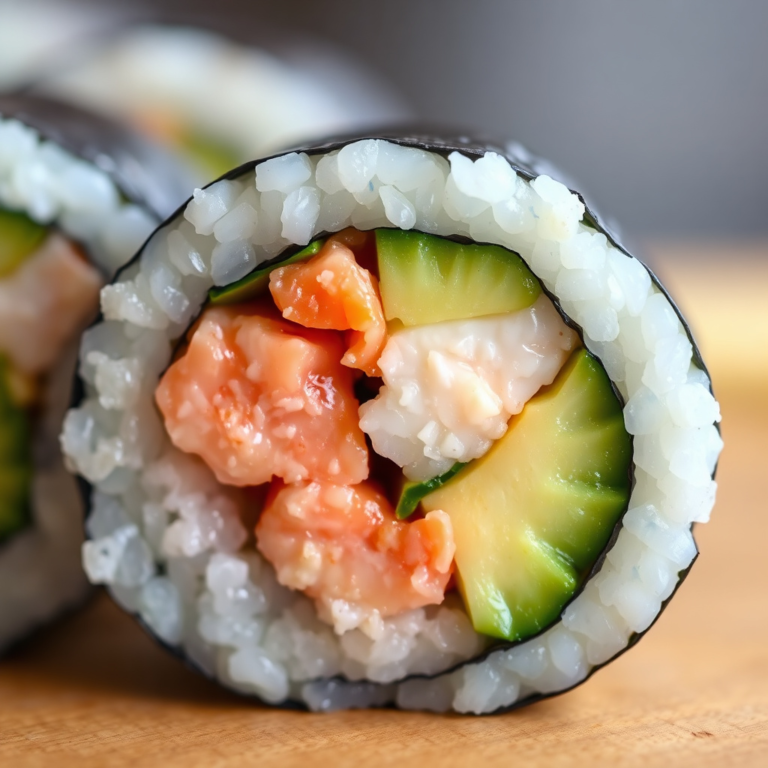
Sushi is not just one kind of dish; it comes in several styles, each offering a different experience. Nigiri features thin slices of fish pressed over small balls of vinegared rice. Sashimi is simply fresh slices of fish without rice. Maki rolls wrap fish and other ingredients in seaweed and rice, while uramaki rolls have the rice on the outside. Temaki, or hand rolls, are cone-shaped and made to eat with your hands.
Knowing these types helps you decide how adventurous to be or how much rice you want with your fish. For example, sashimi is a good pick if you want pure fish flavor, while rolls often combine various ingredients and sauces for more complex tastes.
- Nigiri: fish on rice
- Sashimi: sliced fish only
- Maki: rolls wrapped in seaweed
- Uramaki: inside-out rolls
- Temaki: cone-shaped hand rolls
Basic Sushi Ordering Terms
Menus often use Japanese terms that might seem unfamiliar. Familiarizing yourself with words like 'edamame' (boiled soybeans), 'gari' (pickled ginger), and 'wasabi' (a spicy green paste) can make ordering easier. You'll also hear 'omakase,' which means leaving the meal up to the chef's choice, ideal for a surprise selection.
Understanding terms helps communicate your preferences clearly, such as requesting no rice, extra wasabi, or cooked items. It can also help you spot special dishes and seasonal offerings.
- Gari: pickled ginger
- Wasabi: spicy paste
- Edamame: boiled soybeans
- Omakase: chef's selection
- Tempura: battered and fried items
How to Read and Navigate a Sushi Menu

Spotting Freshness and Quality Indicators
Freshness is key for great sushi. Look for menus that highlight daily catches or seasonal specials, which indicate the chef prioritizes fresh ingredients. Descriptions might note if fish is wild-caught or farm-raised, and whether items are served raw or cooked.
If possible, choose restaurants that specify sushi-grade or high-quality fish sources. Menu items with clear sourcing or local ingredients usually promise better freshness and flavor.
- Daily specials often highlight fresh fish
- Seasonal items reflect availability
- Labels like 'sushi-grade' indicate quality
- Look for clear raw vs. cooked info
For more on this, see our related guide: How to Eat Sushi: A Practical Guide for Beginners.
Using Photos, Descriptions, and Prices Wisely
Photos on sushi menus can guide your choices, showing portion sizes and presentation styles, which helps especially with rolls. Descriptions often mention key ingredients and any sauces or toppings so you know what flavors to expect.
Prices might indicate which items are premium or more common. If you're new to sushi, starting with mid-range options like California rolls or tuna nigiri offers a good balance between cost and quality.
Tips for Ordering Sushi at Different Settings

Ordering at Casual Sushi Restaurants
Conveyor belt sushi restaurants let you pick plates as they pass by, often color-coded by price. You can start by observing which plates look appealing and how fresh they seem. It's fine to ask the staff about popular or recommended items.
This setting is great for trying many types without commitment. You may also see combo sets or lunch specials on the menu, which offer variety and value.
- Pick plates from the belt by color
- Ask staff for popular suggestions
- Try combo sets for variety
- Watch for freshness cues
Ordering at Formal Sushi Bars
In traditional sushi bars, ordering is often done directly with the chef. You can request recommendations or say you want to try omakase, letting the chef present a curated selection. This personal approach highlights the freshest catches and skillfully prepared items.
Be mindful to eat sushi in one bite and use soy sauce sparingly. It's also polite to thank the chef. This setting is perfect for a more immersive and authentic sushi experience.
How to Pair Sushi with Sauces and Drinks

Using Soy Sauce, Wasabi, and Ginger Properly
Dip sushi lightly in soy sauce fish-side down to avoid flooding the rice, which can fall apart. Wasabi can be added to each piece if you enjoy heat but use it in moderation to complement, not overpower, flavors. Pickled ginger serves as a palate cleanser between different kinds of sushi.
Overusing soy sauce or mixing wasabi into it is a common mistake; it can muddle delicate tastes. These condiments should enhance your tasting experience thoughtfully.
- Dip fish-side lightly in soy sauce
- Add wasabi sparingly to each piece
- Eat pickled ginger between bites
- Avoid mixing wasabi into soy sauce
For more on this, see our related guide: How to Make Maki Roll: A Step-by-Step Guide to Perfect Sushi Rolls.
Recommended Drinks with Sushi
Sake is a classic pairing that complements sushi's flavors without overpowering them. Light, crisp beers also work well, as do green or jasmine teas that refresh the palate. Some prefer white wines with clean acidity to balance richness.
When ordering drinks, ask if the restaurant offers sake tasting or sushi pairings. Avoid heavy or overly sweet drinks that can clash with the subtlety of fresh fish.
- Sake enhances flavor balance
- Light beers refresh palate
- Green and jasmine teas cleanse palate
- Avoid heavy or sweet beverages
Etquette and Practical Tips When Ordering Sushi

Polite Behavior and Communication
When ordering sushi, speak clearly and express preferences like don’t want raw fish or have allergies. Using simple polite phrases like 'please' and 'thank you' in Japanese (‘onegai shimasu’ and ‘arigato’) can be appreciated.
Avoid interrupting the chef repeatedly; place your order once and wait patiently. If unsure, asking the server for guidance is perfectly acceptable.
- State preferences or allergies clearly
- Use polite language and gestures
- Place order clearly without rushing
- Ask questions respectfully
For more background on sushi varieties and history, visit the Sushi page on Wikipedia. Sushi on Wikipedia.
Handling Portions and Sharing Plates
Sushi often comes in small portions meant to be eaten individually. Sharing plates is common in group dining, so ordering a mix of nigiri and rolls lets everyone try different flavors. Watch your portion so you finish what you order.
If you're dining alone, consider ordering a few pieces or a set to avoid waste. Restaurants may also offer smaller samplers for beginners.
- Order a variety to share flavors
- Finish what you order to avoid waste
- Choose smaller sets if dining alone
- Ask about portion sizes if unsure
Comparing Sushi Ordering Options
Here is a comparison of different sushi ordering styles and settings to help decide which suits your preferences.
| Setting | Ordering Style | Price Range | Atmosphere | Recommended For |
|---|---|---|---|---|
| Conveyor Belt Sushi | Pick plates off the belt | Low to Moderate | Casual, fast-paced | Casual diners, sampling variety |
| Casual Sushi Restaurant | Menu ordering with server help | Moderate | Relaxed, informal | Beginners, families |
| Formal Sushi Bar | Direct chef order or omakase | High | Elegant, intimate | Sushi enthusiasts, special occasions |
| Takeout or Delivery | Pre-made sets or menu orders | Low to High | At home | Convenience, no dine-in |
| Sushi Train | Moving belt with radio buttons | Moderate | Interactive, modern | Tech-savvy diners, groups |
Frequently Asked Questions
Is it okay to customize my sushi order?
Yes, many sushi restaurants allow basic customizations like adjusting wasabi levels or requesting no rice. However, altering core items significantly may not be accepted at traditional sushi bars where chefs focus on preparation balance.
How do I know which sushi is safe to eat raw?
Sushi-grade fish is handled and stored specifically for raw consumption and labeled accordingly on the menu or by the restaurant. Always order from reputable places with clear freshness indicators.
Should I use chopsticks or eat sushi with my hands?
Both are acceptable. Nigiri and rolls can be eaten with fingers or chopsticks depending on your comfort. Formal settings may prefer chopsticks, but eating with hands is common and traditional.
What is the proper way to dip sushi in soy sauce?
Dip the fish side lightly into soy sauce rather than the rice to prevent the rice from absorbing too much sauce and falling apart. This preserves texture and flavor balance.
Can I ask for recommendations when ordering sushi?
Absolutely. Servers and chefs usually welcome questions and can guide you toward dishes based on your tastes or popular choices, enhancing your sushi experience.
Key Takeaways
- Understand sushi types like nigiri, sashimi, and rolls before ordering
- Use menu photos and descriptions to choose fresh, quality options
- Adjust your order style to fit the restaurant setting
- Pair sushi with light sauces and complementary drinks like sake
Conclusion
Approaching how to order sushi with a basic understanding of types, terminology, and etiquette helps you navigate menus with confidence. By focusing on freshness and quality and being clear about your preferences, you enjoy the nuances of sushi without feeling overwhelmed. The ability to adapt your ordering style from casual conveyor belt sushi to formal omakase offers flexibility for different situations and budgets.
For newcomers, starting with popular mid-range options like California rolls or tuna nigiri at casual restaurants allows exploration without pressure. More adventurous or special occasions can call for omakase or formal sushi bars where chefs present curated selections showcasing seasonal fish. Takeout can serve convenience needs but lacks the chef interaction. Knowing these alternatives lets you pick the one that matches your experience level and appetite.
Ultimately, your next step is to visit a sushi restaurant and apply these tips. Don’t hesitate to ask questions, try new items, and enjoy the rich flavors of sushi at your own pace. Ordering sushi is a rewarding experience when approached with curiosity and respect.