What Is Crab Rangoon? A Detailed Guide to This Classic Appetizer
Crab Rangoon is a popular appetizer consisting of fried wontons filled with a mixture of cream cheese, crab meat or imitation crab, and seasonings. It is commonly served in American Chinese restaurants and is known for its crispy exterior paired with a creamy, savory filling.
Despite its Asian-inspired name, Crab Rangoon is largely an American creation that blends flavors from Chinese and Western cuisines. Its unique taste and texture have made it a favorite at parties and restaurants alike, offering a satisfying combination of crunch and creaminess.
This article will explore what Crab Rangoon really is, its history and ingredients, different preparation methods, variations, and tips if you want to make or order it. By the end, you’ll have a clear idea of why Crab Rangoon is so popular and how to enjoy it best.
The Origins of Crab Rangoon

History and Creation
Crab Rangoon is believed to have been created in mid-20th century America, specifically by Trader Vic's, a Polynesian-themed restaurant chain. This appetizer was designed to appeal to American palates by using familiar ingredients like cream cheese, combined with crab-flavored filling and a fried wonton wrapper.
Although it carries a name that references 'Rangoon'—the former name of Yangon in Myanmar—it doesn’t have authentic roots in Burmese or Chinese cuisine. Instead, it represents the unique fusion style common in American Chinese menus.
Cultural Relevance
Crab Rangoon has entrenched itself in American food culture, especially as a staple appetizer in Chinese-American restaurants and casual dining spots. Its popularity lies in its balance of crispy, creamy, and mildly savory flavors, making it highly addictive.
Because it is so widely liked, Crab Rangoon is often served at parties, buffets, and social gatherings, becoming synonymous with communal, shareable foods.
Ingredients That Define Crab Rangoon
Core Filling Components
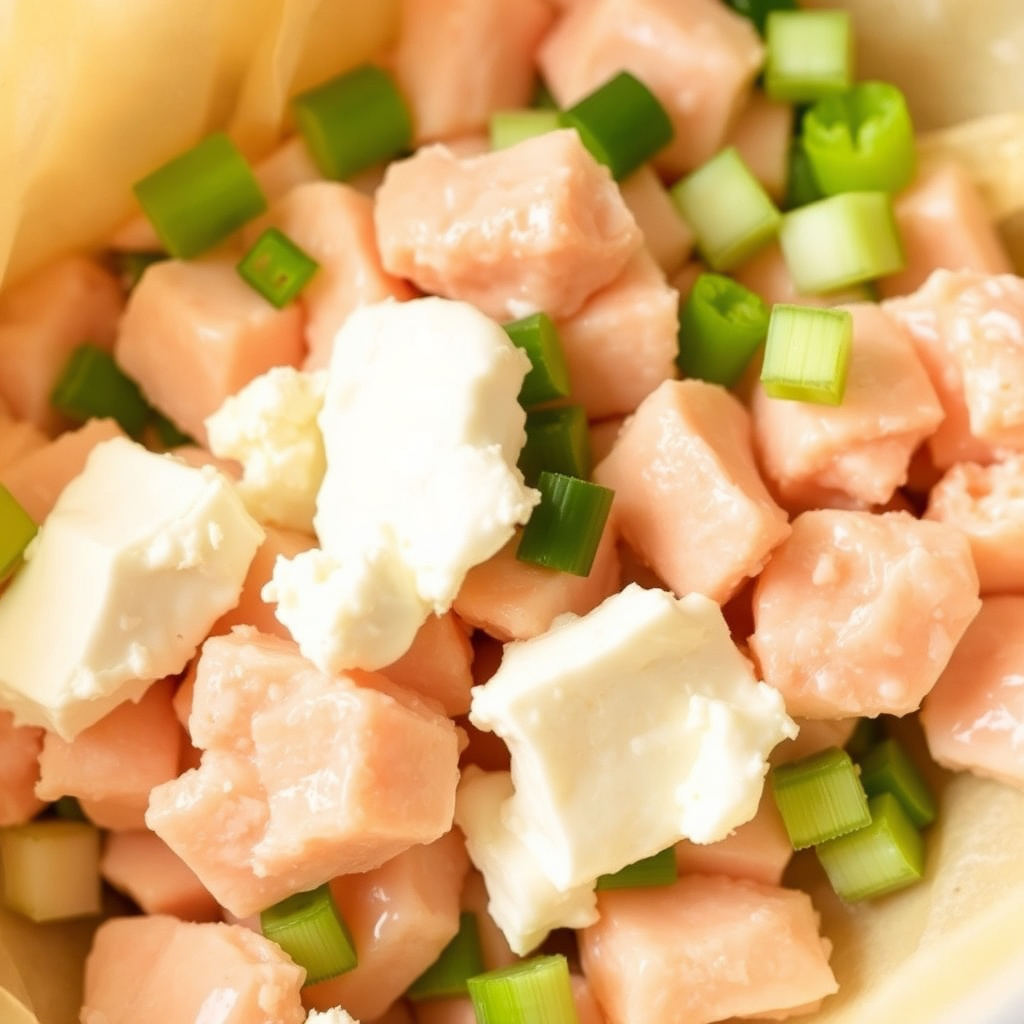
The classic filling for Crab Rangoon usually features cream cheese combined with crab meat or imitation crab. Cream cheese provides a rich, tangy base, while the crab adds a distinct seafood flavor. Some recipes add scallions, garlic, and a touch of soy sauce or Worcestershire sauce for extra depth.
Using imitation crab is common due to lower cost and easier availability, but real crab meat offers a sweeter, more delicate taste. Balancing these ingredients ensures a smooth, creamy filling that contrasts well with the crispy wrapper.
- Cream cheese
- Real or imitation crab meat
- Scallions (green onions)
- Garlic
- Soy sauce or Worcestershire sauce
Wonton Wrappers and Frying Oil
Wonton wrappers, made of thin unleavened dough, encase the filling. Their thinness allows them to crisp flawlessly when deep-fried. Choosing fresh or frozen wonton wrappers can impact texture and ease of preparation.
For frying, neutral oils like vegetable or canola oil are preferable due to their high smoke points and mild flavor. Proper oil temperature (around 350°F to 375°F) is critical for achieving the ideal crispy texture without greasiness.
- Thin wonton wrappers
- Neutral high smoke point oils: vegetable, canola, or peanut oil
How to Make Crab Rangoon at Home

Filling Preparation and Wrapping
Begin by mixing cream cheese with chopped crab, scallions, garlic, and seasonings until well combined. Chilling the filling slightly helps it firm up for better handling. Next, place a small spoonful in the center of each wonton wrapper.
Moisten the edges of the wrapper with water, then fold it into the traditional triangle or four-cornered shape, sealing tightly to prevent leaks during frying.
- Chill filling for easier handling
- Seal wrappers tightly with water
- Try different folding styles for variety
Frying and Serving Tips
Heat oil to the right temperature and fry the wrapped Crab Rangoon in batches to avoid overcrowding and uneven cooking. Fry for 2 to 3 minutes or until golden and crispy. Use a slotted spoon to drain excess oil on paper towels.
Serve immediately for the best texture, alongside dipping sauces like sweet and sour or soy sauce. Baking or air frying the Rangoon can also yield a less oily but still satisfying result.
- Monitor oil temperature carefully
- Drain excess oil on paper towels
- Serve hot with suitable dipping sauces
- Alternate cooking: baking or air fryer
Variations of Crab Rangoon Around the World
Alternative Fillings and Flavors
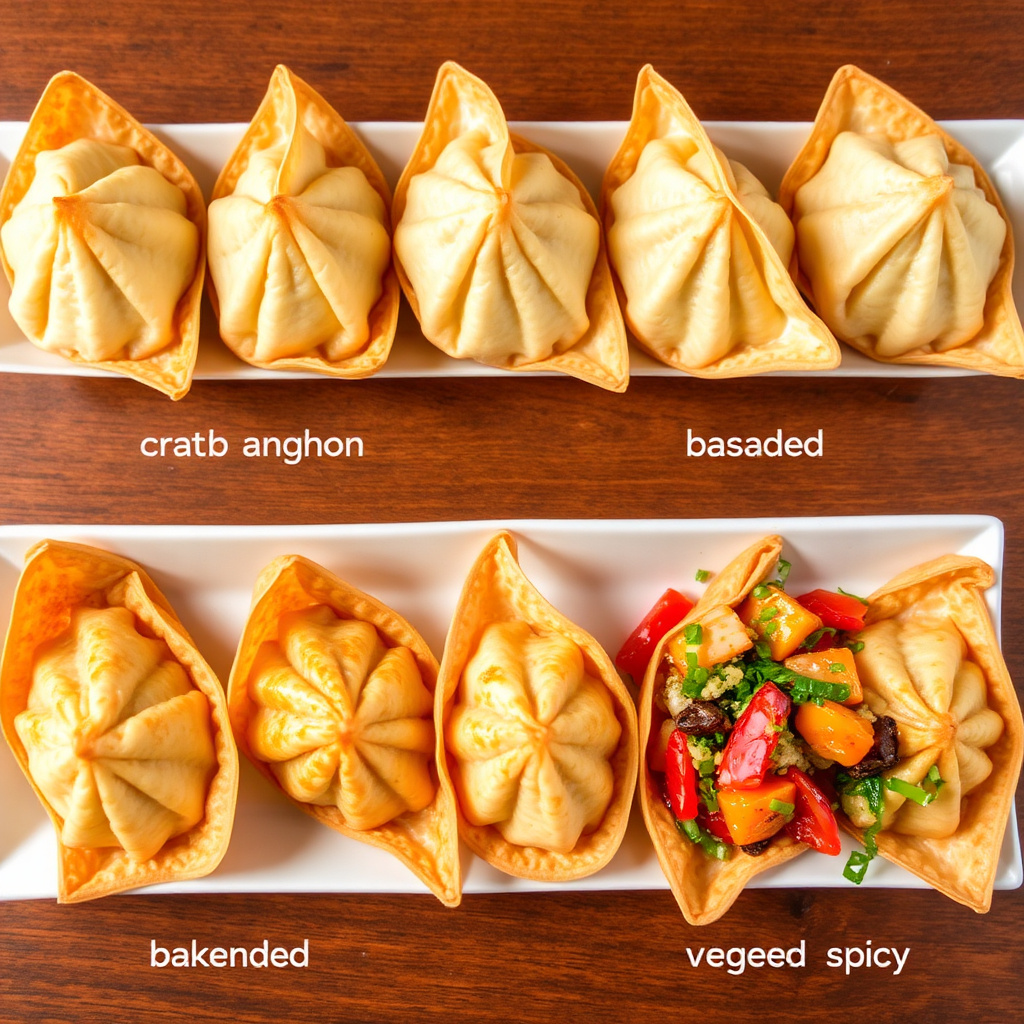
Some versions replace crab with other seafood like shrimp or scallops, or even vegetarian ingredients like cream cheese and mushrooms. Spicy Crab Rangoon incorporates chili or sriracha in the filling or dipping sauces for a heat kick.
Flavor tweaks reflect local preferences or dietary needs but maintain the signature creamy inside and crispy outside texture that defines Crab Rangoon.
- Shrimp or scallop fillings
- Vegetarian with mushrooms
- Spicy varieties with added chili
Healthy and Baked Options
To reduce calories and oil, baking or air frying Crab Rangoon is a popular choice. These methods produce a crunchy outer shell but with less grease. Some recipes use reduced-fat cream cheese or substitute Greek yogurt to lighten the filling.
Health-conscious modifications offer a way to enjoy Crab Rangoon without sacrificing much flavor or texture.
- Baking or air frying instead of deep frying
- Using reduced-fat dairy products
- Portion control for calorie consciousness
Where to Find and Enjoy Crab Rangoon

In Restaurants and Buffets
Crab Rangoon is widely available in American Chinese restaurants, often as part of appetizer platters or dim sum menus. Many buffet-style establishments also feature it due to its popularity and easy shareability.
Some higher-end restaurants might offer gourmet versions with real crab and unique sauces, adding a refined twist to this classic appetizer.
For more detailed historical context and recipe evolution, see the Crab Rangoon history on Wikipedia. Crab Rangoon history on Wikipedia.
Buying Frozen and Ready-Made Options
Frozen Crab Rangoon can be found in grocery stores, providing a convenient option for quick preparation at home. These usually require frying or baking before serving and vary in quality and flavor.
Trying different brands and preparing them correctly ensures satisfying results if you prefer a simpler approach without making it from scratch.
Crab Rangoon Varieties Comparison
This table compares common Crab Rangoon varieties based on filling type, cooking method, flavor, and healthiness.
| Variety | Filling | Cooking Method | Flavor Profile | Calorie Level |
|---|---|---|---|---|
| Classic | Cream cheese & crab meat | Deep-fried | Savory & creamy | High |
| Spicy | Cream cheese, crab, chili | Deep-fried | Spicy & creamy | High |
| Baked | Cream cheese & crab | Baked | Savory & less oily | Medium |
| Vegetarian | Cream cheese & mushrooms | Deep-fried or baked | Creamy & umami | Medium |
| Shrimp-filled | Cream cheese & shrimp | Deep-fried | Seafood-rich & creamy | High |
Frequently Asked Questions
Is Crab Rangoon an authentic Chinese dish?
No, Crab Rangoon is an American invention inspired by Chinese flavors but not found in traditional Chinese cuisine.
Can crab meat be substituted in Crab Rangoon?
Yes, imitation crab or other seafood like shrimp can be used, as well as vegetarian alternatives for different dietary preferences.
What is the best way to cook Crab Rangoon for a healthier option?
Baking or air frying Crab Rangoon offers a healthier alternative to deep frying, reducing oil content while maintaining crispiness.
What dipping sauces go well with Crab Rangoon?
Sweet and sour sauce, soy sauce, and spicy chili sauce are popular accompaniments that complement Crab Rangoon's creamy filling.
Can Crab Rangoon be made ahead of time?
You can prepare and freeze Crab Rangoon before frying, but for best texture, cook them fresh or reheat briefly in the oven.
Key Takeaways
- Crab Rangoon is a fried wonton appetizer filled with cream cheese and crab, popular in American Chinese cuisine.
- Its crispy exterior and creamy filling create a unique texture and flavor contrast.
- Variations include spicy, baked, vegetarian, and different seafood fillings.
- You can enjoy Crab Rangoon in restaurants, at parties, or easily make them at home with common ingredients.
Conclusion
Choosing the right Crab Rangoon depends on your preferences for texture, flavor, and health considerations. The classic deep-fried version delivers a satisfyingly crunchy and creamy bite, characterized by a blend of cream cheese and crab meat. For those interested in lighter options, baked or air-fried Crab Rangoon variants replicate the crispy texture with less oil. Understanding ingredient quality, such as the use of real versus imitation crab, helps tailor your experience to your taste and budget.
If craving traditional flavors, the deep-fried Crab Rangoon remains a favored choice at many American Chinese restaurants and party platters. For a spicy twist, variants with added chili or sriracha bring an exciting kick. Vegetarians can opt for mushroom-filled versions, while seafood lovers might try shrimp-filled Crab Rangoon. These diverse options make Crab Rangoon adaptable and enjoyable for various palettes and occasions.
For those looking to enjoy Crab Rangoon at home, starting with a straightforward crab rangoon recipe and fresh wonton wrappers will create the best results. Experimenting with cooking methods, either frying or baking, allows control over texture and calorie content. Serve with dipping sauces like sweet and sour or soy sauce for an authentic flavor burst. With these insights, preparing or ordering Crab Rangoon becomes a rewarding endeavor that adds playful, tasty variety to your appetizer menu.


2 Comments