How to Store Leftover Chinese Food Safely and Effectively
To store leftover Chinese food properly, first cool it to room temperature, then transfer it to airtight containers and refrigerate within two hours of cooking. This prevents bacterial growth and preserves its texture and flavor.
Leftover Chinese dishes often contain sauces, rice, and proteins that each respond differently to storage. Storing them correctly matters because it helps keep the food safe to eat and maintains the original taste and quality, preventing sogginess or spoilage.
This article covers the best containers, refrigeration and freezing tips, reheating methods, and safety guidelines for leftover Chinese food. It guides you through how to store different types of dishes to enjoy them later without losing flavor or risking foodborne illness.
Choosing the Best Containers for Leftover Chinese Food

Types of Containers Suitable for Chinese Food
Plastic, glass, and stainless steel containers can all work for storing leftover Chinese food. Glass containers are excellent for heat retention and can go from fridge to microwave without damage, while plastic containers are lightweight and affordable but may retain odors.
Airtight lids are crucial to prevent moisture loss and contamination. Resealable vacuum bags can also preserve freshness by reducing air exposure, especially for saucy dishes or rice.
- Glass containers with snap-lock lids
- BPA-free plastic containers
- Vacuum-sealed bags
- Stainless steel containers with tight-fitting lids
Container Sizes and Portioning Tips
Use containers that fit the portion size to minimize air exposure, which accelerates spoilage. Smaller containers prevent food from drying out and help you reheat only what you intend to eat.
Separating sauces from the solid ingredients when storing can keep textures intact, especially for crispy items like egg rolls or fried chicken pieces.
- Small containers for single servings
- Separate sauce compartments or small jars
- Label containers with date and contents
Refrigeration and Freezing Practices for Leftover Chinese Food

Proper Refrigeration Guidelines
Store leftovers in the fridge within two hours of cooking to slow bacterial growth. The ideal refrigerator temperature is below 40°F (4°C). Keep leftovers on a middle or top shelf for even cooling.
Consume refrigerated leftovers within 3-4 days to maintain safety and quality. Avoid overcrowding the fridge, as air circulation is necessary for consistent cooling.
- Cool food before refrigerating
- Use airtight containers
- Store away from raw meats
- Consume within 3-4 days
For more on this, see our related guide: How to Reheat Chinese Food for the Best Taste and Texture.
Freezing Leftover Chinese Food
Freezing allows you to store leftovers for 2 to 3 months. Freeze dishes like stir-fried vegetables, meats, and saucy items in airtight, freezer-safe containers or heavy-duty freezer bags.
Avoid freezing rice alone, as it can dry out, but mixed dishes containing rice freeze better. Thaw frozen leftovers overnight in the refrigerator before reheating to maintain texture.
- Use freezer-grade containers or bags
- Label with date of freezing
- Avoid reheating multiple times
- Thaw safely in the refrigerator
Safe and Effective Reheating Methods

Microwave Reheating Tips
Microwaving is quick and convenient but can result in uneven heating. Stir food halfway through heating to avoid cold spots where bacteria can survive.
Cover leftovers with a microwave-safe lid or wrap to retain moisture and heat evenly. Use medium power settings for a more consistent result.
- Stir midway through reheating
- Use a microwave-safe cover
- Heat until steaming hot
- Let food rest briefly after microwaving
Using Stovetop and Oven for Better Texture
To preserve crispiness in items like egg rolls or fried chicken, reheating in an oven or skillet works best. Bake at 350°F (175°C) until heated through and crisp.
Stovetop reheating allows better control especially for stir-fries and saucy dishes. Use a little oil and stir frequently to warm evenly without drying out.
- Use oven bake for fried foods
- Stir often on stovetop
- Add moisture if food seems dry
- Preheat oven before reheating
Storing Specific Chinese Food Types for Maximum Freshness
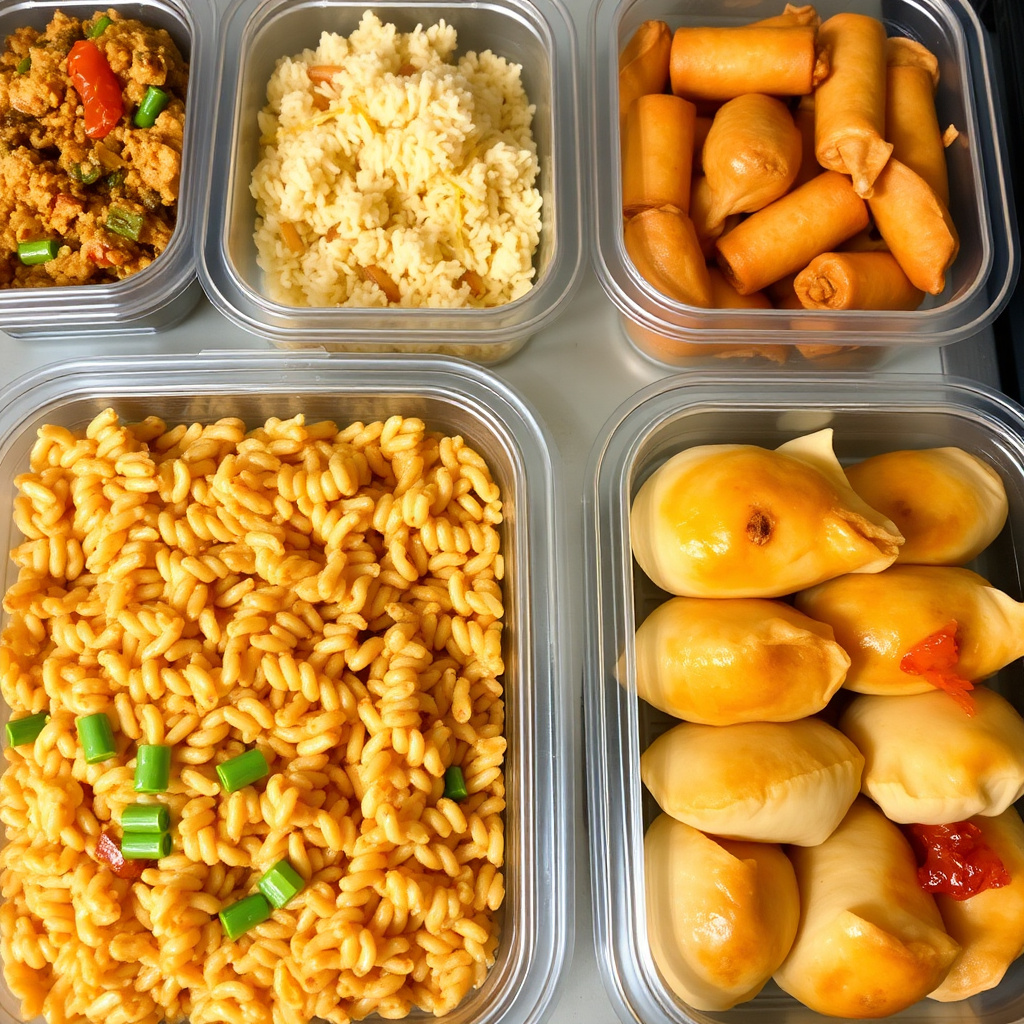
Storing Rice and Noodle Dishes
Rice should be cooled quickly and stored in shallow containers to cool evenly and prevent bacteria growth. Noodles should ideally be separated from sauces when stored to prevent sogginess.
Avoid storing rice at room temperature for long periods, as it can harbor Bacillus cereus bacteria which cause food poisoning.
- Store rice in shallow, airtight containers
- Separate noodles and sauces when possible
- Reheat until steaming hot
For more on this, see our related guide: How to Make Wonton Soup: A Step-by-Step Guide to Classic Chinese Comfort.
Storing Dumplings, Egg Rolls, and Fried Foods
Fried items lose their crispiness when stored in humid conditions. Use containers with ventilation or paper towels to absorb moisture if eating within a day.
For longer storage, freeze fried foods individually on trays before packing in airtight bags to preserve texture.
- Use paper towels to absorb moisture
- Freeze individually for longer storage
- Reheat in oven to regain crispness
Avoiding Common Storage Mistakes with Leftover Chinese Food

Mistakes That Lead to Food Spoilage
Leaving Chinese food out at room temperature for several hours allows dangerous bacteria to multiply, increasing risk of foodborne illness. Always refrigerate within two hours.
Using non-airtight containers causes moisture loss and flavor transfer from other fridge items, degrading taste and texture.
- Avoid leaving food unrefrigerated
- Do not store in loosely covered containers
- Avoid reheating repeatedly
For detailed food storage timelines and safety tips, FoodSafety.gov offers a reliable resource on storing leftovers. FoodSafety.gov on storing leftovers.
How to Identify Spoiled Leftovers
Signs of spoilage include off smells, slimy textures, and visible mold. Discoloration or sour taste also indicates food has gone bad and should be discarded.
When in doubt, throw it out. Avoid tasting suspicious leftovers as even a small amount of certain bacteria or toxins can cause illness.
- Check for off odors or slime
- Discard moldy leftovers promptly
- Do not rely on expiration dates alone
Comparison of Storage Methods for Leftover Chinese Food
The following table contrasts popular storage options for leftover Chinese food based on durability, preservation quality, and convenience.
| Storage Method | Durability | Preservation Quality | Ease of Use | Best For |
|---|---|---|---|---|
| Glass Containers | High | Excellent | Moderate | Microwave reheating, long-term fridge storage |
| Plastic Containers | Moderate | Good | High | Lightweight, fridge storage, short-term use |
| Vacuum Seal Bags | Variable | Very Good | Moderate | Sauces and moist dishes, freezing |
| Aluminum Takeout Boxes | Low | Poor | Easy | Short term, immediate reheating |
| Freezer-Grade Bags | Low | Good | High | Freezing mixed leftovers |
Frequently Asked Questions
How long can I safely keep leftover Chinese food in the fridge?
Leftover Chinese food should be eaten within 3 to 4 days when stored properly in airtight containers in the refrigerator at or below 40°F (4°C).
Can I freeze leftover fried Chinese foods like egg rolls?
Yes, fried foods freeze well if placed individually on trays before sealing in airtight bags. To maintain crispness, reheat them in the oven instead of the microwave.
Is it necessary to separate sauces from rice or noodles when storing leftovers?
Separating sauces helps keep rice and noodles from becoming overly soggy, preserving their texture and making reheating more effective.
What is the safest way to reheat leftover Chinese food?
Reheat leftovers until they are steaming hot all the way through, using a microwave with stirring or an oven/stovetop for more even heating and better texture.
Can storing Chinese food in plastic containers cause odors?
Some plastics may retain strong food odors over time, especially from pungent ingredients. Glass containers tend to be less odor-retentive.
Key Takeaways
- Cool Chinese food quickly before storing in airtight containers.
- Refrigerate leftovers within two hours and consume within 3-4 days.
- Use glass or vacuum-sealed containers for best preservation.
- Reheat thoroughly using microwaves with stirring or oven for crispness.
Conclusion
Storing leftover Chinese food properly revolves around quick cooling, airtight storage, and temperature control to preserve both safety and flavor. Using appropriate containers and refrigerating within two hours minimizes bacterial growth. Appropriate reheating ensures the dish remains enjoyable while protecting against potential foodborne illness.
For everyday refrigeration, glass containers with tight-fitting lids are a reliable choice, especially if you plan to reheat in the microwave or oven. Vacuum-sealed bags excel for freezing saucy dishes or rice-heavy meals, preventing freezer burn and preserving moisture. Fried items like egg rolls benefit from freezing individually and reheating in the oven to restore crispiness.
The practical next step is assembling a set of versatile, airtight containers and prioritizing rapid cooling of leftovers. Label your stored food with dates to keep track and avoid spoilage. By following these clear, actionable steps, you can enjoy your favorite Chinese dishes just as much on the second helping.




2 Comments