How Many Calories in a Dragon Roll: A Nutritional Breakdown
A typical dragon roll contains approximately 500 to 600 calories per serving. This calorie count varies depending on the ingredients such as eel, avocado, mayonnaise-based sauces, and the amount of rice used. Knowing the calorie content helps you make informed decisions when enjoying sushi rolls in your diet.
Understanding the calorie composition is important because dragon rolls combine several high-calorie ingredients like deep-fried shrimp tempura and sweet sauces that can significantly increase the total energy intake. Being aware of these factors supports balanced eating habits, especially for those tracking calories or managing weight.
This article will explore what components contribute to the calories in a dragon roll, compare it to other sushi options, and provide tips on how to enjoy it without overdoing calorie intake. You will also find a detailed comparison of various sushi rolls based on their calorie contents.
Main Ingredients and Their Calorie Contributions in a Dragon Roll
Eel and Its Caloric Impact
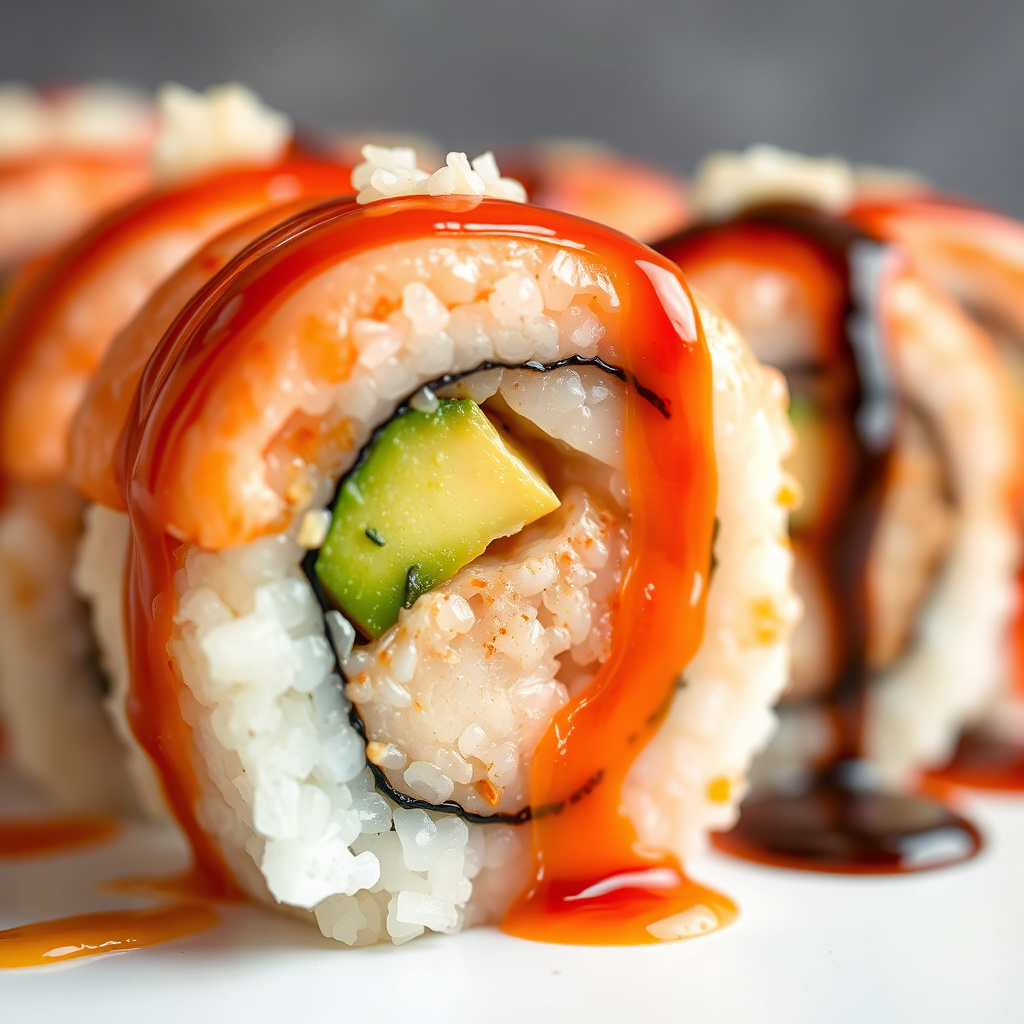
Eel, often the star protein in a dragon roll, is rich in flavor and calories. A typical portion of grilled eel used in the roll contains about 100-120 calories, coming largely from natural fats and the sweet eel sauce applied during preparation.
While eel adds a beautiful texture and taste, it contributes a calorie density that makes dragon rolls richer than many other sushi kinds. This makes understanding eel’s calorie contribution critical for mindful consumption.
Avocado and Rice Contributions
Avocado is a healthy fat source adding creaminess and roughly 80-100 calories per roll depending on the amount used. It enhances nutritional value but also raises the overall calorie count of the dragon roll.
Rice, the base of any sushi roll, typically adds 200-250 calories in a standard dragon roll. The sushi rice is seasoned with sugar and vinegar, contributing slight additional calories from the vinegar marinade.
Sauces and Additional Toppings Affecting Calories in a Dragon Roll
Eel Sauce and Mayonnaise-based Sauces
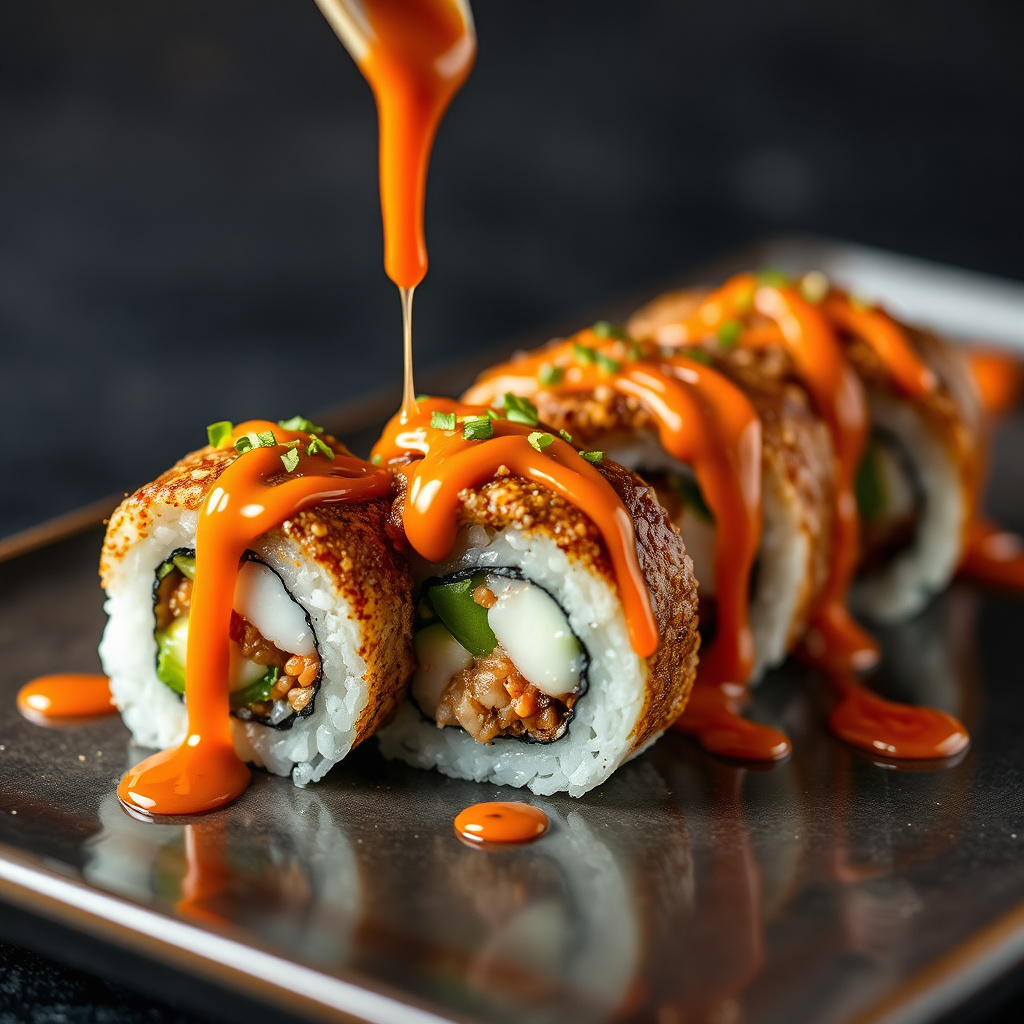
Eel sauce is a sweet soy-based glaze that adds flavor but also 50 to 70 extra calories per serving due to its sugary content. The drizzle can significantly increase the total calories if applied generously.
Spicy mayo or other mayonnaise-based sauces are commonly added on top, adding both fat and calories, ranging from 50-100 calories depending on quantity. These creamy additions make dragon rolls more indulgent and calorie-dense.
Crunchy Tempura Elements and Their Impact
Many dragon rolls include shrimp tempura, where shrimp is deep-fried in batter, contributing about 100-150 calories just from the frying oil and batter coating. This tempura element gives the roll a crunchy texture while increasing its caloric load.
The added crunch is desirable for texture contrast, but the extra calories from frying should be accounted for when evaluating the total intake from a dragon roll.
Calorie Comparisons Between Dragon Rolls and Other Popular Sushi Rolls

Dragon Roll vs. California Roll
California rolls generally have fewer calories than dragon rolls, often ranging from 250 to 350 calories per serving. They usually include crab (or imitation crab), cucumber, and avocado but lack fried elements and eel sauce, making them lighter.
Comparing these two helps highlight how ingredients like eel and tempura raise the calorie content significantly in a dragon roll.
For more on this, see our related guide: How Many Calories Are in a Spicy Tuna Roll? Accurate Nutrition Guide.
Dragon Roll vs. Spicy Tuna Roll
Spicy tuna rolls usually contain about 290 to 370 calories. They have raw tuna mixed with spicy mayo but typically don't include deep-fried elements or eel sauce. This generally keeps their calories lower than the dragon roll.
Choosing between these rolls depends on your preference for flavors and calorie intake goals, with dragon rolls being more calorie-dense due to added sauces and fried textures.
Tips for Managing Calorie Intake When Eating Dragon Rolls

Portion Control and Sharing
Eating smaller portions or sharing a dragon roll with others can help limit calorie intake without missing out on the experience. Splitting a roll or pairing it with lower-calorie sides balances your meal better.
This approach allows you to enjoy the rich flavors of a dragon roll without consuming excessive calories in one sitting.
Requesting Sauce and Ingredient Modifications
Asking the chef to reduce or omit eel sauce and mayonnaise-based toppings can decrease the calorie load significantly. Similarly, choosing a roll variant without shrimp tempura lowers calories while keeping the essential taste elements intact.
Customizing your roll this way provides a more health-conscious option when enjoying sushi with friends or at restaurants.
Understanding Calorie Labels and Serving Sizes in Sushi Menus

How Sushi Restaurants Calculate Calories
Calorie counts on sushi menus often come from standardized ingredient databases or lab testing of menu items. However, actual calorie content can vary due to portion size, sauce ratios, and individual chef preparation methods.
Being aware of these factors helps you interpret calorie information more realistically rather than relying solely on menu numbers.
For more on this, see our related guide: How Many Calories Are in a Rainbow Roll? A Detailed Nutritional Guide.
Serving Size Variations and Their Effect on Calories
A standard dragon roll usually contains 8 to 10 pieces, but smaller or larger servings are common in some restaurants. More pieces increase calories proportionally, so understanding the serving size is key when tracking your calorie intake.
If available, checking pieces per roll or portion size on the menu aids better calorie management.
Healthier Alternatives and Modifications for Lower-Calorie Sushi Rolls

Sushi Rolls With Fresh Fish and Minimal Sauce
Choosing sushi rolls that emphasize fresh fish, vegetables, and less sauce naturally reduces calories. Rolls like sashimi-based options or cucumber-wrapped rolls cut out fried batter and sugary sauces, providing leaner alternatives.
This approach also offers nutritional benefits from omega-3 fatty acids and vitamins without excess calories.
For broader context on sushi varieties, you can visit the Dragon roll nutrition information on Wikipedia. Dragon roll nutrition information on Wikipedia.
Replacing High-Calorie Ingredients
Replacing tempura shrimp with grilled or steamed seafood and substituting avocado with cucumber or other vegetables can lower calorie composition. Additionally, requesting sauce on the side allows control over intake of sugary and fatty condiments.
These swaps give you a lighter version of your favorite roll without sacrificing much flavor.
Sushi Roll Calorie Category Comparison
Here's a quick comparison of popular sushi rolls based on their typical calorie ranges to help you make informed choices.
| Sushi Roll | Calories (per roll) | Main Ingredients | Special Features |
|---|---|---|---|
| Dragon Roll | 500-600 | Eel, shrimp tempura, avocado, rice, sauces | Rich, fried elements, sweet sauces |
| California Roll | 250-350 | Crab, avocado, cucumber, rice | No fried elements, mild flavor |
| Spicy Tuna Roll | 290-370 | Raw tuna, spicy mayo, rice | Medium calorie, spicy flavor |
| Veggie Roll | 150-250 | Cucumber, avocado, carrot, rice | Low calorie, fresh vegetables |
| Salmon Sashimi Roll | 180-280 | Fresh salmon, rice, minimal sauce | Lean protein, low calorie |
| Tempura Roll | 400-550 | Tempura shrimp or vegetables, rice, sauces | Crunchy, fried texture |
Frequently Asked Questions
Does the size of a dragon roll affect its calorie content?
Yes, larger dragon rolls with more pieces contain more calories. Typically, a standard roll has 8-10 pieces, so adjusting serving size directly impacts calorie intake.
Can I eat a dragon roll if I'm on a calorie-restricted diet?
You can, but it’s best to watch portion size and limit high-calorie sauces or fried ingredients to keep the overall calorie count within your diet's limits.
Are dragon rolls high in fat?
Dragon rolls contain moderate to high fat due to avocado, eel, and mayonnaise-based sauces, but much of the fat can be healthy unsaturated fats from avocado and eel.
How does the eel sauce contribute to calories in a dragon roll?
Eel sauce adds calories through its sugar content. Although it enhances flavor, it typically adds around 50-70 calories per serving, so use it sparingly if watching calories.
Is a dragon roll healthier than other fried sushi rolls?
Not necessarily; many fried sushi rolls have similar or slightly lower calories depending on ingredients. Dragon rolls usually include tempura and rich sauces, increasing calorie density.
Key Takeaways
- A dragon roll typically contains 500-600 calories per standard serving.
- Eel, shrimp tempura, avocado, and sauces majorly contribute to the calorie content.
- Modifying sauces and sharing portions can help manage calorie intake.
- Comparing with other sushi rolls reveals dragon rolls are calorie-dense but flavorful.
Conclusion
When deciding how many calories are in a dragon roll, it’s clear the combination of rich ingredients like eel, tempura shrimp, avocado, and sweet sauces adds up to a calorie-dense meal. Understanding each component's contribution helps you get a realistic picture of what you’re eating. Instead of guessing, knowing these details allows for smarter choices within a balanced diet without forgoing your favorite sushi treat.
If you want a flavorful experience that’s mindful of calories, consider sharing a dragon roll or customizing it by reducing sauces and fried ingredients. Alternatively, options like California rolls or spicy tuna rolls offer significantly fewer calories while still delivering satisfying sushi flavors. For those looking for leaner choices, sashimi or vegetable rolls complement your meals with fewer calories and more fresh nutrients.
Ultimately, being aware of calorie content means you can enjoy sushi with confidence. Start by reviewing menu details or asking your sushi chef for ingredient modifications when ordering. This mindful approach preserves your enjoyment of a dragon roll while fitting it into your dietary goals effectively and deliciously.


One Comment