How Many Calories Are in Sashimi? A Clear Guide to Its Nutritional Content
Sashimi, a Japanese delicacy featuring thinly sliced raw fish or seafood, is generally low in calories, making it a popular choice for those watching their intake. On average, a typical serving of sashimi contains between 30 to 50 calories per ounce depending on the type of fish. This makes it an excellent lean protein option that's flavorful without many added calories.
Understanding how many calories are in sashimi is helpful not only for those tracking macros but also for anyone wanting a nutritious meal option. Because sashimi consists mainly of raw fish without sauces or carbs, it provides high protein with minimal fat or sugars. The calorie difference largely comes down to the fish variety used, which impacts its fat and calorie content.
This article reviews the calorie content across common sashimi types, explores nutritional facts, outlines additional health benefits, and offers tips for enjoying sashimi as part of a balanced diet. It also compares sashimi with other sushi and seafood options to give a fuller picture of your dining choices.
Calories in Common Types of Sashimi
Low-Calorie Sashimi Options
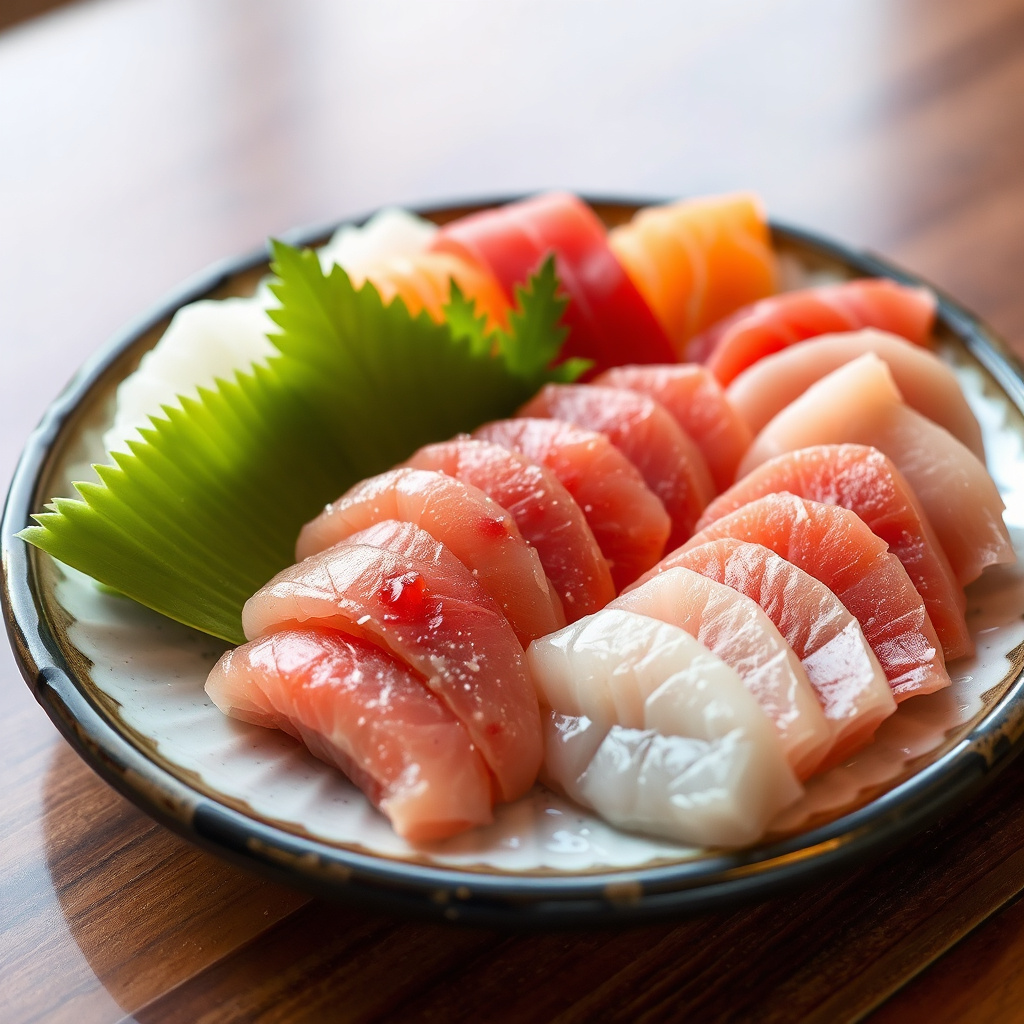
Fish like tuna (maguro), squid, and octopus rank among the lowest calorie sashimi options, generally providing between 30 to 40 calories per ounce. Tuna is rich in protein and low in fat, making it a common choice for calorie-conscious diners.
Squid and octopus sashimi offer slightly different textures but similarly low calories. Their lean nature means they contribute minimal fat while still delivering essential amino acids, which are important for muscle repair and general health.
- Tuna sashimi: ~35 calories per ounce
- Squid sashimi: ~30 calories per ounce
- Octopus sashimi: ~35 calories per ounce
Higher-Calorie Sashimi Varieties
Salmon and mackerel sashimi have higher fat content, contributing to richer flavors and more calories, typically around 50 to 60 calories per ounce. These fatty fish provide omega-3 fatty acids beneficial for heart health but increase the overall calorie count.
Eel sashimi, or unagi, is another higher calorie option partly because it is often served cooked with sauces that add sugars and fats. Its calories can range much higher depending on preparation, so it’s worth considering if you’re tracking closely.
- Salmon sashimi: ~50-60 calories per ounce
- Mackerel sashimi: ~60 calories per ounce
- Eel (unagi) sashimi: often higher due to sauces
Understanding Sashimi Nutrition Facts

Macronutrient Breakdown in Sashimi
Sashimi primarily provides lean protein ranging from 5 to 7 grams per ounce, depending on the fish. Fat content varies, with fatty fish providing up to 3-5 grams per ounce, whereas lean fish contain less than 1 gram.
Carbohydrates are negligible in traditional sashimi since it contains no rice or added sugars, making it a suitable choice for low-carb or ketogenic diets. Its amino acids and healthy fats contribute greatly to its nutritional value.
Vitamins and Minerals in Sashimi
Raw fish in sashimi is rich in essential nutrients such as vitamin D, B vitamins, selenium, and iodine. These nutrients support metabolism, immune functions, and overall cellular health.
Fatty fish varieties also provide omega-3 fatty acids EPA and DHA, which have anti-inflammatory properties and support brain and heart health. Choosing sashimi offers these health boosts along with its lean protein.
How Sashimi Compares to Other Sushi and Seafood

Calorie Differences Between Sashimi and Nigiri
Nigiri sushi consists of raw fish served atop a small amount of rice, which adds roughly 15-20 calories per piece compared to sashimi alone. This makes sashimi lower in calories since it excludes rice entirely.
For those strictly monitoring caloric intake, sashimi is a better choice, but nigiri can add more texture and fullness due to the carbohydrates provided by rice.
For more on this, see our related guide: How Many Calories in a Dragon Roll: A Nutritional Breakdown.
Sashimi vs. Cooked Seafood Options
Cooked seafood like tempura or grilled fish sushi usually contain more calories because of batter, cooking oils, and sauces. Sashimi’s raw form keeps calories minimal without these additions.
When aiming for a light, protein-rich meal, sashimi stands out as more calorie-conscious, especially compared with fried or heavily sauced seafood options common in many sushi menus.
Portion Size and Caloric Impact of Sashimi
Average Serving Sizes in Restaurants
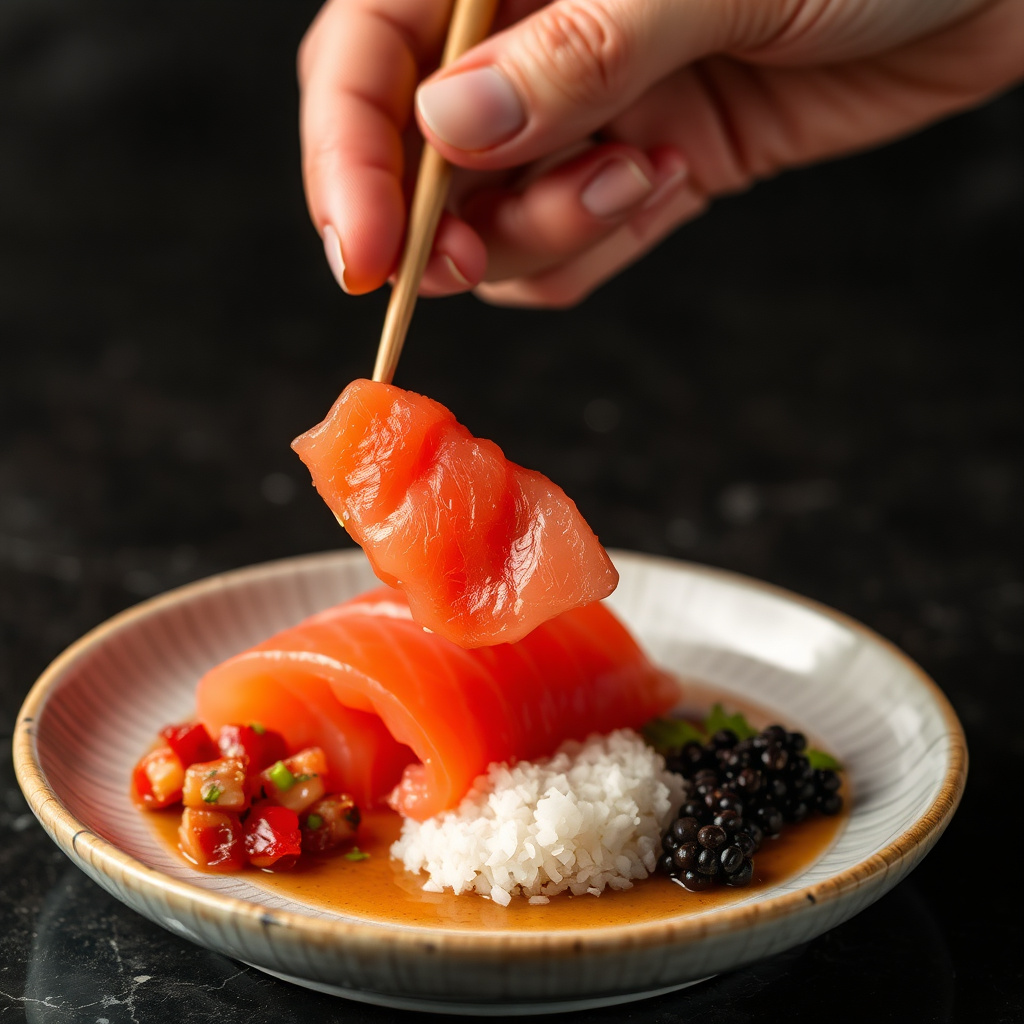
A typical sashimi serving at restaurants is around 3 to 5 ounces, which translates to roughly 90 to 300 calories depending on the fish. Understanding serving sizes helps control calorie intake effectively.
Many sashimi dishes are presented as multiple thin slices, and counting slices alone can be misleading since thickness and fish type affect calories. Measuring by ounces or grams provides better accuracy.
- 3 oz sashimi: approximately 90-150 calories
- 5 oz sashimi: approximately 150-300 calories
Adjusting Portions to Meet Calorie Goals
If you want to keep calories lower, opt for lean fish and keep portions moderate. For higher calorie needs or satiety, including fatty varieties within balanced portions can work well.
Pairing sashimi with low-calorie sides like seaweed salad or steamed vegetables maintains meal balance without adding many calories.
Health Benefits Linked to Eating Sashimi

Protein Density and Muscle Support
Sashimi's high-quality protein supports muscle growth and repair, making it beneficial for athletes and active individuals. It contains all essential amino acids required by the body.
Because it is minimally processed and free from additives, sashimi delivers pure protein sources without excess calories or fats found in many processed meats.
For more on this, see our related guide: How Many Calories Are in a Rainbow Roll? A Detailed Nutritional Guide.
Omega-3 Fatty Acids and Heart Health
Fatty fish sashimi such as salmon provide omega-3 fatty acids, which help reduce inflammation and lower the risk of cardiovascular diseases. These fats are vital for brain function as well.
Including sashimi in your diet several times a week can contribute positively to heart and cognitive health while keeping calorie intake in check.
Tips for Choosing Healthy Sashimi

Selecting Freshness and Quality
Freshness is key for both taste and safety; look for sashimi with vibrant color, firm texture, and a fresh ocean scent. Trusted restaurants and sushi bars typically prioritize high-quality fish suitable for raw consumption.
Ask about sourcing and seasonal availability to choose fish types that are both fresh and sustainable, enhancing nutritional value and flavor.
For a more detailed look at sashimi and its traditional preparation, visit the sashimi nutritional information page. Sashimi nutritional information.
Avoiding High-Calorie Additions
Some sashimi preparations come with rich sauces or mayonnaise-based toppings that add extra calories. For calorie control, request sashimi without such dressings or dipping sauces high in sugar or fat.
Stick with simple soy sauce, wasabi, or pickled ginger as condiments to keep calories low while enhancing flavor authentically.
Comparing Popular Sashimi Types by Calorie and Fat Content
This table highlights calorie and fat differences among common sashimi types to help you pick the best fit for your diet.
| Fish Type | Calories per ounce | Fat per ounce (grams) | Omega-3 Content |
|---|---|---|---|
| Tuna (Maguro) | 35 | 0.5 | Moderate |
| Salmon | 55 | 4.5 | High |
| Mackerel | 60 | 5.5 | Very High |
| Squid | 30 | 0.2 | Low |
| Octopus | 35 | 0.4 | Low |
| Eel (Unagi) | 70+ | 6+ | High |
Frequently Asked Questions
Is sashimi a low-calorie food?
Yes, sashimi generally has low calories per serving because it's mainly raw fish without added carbs. Most varieties range from 30 to 60 calories per ounce.
Does sashimi contain carbohydrates?
Traditional sashimi contains negligible carbohydrates as it is raw fish served without rice or breading, making it suitable for low-carb diets.
Which sashimi has the highest calories?
Fatty fish like eel, mackerel, and salmon tend to have higher calories due to their fat content, with eel also often served with calorie-rich sauces.
Can sashimi fit into a weight loss diet?
Absolutely; sashimi is high in lean protein and low in calories, making it a favorable choice for weight management and muscle maintenance.
Are there any health risks eating sashimi?
Eating sashimi carries minor risks of parasites or bacteria if fish isn't fresh or handled properly, so it’s best to choose reputable sources.
Key Takeaways
- Sashimi is a low-calorie, high-protein dish ideal for lean dietary choices.
- Calorie amounts vary by fish type, with fatty fish like salmon being higher.
- Sashimi contains beneficial nutrients like omega-3 fatty acids, vitamins, and minerals.
- Avoiding sauces and managing portions helps maintain low calorie intake.
Conclusion
Understanding the calorie content in sashimi can guide you toward meal choices that fit your nutrition goals. While sashimi is inherently low in calories and high in protein, the type of fish and serving size heavily influence your total intake. Taking time to choose lean versus fatty fish, and considering extras like sauces, will shape how sashimi fits into your diet.
For those wanting to enjoy sashimi while tracking calories, opting for lean options like tuna or squid helps keep numbers on the lower side. Meanwhile, fatty fish like salmon or mackerel provide more calories but add heart-healthy omega-3 fats. If you crave richer flavors or higher calorie meals, including these options judiciously and balancing portion sizes works well. Comparing with nigiri sushi, sashimi usually offers fewer calories since it excludes rice, which is relevant for carb-conscious eaters.
Overall, sashimi offers a nutrient-dense, flavorful alternative to typical protein sources, supporting various dietary plans from weight loss to muscle building. The next step is to explore your local sushi spots, ask questions about sourcing and freshness, and enjoy sashimi as a versatile component of a balanced diet.