What Is a California Roll? Understanding This Popular Sushi Roll
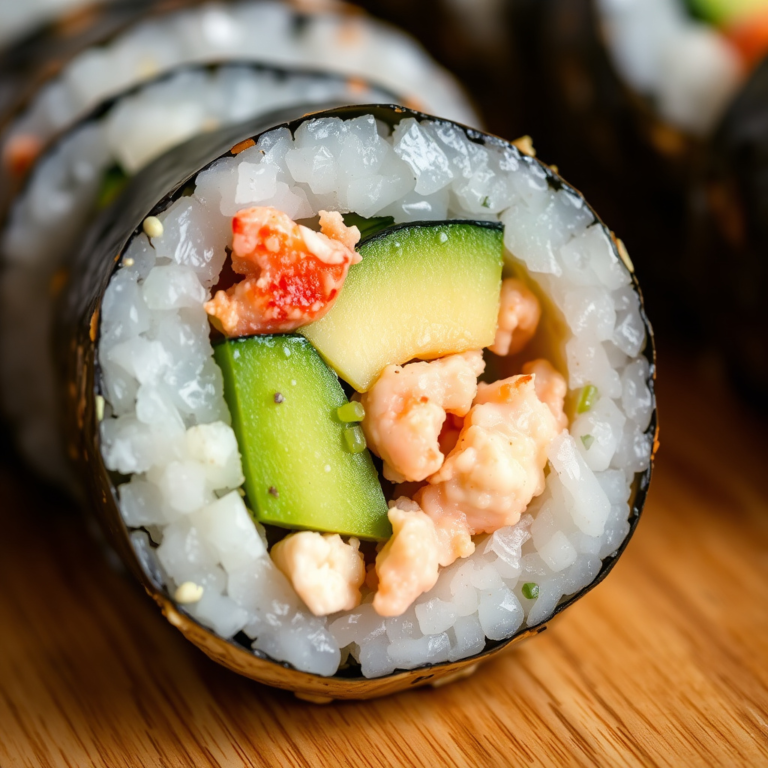
A California roll is a type of sushi roll that typically includes avocado, cucumber, and crab meat or imitation crab, wrapped in sushi rice and seaweed. This roll is a favorite in many sushi restaurants, especially in the United States, due to its mild flavors and accessibility for those new to sushi.
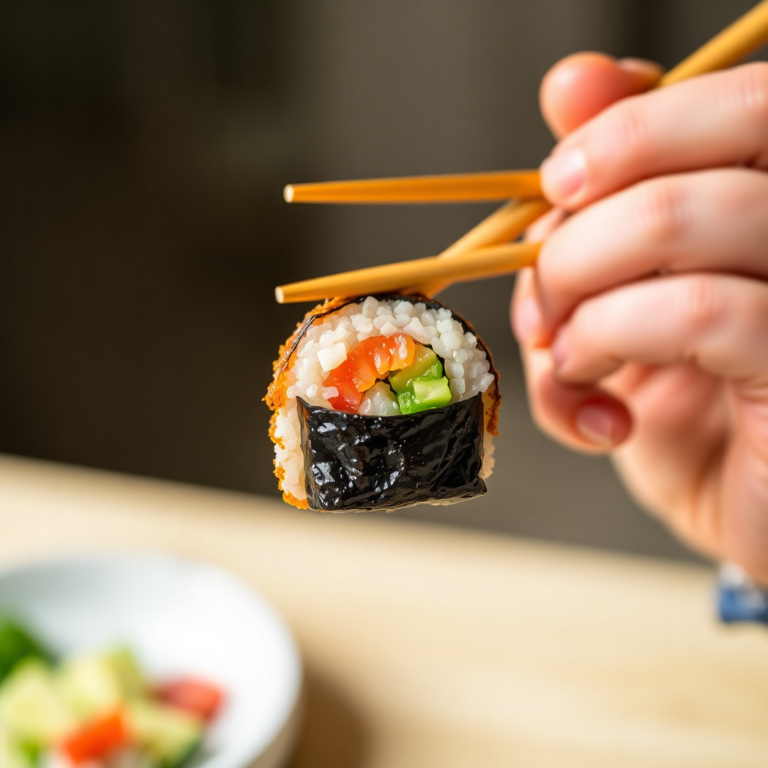
The California roll differs from traditional Japanese sushi by using cooked crab or imitation crab and often featuring the rice on the outside of the seaweed. This adaptation was made to cater to Western tastes and to make sushi more approachable for people unfamiliar with raw fish.
This article will explain the typical ingredients and construction of a California roll, explore its origins, and provide tips on how to enjoy this sushi variant. You will also learn how it compares to other sushi rolls and what makes it a staple in Western sushi menus.
Ingredients That Define a California Roll

Core Components of a California Roll
The California roll primarily consists of cooked crab meat or imitation crab, fresh avocado, and cucumber. These ingredients are chosen for their complementary textures and flavors, combining the creaminess of avocado with the crunch of cucumber and the savory taste of crab.
Unlike traditional sushi, which often uses raw fish, the California roll uses these ingredients to accommodate different palates, especially for those who may be hesitant about eating raw seafood.
- Cooked crab or imitation crab
- Avocado
- Cucumber
- Sushi rice
- Nori (seaweed sheet)
Variations and Common Additions
While the classic California roll sticks to the key ingredients, variations may include sesame seeds sprinkled on the rice's exterior or a touch of mayonnaise inside the roll. Sometimes tobiko (fish roe) is added on top for extra texture and visual appeal.
These variations contribute to the roll's flavor profile and presentation, making it a versatile choice for sushi lovers seeking subtle differences.
- Sesame seeds on rice
- Mayonnaise
- Tobiko (fish roe)
The History Behind the California Roll

Origins and Inventors
The California roll was created in the United States during the 1960s or 1970s as an innovative adaptation of traditional sushi. Several chefs claim to have invented it, aiming to introduce sushi to Western customers by replacing raw fish with more familiar ingredients like avocado and cooked crab.
This invention helped popularize sushi beyond Japan and transformed it from an exotic dish into a common menu item across American and international restaurants.
Why It Became So Popular
Its popularity stems from the roll’s mild taste and approachable ingredients, making it ideal for people new to sushi. The California roll bridges cultural culinary differences and helped establish a massive sushi market in the United States.
Its visually appealing appearance with the rice on the outside and colorful ingredients also made it a hit both in restaurants and for home sushi-making enthusiasts.
How a California Roll Is Made

Step 1: Preparing the Ingredients
Start by cooking or sourcing quality crab meat or imitation crab, slicing avocado thinly to achieve a creamy texture, and cutting cucumber into matchstick-sized pieces for crunch. Sushi rice should be cooked and seasoned with rice vinegar, sugar, and salt to enhance flavor.
Having all ingredients prepped and ready is key to efficiently assembling the roll and maintaining freshness during the process.
Step 2: Rolling and Presentation
Using a bamboo mat, spread a thin, even layer of sushi rice over the nori seaweed sheet, typically placing rice on the outside for a California roll. Layer the crab, avocado, and cucumber inside, then carefully roll the sushi with gentle pressure to avoid breaking the roll.
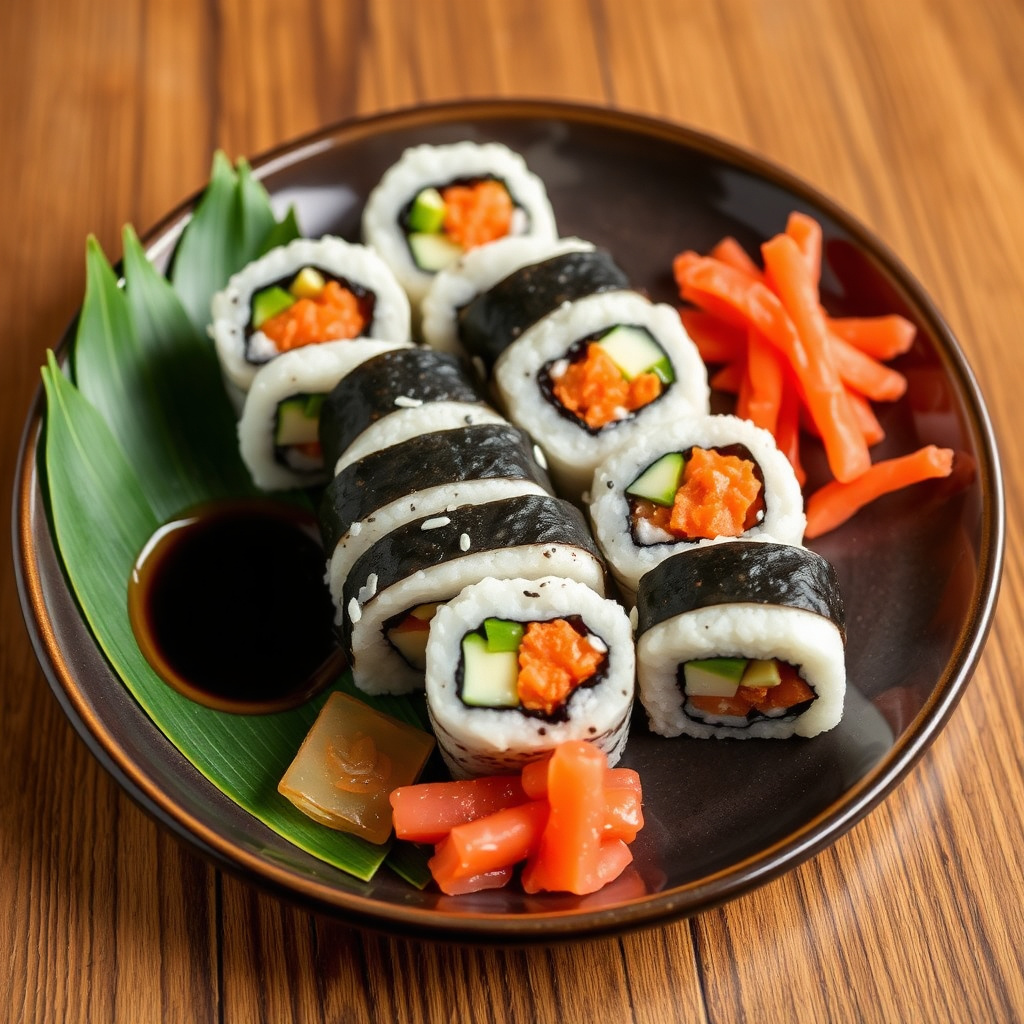
The roll is usually sliced into bite-sized pieces and served with soy sauce, wasabi, and pickled ginger, completing the traditional sushi experience.
Nutritional Value and Health Considerations

Caloric and Nutritional Breakdown
A typical California roll contains moderate calories, about 250-300 per roll, with a good balance of protein, healthy fats from avocado, and carbohydrates from rice. It is relatively low in saturated fats and provides essential nutrients like omega-3 fatty acids and vitamins.
For those monitoring calorie intake, it remains a lighter option compared to some fried or cream cheese-based sushi rolls.
Allergen and Dietary Notes
Since crab or imitation crab contains shellfish, this roll is unsuitable for those with shellfish allergies. The presence of rice and nori makes it gluten-free, but cross-contamination in restaurants may be a concern.
Vegetarian alternatives can use ingredients like cucumber and avocado without crab, offering options for different dietary restrictions.
Comparing the California Roll to Other Popular Sushi Rolls
Flavor and Ingredient Differences
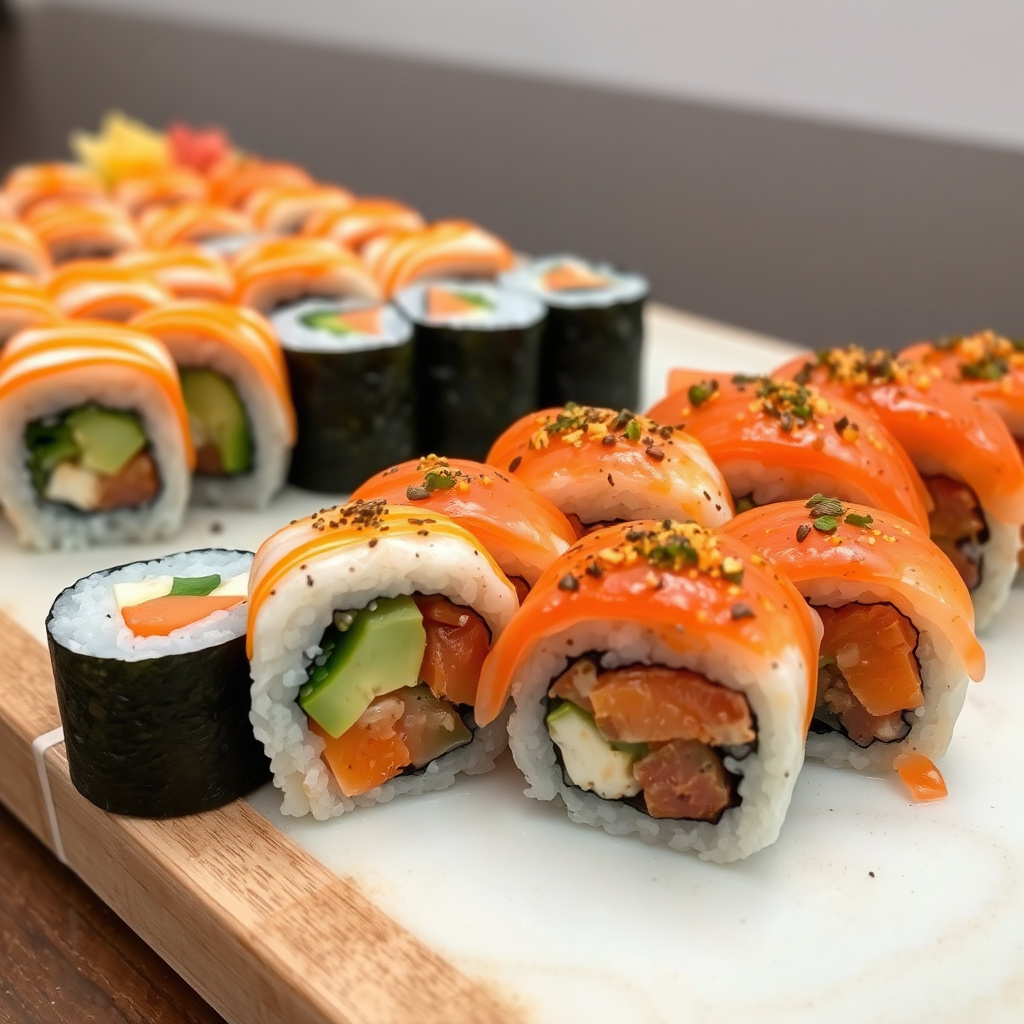
Compared to spicier rolls like the spicy tuna roll, the California roll is milder, focusing on freshness rather than heat. Unlike rolls with raw fish, it typically uses cooked or imitation crab, which appeals to a broader audience.
Other rolls might feature complex sauces or tempura elements, whereas the California roll remains simple and approachable.
Popularity and Accessibility
The California roll is often the first sushi roll introduced to newcomers because of its mild flavors and adaptable ingredients. Many sushi restaurants list it prominently, and it has become a staple in both casual and upscale establishments.
Its success paved the way for fusion sushi rolls that cater to Western preferences without straying too far from traditional methods.
Tips for Enjoying and Serving California Rolls
Enhancing Flavor with Condiments
Soy sauce provides a salty undertone that complements the mild ingredients of a California roll. Adding wasabi offers a sharp heat contrast and pickled ginger cleanses the palate between bites, enhancing the sushi experience overall.
These traditional condiments help balance textures and flavors, making each piece more satisfying.
For more detailed historical background and ingredient variations, you can visit the California roll information on Wikipedia. California roll information on Wikipedia.
Serving Suggestions and Pairings
California rolls work well with light beverages like green tea or sake, which complement its fresh, subtle taste. Serving these rolls with seaweed salad or miso soup can round out a meal.
Presentation can be improved by garnishing with sesame seeds or thinly sliced green onions, adding visual appeal and texture.
California Roll Compared to Common Sushi Rolls
This table highlights key differences among popular sushi rolls including the California roll, focusing on ingredients and flavor profiles.
| Sushi Roll | Main Ingredients | Flavor Profile | Popularity Level |
|---|---|---|---|
| California Roll | Crab, avocado, cucumber | Mild, creamy | Very high |
| Spicy Tuna Roll | Raw tuna, spicy mayo | Spicy, savory | High |
| Dragon Roll | Eel, cucumber, avocado, eel sauce | Sweet and savory | Medium |
| Philadelphia Roll | Smoked salmon, cream cheese, cucumber | Rich, creamy | Medium |
| Vegetable Roll | Cucumber, avocado, carrot | Fresh, light | Moderate |
Frequently Asked Questions
Is a California roll considered traditional Japanese sushi?
No, the California roll is a Western-style sushi adaptation. It was created in the U.S. to suit local tastes, replacing raw fish with cooked crab and including avocado, which isn't typical in traditional Japanese sushi.
Can the crab meat in a California roll be substituted?
Yes, imitation crab is commonly used as a substitute for real crab due to availability and cost. Vegetarian versions omit crab entirely, replacing it with other fillings like cooked mushrooms or tofu.
Why is the rice sometimes on the outside of the California roll?
Placing the rice on the outside, known as an inside-out roll, makes the sushi roll easier to handle and eat, especially for Western diners who may find traditional seaweed-wrapped sushi less appealing.
Is a California roll healthy to eat regularly?
A California roll is relatively healthy, offering moderate calories and beneficial nutrients like healthy fats from avocado. However, it’s best enjoyed as part of a balanced diet, considering sodium content from soy sauce and any added sauces.
What condiments typically accompany a California roll?
Soy sauce, wasabi, and pickled ginger are standard accompaniments. They enhance the flavor and freshness, with ginger cleansing the palate between pieces for a better tasting experience.
Key Takeaways
- A California roll features crab, avocado, and cucumber wrapped in rice and seaweed.
- It was created in the U.S. to appeal to Western tastes and is not traditional Japanese sushi.
- The roll is mild, approachable, and versatile with easy variations.
- Common accompaniments include soy sauce, wasabi, and pickled ginger to enhance flavor.
Conclusion
Choosing a California roll offers a gentle introduction to sushi for many because it marries familiar flavors in an accessible way. The combination of cooked crab or imitation crab with creamy avocado and crisp cucumber wrapped in seasoned rice creates a balanced, mild taste favored worldwide. Understanding its origins and components helps appreciate how this roll fits within the broader sushi landscape as a Western innovation that broadened sushi’s appeal beyond Japan.
For those seeking a sushi option without raw fish, the California roll serves well in casual or formal dining settings. Its variations, such as adding sesame seeds or tobiko, cater to different preferences without complicating the core flavor. Compared to spicier or more traditional rolls, it appeals to a wide variety of palates and dietary needs, offering a reliable choice for sushi newcomers or those looking for light, flavorful bites.
When ready to enjoy, include traditional condiments like soy sauce and pickled ginger for a complete experience. Whether dining out or preparing at home, the California roll remains a dependable favorite, inviting exploration of sushi culture one mild, satisfying bite at a time.



One Comment