Pot Stickers vs Dumplings: Key Differences and How to Choose
Pot stickers vs dumplings are often confused since they look similar, but their cooking methods and textures set them apart. Pot stickers are pan-fried to get a crispy bottom with a steamed top, while dumplings are usually boiled or steamed, resulting in a soft texture all around.
Understanding the differences matters because each offers a unique culinary experience and specific preparation techniques that affect flavor and texture. Whether you're cooking at home or ordering out, knowing these nuances can enhance your dining pleasure and help you decide what fits your meal.
This article will explore the origins, cooking methods, fillings, and serving options of pot stickers and dumplings. We'll also compare popular varieties, highlight health considerations, and answer common questions to guide you in selecting the best option for your palate and occasion.
Origins and Cultural Context of Pot Stickers and Dumplings
History of Pot Stickers
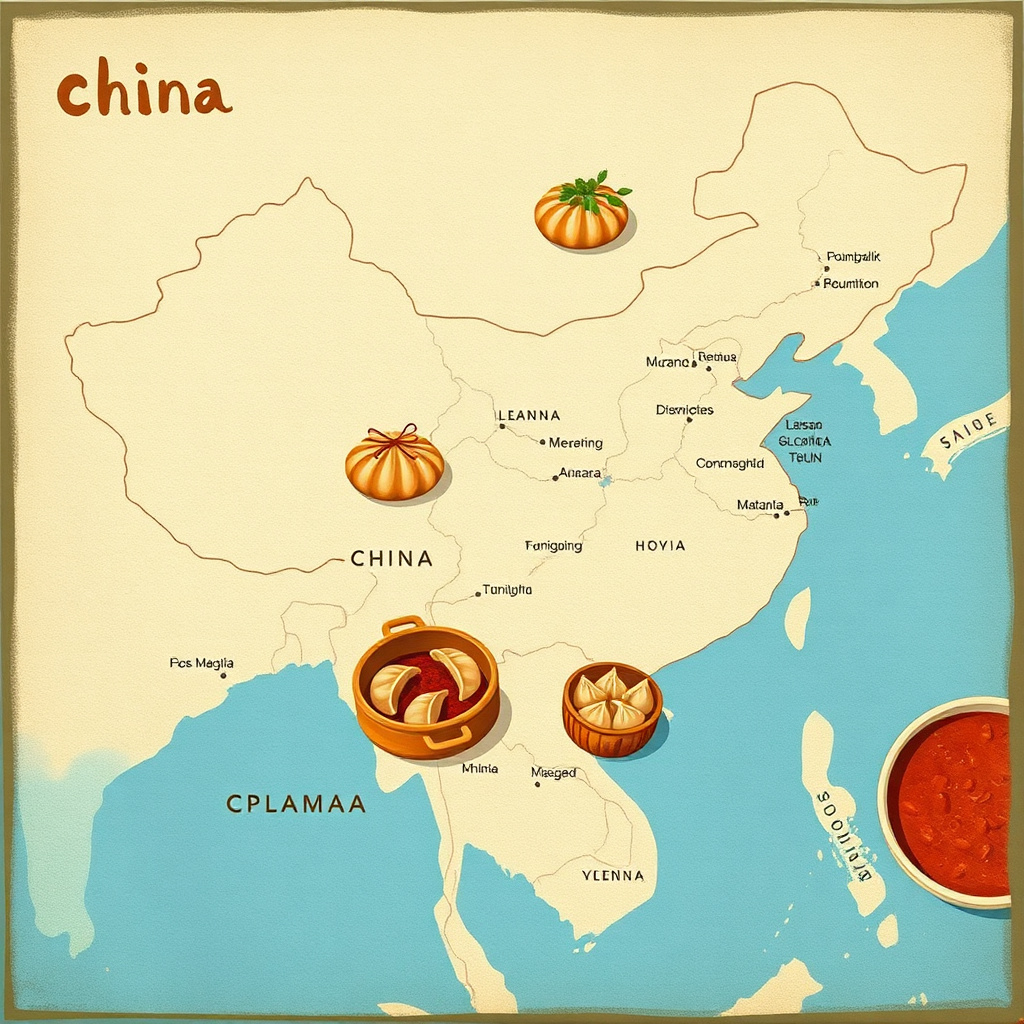
Pot stickers, known as "guotie" in Mandarin, originated in northern China. They grew popular because their pan-frying method allowed for a crispy texture that was both satisfying and convenient for quick cooking. The crispy bottom paired with a tender, steamed top has made them a beloved appetizer worldwide.
Their creation story often involves a happy cooking accident where the dumplings stuck to the pan but still tasted delicious, hence the name. Over time, pot stickers spread across China and later globally, becoming a symbol of casual dining and street food.
Dumplings Across Cultures
Dumplings appear in many cultures, with Chinese jiaozi being one of the earliest known types. Typically boiled or steamed, these dumplings feature a chewy, soft wrapper that encases various fillings. Dumplings have been a part of festive meals and everyday dinners alike.
Aside from China, dumplings have diverse interpretations in countries like Japan (gyoza), Korea (mandu), and beyond. Each culture adapts fillings and cooking styles but maintains the dumpling's defining dough-wrapped shape.
Cooking Methods and Their Impact on Texture and Flavor

Pan-Frying Pot Stickers
Pot stickers are traditionally pan-fried with a small amount of oil until the bottom becomes golden and crispy. Then water is added, and the pot is covered to steam the rest of the dumpling, giving it a dual texture—crunchy on the bottom and tender on top.
This cooking style introduces a caramelized flavor from the frying process that enhances the umami notes of the filling and wrapper. Pan-frying also requires attention to heat control and timing to avoid burning or uneven cooking.
- Crispy bottom, steamed top texture
- Uses moderate oil and water
- Requires precise timing
Boiling and Steaming Dumplings
Dumplings are commonly boiled in water or steamed using bamboo baskets, resulting in a uniformly soft and moist wrapper. Boiling tends to produce a plumper texture, while steaming retains more subtle wrapping flavors.
These methods focus on preserving the tenderness and juiciness of the filling, making dumplings ideal for delicate ingredients like seafood or vegetables. They also avoid added fat from frying, offering a lighter eating experience.
- Soft, chewy texture throughout
- Retains delicate flavors
- Lower fat compared to frying
Varieties of Fillings and Flavor Profiles

Popular Pot Sticker Fillings
Common pot sticker fillings include ground pork, cabbage, ginger, and garlic. The bold flavors stand up well to pan-frying’s caramelization. Some recipes add scallions or shrimp for extra bite and freshness.
Because of the frying method, fillings tend to have a firmer texture and richer taste. The wrapper also contributes a slight chewiness, balancing the savory interior.
- Ground pork and vegetables
- Shrimp and garlic
- Spiced fillings with ginger and soy sauce
For more on this, see our related guide: How to Eat Dumplings: A Practical Guide to Enjoying Dumplings Like a Pro.
Dumpling Filling Varieties
Dumplings feature a wider array of fillings, from pork and cabbage to kimchi, tofu, or mushrooms. Vegetarians often find dumplings more accommodating due to the softer wrapper, which complements lighter fillings.
Fillings can range from mildly seasoned to spicy, depending on regional preferences. The steaming or boiling method ensures juicy, flavorful interiors that burst with moisture when bitten.
- Pork and cabbage
- Vegetarian options
- Spicy regional varieties
Nutrition and Health Differences Between Pot Stickers and Dumplings

Calories and Fat Content
Pot stickers generally contain more calories and fat due to the pan-frying process. The oil used adds extra fat, increasing overall calorie density, which is important for those monitoring fat intake or calories.
Dumplings, particularly those steamed or boiled, are lower in fat and calories and can be a healthier option. However, high-sodium soy sauce or heavy fillings might offset this advantage.
- Pot stickers: higher fat and calories
- Dumplings: leaner and lower calorie
Filling Choices Impact Health
The healthiness also depends on the filling. Lean meats and vegetable-filled dumplings provide good protein and fiber without excess fat. Pot stickers with fattier pork or deep, heavy seasoning can be less ideal for light diets.
For more nutrition, homemade fillings let you control ingredients and reduce additives like excessive salt or MSG, common in commercial versions.
- Lean fillings add protein
- Vegetarian options increase fiber
Serving Styles and Pairings for Pot Stickers vs Dumplings

Traditional Sauces and Garnishes for Pot Stickers
Pot stickers are often served with a soy-based dipping sauce combined with vinegar, chili oil, or garlic to complement their crispy, meaty character. Sesame seeds and scallions frequently garnish the dish for added aroma and texture.
The dipping sauce balances richness from frying, making the overall bite well-rounded. Popular variations include sweet and sour or spiced soy blends.
- Soy sauce with vinegar
- Chili oil
- Sesame seeds and scallions
Dumpling Serving Traditions
Dumplings come with a broader spectrum of accompaniments, including mild soy dipping sauces, chili paste, or even broth for dipping. They may be enjoyed plain or part of a larger soup or noodle dish.
Garnishes like fresh herbs or pickled vegetables help enhance delicate dumpling flavors and add freshness. Different regions have their own serving customs, reflecting diverse eating cultures.
- Soy sauce or chili paste
- Fresh herbs
- Pickled vegetables
Making Pot Stickers and Dumplings at Home
Techniques for Preparing Pot Stickers
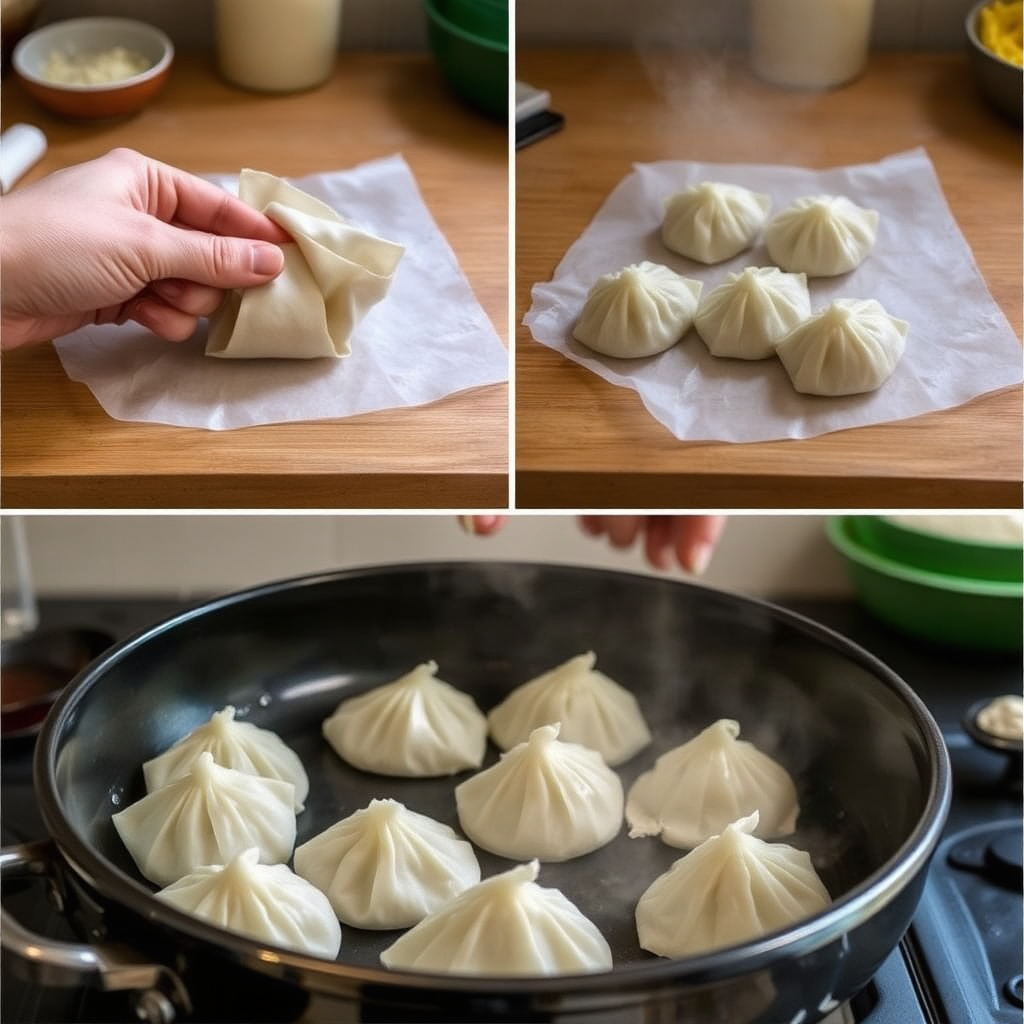
When preparing pot stickers at home, the key is to pleat the wrapper tightly to trap juices and cook evenly. After pan-frying, add water to steam and cover immediately to create that signature crispy-bottom, tender-top contrast.
Using a non-stick skillet or cast-iron pan helps prevent sticking. Experimenting with the filling ratios and seasoning can tailor the flavor depth.
- Tight pleating for sealing
- Pan-fry then steam process
Steps for Making Dumplings
Making dumplings involves wrapping and sealing dough around the filling, then boiling or steaming until fully cooked. The dough is typically softer and thinner to allow for a delicate texture and quicker cooking.
Dumplings can be frozen and cooked directly from frozen, making them a convenient meal prep option. Mastering folding techniques adds aesthetic appeal.
- Thin wrappers for tenderness
- Boiling or steaming methods
Pot Stickers vs Dumplings: Cooking Equipment Needed

Tools for Pot Stickers
A good non-stick or cast-iron skillet with a lid is essential for making pot stickers. The lid traps steam during cooking, while the pan ensures a crispy seared bottom. A spatula helps transfer pot stickers without breaking the wrapper.
Some cooks use specialized dumpling presses to shape the wrappers evenly, but hand-pleating is common for traditional texture.
- Non-stick or cast-iron skillet
- Lid for steaming
- Spatula
For deeper insight into dumplings and their cultural significance, see the Dumpling history on Wikipedia. Dumpling history on Wikipedia.
Equipment for Dumplings
Steaming baskets made of bamboo are popular for cooking dumplings gently. Alternatively, a pot with a steaming rack or saucepan for boiling works well. Rolling pins and dumpling molds speed up wrapper preparation.
For freezing and storage, airtight containers preserve freshness and flavor for later cooking.
- Bamboo steamer or steaming rack
- Rolling pin
- Storage containers
Pot Stickers vs Dumplings Category Comparison
Here is a detailed table comparing pot stickers and dumplings based on cooking methods, texture, and typical fillings.
| Category | Cooking Method | Texture | Typical Fillings | Calorie Range per Serving |
|---|---|---|---|---|
| Pot Stickers | Pan-fried then steamed | Crispy bottom, tender top | Pork, cabbage, shrimp | 250-350 calories |
| Dumplings (boiled) | Boiled in water | Soft and chewy | Pork, vegetables, tofu | 180-280 calories |
| Dumplings (steamed) | Steamed in basket | Tender and moist | Seafood, pork, mushrooms | 170-270 calories |
| Frozen Commercial Pot Stickers | Fried or baked | Variable, often less crispy | Pre-seasoned pork, mixed vegetables | 220-320 calories |
| Frozen Commercial Dumplings | Boiled or steamed | Soft with varied firmness | Mixed meats and veggies | 160-290 calories |
Frequently Asked Questions
Are pot stickers and dumplings the same thing?
No, while both are dough-wrapped foods, pot stickers are pan-fried first for a crispy bottom and then steamed, whereas dumplings are usually boiled or steamed without frying, resulting in a softer texture overall.
Can you freeze pot stickers and dumplings?
Yes, both pot stickers and dumplings freeze well. For best results, freeze them on a tray first to prevent sticking, then transfer to airtight containers before cooking directly from frozen.
Which is healthier: pot stickers or dumplings?
Dumplings generally have fewer calories and less fat since they are boiled or steamed, whereas pot stickers are pan-fried, making them higher in fat and calories. Filling ingredients also affect their healthiness.
What dipping sauces go best with pot stickers?
Common dipping sauces for pot stickers include soy sauce mixed with vinegar and chili oil. Adding garlic, sesame oil, or scallions enhances the flavor and pairs well with their crispy texture.
Do dumplings always have meat fillings?
No, dumplings can have a wide range of fillings, including vegetarian options like mushrooms, tofu, and vegetables. These fillings are especially common in steamed or boiled dumplings to maintain a light texture.
Key Takeaways
- Pot stickers are pan-fried then steamed, featuring a crispy bottom and tender top.
- Dumplings are usually boiled or steamed, yielding a uniformly soft texture.
- Filling choices and cooking methods affect flavor, texture, and healthiness.
- Both can be prepared at home or bought frozen with proper cooking techniques.
Conclusion
When deciding between pot stickers vs dumplings, focus on your texture preferences and cooking style. If you prefer a crisp, golden base with a slightly chewy top, pot stickers provide a unique mouthfeel that stands out. For a softer, juicier bite, boiled or steamed dumplings are the better choice. Both approaches showcase the versatility of dough-wrapped fillings but deliver different sensory experiences that are worth exploring depending on the meal occasion.
For everyday meals or beginners looking to experiment, boiled or steamed dumplings are straightforward to make and offer more variety in fillings, especially vegetarian options. Pot stickers require more attention to frying and steaming but result in a delicious textural contrast that is especially enjoyable as an appetizer or snack. Commercial frozen options for both are widely available and convenient, allowing for easy tasting to find your favorite style before mastering homemade recipes.
Whatever your choice, trying recipes from different regions or experimenting with fillings expands your palate. Start with the best dumplings for beginners to get comfortable with wrapping and cooking techniques, then progress to pot stickers to enjoy their distinctive crispiness. This hands-on experience can help you appreciate the subtle yet meaningful differences that make pot stickers and dumplings each beloved in their own right.


