How to Make Spicy Tuna Roll: A Step-by-Step Guide for Perfect Sushi at Home
A spicy tuna roll is made by combining fresh raw tuna with a spicy mayo mixture, rolling it inside sushi rice and seaweed sheets, and slicing into bite-sized pieces. Making it at home involves preparing sushi rice correctly, mixing the spicy tuna filling, and rolling everything tightly to get that signature texture and flavor.
Spicy tuna rolls have become a favorite for sushi lovers because of their balance of heat, creaminess, and fresh fish flavor. Knowing how to make spicy tuna roll allows you to enjoy sushi anytime without relying on restaurants, while also customizing the spice level and ingredients exactly to your taste.
This guide will walk you through selecting the right tuna, preparing sushi rice, creating the spicy filling, rolling techniques, and presentation tips. You'll also find advice on variations and troubleshooting common challenges that beginners face when making spicy tuna roll.
Choosing the Right Ingredients for Spicy Tuna Roll

Selecting Fresh Tuna
Use sushi-grade or sashimi-grade tuna to ensure safety and flavor. Look for a deep red color with firm texture. Avoid fish that smells fishy or looks dull. Fresh tuna is crucial for making a spicy tuna roll that tastes authentic and safe to eat.
Buying from a reputable fishmonger or specialty store increases the chance of freshness. If fresh tuna is difficult to find, frozen sashimi-grade tuna is a good alternative. Thaw it carefully in the refrigerator before use to maintain texture.
Preparing Sushi Rice
Sushi rice requires short-grain Japanese rice cooked with the correct water ratio for stickiness. After cooking, season the rice with a mixture of rice vinegar, sugar, and salt while still warm to achieve that tangy flavor and glossy texture.
Properly prepared rice sticks together without being mushy or dry, which is essential for rolling the spicy tuna roll neatly. Let the rice cool to room temperature before assembling sushi to avoid sogginess.
- Use short-grain Japanese rice
- Season with rice vinegar, sugar, and salt
- Cool rice to room temperature before use
Preparing the Spicy Tuna Filling

Making Spicy Mayo Sauce
Combine mayonnaise with Sriracha or another hot chili sauce to create the spicy mayo. Adjust the ratio to suit your preferred heat level. Adding a small splash of sesame oil or soy sauce enhances flavor complexity.
Mix thoroughly until smooth and creamy. This spicy mayo is the key ingredient that sets spicy tuna roll apart, providing a rich, creamy heat that complements the fresh tuna.
- Mayonnaise and Sriracha base
- Optional sesame oil or soy sauce for depth
- Adjust heat by varying chili sauce amount
Dicing and Combining Tuna
Cut fresh tuna into small, uniform cubes for easy mixing with the spicy mayo sauce. This texture contrasts well with the sticky rice after rolling.
Mix tuna gently with the spicy mayo just before assembling the roll to preserve freshness and maintain a bright red color without bruising the fish.
Rolling Techniques for Spicy Tuna Roll

Preparing the Nori Sheet and Rice
Place a nori seaweed sheet shiny side down on a bamboo sushi mat. Spread a thin, even layer of sushi rice over the nori, leaving a small margin on the top edge free of rice to seal the roll.
Wet your fingers to prevent rice from sticking as you spread it. Press the rice gently but firmly to create a uniform layer that will hold together during rolling.
- Place nori shiny side down
- Spread rice evenly, leaving top edge free
- Wet fingers to handle rice
For more on this, see our related guide: How to Make Sashimi at Home: A Step-by-Step Guide.
Adding Filling and Rolling
Place a line of spicy tuna mixture along the bottom third of the rice-covered nori. Avoid overfilling to maintain a tight roll and neat slices.
Using the sushi mat, carefully roll the nori over the filling, tightening it as you go. Seal the edge with a little water to hold the roll firmly together before slicing into bite-sized pieces.
- Place filling near bottom edge
- Roll tightly using mat
- Seal edge with water
Serving and Presentation Tips

Slicing the Roll
Use a sharp, wet knife to slice the roll into even pieces to prevent rice and filling from squishing out. Clean the knife with a damp towel between cuts for neat, clean slices.
Cut into 6 or 8 pieces depending on roll length for ideal bite size. Arrange the pieces attractively on a serving plate for visual appeal.
- Sharp, wet knife
- Clean knife after each slice
- Cut into 6-8 pieces
Garnishes and Accompaniments
Serve spicy tuna rolls with pickled ginger, wasabi, and soy sauce for traditional accompaniments. Garnishes like thinly sliced green onions or sesame seeds add flavor and color contrast.
Consider plating on a bamboo mat or decorative dish to enhance presentation, making the meal inviting and authentic.
- Pickled ginger, wasabi, soy sauce
- Green onions or sesame seeds
- Decorative sushi plate or bamboo mat
Common Troubleshooting When Making Spicy Tuna Roll

Fixing Loose Rolls
Loose rolls often result from spreading rice too thick or rolling without enough pressure. Ensure even rice layer and apply gentle firm pressure during rolling to keep the nori and filling tight.
Using a bamboo mat properly and sealing the nori edge with water also helps maintain roll integrity.
For more on this, see our related guide: How to Make Rainbow Roll: A Step-by-Step Sushi Guide.
Preventing Soggy Rice
Rice can become soggy if the filling is too wet or rice is not cooled before rolling. Use dry tuna and avoid excess sauce in the filling mixture.
Cool sushi rice to room temperature; warm rice generates steam that softens nori and makes rolls mushy.
Variations on Traditional Spicy Tuna Roll
Adding Fruits and Vegetables
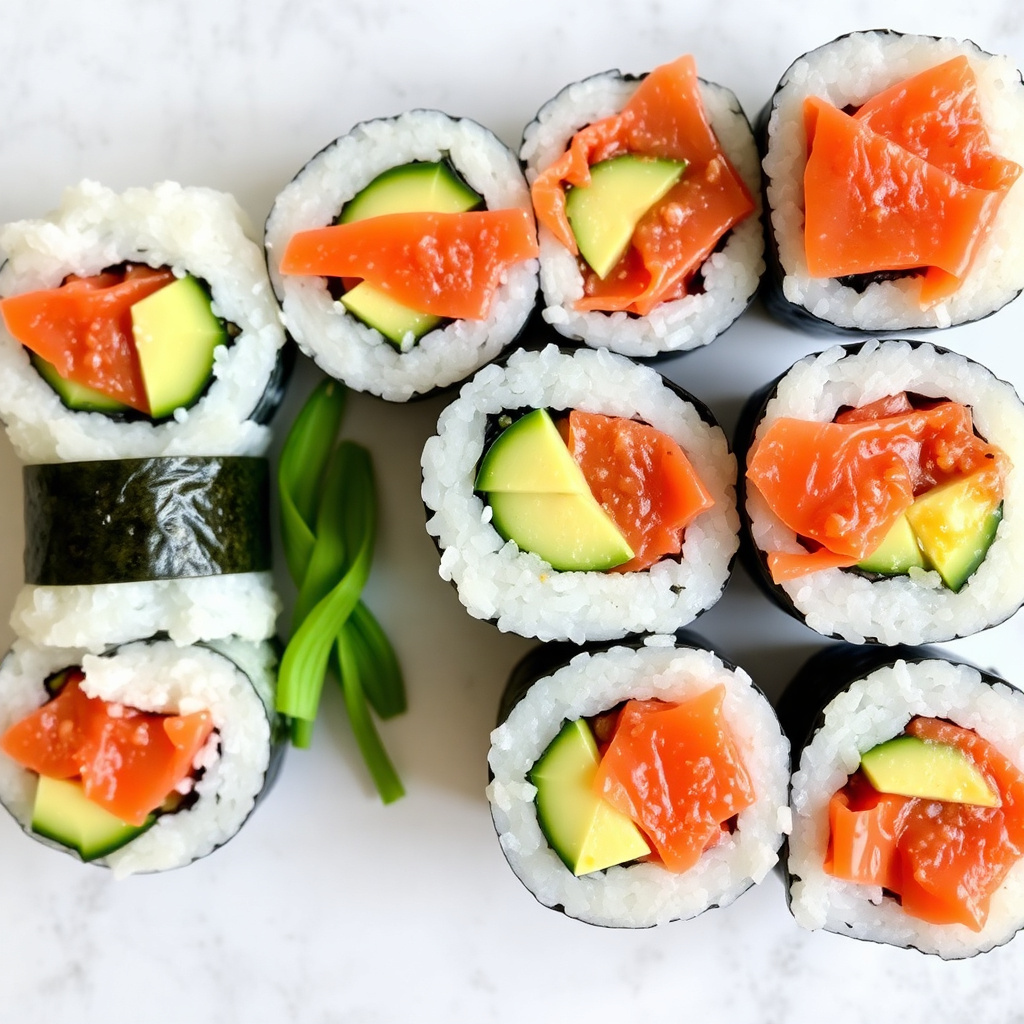
Incorporate avocado, cucumber, or mango slices inside the roll for texture and sweetness contrast. These fresh additions complement the heat and creaminess of the spicy tuna.
Adding crunchy vegetables like cucumber also enhances the eating experience by balancing flavors.
- Avocado for creaminess
- Cucumber or mango for crunch and sweetness
- Fresh herbs like cilantro or shiso leaves
To understand more about the history and varieties of sushi, including spicy tuna roll, you can visit Sushi – Wikipedia. Sushi – Wikipedia.
Using Alternative Spicy Sauces
Experiment with different chili sauces like Gochujang or Thai chili paste to customize spiciness and flavor profile. Mixing some creamy ingredients like Greek yogurt with the spicy sauce can mellow heat while adding richness.
These alternatives bring unique twists to the classic spicy tuna roll without altering the fundamental technique.
Spicy Tuna Roll Variations Comparison
Here is a comparison of popular spicy tuna roll variations based on ingredients, flavor, and preparation complexity.
| Variation | Key Ingredients | Flavor Profile | Preparation Difficulty |
|---|---|---|---|
| Classic Spicy Tuna Roll | Tuna, spicy mayo, sushi rice, nori | Creamy, spicy, fresh | Easy |
| Spicy Tuna with Avocado | Tuna, avocado, spicy mayo, sushi rice, nori | Creamy, spicy, buttery | Moderate |
| Spicy Tuna with Cucumber | Tuna, cucumber, spicy mayo, sushi rice, nori | Crisp, spicy, fresh | Moderate |
| Gochujang Spicy Tuna Roll | Tuna, gochujang chili paste, mayonnaise, sushi rice, nori | Umami-rich, spicy | Moderate |
| Baked Spicy Tuna Roll | Tuna, spicy mayo, tempura flakes, baked topping, sushi rice, nori | Rich, smoky, spicy | Advanced |
Frequently Asked Questions
Can I use cooked tuna for spicy tuna roll?
Traditional spicy tuna rolls require raw, sushi-grade tuna for the best texture and flavor. Cooked tuna lacks the delicate texture and freshness that characterize this roll, although you can create similar rolls with seared or cooked fish as a variation.
How spicy should the tuna be?
Spiciness depends on personal preference. Typically, a mix ratio of 1 tablespoon of Sriracha to 3 tablespoons of mayonnaise creates a balanced mildly spicy flavor, but you can adjust by adding more or less chili sauce.
What type of rice vinegar is best for sushi rice?
Use seasoned rice vinegar made specifically for sushi or plain rice vinegar mixed with sugar and salt at a ratio of about 1/4 cup vinegar to 2 tablespoons sugar and 1 teaspoon salt per 2 cups cooked rice.
How do I keep sushi rolls from falling apart after cutting?
Use a very sharp knife moistened with water to cut cleanly without squashing the roll. Press gently and clean the knife between cuts to maintain neat shapes and prevent the rice from sticking.
Can I make spicy tuna rolls ahead of time?
It's best to consume spicy tuna rolls shortly after making them because raw tuna and sushi rice have limited freshness. If necessary, store wrapped tightly in the refrigerator and consume within a few hours to maintain texture and flavor.
Key Takeaways
- Use fresh, sushi-grade tuna for safety and flavor.
- Properly prepare and season sushi rice before rolling.
- Mix spicy mayo just before assembly for best freshness.
- Roll tightly and slice with a wet sharp knife.
Conclusion
Making a spicy tuna roll at home involves selecting fresh ingredients like sushi-grade tuna and properly preparing sushi rice seasoned with rice vinegar, sugar, and salt. Achieving the right balance of spicy mayo mixed gently with diced tuna gives the roll its signature flavor. Mastering rolling techniques using a bamboo mat ensures the roll holds together well and slices neatly without falling apart.
Depending on your preferences, you can stick with the classic spicy tuna roll or try variations such as adding avocado for creaminess or cucumber for crunch. Each option offers a different flavor and texture experience, while alternative spicy sauces like gochujang let you experiment beyond traditional recipes. For beginners, starting with the classic roll is advisable, then you can incorporate these variations as your confidence grows.
The next step is to gather fresh sushi-grade tuna, prepare sushi rice properly, and mix your desired level of spicy mayo to assemble your first roll. With practice, you will refine your rolling and slicing skills, making perfectly balanced spicy tuna rolls convenient to enjoy anytime at home.