Best Sushi for People Who Don’t Like Raw Fish: A Flavorful Guide
If raw fish isn't your favorite, the best sushi for people who don't like raw fish includes a variety of flavorful, cooked, and vegetable-based options that maintain the sushi experience without the raw seafood element. Many sushi restaurants and menus cater to those who prefer their sushi fully cooked or plant-based, so there's no need to miss out on this beloved cuisine.
Choosing sushi without raw fish is appealing for many reasons: taste preferences, food safety concerns, or simply wanting a different texture and flavor profile. Sushi traditions offer diversity beyond raw tuna and salmon—including grilled, fried, or steamed ingredients, and creative rolls featuring veggies and other proteins.
This article outlines top cooked sushi options, explains common sushi styles for non-raw eaters, discusses sauces and accompaniments that enhance flavors, and provides practical tips to enjoy sushi outings without raw fish. By the end, you’ll feel confident ordering sushi that suits your palate.
Popular Cooked Sushi Options for People Who Don't Like Raw Fish
Tempura Rolls and Fried Varieties
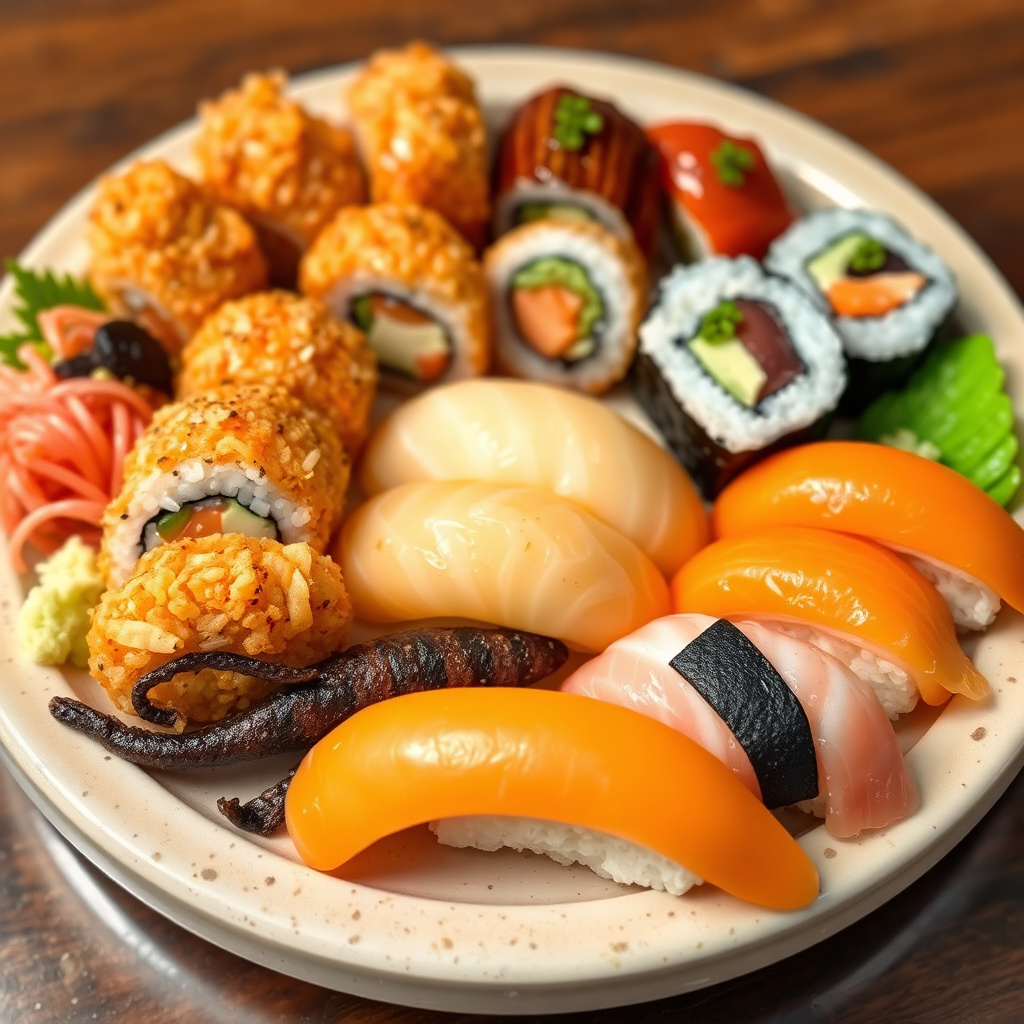
Tempura sushi rolls incorporate lightly battered and fried seafood or vegetables, providing a crispy texture and warm taste that contrasts with the typical raw fish freshness. These rolls often include shrimp tempura or fried soft-shell crab wrapped with rice and seaweed, appealing to those wanting a crunchy bite without raw components.
Because tempura is cooked, it’s an excellent option for people avoiding raw fish. Popular tempura rolls are often paired with spicy mayo or eel sauce, adding layers of flavor and creaminess that amplify the sushi experience.
- Shrimp tempura roll
- Soft-shell crab roll
- Vegetable tempura roll
Eel (Unagi) and Other Grilled Fish
Unagi, or freshwater eel, is usually grilled and glazed with a sweet, savory eel sauce called tare. Its tender, smoky flavor makes it a top choice for those who don't enjoy raw fish. The preparation ensures it’s fully cooked, safe, and indulgent.
Other grilled sushi ingredients like cooked salmon or mackerel also offer a warm, rich alternative. These options provide classic sushi tastes without the textural and flavor concerns some have with raw fish.
- Grilled unagi nigiri
- Seared salmon sushi
- Broiled mackerel sushi
Vegetarian and Vegan Sushi Alternatives Without Raw Fish

Popular Vegetable-Based Rolls
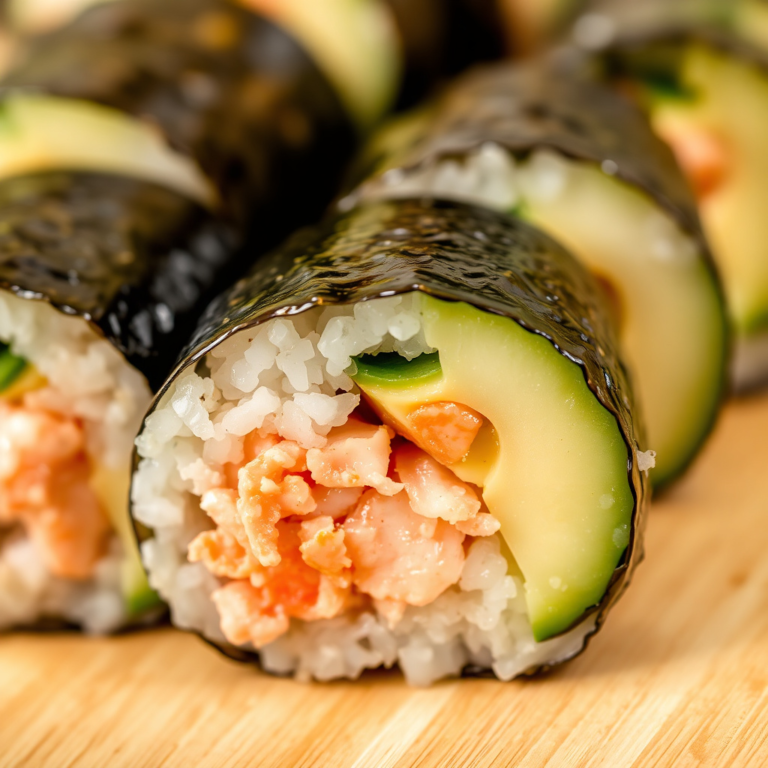
Cucumber rolls, avocado rolls, and those featuring pickled vegetables like radish or carrot offer fresh, crisp flavors and a variety of textures for those who prefer to avoid all seafood. These rolls often include sushi rice seasoned lightly with vinegar and are wrapped in seaweed.
The variety of vegetable sushi provides nutritious, low-calorie choices that don’t sacrifice taste. They pair exceptionally well with soy sauce and wasabi, adding a touch of heat or savory flavor to complement the mild fillings.
- Avocado roll
- Kappa maki (cucumber roll)
- Pickled radish roll
Tofu, Egg, and Other Protein Alternatives
Sushi featuring tamago (sweet Japanese omelet) brings a pleasantly sweet and fluffy texture to your meal. Similarly, marinated and grilled tofu can be a hearty, protein-rich filling or topping, ideal for vegetarians and those averse to fish flavors.
These options often appear as nigiri or inside rolls and sometimes feature complementary sauces like eel sauce or spicy mayo that enhance taste without overpowering the delicate balance of ingredients.
- Tamago nigiri
- Grilled tofu roll
- Inari sushi (tofu pocket)
Sushi Sauces and Condiments to Complement Cooked Sushi

Eel Sauce and Other Sweet-Savory Options
Eel sauce, a thick soy-based syrup with sweet undertones, adds a rich dimension that complements cooked sushi varieties like unagi and tempura rolls. It can be drizzled lightly on top or served as a dip to enhance the flavor profile.
Other sweet-savory sauces, such as teriyaki or ponzu, provide acidity and sweetness that brighten the cooked ingredients, balancing heavier textures and creating a more layered tasting experience.
- Eel (tare) sauce
- Teriyaki sauce
- Ponzu sauce
Spicy and Creamy Condiments
Spicy mayo made from mayonnaise and chili powder or sriracha introduces a creamy heat that pairs well with fried or grilled sushi, enhancing richness without masking the main flavors. Wasabi and pickled ginger offer traditional sharpness and palate cleansing between bites.
These condiments allow customization of your sushi, making cooked rolls more dynamic and appealing to those who shy away from plain raw fish tastes.
- Spicy mayo
- Wasabi
- Pickled ginger
Common Sushi Styles Suitable for Those Avoiding Raw Fish

Nigiri and Sashimi Adaptations
Nigiri sushi, traditionally a slice of fish over rice, can be enjoyed without raw fish by choosing options such as tamago, eel, or cooked shrimp. Sashimi, purely raw fish slices, is generally skipped but some places offer cooked seafood alternatives.
These adaptations retain the essence of classic sushi while catering to those who prefer cooked ingredients with their rice. Nigiri options vary widely, letting you experiment with your favorites.
- Tamago nigiri
- Cooked shrimp nigiri
- Unagi nigiri
Maki and Temaki Rolls
Maki (rolled sushi) and temaki (hand rolls) offer tremendous versatility. For people who avoid raw fish, popular fillings include cooked crab, eel, tempura shrimp, or vegetables. These rolls provide bite-sized or handheld servings convenient for tasting several varieties in one meal.
Choosing rolls with cooked ingredients is a dependable way to enjoy the textural variety sushi is known for without confronting raw seafood flavors.
- California roll (cooked crab)
- Spicy shrimp roll
- Avocado cucumber roll
Ordering Tips for Sushi When You Don't Like Raw Fish

Communicating Your Preferences Clearly
Many sushi chefs are happy to customize rolls or suggest cooked options if you clarify your dislike for raw fish. Asking about ingredients or requesting fully cooked versions of classic rolls can make your dining experience more enjoyable and personalized.
Don’t hesitate to explore the menu beyond raw fish choices, and consider asking for special rolls or combinations that accommodate your palate.
Pairing Sushi with Suitable Beverages
Pairing sushi with beverages like green tea, sake, or light beers enhances flavors and helps cleanse your palate between varied textures and tastes. For non-raw options, slightly sweeter or milder drinks can complement cooked fish and vegetable rolls well.
Experimenting with beverage pairings can boost your overall enjoyment and elevate flavors, making sushi night more relaxing and satisfying.
Health and Nutritional Benefits of Cooked Sushi Options
Balanced Nutrients in Cooked Sushi
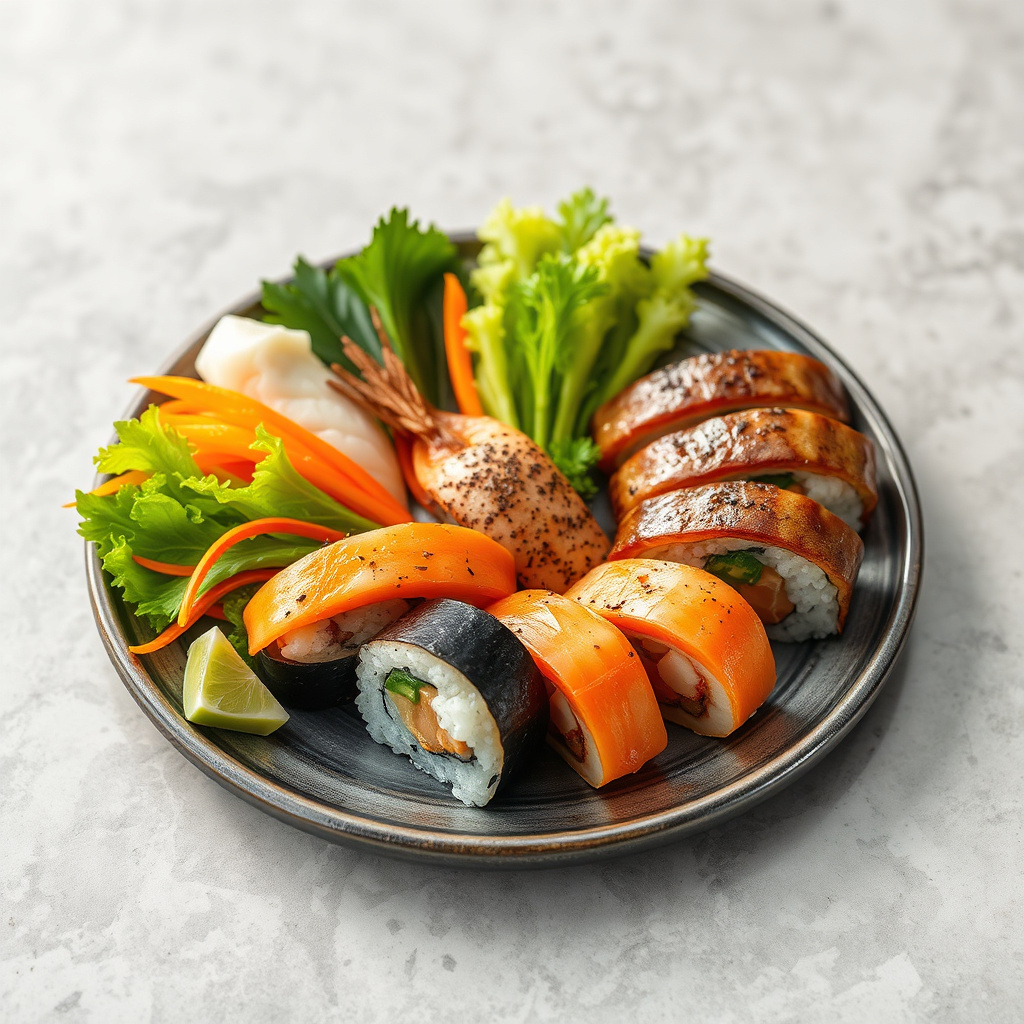
Cooked sushi often includes protein-rich ingredients like shrimp, eel, and egg alongside healthy carbohydrates from rice and fiber-rich vegetables. These rolls deliver a blend of macro- and micronutrients, making them nourishing choices for balanced meals.
Cooking seafood reduces some risks associated with raw fish while preserving its protein benefits, and vegetable-based sushi adds antioxidants and vitamins.
For more detailed cultural and culinary background, you can read about sushi on Wikipedia. sushi on Wikipedia.
Considerations for Sodium and Calories
Some cooked sushi options may contain higher sodium levels due to sauces like eel sauce and soy sauce. Tempura rolls include fried elements that increase calorie counts, so moderation is wise for calorie-conscious diners.
Opting for vegetable rolls, limiting heavy sauce usage, and balancing with lighter sushi can help maintain a healthier sushi experience without compromising flavor.
Cooked Sushi Options Category Comparison
Here's a breakdown of popular cooked sushi categories highlighting flavor profiles, textures, and ideal occasions.
| Category | Key Ingredients | Flavor Profile | Texture | Best For |
|---|---|---|---|---|
| Tempura Rolls | Shrimp, crab, vegetables (fried) | Crispy, savory with creamy sauces | Crunchy exterior, soft interior | Casual dining, those who enjoy fried foods |
| Grilled Eel (Unagi) | Freshwater eel with tare sauce | Sweet, smoky, rich | Tender, slightly sticky | Fans of bold, sweet-savory dishes |
| Vegetable Rolls | Cucumber, avocado, radish, carrot | Fresh, mild, slightly sweet | Crunchy, soft | Vegetarians and light eaters |
| Tamago Nigiri | Sweet Japanese omelet | Sweet, fluffy | Soft and layered | Traditional sushi lovers wanting egg |
| Cooked Shrimp Nigiri | Cooked shrimp | Mildly sweet, delicate | Firm but tender | Simple protein option for non-raw eaters |
Frequently Asked Questions
Is sushi without raw fish still considered authentic?
Yes, sushi includes various styles beyond raw fish, like cooked eel, tamago, and vegetable rolls. These alternatives have deep roots in traditional Japanese cuisine and offer authentic sushi experiences.
Are cooked sushi options healthier than those with raw fish?
Cooked sushi reduces risks from raw seafood but sometimes includes fried and sauced components that add calories and sodium. Both cooked and raw sushi have nutritional benefits; it depends on specific choices.
Can I ask the sushi chef to make rolls without raw fish?
Absolutely. Most sushi chefs are accustomed to customizing rolls and can replace raw fish with cooked seafood or vegetables according to your preferences.
What sauces best complement cooked sushi?
Eel sauce, spicy mayo, teriyaki, and ponzu work well with cooked sushi, adding sweet, savory, creamy, or tangy notes that enhance flavor without overpowering.
Are vegetable sushi rolls filling enough as a meal?
Vegetable sushi rolls can be satisfying especially when combined with protein options or served in multiples. Including tofu or egg-based sushi can also increase the meal's fullness.
Key Takeaways
- Cooked sushi offers a rich variety suitable for those avoiding raw fish.
- Tempura rolls and grilled eel are flavorful, fully cooked favorites.
- Vegetable and egg-based sushi provide fresh, tasty alternatives.
- Customizing sushi with sauces and ingredients enhances enjoyment.
Conclusion
Deciding on the best sushi for people who don't like raw fish involves understanding the wide range of cooked and vegetarian options that maintain authentic flavors without the raw seafood component. Rather than limiting your experience, choosing these options expands the diversity of textures, tastes, and nutritional benefits you enjoy, ensuring sushi remains an accessible cuisine for everyone.
If you prefer something crunchy and warm, tempura rolls like shrimp or soft-shell crab offer satisfying bites with their crispy batter and creamy sauces. Grilled unagi provides a unique sweet and smoky flavor, while traditional tamago nigiri and vegetable rolls deliver mild, balanced tastes ideal for lighter appetites or vegetarians. Using sauces like eel or spicy mayo can add intrigue and depth to these cooked selections.
When dining out or ordering sushi, don't hesitate to communicate your preferences to the chef or server. Exploring cooked sushi options is a great way to discover new favorites while avoiding raw fish. Start by trying a variety platter featuring cooked rolls and vegetarian nigiri or simply select cooked shrimp or tamago nigiri alongside vegetable maki to enjoy a satisfying, raw-fish-free sushi meal.