How Many Calories Are in Wonton Soup? A Detailed Nutritional Guide
Wonton soup typically contains between 70 to 150 calories per cup depending on the recipe and portion size. A standard serving with a light broth and a few wontons usually stays on the lower end, making it a relatively light meal choice.
Understanding the calorie count in wonton soup matters because it helps you plan your meals and balance your daily caloric intake. Variations in ingredients like types of broth, fillings, and added toppings can shift the calorie content noticeably.
This article explores the calorie ranges found in wonton soup, compares common variations, breaks down its nutritional components, and offers tips on how to enjoy it while managing your caloric goals.
Calories in Different Types of Wonton Soup

Traditional Wonton Soup Calorie Count
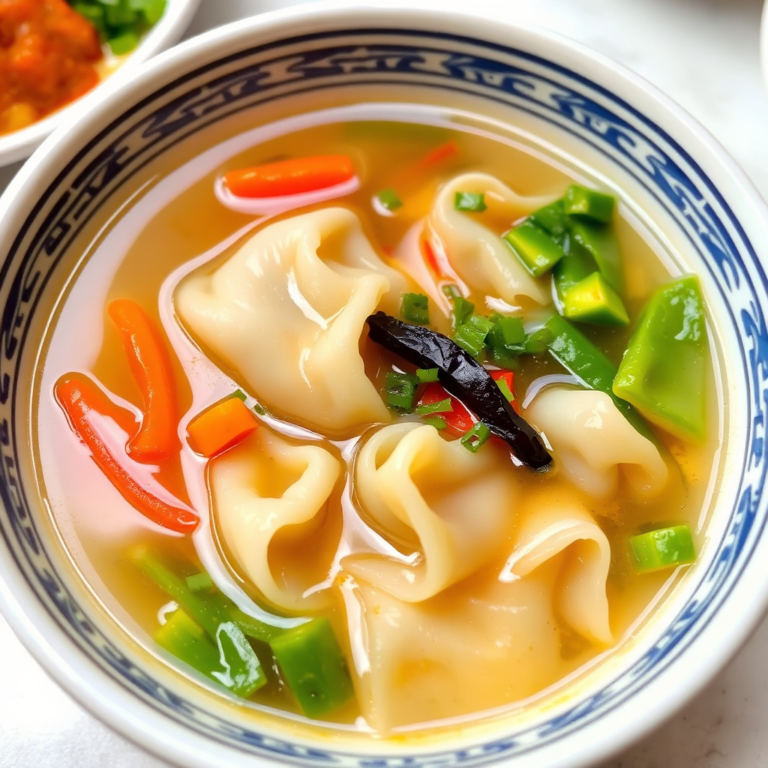
A traditional wonton soup typically contains wontons filled with ground pork or shrimp, served in a clear broth. Each wonton averages about 35 to 50 calories, while the broth adds very few calories, usually under 20 per cup.
Overall, a typical serving of traditional wonton soup with about 6 wontons contains roughly 120 to 150 calories, making it a filling but light option for those watching caloric intake.
Variations with Added Ingredients
When wonton soup includes extras like noodles, vegetables, or richer stocks, calorie values can increase substantially. Noodles alone often add 100 calories per cup, while richer broths made with chicken fat or soy sauce can add more density.
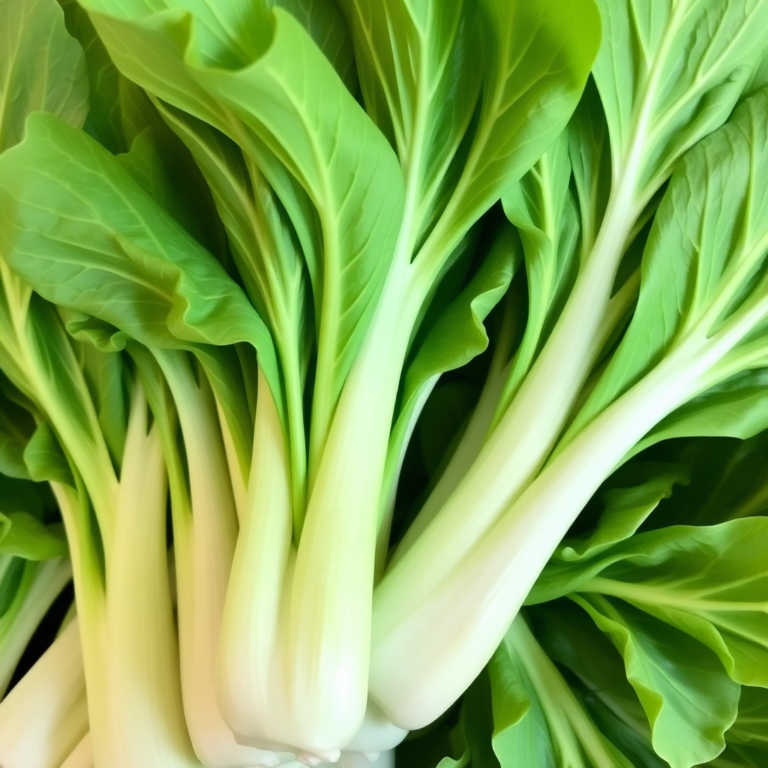
Vegetables such as bok choy, spinach, or mushrooms typically add minimal calories but do contribute fiber and nutrients. Extras like fried wontons or oily toppings can push calorie counts above 200.
- Noodles add around 100 calories per cup
- Richer broth may add 30–50 calories
- Fried wontons increase total calories
Breaking Down Wonton Soup Nutrition Facts

Macronutrient Content
Wonton soup provides a balanced combination of macronutrients. A serving usually offers about 10 grams of protein, mainly from the pork or shrimp filling, along with low fat, typically between 3 and 7 grams depending on recipe.
Carbohydrates come primarily from the wrapper and any noodles or vegetables added, averaging 10 to 20 grams. This balance makes it a light yet moderately nourishing meal.
Micronutrients and Other Components
Wonton soup supplies small but valuable amounts of micronutrients like Vitamin A, iron, and calcium contributed by greens and meat. Sodium levels vary widely, often on the higher side due to broth and soy sauce.
Because of the sodium content, those monitoring blood pressure should consume wonton soup in moderation or choose lower-sodium broth options.
How to Enjoy Wonton Soup While Managing Calories

Selecting Low-Calorie Broth Options
Choosing a clear vegetable or chicken broth without added fats can keep calorie counts down. Avoid creamy or oily broths which significantly increase the calorie content.
You can also reduce sodium by making homemade broth with fresh ingredients, controlling what goes into the soup base.
- Opt for clear broth variants
- Avoid added oils or cream
- Use homemade broth for control
For more on this, see our related guide: Is Egg Drop Soup Healthy? Nutritional Benefits and Health Considerations.
Adjusting Wonton Fillings and Portions
Using lean proteins like shrimp or chicken instead of fatty pork lowers calories and fat. You can also reduce the number of wontons per serving and increase vegetables to feel full with fewer calories.
Steaming rather than frying wontons preserves flavor with less added fat, helping maintain a lower calorie profile.
- Choose lean protein fillings
- Increase vegetable portions
- Prefer steamed over fried wontons
Common Misconceptions About Wonton Soup Calories

Wonton Soup Isn’t Always Low-Calorie
Many assume wonton soup is always a light meal, but additions like noodles, fried wontons, or rich sauces can quickly add hundreds of calories.
Paying attention to serving size and ingredients helps avoid unintentionally consuming a high-calorie meal.
Calorie Differences by Restaurant vs Homemade
Restaurant versions may contain higher sodium, fat, and calories due to commercial stocks and preparation methods.
Making wonton soup at home lets you control calories precisely by adjusting ingredients and cooking techniques.
Wonton Soup Calories Compared to Other Asian Soups

Calorie Comparison with Miso and Hot & Sour Soups
Wonton soup calories generally fall between miso soup, which is lower calorie around 40-60 per cup, and hot and sour soup, often 90-120 calories per cup.
Each soup offers different nutritional benefits and flavor profiles, making calorie-conscious choices possible without sacrificing taste.
For more on this, see our related guide: Is Wonton Soup Healthy? A Nutritional Breakdown and Buying Guide.
Why Wonton Soup Can Be a Balanced Choice
Compared to more calorie-dense noodle soups, wonton soup provides protein and moderate calories for a satisfying meal without excess.
Its relatively lower carbohydrate content compared to noodle soups can make it preferable for calorie or carb reduction goals.
Tips for Healthier Wonton Soup Recipes

Using Whole Grain Wrappers and Fresh Ingredients
Upgrading to whole grain or spinach wrappers raises fiber content for improved digestion and satiety.
Selecting fresh vegetables like bok choy, cabbage, and carrots boosts vitamins and antioxidants without adding many calories.
- Use whole grain wonton wrappers
- Add fresh leafy greens and fiber-rich veggies
For a broader understanding of wonton soup's background and nutritional composition, visit this detailed article on Wonton Soup Nutritional Information. Wonton Soup Nutritional Information.
Limiting Sodium and Oil
Limiting soy sauce and salt in broth reduces sodium, important for heart health.
Minimizing oil use or substituting healthier oils can decrease unhealthy fats and calories.
- Reduce soy sauce or use low sodium versions
- Limit oil and use healthier cooking fats
Wonton Soup Categories Calorie Comparison
Here is a comparison of various wonton soup versions and their estimated calorie content to help guide your choices.
| Category | Calories per Cup | Common Ingredients | Typical Protein Content |
|---|---|---|---|
| Traditional Pork Wonton Soup | 120-150 | Pork, clear broth, green onion | 10g |
| Shrimp Wonton Soup | 100-130 | Shrimp, chicken broth, bok choy | 12g |
| Wonton Soup with Noodles | 200-260 | Pork shrimp, wheat noodles, broth | 15g |
| Fried Wonton Soup | 220-280 | Fried pork wontons, soy broth | 12g |
| Vegetable Wonton Soup | 90-120 | Vegetable filling, clear broth, greens | 8g |
Frequently Asked Questions
Is wonton soup a low-calorie meal option?
Wonton soup can be low in calories, especially when made with clear broth and lean fillings, typically ranging from 70 to 150 calories per serving.
How does adding noodles affect wonton soup calories?
Adding noodles increases the calorie content by about 100 calories per cup, making the soup more filling but higher in calories.
Are homemade wonton soups healthier than restaurant versions?
Yes, homemade wonton soup is often healthier because you control the ingredients and salt content, reducing calories and sodium.
Can wonton soup fit into a weight loss diet?
Wonton soup with lean fillings and without fried components can be a nutritious, modest-calorie option suitable for weight loss plans.
What are some ways to reduce calories in wonton soup?
Use lean proteins, limit oils and sodium, increase vegetables, and choose clear broths to keep calories and fat low.
Key Takeaways
- Standard wonton soup servings generally have 70 to 150 calories.
- Calorie content varies by filling, broth richness, and added ingredients like noodles.
- Homemade versions allow better control over calories and sodium than restaurant soups.
- Choosing lean proteins and clear broth helps keep wonton soup a light meal.
Conclusion
Determining how many calories are in wonton soup depends on several factors including the type of filling, broth, and any additions like noodles or vegetables. Since portions and recipes vary widely, focusing on ingredient choices and preparation techniques is the best way to understand the calorie content. Considering each element individually helps you tailor your meal to your dietary needs while enjoying this flavorful dish.
For those seeking lower calorie meals, traditional pork or shrimp wonton soup with clear broth is a solid choice, usually staying under 150 calories per serving. If you want something heartier, adding noodles or fried wontons increases caloric intake considerably, which may be appropriate in higher energy needs or more indulgent settings. Homemade preparations give you the flexibility to prioritize lean proteins and fresh vegetables, creating a more balanced nutrition profile while managing calories effectively.
If you want to include wonton soup regularly in your diet while watching calorie intake, try making it at home with fresh ingredients and minimal added fats. Limiting portion sizes and pairing the soup with a side of steamed vegetables rather than noodles helps keep the meal light. Checking nutritional labels on packaged wonton wrappers or broth can also provide useful guidance for calorie counting.



3 Comments