What Is Singapore Rice Noodles? Understanding This Popular Dish
Singapore rice noodles are a vibrant stir-fried noodle dish featuring thin rice vermicelli tossed with curry powder, shrimp, char siu (Chinese BBQ pork), vegetables, and scrambled eggs. Despite its name, it is not directly from Singapore but is a popular creation in Cantonese-style Western Chinese cuisine. The dish is known for its distinct yellow color from the curry powder and its combination of savory, spicy, and slightly sweet flavors.
This dish matters because it represents a unique blend of Cantonese and Southeast Asian culinary influences, showcasing how flavors can merge across cultures. Its quick cooking method and colorful appearance have made it a favorite in Chinese restaurants worldwide, especially in Western countries where it often appears in takeout menus.
In this article, we will explain the origins and ingredients of Singapore rice noodles, explore variations in recipes, suggest cooking tips, discuss nutritional aspects, and compare it with other popular rice noodle dishes. Whether you want to try making it at home or understand what you're ordering, this guide will provide detailed insights.
Origins and Cultural Background of Singapore Rice Noodles
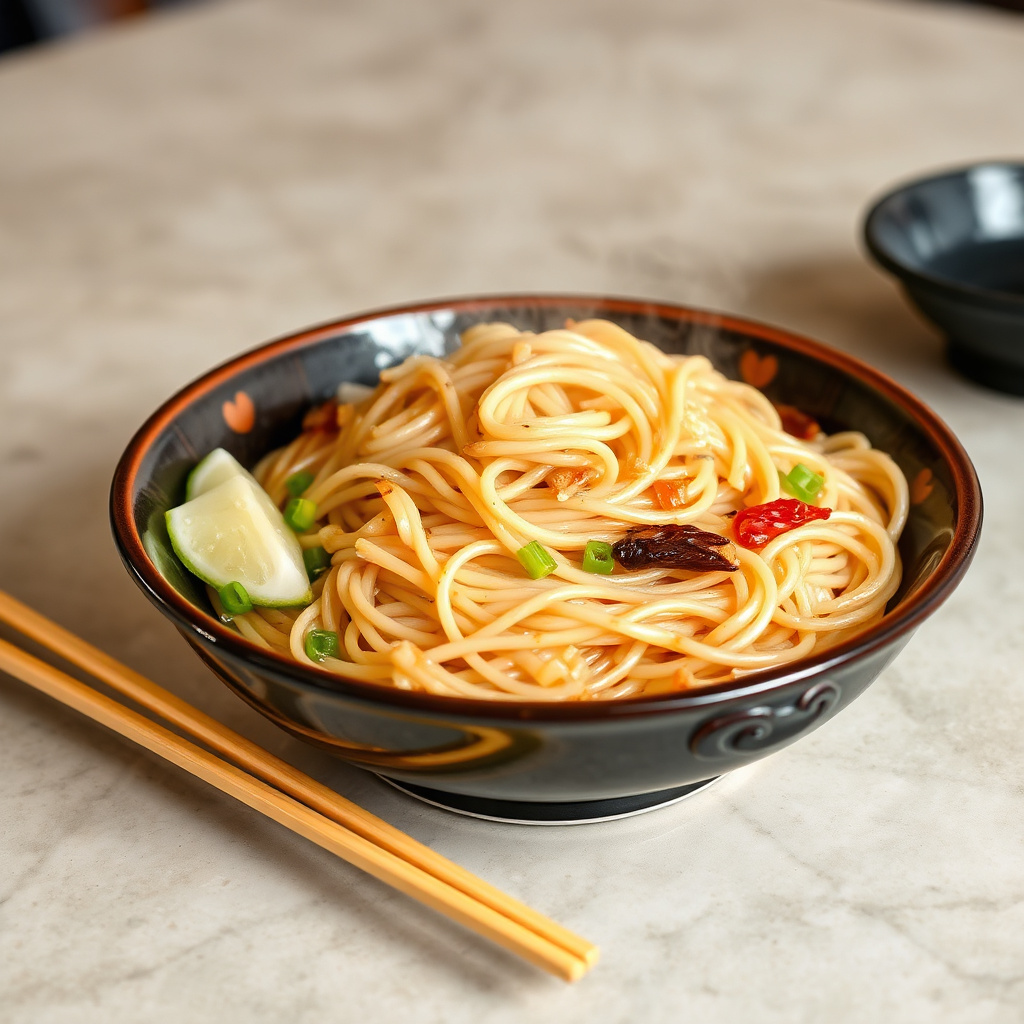
Where Singapore Rice Noodles Actually Came From
Despite the name, Singapore rice noodles are not a traditional dish from Singapore. This dish originated in Hong Kong and southern China, where Cantonese chefs created a stir-fried vermicelli dish seasoned with curry powder, inspired by the flavors of Southeast Asia. Its name likely came from the association of curry spices with Singapore as an exotic location in the Western culinary imagination.
This background shows how culinary traditions evolve, with cooks adapting ingredients and flavors to new locations and tastes while inventing entirely new dishes that take on identities linked by name rather than geography.
Influence of Cantonese and Southeast Asian Cuisines
The dish reflects a fusion between Cantonese stir-fry techniques and Southeast Asian spices. Curry powder, not commonly used in classic Cantonese cooking, was incorporated to create a taste that appeals to a broader audience, especially in overseas Chinese restaurants.
Fresh shrimp, barbecued pork, and vegetables commonly used in Cantonese cuisine are combined with curry-flavored noodles, creating a harmonious blend that balances the complexity of spices with the freshness of ingredients.
Key Ingredients in Singapore Rice Noodles
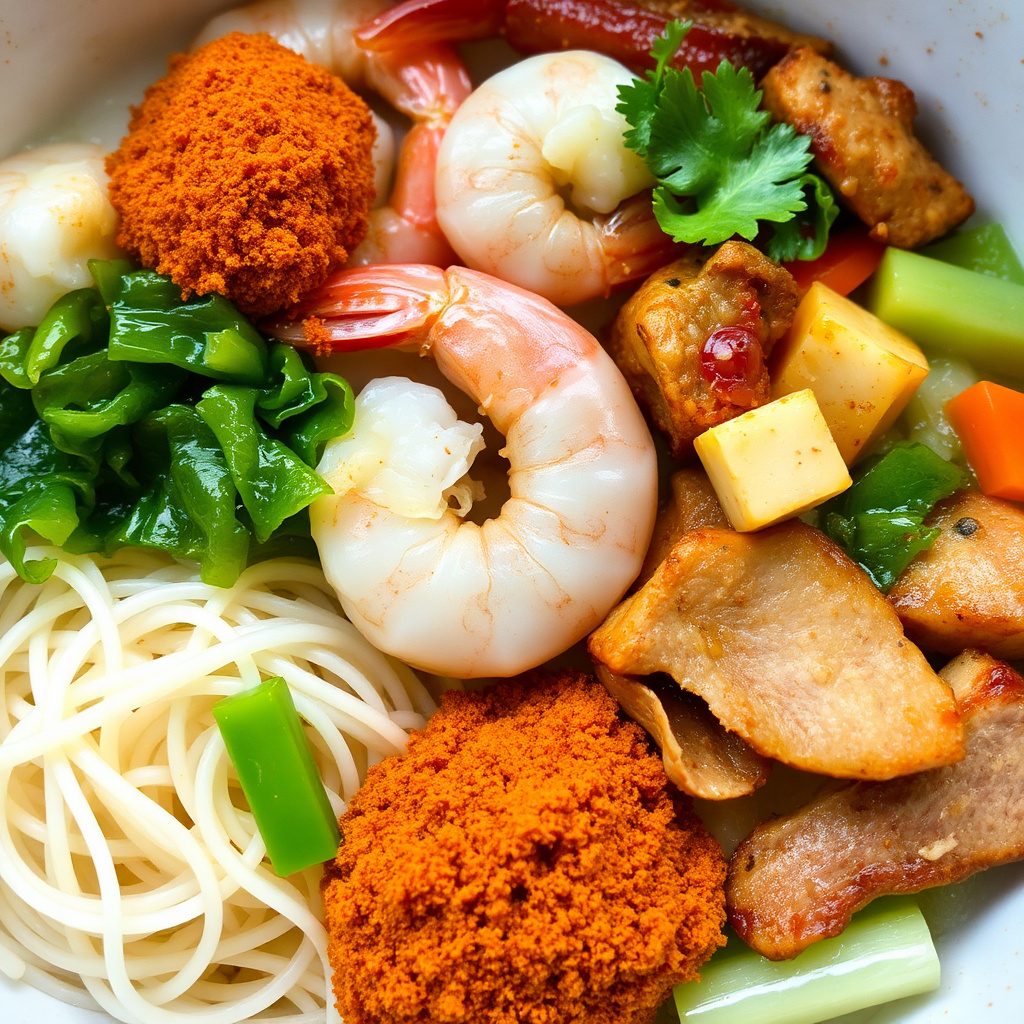
Staple Components of the Dish
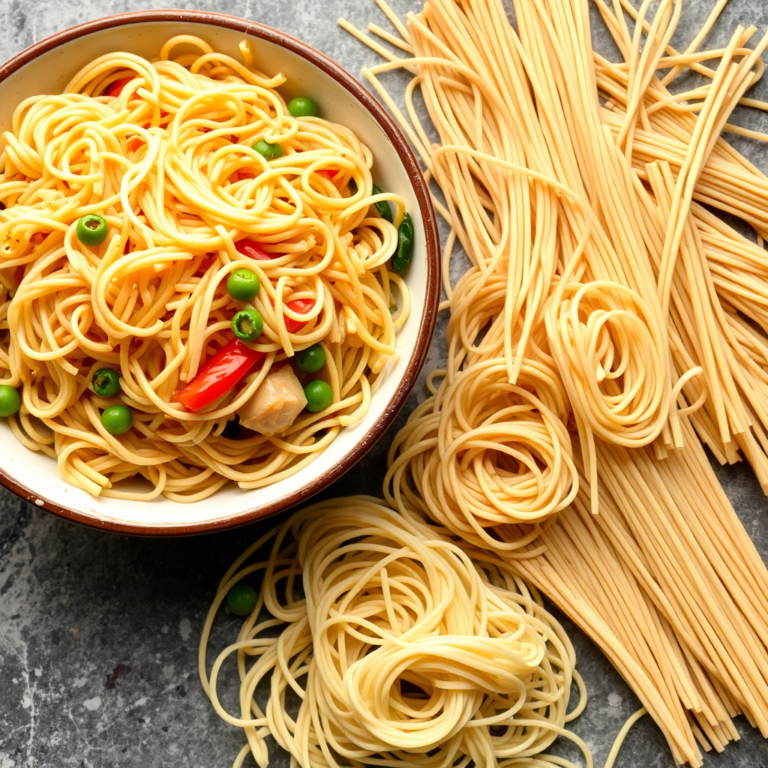
The base of Singapore rice noodles is rice vermicelli, which provides a light and smooth texture. Shrimp and char siu pork are the primary proteins, adding savory and slightly sweet elements. Vegetables such as bell peppers, onions, and sometimes snow peas introduce freshness and crunch.
Curry powder is the defining seasoning, giving the noodles their signature yellow appearance and mild spiced flavor. Eggs are often scrambled and mixed in, enhancing richness and binding the components together.
- Rice vermicelli (thin rice noodles)
- Shrimp and/or char siu pork
- Curry powder
- Vegetables like bell pepper and onion
- Eggs
Optional and Regional Variations
Some versions include additional ingredients such as bean sprouts, scallions, or even squid to vary texture and taste. Spices can be adjusted in heat level based on local preferences, sometimes adding chili flakes or fresh chilies for spicier renditions.
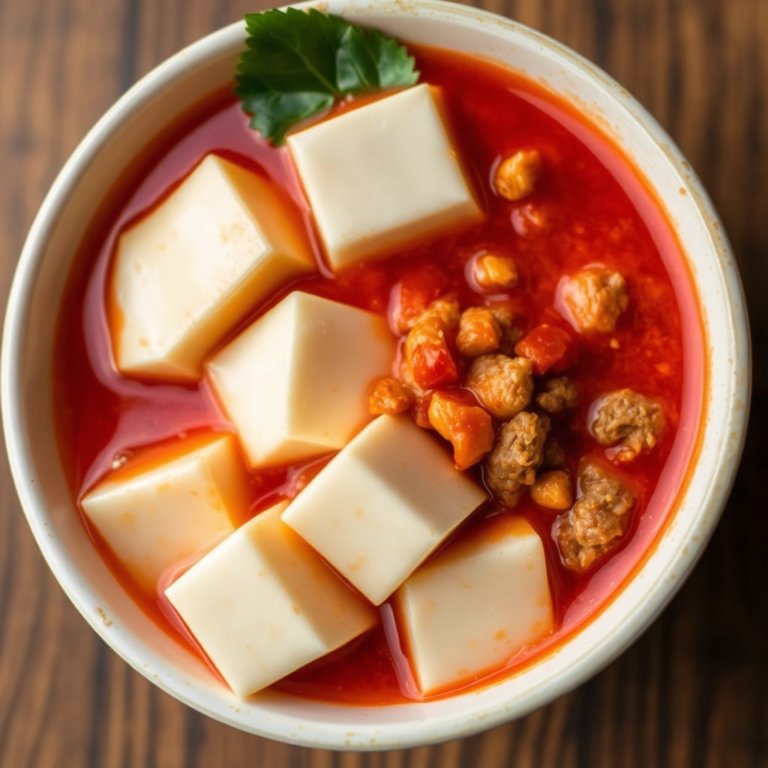
The dish may also be served with a drizzle of sesame oil or soy sauce to enhance umami, and vegetarian versions swap meat for tofu or mushrooms while maintaining the curry flavor.
- Bean sprouts
- Scallions
- Squid or tofu
- Chili flakes or fresh chili
- Sesame oil
Cooking Techniques for Singapore Rice Noodles
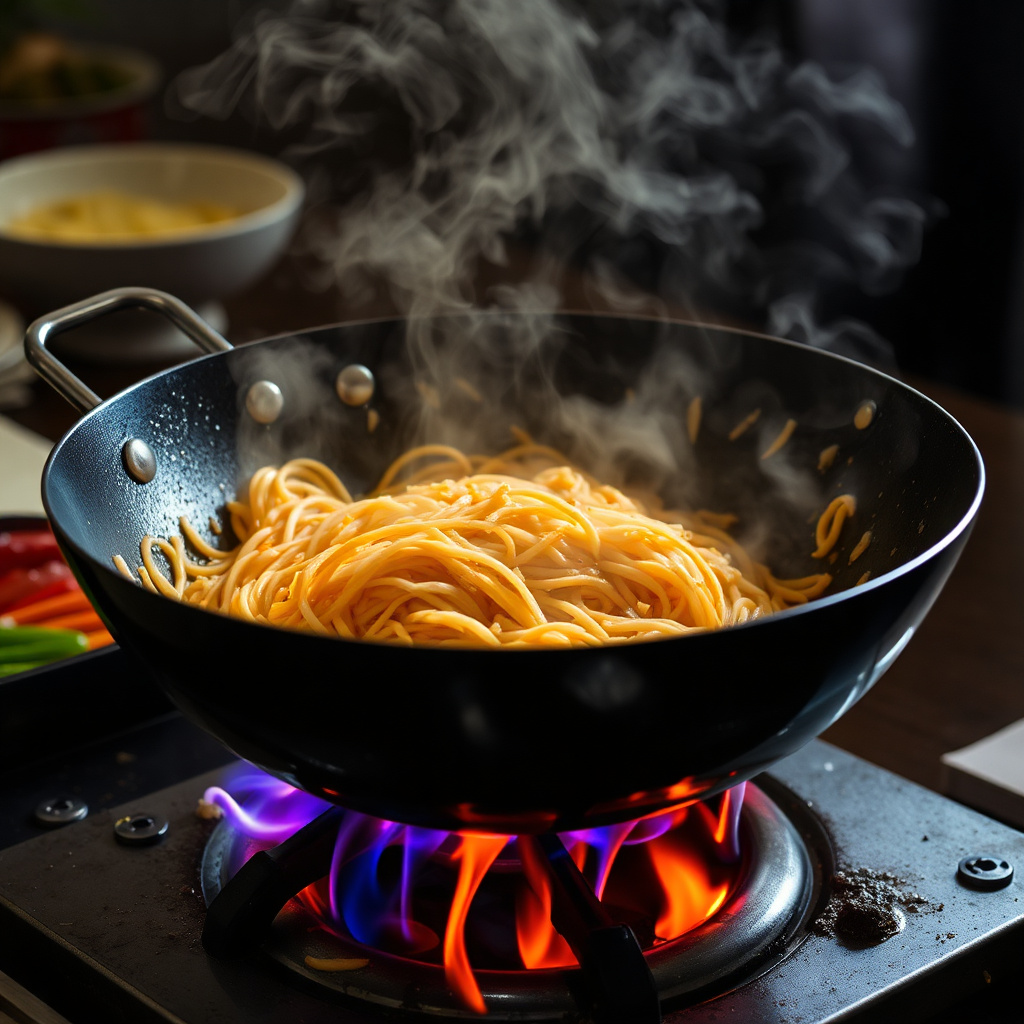
Preparing Rice Vermicelli Properly
Rice vermicelli needs to be softened by soaking in warm water for about 10-15 minutes before stir-frying. Over-soaking or under-soaking can make the noodles mushy or brittle, so timing is important. After soaking, noodles should be drained thoroughly to avoid excess moisture in the wok.
Separately cooking proteins and vegetables before combining with noodles can help maintain texture and prevent sogginess. Using high heat and a well-seasoned wok or large frying pan encourages even cooking and a slight, desirable char on the noodles.
Balancing Flavors and Timing
Curry powder is typically added early in the cooking process to ensure flavor permeation. Some cooks toast the powder separately to boost aroma before mixing it with the noodles. Eggs are scrambled quickly in the wok before adding noodles to incorporate a smooth texture throughout.
The entire stir-fry usually takes just a few minutes once ingredients are prepped, keeping the vegetables crisp and the noodles perfectly coated without drying out.
Nutritional Aspects and Dietary Considerations
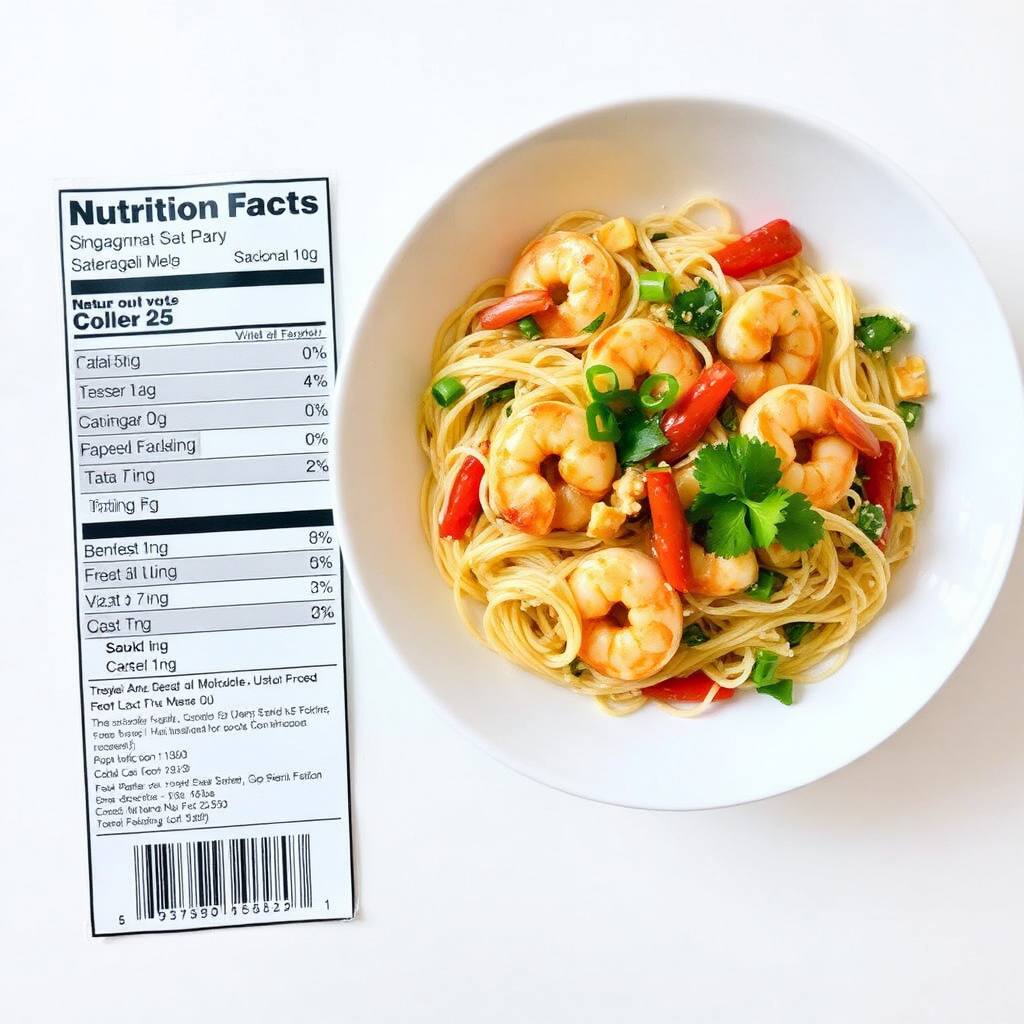
Calories and Macronutrient Breakdown
A serving of Singapore rice noodles typically contains around 400-600 calories, depending on portion size and ingredients. It provides a good balance of carbohydrates from noodles, protein from shrimp and pork, and fats primarily from cooking oil and eggs.
Vegetables add fiber and vitamins, which help balance the meal nutritionally. Using lean protein sources and limiting oil can reduce calorie density while maintaining taste.
Adapting the Dish for Dietary Needs
Gluten-free options are straightforward as rice vermicelli contains no wheat; however, attention should be paid to soy sauce or other condiments for hidden gluten. Vegetarians can replace meat with firm tofu to keep protein levels high.
Portion control and using less oil can help those monitoring fat intake. Adjusting spice levels also allows people sensitive to heat to enjoy the dish comfortably.
Singapore Rice Noodles in Restaurants and Home Cooking
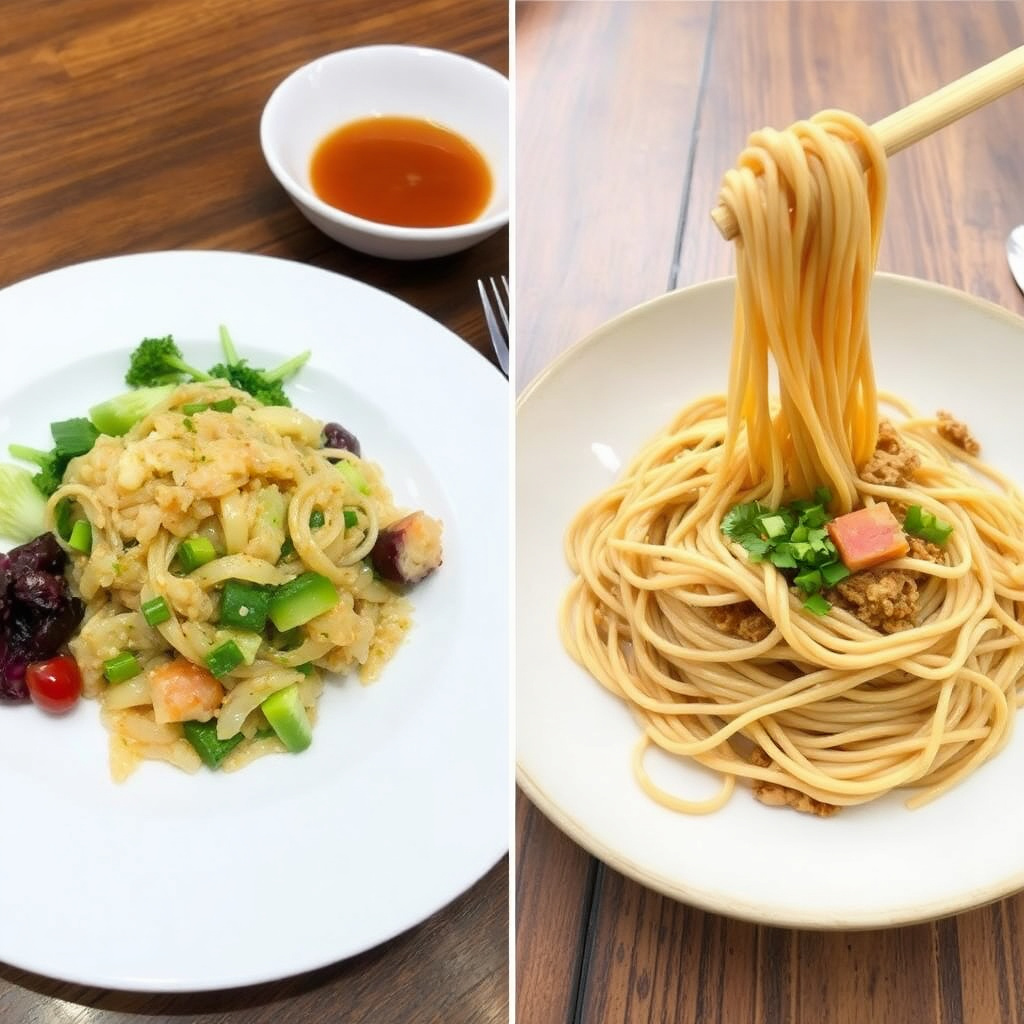
How Restaurants Prepare Singapore Rice Noodles
Many restaurants use high-heat woks to quickly sear the noodles, often adding extras like dried shrimp or special sauces to enhance complexity. Presentation tends to be polished with garnishes such as chopped scallions or fresh herbs.
Portion sizes in restaurants vary, but they often boost flavor intensity to cater to varied palates by adjusting curry level or protein mix depending on the clientele.
Tips for Making Singapore Rice Noodles at Home
Home cooks should prepare all ingredients in advance to stir-fry them quickly in succession, preserving texture and freshness. Careful control of heat and seasoning is key to replicating restaurant-quality flavors.
Using quality curry powder and fresh proteins improves the dish markedly. Experimenting with vegetables and spice intensity lets you tailor the noodle dish precisely to your tastes.
Comparing Singapore Rice Noodles with Other Rice Noodle Dishes
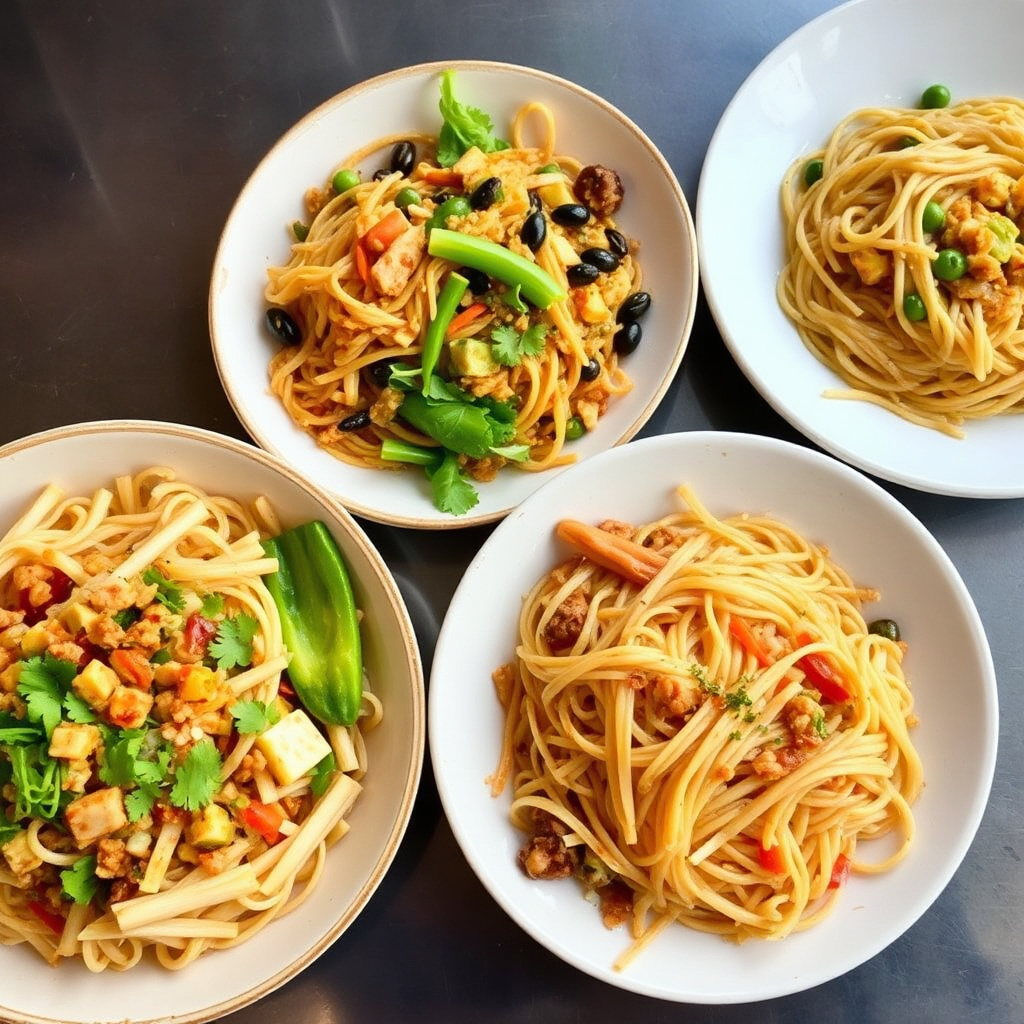
Differences from Pad Thai
Pad Thai uses a tamarind-based sauce that creates a sweet and tangy flavor, while Singapore rice noodles rely heavily on curry powder for spice. Pad Thai noodles are usually flat rice noodles, contrasting with the thin vermicelli used in Singapore noodles.
The proteins in Pad Thai often include nuts and tofu, whereas Singapore noodles typically feature shrimp and barbecued pork.
For a detailed overview of its history and variations, visit the Singapore noodles page on Wikipedia. Singapore noodles on Wikipedia.
How It Stands Against Char Kway Teow
Char Kway Teow is a Malaysian stir-fried dish made with flat rice noodles, soy sauce, and often pork lard, giving it a smoky, oily character. Singapore rice noodles are lighter and curried with a more aromatic and spicy profile.
While both use seafood and similar vegetables, the cooking fat and spice blends distinguish the dishes significantly.
Singapore Rice Noodles Category Comparison
This table compares popular rice noodle dishes by flavor profile, noodle type, main proteins, and origin.
| Dish | Flavor Profile | Noodle Type | Main Proteins | Origin |
|---|---|---|---|---|
| Singapore Rice Noodles | Curried, mildly spicy | Thin rice vermicelli | Shrimp, char siu pork | Hong Kong Chinese origin |
| Pad Thai | Sweet, sour, and salty | Flat rice noodles | Shrimp, tofu, peanuts | Thailand |
| Char Kway Teow | Smoky, savory | Flat rice noodles | Prawns, Chinese sausage | Malaysia |
| Pho | Light, aromatic broth | Flat or round rice noodles | Beef or chicken | Vietnam |
Frequently Asked Questions
Is Singapore rice noodles actually from Singapore?
No, Singapore rice noodles originated in Hong Kong and are a Cantonese-style dish inspired by Southeast Asian flavors, not a traditional Singaporean recipe.
What gives Singapore rice noodles its yellow color?
The yellow color mainly comes from curry powder, which is mixed into the noodles during cooking.
Can Singapore rice noodles be made vegetarian?
Yes, you can substitute meat with tofu or mushrooms and still enjoy the distinctive curry flavor.
Are rice vermicelli noodles gluten-free?
Most rice vermicelli noodles are naturally gluten-free, but always check condiments like soy sauce for gluten content.
What kind of curry powder is used in Singapore rice noodles?
Typically, a mild curry powder blend with turmeric, cumin, coriander, and chili powder is used for flavor and color.
Key Takeaways
- Singapore rice noodles feature thin rice vermicelli seasoned with curry powder, shrimp, and char siu pork.
- The dish originated in Hong Kong, not Singapore, blending Cantonese and Southeast Asian flavors.
- Preparation involves soaking noodles correctly and stir-frying quickly for ideal texture.
- Variations include vegetarian options and spice level adjustments to suit taste.
Conclusion
Choosing whether to try or cook Singapore rice noodles involves understanding its unique place in the tapestry of Asian cuisine. The dish's blend of Cantonese stir-fry techniques and Southeast Asian curry highlights a culinary fusion that appeals to a wide range of taste preferences. Recognizing its origins helps appreciate this dish as a crafted invention rather than a traditional national food, offering a flavorful experience linked to cultural creativity.
For those seeking to prepare Singapore rice noodles, using quality rice vermicelli and authentic curry powder is essential. If you prefer ordering out, opt for restaurants specializing in Cantonese or Hong Kong-style cooking to experience the dish closest to its roots. Variants with tofu or extra vegetables allow customization based on dietary needs or preferences, making the dish versatile for diverse eaters.
If you want to explore this dish further, starting with a classic Singapore noodles recipe will help you grasp the balance of textures and spices that make it distinctive. Experiment by adjusting curry levels or ingredients until you find your perfect plate. This journey opens up broader awareness of how Asian cuisines interconnect and evolve through innovative dishes like Singapore rice noodles.


One Comment