Is California Roll Healthy? A Nutritional Breakdown and Guide
Yes, a California roll can be a healthy choice, but this depends on the ingredients and portion size. It typically contains crab or imitation crab, avocado, cucumber, and sushi rice wrapped in seaweed, offering a balance of proteins, healthy fats, and carbohydrates. However, certain factors like added mayonnaise or excessive soy sauce can affect its healthiness.
This matters because California rolls are among the most popular sushi varieties, often considered a safe or beginner-friendly option. For those watching their diet, knowing the real nutritional impact helps with smarter dining decisions, whether eating out or preparing sushi at home.
This article explores the health profile of California rolls, including their calorie content, key nutrients, possible downsides, and compares them with other sushi choices. It also discusses variations to look out for and offers tips for making healthier sushi decisions overall.
Understanding the Basic Ingredients of a California Roll
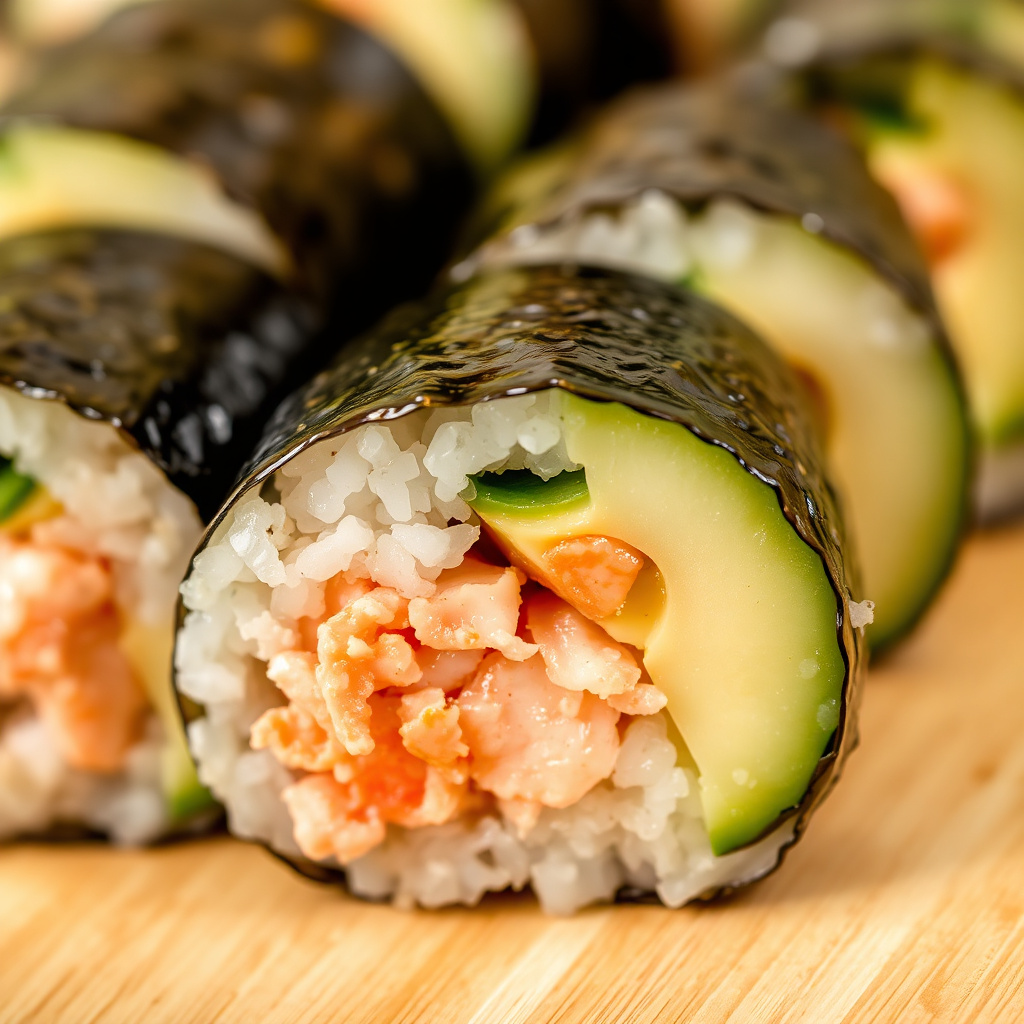
Core ingredients and their nutritional roles
The California roll is primarily made with imitation crab meat (surimi), avocado, cucumber, sushi rice, and nori seaweed. Each component contributes distinct nutrients: imitation crab provides low-fat protein, avocado adds heart-healthy monounsaturated fats, cucumber offers hydration and fiber, and rice supplies carbohydrates for energy.
Seaweed is rich in iodine and minerals which support thyroid function and metabolism. The combination presents a more nutrient-diverse bite than many other fast-food options, making the California roll a particularly reasonable sushi choice.
Common additives and sauces to watch
Some California rolls include mayonnaise or spicy mayo, increasing calories and saturated fats. Soy sauce, a salty condiment, adds sodium which can be a concern for those monitoring blood pressure. Sweet sauces or tobiko (fish roe) might also appear, boosting sugar or cholesterol levels respectively.
Being aware of these add-ons helps gauge whether a particular California roll option suits specific dietary goals. Choosing simpler versions or moderating dipping sauce can keep the roll within a healthier range.
- Mayonnaise increases fat and calories
- Soy sauce contributes significant sodium
- Sweet sauces add sugars
- Tobiko adds cholesterol
Nutritional Value and Health Benefits of California Rolls

Calorie and macronutrient profile
A standard California roll (about eight pieces) generally contains between 250 to 300 calories, 6-8 grams of fat, 30-40 grams of carbohydrates, and 8-10 grams of protein. This moderate calorie count fits well into a balanced diet if consumed in reasonable portions.
The fat content mainly comes from the avocado, which offers beneficial fats supporting cardiovascular health. The carbohydrates derive from sushi rice, which fuels the body, though it's wise to be mindful of portions to prevent excessive carb intake.
Micronutrients and other health benefits
California rolls provide essential micronutrients such as vitamin E, potassium, and magnesium from avocado, along with iodine from seaweed. These nutrients support immune function, blood pressure regulation, and overall metabolic processes.
The inclusion of cucumber adds vitamin K and dietary fiber, which aid digestion and bone health. Overall, a California roll delivers a balanced nutrient profile that aligns with a health-conscious diet when eaten in moderation.
Potential Health Considerations with California Rolls

Sodium and allergen concerns
Soy sauce commonly served with California rolls can push sodium intake high, risking elevated blood pressure if consumed excessively. Those with shellfish allergies should be cautious, as imitation crab contains fish and shellfish proteins.
Some rolls may also have gluten in sauces or imitation crab depending on preparation methods. People with gluten sensitivities or celiac disease need to verify ingredients carefully.
- High sodium risk from soy sauce
- Shellfish allergies from imitation crab
- Gluten possible in sauces
For more on this, see our related guide: Can Pregnant Women Eat California Roll? Safety and Tips Explained.
Calories from added sauces and rice quantity
Additional mayonnaise-based sauces can increase the calorie and fat content of the roll significantly. Also, sushi rice often contains sugar and vinegar, contributing carbs beyond plain white rice which can raise blood sugar levels.
Portion control remains crucial to prevent overeating calories, especially when combined with deep-fried or sugary sushi varieties.
- Mayonnaise adds calories
- Sugary sushi rice carbohydrates
- Watch portion sizes
Comparing California Rolls with Other Sushi Types

California roll versus fish-based rolls
Compared to rolls with raw fish like spicy tuna or salmon avocado, California rolls usually have less omega-3 fatty acids because imitation crab contains fewer healthy fats. However, the avocado compensates somewhat with plant-based fats.
Fish-based rolls may offer more protein and essential fatty acids, but California rolls can be a safer choice for those concerned about raw fish consumption or allergens.
California roll versus sashimi and nigiri
Sashimi and nigiri are lower in carbohydrates since they primarily consist of raw fish with little or no rice, making them friendly options for low-carb diets. California rolls contain more carbs from rice and added ingredients, which may be less suitable for ketogenic or low-carb eaters.
However, California rolls offer more vegetable content from avocado and cucumber, adding fiber and vitamins absent in pure fish preparations.
Modifying California Rolls for a Healthier Choice

Ingredient swaps and portion adjustments
Substituting mayonnaise-based sauces with low-fat alternatives or omitting them reduces calories and fat. Requesting less rice or using brown rice enhances fiber and reduces refined carbs. Adding extra vegetables like carrots or sprouts boosts nutrient density.
Eating smaller rolls or sharing portions limits calorie intake without losing enjoyment. These small changes help retain flavor while enhancing health benefits.
- Skip mayonnaise or creamy sauces
- Use brown rice instead of white
- Add extra veggies
- Control portion size
For more on this, see our related guide: How to Eat Healthy at a Sushi Restaurant Without Sacrificing Flavor.
Choosing supportive side dishes
Accompanying California rolls with miso soup or seaweed salad provides extra nutrients and antioxidants without excess calories. Avoiding fried sides like tempura prevents undoing the health gains from the sushi itself.
Drinking green tea can add antioxidants and aid digestion complementing the meal's overall nutritional profile.
- Miso soup adds protein and probiotics
- Seaweed salad boosts minerals
- Avoid fried tempura sides
- Green tea supports digestion
Practical Tips for Eating California Rolls Mindfully
Managing soy sauce and condiments
Limiting soy sauce use helps control sodium intake. Using low-sodium soy sauce or dipping sushi lightly minimizes salt consumption while still adding flavor. Carrying your own low-sodium options can help when dining out.
Adding a squeeze of lemon or wasabi can enhance taste without extra calories or sodium.
For a detailed overview of California roll ingredients and history, see the California roll nutrition details on Wikipedia. California roll nutrition details.
Balancing sushi with other meal components
Pairing California rolls with a leafy green salad or steamed vegetables increases fiber and overall nutrient variety. Avoiding large quantities of sugary beverages or high-calorie desserts after sushi ensures the meal remains light and balanced.
Eating slowly and savoring each bite promotes better digestion and satisfaction, reducing the tendency to overeat.
California Roll vs. Other Popular Sushi Options Nutritional Comparison
Comparing common sushi types helps clarify how California rolls measure up in calories, protein, fat, and carbs per typical serving.
| Sushi Type | Calories (per 8 pieces) | Protein (g) | Fat (g) | Carbohydrates (g) |
|---|---|---|---|---|
| California Roll | 250-300 | 8-10 | 6-8 | 30-40 |
| Spicy Tuna Roll | 290-350 | 13-15 | 10-12 | 30-35 |
| Salmon Avocado Roll | 270-320 | 12-14 | 12-14 | 28-32 |
| Vegetable Roll | 200-250 | 4-6 | 2-4 | 40-45 |
| Sashimi (no rice, 6 pieces) | 180-220 | 20-25 | 5-7 | 0-1 |
Frequently Asked Questions
Is the imitation crab in California rolls healthy?
Imitation crab is low in fat and protein but often contains additives like starch and sugar. It's a reasonable source of protein but less nutritious than real crab or fish.
Does eating California rolls lead to weight gain?
Eating California rolls within a calorie-balanced diet is unlikely to cause weight gain. Overeating or consuming them with high-calorie sauces could add excess calories.
Are California rolls suitable for low-carb diets?
California rolls contain sushi rice, which is high in carbohydrates, making them less suitable for very low-carb or ketogenic diets.
How can I reduce sodium intake when eating California rolls?
Use low-sodium soy sauce or dip lightly to reduce sodium. Avoid extra salty sauces and ask for minimal added salt when ordering.
Is avocado in California rolls beneficial for health?
Yes, avocado provides healthy monounsaturated fats, fiber, and essential nutrients, supporting heart and digestive health.
Key Takeaways
- California rolls offer moderate calories with balanced protein, fats, and carbs
- Ingredients like avocado add healthy fats and important micronutrients
- Watch for added sauces and soy sauce to manage calories and sodium
- Modifying portions and ingredients can enhance their nutritional profile
Conclusion
Deciding whether California rolls are healthy requires looking beyond the basics to the quality and quantity of ingredients as well as additional components. These rolls blend protein, carbs, and good fats but can vary widely depending on how they're made and served. Making well-informed choices about sauces, portion sizes, and ingredient swaps leads to a more beneficial eating experience. The main keyword 'is California roll healthy' has been addressed by evaluating their nutrition and contextual health impacts comprehensively.
For those wanting a balanced sushi meal, California rolls rank as a sound choice among alternatives due to their vegetable content and manageable calorie levels. Compared to some high-fat or fried sushi, they are lighter and more nutrient-dense. However, fish-based rolls or sashimi may offer more omega-3s and protein for people focused on those nutrients. Adjusting rice proportion or choosing brown rice versions benefits those mindful of carbohydrate intake. The secondary keyword 'sushi nutritional value' helps guide these nuanced comparisons.
Ultimately, if you're curious about 'is California roll healthy' and want practical advice, focus on moderation, minimizing high-sodium sauces, and complementing your meal with low-calorie sides. Homemade versions also provide control over ingredients to boost nutrition. This approach lets you enjoy California rolls fitting naturally into a healthy and enjoyable diet plan.



5 Comments