Are Fortune Cookies Chinese? Debunking the Origins of a Popular Treat
Fortune cookies are widely associated with Chinese cuisine in many Western countries, but they are not originally Chinese. These crisp cookies with a slip of paper containing a fortune or proverb were actually created in the United States, specifically in California, during the early 20th century. Although often served in Chinese restaurants abroad, fortune cookies have little to no presence in traditional Chinese culture or cuisine.
This misconception matters because many people assume fortune cookies are an authentic part of Chinese culinary tradition, which leads to misunderstandings about cultural origins and heritage. Understanding where fortune cookies actually come from enriches the story of Chinese American cultural fusion and the evolution of food traditions in immigrant communities.
This article will explore how fortune cookies came to be associated with Chinese food, examine their real origins, track their evolution over time, and explain why they are considered an American invention rather than a traditional Chinese item. You’ll also learn about the differences between the fortune cookie and authentic Chinese treats, highlighting their cultural significance today.
Origins of Fortune Cookies

Early Inventions in California
Fortune cookies as we know them were first produced in California in the early 1900s. Several entrepreneurs, including Japanese immigrants and Chinese American bakers, claimed credit for their creation. Their shape and the idea of inserting a paper with a message were inspired by traditional Japanese sweets rather than Chinese pastries.
One prominent theory credits Makoto Hagiwara of San Francisco’s Japanese Tea Garden with popularizing a version of the cookie. Other claims include David Jung, a Chinese immigrant in Los Angeles, who also reportedly invented the cookie around the same time. These competing stories highlight the fortune cookie’s distinctly American roots.
- Japanese influence from origami and paper fortunes
- Early production in San Francisco and Los Angeles
- Use in Japanese tea gardens before widespread adoption
Traditional Chinese Pastries vs. Fortune Cookies
Traditional Chinese pastries do not resemble fortune cookies either in appearance or concept. Chinese desserts often include mooncakes, almond cookies, and rice-based sweets, none of which incorporate hidden paper notes or fortunes.
The fortune cookie’s thin, folded shape and the use of paper fortunes are a novelty rather than a practice found in classic Chinese cooking. This difference underscores why fortune cookies are more accurately viewed as an American adaptation for Chinese restaurants.
Cultural Significance in Chinese American Communities

Symbol of Chinese American Identity
Fortune cookies have become a symbol within Chinese American and broader Asian American communities as a unique cultural creation. They represent a blend of East Asian culinary influences with American entrepreneurship and consumer culture.
While not reflecting traditional Chinese practices, fortune cookies serve as an emblem of cultural adaptation, hospitality, and the immigrant experience during the early to mid-20th century.
Role in Western Perceptions of Chinese Food
In Western countries, fortune cookies have become a beloved ritual concluding a meal at Chinese restaurants, creating a familiar cultural moment for diners. This association has helped shape how Chinese food is perceived outside China—often mixed with elements originating from Chinese American culture rather than China itself.
This phenomenon illustrates how food can evolve differently with diaspora communities and how cultural symbols can develop independent lives from their origins.
Fortune Cookie Production and Popularity

Modern Manufacturing Techniques
Today, fortune cookies are mass-produced using automated machines that bake, fold, and insert fortunes with high speed and consistency. This mechanization has made fortune cookies an affordable and widely available novelty item.
Factories often produce millions of cookies a day, with messages ranging from humorous sayings to lucky predictions. The process combines traditional baking ingredients with mechanized precision.
- Automated baking and folding machines
- Varied printed fortunes for different occasions
- Specialty fortune cookies with colors and flavors
For more on this, see our related guide: Where Did Fortune Cookies Come From? Origins and History Explained.
Global Reach and Variations
While fortune cookies originated in the U.S., they have spread internationally and are sometimes customized to local tastes. Although they remain uncommon in China, they have appeared in global markets as a novelty associated with Chinese cuisine abroad.
Some regions have developed unique fortune cookie variants, incorporating different textures, flavors, or cultural references, demonstrating their flexible appeal.
The Main Keyword's Role: Are Fortune Cookies Chinese?

Clarifying the Common Misconception
Answering the main keyword question explicitly: fortune cookies are not Chinese in origin. They are a product of Asian American innovation within the United States, closely linked to California’s immigrant communities rather than China itself.
This clarification helps correct a widespread misconception that fortune cookies represent authentic Chinese culture, instead highlighting the unique evolution of Chinese American cuisine.
Why the Confusion Persists
The deep association of fortune cookies with Chinese restaurants in the West confuses many diners. Additionally, the labeling and marketing of these cookies as a part of 'Chinese dining' reinforce the idea that they are authentically Chinese.
This confusion underscores how immigrant cultures adapt and create new traditions that may appear traditional to outsiders, blending identities and culinary practices.
Exploring Fortune Cookie History
Documented Origins and Debates
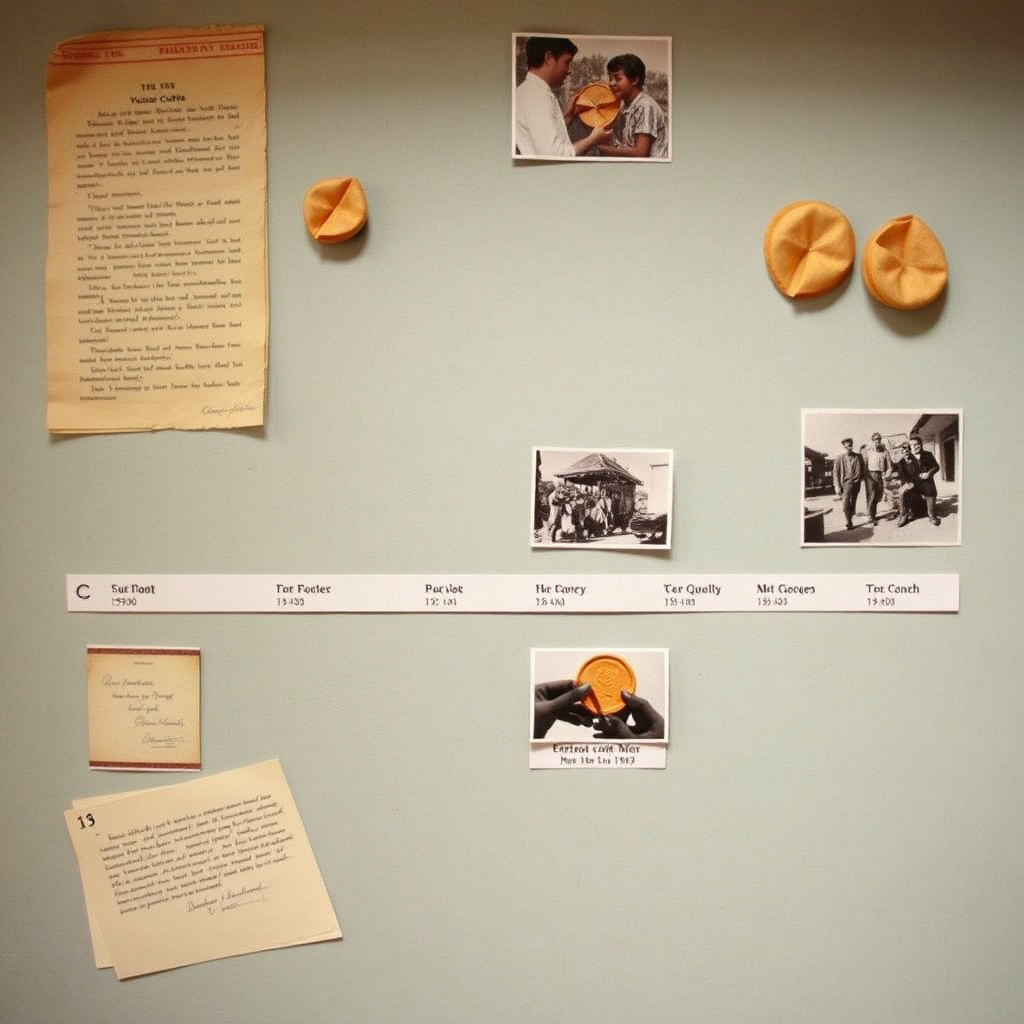
Scholars have traced fortune cookie history through newspaper articles, patent filings, and oral histories. The earliest documented references date back to the early 1910s and 1920s in California, supporting the theory that fortune cookies are an American creation.
Academic debates surround the exact originator but agree on the cookie’s novelty emerging in the U.S. rather than China, distinguishing it from genuine Chinese pastries.
For more on this, see our related guide: Chinese Food vs Japanese Food: A Flavorful Comparison You Need to Know.
Influence of Japanese and Chinese Immigrants
Japanese immigrants may have introduced the concept of paper fortunes in sweets, which influenced Chinese American bakers to produce fortune cookies catering to a Chinese-themed restaurant scene.
This multicultural input reflects the complex roots of many American food traditions and how immigrant groups contribute to new cultural expressions.
Authentic Chinese Desserts vs. Fortune Cookies

Popular Traditional Chinese Sweets
Chinese desserts include a variety of sweets such as mooncakes, sesame balls, red bean cakes, and egg tarts. These are deeply ingrained in festivals and cultural rituals, distinctly different in texture, ingredients, and symbolism from fortune cookies.
Their preparation and presentation reflect longstanding culinary traditions unique to different Chinese regions, contrasting with the American invention of the fortune cookie.
For a more detailed timeline and scholarly analysis, consult the fortune cookie history on Wikipedia. fortune cookie history on Wikipedia.
Why Fortune Cookies Are Not Part of Chinese Cuisine
Fortune cookies do not appear in Chinese cookbooks, menus, or celebrations within China. Their absence in authentic Chinese culinary contexts confirms they are a foreign addition associated with Chinese restaurants overseas.
This divergence highlights how cuisine adaptations occur when immigrant communities create new food customs that resonate with local patrons.
Fortune Cookies and Traditional Chinese Desserts Comparison
The following table contrasts fortune cookies with popular traditional Chinese desserts to highlight differences in origin, ingredients, and cultural meaning.
| Dessert | Origin | Ingredients | Cultural Context |
|---|---|---|---|
| Fortune Cookie | United States (Chinese American communities) | Flour, sugar, vanilla, paper fortune | Novelty treat linked to Chinese restaurants abroad |
| Mooncake | China | Lotus seed paste, salted egg yolks, wheat flour | Traditional festival pastry consumed during Mid-Autumn Festival |
| Sesame Ball | China | Glutinous rice flour, sweet red bean paste, sesame seeds | Common dim sum dessert symbolizing good luck |
| Egg Tart | China (Cantonese origin) | Egg custard, pastry crust, sugar | Popular pastry at dim sum and bakeries, originated in Hong Kong |
Frequently Asked Questions
Do fortune cookies come from China?
No, fortune cookies originated in the United States, primarily California, and are not a traditional Chinese food. Their invention is linked to Japanese and Chinese American immigrant communities.
Are there any similar cookies in China?
China does not have cookies similar to fortune cookies with hidden paper fortunes. Traditional Chinese desserts focus on different textures and ingredients without such novelty features.
Why are fortune cookies served in Chinese restaurants?
Fortune cookies became popular in Chinese restaurants in the West as a fun way to conclude meals and add a cultural twist, appealing to American customers expecting a lighthearted treat.
What is usually written inside fortune cookies?
Fortune cookie slips feature short messages such as lucky sayings, proverbs, or playful predictions, sometimes including lucky numbers or advice.
Who actually invented the fortune cookie?
The exact inventor is uncertain, but several Japanese and Chinese American immigrants in early 20th-century California are credited with developing the fortune cookie.
Key Takeaways
- Fortune cookies are an American invention, not traditional Chinese food.
- They originated in California in the early 1900s through Japanese and Chinese American influences.
- Fortune cookies differ greatly from authentic Chinese pastries in ingredients and cultural significance.
- Their association with Chinese cuisine is mainly a Western marketing tradition.
Conclusion
Understanding whether fortune cookies are Chinese requires appreciating the complex history of cultural exchange and adaptation among immigrant communities. While fortune cookies are often seen as a symbol of Chinese cuisine in the West, they are actually a product of Chinese American innovation blending Japanese influences with American entrepreneurship. This makes the fortune cookie less a reflection of traditional Chinese culture and more a fascinating artifact of cultural fusion and immigrant storytelling.
For those curious about authenticity or wanting to explore genuine Chinese desserts, options like mooncakes, sesame balls, and egg tarts provide rich culinary traditions deeply rooted in Chinese heritage, each with unique flavors and cultural meanings. Fortune cookies, meanwhile, offer a playful, modern experience more aligned with Chinese American restaurant culture than with historical Chinese customs. Recognizing these differences allows diners to appreciate both the novelty of fortune cookies and the rich heritage behind classical Chinese sweets.
If you want to try an authentic Chinese dessert, seek out traditional pastries at specialty bakeries or dim sum restaurants. For a fun dining experience tied to Chinese American history, fortune cookies remain a charming conclusion to a meal, delivering unexpected messages and a slice of culinary Americana. Learning the story behind fortune cookies enriches our appreciation for how food reflects cultural journeys and evolving identities.




One Comment