California Roll vs Rainbow Roll: Key Differences and Which Sushi to Choose
The California roll and the Rainbow roll are two of the most popular sushi rolls, but they are quite different in ingredients and presentation. A California roll typically features crab (imitation or real), avocado, and cucumber inside seasoned rice wrapped in seaweed. In contrast, a Rainbow roll adds an array of fresh fish and avocado slices atop a California roll base, making it more colorful and complex in flavor.
Understanding the distinction between these two helps sushi lovers order with confidence, whether they're new to sushi or seasoned fans. Both rolls highlight the creativity and versatility of sushi but cater to different taste preferences and nutritional considerations.
This guide will examine the ingredients, flavor profiles, varieties, nutritional aspects, and cultural origins of the California roll vs Rainbow roll. It will also provide tips on when to choose one over the other and compare them on several relevant factors to help you make an informed choice.
Ingredients and Composition Differences

California Roll Ingredients
The California roll is a staple of Western-style sushi. It contains imitation crab meat or real crab leg, avocado for creaminess, and cucumber to add crunch. These ingredients are rolled inside sushi rice and wrapped in nori (seaweed). Its reverse roll style means the rice is on the outside, often sprinkled with sesame seeds.
This roll is renowned for its mild, approachable flavor, making it popular among sushi beginners. The use of avocado adds a rich texture, while the cucumber offers freshness. Often considered a non-traditional sushi, it was invented in the US to appeal to American tastes.
Rainbow Roll Ingredients
The Rainbow roll builds upon the California roll base by adding colorful slices of fish such as tuna, salmon, white fish, and sometimes eel on top. Avocado slices are also added on top to complement the fresh fish. This adds layers of flavor and texture, delivering a more complex taste experience.
Because it contains raw fish, the Rainbow roll offers a closer experience to traditional sushi that highlights the quality of fresh seafood. The added variety of fish increases nutritional diversity, especially in protein and omega-3 fatty acids.
Taste and Texture Comparison

Flavor Profile of the California Roll
The California roll's flavor is sweet, creamy, and mild. The crab imitation is often slightly sweet, while avocado provides buttery softness. The cucumber delivers a crisp contrast. The rice and nori add a subtle umami foundation without overpowering the fillings.
Because there’s no raw fish, its flavor tends to be less intense, appealing to those who prefer gentle tastes or who are cautious about consuming raw seafood.
Flavor Profile of the Rainbow Roll
Rainbow roll offers a more dynamic flavor range due to the assortment of fish on top. The raw fish is fresh and slightly briny, with some fattiness especially from salmon and tuna. Combined with the creamy avocado layers and sweet crab inside, the taste is more complex and layered.
The texture varies between the smoothness of fish, the crunch of cucumber, and the softness of rice, making it a richer eating experience that appeals to those who enjoy traditional sushi flavors.
Nutritional Considerations

Calories and Macros in California Roll
A typical California roll has about 250-300 calories per 8-piece serving. It is moderate in carbohydrates due to sushi rice and contains healthy fats mainly from avocado. Protein comes from the crab, although imitation crab is lower in protein than real crab.
The roll is relatively low in fat and calories compared to many fried or tempura rolls, making it a lighter choice for those mindful of calorie intake.
For more on this, see our related guide: How Many Calories in a Dragon Roll: A Nutritional Breakdown.
Nutritional Benefits of Rainbow Roll
The Rainbow roll, enriched with raw fish, tends to have higher protein content and beneficial omega-3 fatty acids. Calories are slightly higher, typically around 300-350 for 8 pieces, reflecting the fish toppings.
It provides essential vitamins and minerals found in fish, such as vitamin D and selenium, making it a nutritionally richer but still balanced sushi option.
Cultural and Historical Context

Origin of the California Roll
The California roll is credited to sushi chefs in Los Angeles and Vancouver in the 1960s-70s. It was designed to attract Western eaters unfamiliar with raw fish by using familiar ingredients like avocado and imitation crab.
Its invention marked a turning point in popularizing sushi in North America, becoming a gateway roll that influenced many creative sushi inventions.
Development of the Rainbow Roll
The Rainbow roll emerged as a more elaborate and visually striking version of the California roll. Its colorful fish slices and topping variations inspired sushi chefs to blend art with taste.
While not traditional Japanese sushi, the Rainbow roll demonstrates how sushi evolved outside Japan, combining traditional and Western elements to appeal to a broad audience.
Choosing Between California Roll vs Rainbow Roll

Who Should Choose a California Roll?
The California roll is a good choice for sushi newcomers, children, or those who prefer cooked or non-raw ingredients. Its mild flavors provide a gentle introduction to sushi textures and taste.
It also suits individuals who want a light meal that balances carbs, fats, and protein without raw fish exposure.
For more on this, see our related guide: How Many Calories Are in a Spicy Tuna Roll? Accurate Nutrition Guide.
When to Opt for a Rainbow Roll
The Rainbow roll is ideal for sushi fans looking for a colorful, protein-rich, and flavorful experience with raw fish. It fits those comfortable with seafood and interested in the nuances of different fish varieties.
This roll makes a great sharing dish or a vibrant addition to a sushi platter for more sophisticated palates.
Presentation and Serving Styles

How California Rolls Are Served
California rolls are generally served sliced into bite-sized pieces arranged simply with wasabi, pickled ginger, and soy sauce. The exterior rice helps with an easy grip using chopsticks.
Offering a plain but neat visual appeal, it prioritizes accessibility over flamboyance without sacrificing taste.
For a deeper look into sushi types and history, consult this detailed Wikipedia article on sushi varieties. Information on sushi varieties.
Rainbow Roll Presentation
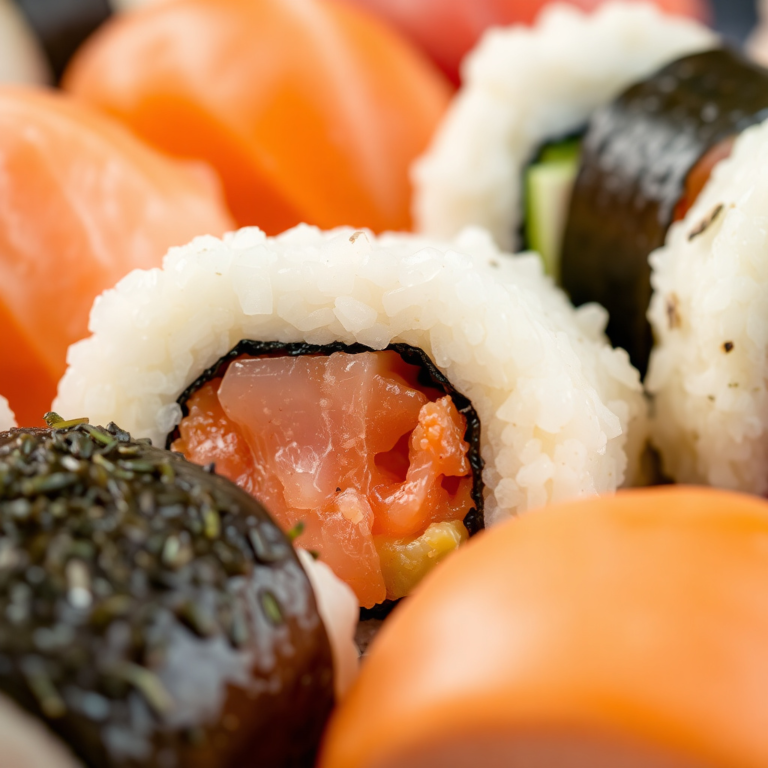
Rainbow rolls are often presented with colorful fish slices layered atop the roll, creating a striking rainbow effect. They are commonly served on decorative sushi platters with additional garnishes to complement their vibrant look.
This presentation accentuates sushi as edible art and makes it an enticing choice for diners seeking an impressive dish.
California Roll vs Rainbow Roll Category Comparison
Here's a concise comparison of the California roll and Rainbow roll across key attributes to help make your sushi selection simpler.
| Category | California Roll | Rainbow Roll | Notes |
|---|---|---|---|
| Main Ingredients | Imitation crab, avocado, cucumber | California roll base with assorted fresh fish slices | Rainbow roll contains raw fish; California roll uses cooked/canned crab. |
| Flavor Strength | Mild and creamy | Complex and rich with varied fish flavors | Rainbow roll offers more flavor depth. |
| Nutrition | Lower protein, moderate calories | Higher protein, omega-3 fatty acids, slightly more calories | Rainbow roll is more nutrient-dense. |
| Suitability | Beginners, non-raw fish eaters | Experienced sushi eaters, raw fish fans | Choose based on comfort with raw seafood. |
| Visual Appeal | Simple, clean look | Colorful and vibrant | Rainbow roll serves as edible art. |
| Price Range | Lower cost | Higher cost due to premium fish | Price varies by restaurant and location. |
Frequently Asked Questions
Is a California roll safe for people who don't eat raw fish?
Yes, the California roll generally contains cooked crab or imitation crab and no raw fish, making it safe and popular among those who avoid raw seafood.
What types of fish are typically used on a Rainbow roll?
Rainbow rolls often feature slices of tuna, salmon, white fish, and sometimes eel or yellowtail, providing a variety of textures and flavors.
Which roll is better for someone watching calories?
California rolls tend to be lower in calories and fat than Rainbow rolls, making them a lighter option for calorie-conscious eaters.
Can a Rainbow roll be made without raw fish?
Some sushi chefs offer alternative Rainbow rolls using cooked fish or seafood to accommodate those who avoid raw fish, but the traditional version includes raw fish.
Are these rolls gluten-free?
The rolls themselves are gluten-free if made with pure ingredients, but soy sauce often contains gluten. Gluten-free soy sauce can be requested to make the meal safe for gluten-sensitive diners.
Key Takeaways
- California roll features crab, avocado, and cucumber with mild flavors ideal for sushi beginners.
- Rainbow roll adds a colorful variety of raw fish, offering richer taste and nutritional value.
- Choose based on preference for raw seafood and desired flavor complexity.
- Nutrition varies: California roll is lighter; Rainbow roll provides more protein and omega-3s.
Conclusion
Comparing the California roll vs Rainbow roll involves balancing familiarity with flavor adventure. The California roll's gentle, comforting profile suits those new to sushi or a milder palate, while the Rainbow roll’s medley of fresh fish offers a fuller, more layered culinary experience. Understanding your taste preferences, dietary needs, and comfort with raw seafood can guide your choice effectively.
If you prefer a straightforward, accessible sushi option, the California roll remains an excellent classic, providing a satisfying mix of creamy avocado and crab flavor without raw fish. On the other hand, if you want to enjoy the richness of fresh fish varieties and more vibrant presentation, the Rainbow roll is worth trying. For someone expanding their sushi repertoire, starting with the California roll then progressing to the Rainbow roll offers a gradual introduction to raw ingredients and complex flavors.
Ultimately, sampling both rolls at a trusted sushi restaurant or making them at home can help you discover your preference firsthand. Paying attention to ingredient quality and freshness will enhance your experience. Whether you seek comfort or culinary variety, the choice between California roll and Rainbow roll enriches your enjoyment of sushi’s diverse offerings.



2 Comments