Who Invented the California Roll: Tracing the Origins of a Sushi Classic
The California roll, a sushi creation loved worldwide, was invented by a Japanese chef in Los Angeles during the 1960s or 1970s, aimed at adapting traditional sushi for Western tastes. This innovative dish typically features crab (or imitation crab), avocado, and cucumber, wrapped inside out with rice on the outside.
This invention matters because it helped popularize sushi across America by making it approachable to those unfamiliar with raw fish and seaweed. It bridged cultural culinary gaps and opened the door for countless sushi variations internationally.
This article explores the key people behind the invention, the context that inspired the California roll, how it evolved, and its impact on sushi culture in America and beyond.
Origins of the California Roll and Its Inventor

Chef Ichiro Mashita’s Role in Inventing the California Roll
Chef Ichiro Mashita is often credited with creating the California roll in the early 1970s in Los Angeles. He experimented with substituting raw tuna for cooked crab and added avocado, which was more familiar and appealing to American customers.
Mashita’s innovation of wrapping the roll “inside-out” with rice on the outside allowed novice sushi eaters to avoid seaweed’s unfamiliar texture and color. This presentation proved to be a turning point for sushi’s popularity in the U.S.
Alternate Claims and Controversies
While Chef Mashita is widely recognized, other chefs like Hidekazu Tojo in Vancouver also claim credit for creating the California roll independently. Tojo’s version appeared in the late 1960s and was designed to introduce local diners to sushi by removing raw fish and incorporating avocado.
These competing stories illustrate how sushi evolved through adaptation and innovation in North America, with the California roll symbolizing a broader fusion of Japanese technique and Western ingredients.
Ingredients and Innovation Behind the California Roll

Key Ingredients that Appeal to Western Palates
The California roll typically includes cooked crab meat or imitation crab, avocado, cucumber, and vinegared sushi rice. Removing raw fish and replacing it with familiar textures made sushi less intimidating for newcomers.
Avocado’s creamy texture and mild flavor complemented the seafood's taste, adding richness that wasn’t common in traditional Japanese sushi at the time.
- Imitation crab (surimi) or cooked crab
- Avocado slices
- Cucumber strips
- Sushi rice and nori seaweed (rolled inside-out)
The Inside-Out Roll Technique
The inside-out rolling method, which places rice on the exterior of the roll instead of seaweed, was a novel technique that made the California roll stand out. It concealed the nori, which some Western diners found unappealing visually or texturally.
This approach has influenced many modern sushi rolls and helped popularize maki sushi variations globally.
The California Roll’s Impact on American Sushi Culture
Catalyzing Sushi’s Popularity in the United States
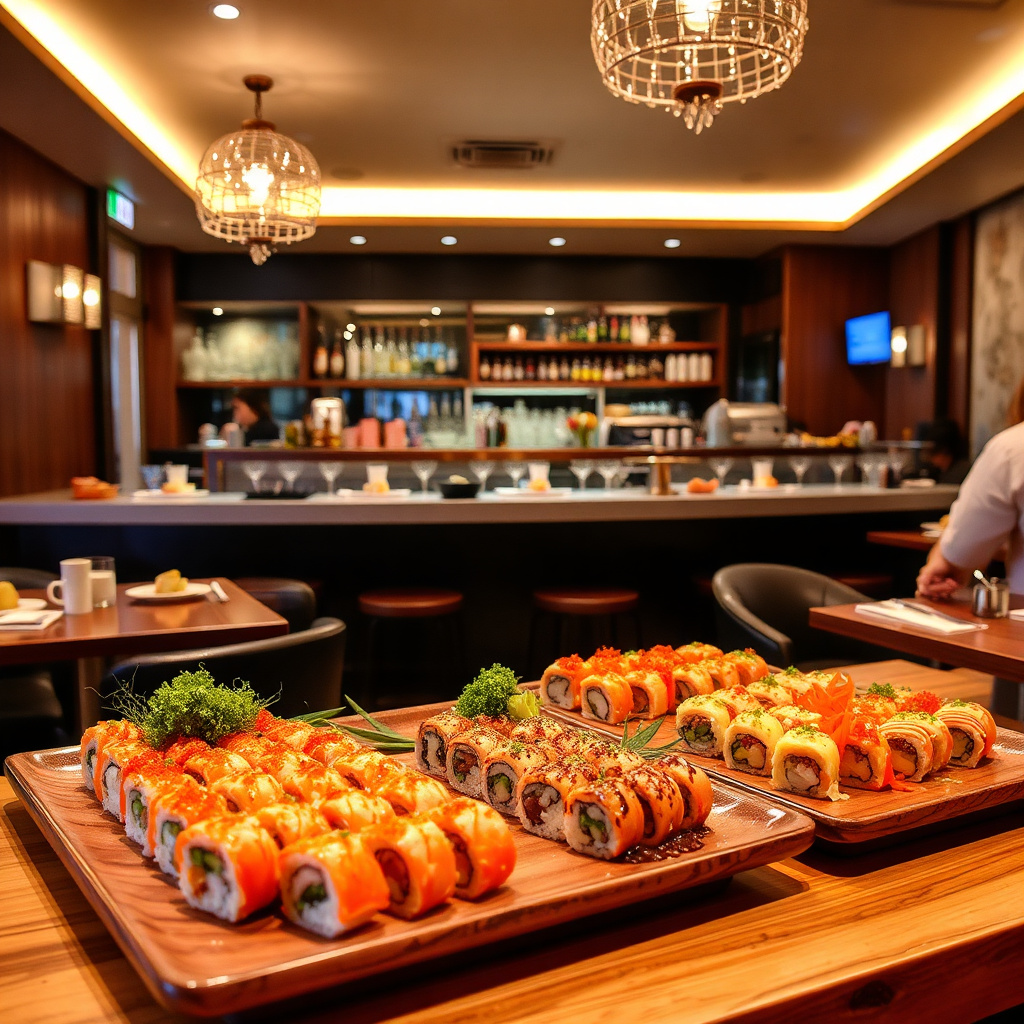
The California roll opened the door for many Americans to enjoy sushi for the first time. Its approachable ingredients and presentation helped destigmatize raw fish dishes, supporting sushi’s transition from niche cuisine to mainstream.
As a result, sushi bars and Japanese restaurants proliferated across the U.S. through the 1980s and beyond, with growing menu diversity inspired by the California roll’s success.
For more on this, see our related guide: California Roll vs Rainbow Roll: Key Differences and Which Sushi to Choose.
Long-Term Cultural and Culinary Effects
Today, the California roll is often considered the gateway sushi dish. It influenced the development of numerous fusion rolls and creative ingredients tailored for Western palates.
Beyond America, it also inspired sushi chefs worldwide to experiment with ingredients and presentation, blending traditions while promoting sushi’s global appeal.
Variations and Modern Takes on the California Roll

Common Variations on the California Roll
Variations include adding spicy mayo, tempura flakes, or substituting crab with shrimp or other seafood. Some rolls add tobiko (flying fish roe) on top for texture and flavor.
Such creative tweaks keep the California roll fresh in sushi menus and cater to evolving tastes.
- Spicy California roll with hot sauce
- Crunchy California roll with tempura flakes
- Rolls topped with tobiko or sesame seeds
Innovations Inspired by the Original Roll
Chefs have adapted the roll with vegan alternatives, such as mock crab and avocado combinations, to serve plant-based diners. Others have experimented with different types of rice and seaweed to balance nutrition and flavor.
These evolutions speak to the original roll’s versatility and influence in the sushi world.
Serving and Pairing Suggestions for California Rolls

Best Dipping Sauces and Complements
Classic soy sauce enhances the umami of the roll, while wasabi adds a spicy kick. Pickled ginger serves as a palate cleanser between bites.
Some prefer spicy mayo or eel sauce for dipping, which complement the creamy and savory flavors of the roll’s ingredients.
- Soy sauce
- Wasabi paste
- Pickled ginger
- Spicy mayo or eel sauce
For more on this, see our related guide: What Is a California Roll? Understanding This Popular Sushi Roll.
Pairing Options for Drinks and Side Dishes
Light, crisp beverages like green tea or chilled sake work well to balance the richness of avocado and crab. For sides, miso soup, seaweed salad, or edamame complete the sushi meal authentically.
Considering balance between flavors and textures can elevate the enjoyment of California rolls in any setting.
- Green tea or chilled sake
- Miso soup
- Seaweed salad
- Steamed edamame
How the California Roll Shaped Sushi Innovation Globally

Influence on Fusion and Western Sushi Styles
The success of the California roll encouraged chefs worldwide to experiment with local ingredients and non-traditional presentations in sushi. This led to the creation of rolls featuring cream cheese, spicy sauces, and cooked fillings.
These innovations expanded sushi’s reach beyond Japan’s cuisine, making it a canvas for culinary creativity.
For more detailed insights on the history and variations of the California roll, you can visit the California roll on Wikipedia. California roll on Wikipedia.
Continued Legacy in Sushi Restaurants Today
The California roll remains a staple on sushi menus internationally, symbolizing sushi’s adaptation and acceptance by diverse diners. It illustrates how traditions can evolve while honoring their origins.
Chefs and home cooks alike continue to draw inspiration from its blend of familiar and exotic elements.
California Roll Versions and Alternatives Comparison
This table compares popular California roll variations and similar sushi options based on ingredients, texture, and popularity.
| Roll Type | Main Ingredients | Texture Profile | Popularity Level |
|---|---|---|---|
| Original California Roll | Crab, avocado, cucumber, rice, nori | Creamy and crunchy | Very High |
| Spicy California Roll | Crab, avocado, spicy mayo, cucumber | Creamy and spicy | High |
| Crunchy California Roll | Crab, avocado, tempura flakes, cucumber | Crunchy and creamy | Moderate |
| Vegan California Roll | Mock crab, avocado, cucumber, rice | Creamy and fresh | Growing |
| Philadelphia Roll | Salmon, cream cheese, cucumber | Creamy and soft | High |
| Dragon Roll | Eel, cucumber, avocado, tempura flakes | Crunchy and savory | Moderate |
Frequently Asked Questions
Who invented the California roll?
Chef Ichiro Mashita is most often credited with inventing the California roll in Los Angeles during the early 1970s as an adaptation for Western tastes.
Why is the California roll called 'inside-out' sushi?
It's called 'inside-out' because the rice is wrapped on the outside of the roll rather than seaweed, making it more approachable for unfamiliar diners.
What ingredients are typically in a California roll?
A California roll usually includes crab or imitation crab, avocado, cucumber, sushi rice, and nori seaweed inside, with rice on the outside.
How did the California roll impact sushi popularity in America?
The California roll helped introduce sushi to American diners by using familiar ingredients and removing raw fish, making sushi more accessible and popular nationwide.
Are there vegan versions of the California roll?
Yes, many vegan versions replace crab with plant-based alternatives and keep avocado and cucumber, appealing to those avoiding animal products.
Key Takeaways
- Chef Ichiro Mashita is widely credited with inventing the California roll in the 1970s.
- The California roll uses cooked or imitation crab, avocado, and cucumber to appeal to Western palates.
- Its inside-out roll style made sushi more accessible in the United States.
- Variations and vegan adaptations continue to keep the roll popular worldwide.
Conclusion
Deciding on the inventor of the California roll involves understanding the cultural and culinary context of 1970s North America where chefs adapted Japanese sushi for Western tastes. Chef Ichiro Mashita is the most commonly recognized creator, credited with the roll’s signature inside-out style and ingredient substitutions. However, other chefs like Hidekazu Tojo also independently developed similar variants, underlining how the roll was a product of innovation responding to new markets. The California roll’s invention marked a turning point, opening the door for sushi’s global acceptance and fusion adaptations in the decades since.
For sushi lovers and culinary explorers, appreciating the inventor’s contributions means recognizing why the California roll remains a gateway dish. Its combination of familiar fillings like avocado and imitation crab supported wider acceptance, while the inside-out technique concealed seaweed’s unfamiliar texture. Today, people enjoy many variations — including the spicy or crunchy California roll, and vegan versions — reflecting ongoing fusion inspired by the original. In different locations, chefs have embraced this roll as a platform for creativity while honoring its roots in making sushi approachable for all palates.
If you are new to sushi or want to try a classic that revolutionized sushi’s American journey, the California roll is a perfect choice. Checking out local sushi restaurants’ versions or attempting homemade rolls offers a delicious way to connect with this history. Learning about who invented the California roll enriches the eating experience, showing how food adapts to culture. Embracing such culinary stories adds flavor beyond the plate and highlights food’s power to unite diverse traditions.




One Comment