What Is Sushi Rice Made Of? Ingredients and Preparation Explained
Sushi rice is made primarily from short-grain Japanese rice that is seasoned with a specific blend of rice vinegar, sugar, and salt. This combination gives sushi rice its distinctive sticky texture and slightly sweet, tangy flavor, essential for authentic sushi. The rice itself must be rinsed thoroughly and cooked precisely to achieve the right consistency.
The quality of sushi rice influences the taste and texture of sushi significantly. Unlike regular rice, sushi rice uses a special variety of japonica rice known for its stickiness, helping it hold together when formed into sushi rolls or nigiri. The vinegar seasoning not only adds flavor but also preserves the rice and provides that classic sushi aroma.
This article will explore the detailed components that make up sushi rice, how it is prepared, and the role each ingredient plays. Additionally, we will discuss selecting the best rice for sushi to ensure your homemade sushi replicates restaurant-quality results.
Understanding the Basics of Sushi Rice Ingredients

The Rice: Short-Grain Japonica Variety
The foundation of sushi rice is the short-grain japonica rice, prized for its high starch content and sticky texture when cooked. Unlike long-grain rice, which is fluffy and separate, short-grain rice clings together, making it ideal for sushi formations.
Choosing the right rice is crucial. Premium sushi rice often comes from Japan or regions with similar temperate climates and careful cultivation, contributing to its desired stickiness and taste. The grains should be pearly white and uniform in size for best results.
Seasoning: Rice Vinegar, Sugar, and Salt
The seasoning mix is what transforms plain cooked rice into sushi rice. Traditional sushi vinegar is a blend of rice vinegar, sugar, and salt. Rice vinegar provides a gentle acidity, while sugar balances it with sweetness, and salt enhances overall flavor.
Amounts vary depending on recipes, but a common ratio for sushi vinegar is about ¼ cup rice vinegar, 2 tablespoons sugar, and 1 teaspoon salt per 2 cups of cooked rice. The mixture is gently folded into hot rice to ensure even absorption without smashing the grains.
Preparing Sushi Rice for Optimal Texture and Taste

Washing and Soaking the Rice
Before cooking, sushi rice must be washed extensively under cold water to remove surface starch. This step prevents the rice from becoming overly sticky or gummy. Typically, the rice is washed until the water runs nearly clear, which can take several rinses.
After washing, soaking the rice in water for 20-30 minutes allows the grains to absorb moisture evenly. This soaking is vital for ensuring a uniform texture after cooking, resulting in plump and tender rice grains.
- Rinse rice 3-6 times until water is clear
- Soak for 20-30 minutes before cooking
Cooking and Seasoning the Rice
Sushi rice is most commonly cooked using a rice cooker or stovetop with a specific water-to-rice ratio, often 1:1.1 or 1:1.2. Overcooking or undercooking will negatively impact texture, so precise timing and heat are key.
Once cooked, the seasoned vinegar mixture is added while the rice is still warm. Using a wooden paddle, the rice is gently mixed with a slicing motion to show the grains and cool it down. This step both seasons and firms the rice, preparing it for sushi assembly.
Variations and Additional Ingredients in Sushi Rice
Using Kombu and Other Flavor Enhancers
Some sushi chefs add kombu, an edible kelp, to the cooking water to subtly enhance the umami flavor of sushi rice. Kombu releases minerals and glutamates that enrich the taste, producing a more complex rice base.
Other optional ingredients might include mirin or sake in the seasoning mix, which add a mild sweetness and depth, though these are less common in traditional recipes.
For more on this, see our related guide: What Is Eel Sauce Made Of? Ingredients and Uses Explained.
Alternatives for Dietary Restrictions
For those avoiding certain ingredients, low-sodium salt or natural sweeteners can replace conventional sugar and salt in the seasoning. Additionally, some may prefer organic or pesticide-free rice varieties, which are increasingly popular for health-conscious sushi preparations.
While traditional sushi rice is best made with short-grain rice, some contemporary recipes use medium-grain alternatives with slight texture differences suitable for fusion sushi dishes.
Selecting the Best Rice for Sushi at Home

Comparing Domestic vs. Imported Japanese Rice
Japanese imported rice often offers superior quality and authenticity but tends to be pricier. Domestic brands may be more affordable and readily available but can vary in stickiness and flavor.
Reading packaging details and reviews can guide selecting best rice for sushi that matches your taste and budget. Specialty Asian markets usually stock reputable sushi rice brands with consistent quality.
- Imported Japanese rice: authentic but costly
- Domestic rice: budget-friendly with some quality variance
Storage Tips to Maintain Rice Quality
Sushi rice should be stored in a cool, dry place in airtight containers to prevent moisture absorption and pests. Proper storage preserves the rice’s freshness and cooking properties over time.
Avoid storing rice near strong-smelling substances, as it can absorb odors. Using rice within a few months of purchase ensures it retains its intended texture for sushi preparation.
- Store in airtight containers
- Keep away from moisture and odors
- Use within a few months of purchase
Common Mistakes to Avoid When Making Sushi Rice
Overcooking or Using the Wrong Water Ratio
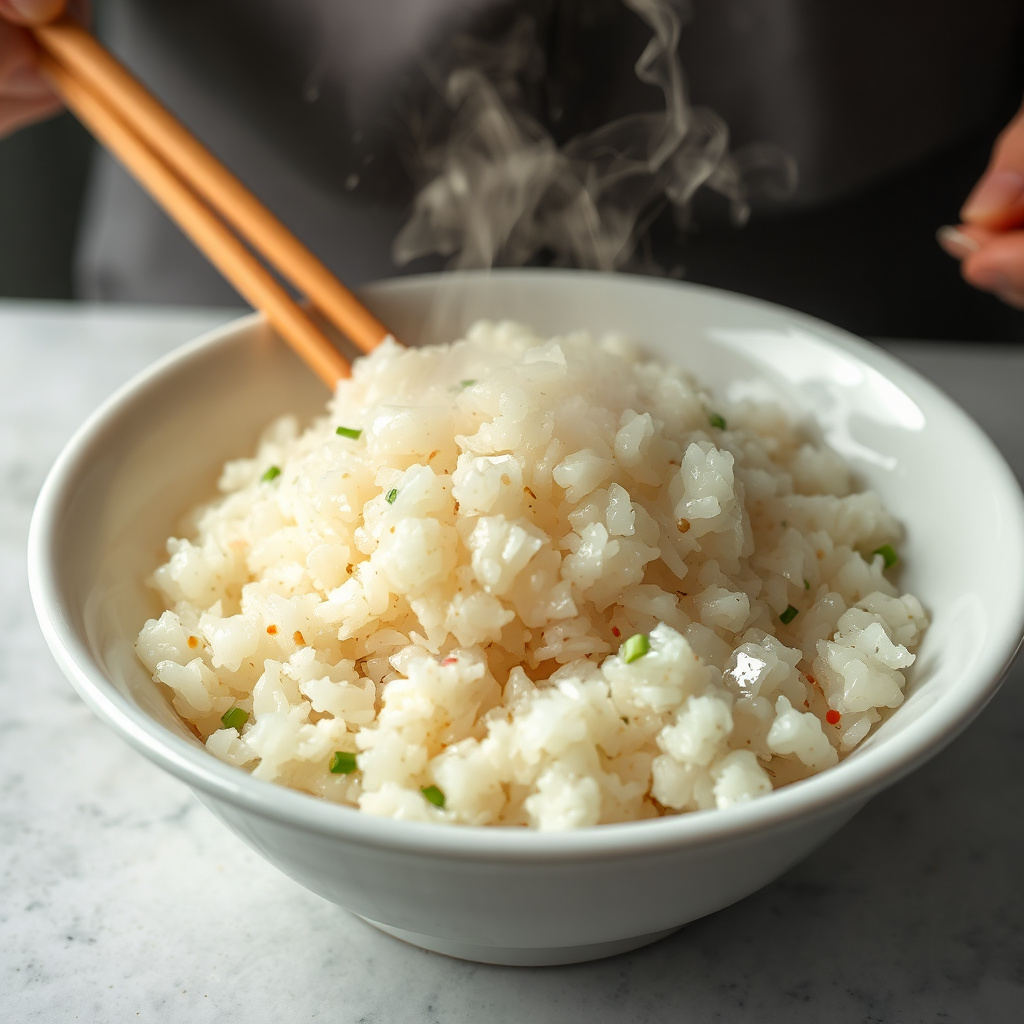
One common error is using too much water, causing mushy sushi rice that loses its characteristic bite. Under-watering can produce rice that's too firm or unevenly cooked.
Following precise water-to-rice ratios and cooking times tailored for short-grain rice helps achieve the best results. Using a rice cooker with a sushi setting simplifies this step for beginners.
For more on this, see our related guide: What Is in a Dragon Roll? Exploring the Ingredients of This Popular Sushi.
Skipping Proper Cooling and Vinegar Mixing Techniques
Mixing sushi vinegar into rice that's too hot or cooling too quickly can make the texture sticky or uneven. The rice should be gently folded and fanned to cool it while seasoning evenly.
Using a wooden paddle or spatula with a slicing motion preserves the grain integrity. Avoid smashing the rice, which causes unpleasant clumping and sogginess.
- Use wooden paddle for mixing
- Cool rice with fanning during seasoning
- Avoid crushing grains
Health and Nutritional Aspects of Sushi Rice

Caloric and Carbohydrate Content
A typical serving of sushi rice provides a significant source of carbohydrates, supplying energy but also contributing to calorie intake. Understanding portion sizes helps in balancing sushi meals within dietary goals.
Compared to other rice types, sushi rice is similar in calories but lower in fiber due to polishing during processing. It's often complemented by protein and vegetables in sushi, balancing the meal nutritionally.
For a more in-depth history and additional details about sushi rice, see the Sushi rice Wikipedia article. Sushi rice Wikipedia article.
Sodium and Sugar Levels in Sushi Vinegar
The seasoning used in sushi rice introduces additional sugar and sodium, which can affect health if consumed in excess. Some recipes adjust these levels with alternative ingredients for those monitoring intake.
Preparing homemade sushi vinegar also allows controlling sweetness and saltiness to suit individual tastes or dietary restrictions, offering a healthier option compared to pre-made mixes.
Comparison of Popular Sushi Rice Varieties
This table compares attributes of commonly used sushi rice varieties to help select the best rice for sushi preparation.
| Rice Variety | Stickiness Level | Flavor Profile | Origin | Price Range |
|---|---|---|---|---|
| Koshihikari | Very high | Sweet and nutty | Japan | High |
| Calrose | High | Mild and slightly sweet | USA (California) | Moderate |
| Sasanishiki | Medium-high | Light and delicate | Japan | High |
| Tamaki Gold | High | Rich and glossy | USA | Moderate |
| Shinriki | Very high | Strong aroma, sweet | Japan | Very High |
Frequently Asked Questions
Can I use long-grain rice for sushi?
Long-grain rice typically lacks the stickiness required for sushi and will result in a loose texture that doesn’t hold well when forming sushi rolls or nigiri.
Why is vinegar added to sushi rice?
Vinegar provides a mild acidity that balances the rice’s sweetness and helps preserve it. It also contributes to sushi rice’s distinctive flavor and aroma.
Is it necessary to use sugar in sushi rice seasoning?
Sugar sweetens the sushi vinegar, balancing its acidity and enhancing flavor. However, some recipes reduce or substitute sugar for dietary reasons.
How should sushi rice be stored after cooking?
Cooked sushi rice should be kept covered at room temperature and used within a few hours to maintain texture. Refrigeration can harden the rice and is generally discouraged.
Can I buy pre-seasoned sushi rice?
Pre-seasoned sushi rice mixes are available but often lack the freshness and precise control over flavor achieved by seasoning rice yourself.
Key Takeaways
- Sushi rice is made from short-grain japonica rice seasoned with a mixture of rice vinegar, sugar, and salt.
- Proper rinsing, soaking, cooking, and mixing techniques are essential to achieve authentic sushi rice texture and flavor.
- Adding kombu or using alternative sweeteners can customize sushi rice to taste and dietary needs.
- Choosing the best rice for sushi involves comparing rice varieties by stickiness, flavor, origin, and price.
Conclusion
Understanding what sushi rice is made of helps anyone aiming to craft sushi at home replicate the texture and taste found in professional sushi bars. It requires selecting short-grain japonica rice and seasoning it with carefully measured rice vinegar, sugar, and salt. Precise preparation steps—from washing and soaking to folding and cooling—shape the final mouthfeel and flavor. These factors, together, define the cornerstone for sushi dishes and worth careful attention.
For those new to making sushi, starting with a reliable rice variety like Koshihikari or Calrose offers an excellent balance of authenticity and availability. Using homemade sushi vinegar mix with adjusted sugar and salt levels allows customization according to taste or health concerns. Those looking for subtle flavor enhancements might consider infusing kombu into the cooking water. Avoid common pitfalls such as improper water ratios or rough mixing methods to maintain the rice's integrity and appearance.
Once informed about sushi rice ingredients and preparation, the next step is practicing the techniques to perfect your rice. Experiment with different rice varieties and seasoning proportions until you discover the combination that suits your palate and sushi style. Preparing sushi rice with attention to its composition ensures that your sushi rolls and nigiri will impress with their classic taste and texture every time.