Rainbow Roll vs Dragon Roll: Which Sushi Roll Should You Pick?
If you're deciding between a rainbow roll vs dragon roll, the key difference lies in their ingredients and presentation: a rainbow roll features assorted sashimi laid atop a California roll, offering a fresh and colorful seafood variety, while a dragon roll is typically topped with eel and avocado, giving it a richer, savory flavor.
These two popular sushi rolls offer distinctly different experiences on your palate, with the rainbow roll emphasizing the freshness of raw fish variety and the dragon roll bringing a smoky, slightly sweet dimension often grilled or broiled. Knowing these traits helps you pick based on your flavor preferences and mood for sushi.
This article will guide you by explaining the characteristics of both rolls, including their typical ingredients, taste profiles, nutritional aspects, and ideal pairings, so you can decide which sushi roll to order next time with confidence.
Origins and Composition of Rainbow Roll vs Dragon Roll

What Makes a Rainbow Roll?
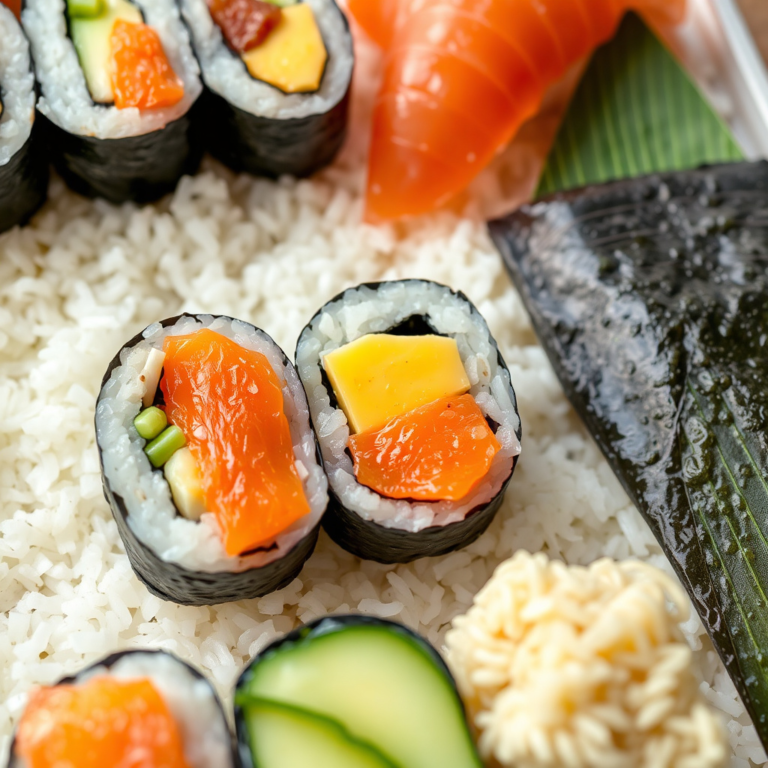
The rainbow roll is an evolution of the California roll, distinguished by an overlay of multiple types of sashimi such as tuna, salmon, yellowtail, and shrimp on top of the maki rice and seaweed base. This design brings both visual appeal and a range of fish textures and flavors in every bite.
Typically, the inside of the rainbow roll contains imitation crab, cucumber, and avocado, offering a creamy and crunchy contrast beneath the colorful sashimi. This roll is often favored by those who enjoy a balance between cooked and raw seafood elements.
Crafting the Dragon Roll
The dragon roll uses eel (unagi or anago) paired with cucumber inside, with slices of avocado artistically arranged on top to mimic dragon scales. The eel is usually broiled and brushed with a sweet soy-based sauce, which imparts a caramelized, smoky flavor distinctive to this roll.
Dragon rolls also often feature decorative touches like thinly sliced cucumber or tobiko (flying fish roe), enhancing both texture and appearance. It pairs well with rich dipping sauces and is appealing to those who enjoy more savory sushi options.
Taste and Texture Profiles: Rainbow Roll vs Dragon Roll

Taste Sensations from the Rainbow Roll
The rainbow roll offers a delicate yet vibrant flavor mix, where the fresh sashimi adds subtle sweetness and a silky texture, complemented by the mild creaminess of avocado and crunch from the cucumber. The crab inside provides a slight briny depth, making it light and refreshing.
This roll’s combination allows diners to experience multiple fish varieties without overpowering richness, ideal for those wanting a clean, fresh tasting sushi with diverse seafood elements.
Flavor and Texture in the Dragon Roll
Dragon rolls present a rich, smoky profile dominated by the tender, glazed eel. The avocado layers on top contribute creaminess while the sweet and savory eel sauce deepens the flavor, creating a decadent sushi treat that’s heavier than the rainbow roll.
The contrasting textures of grilled eel and smooth avocado make this roll satisfying to those preferring bold, umami-rich flavors rather than lighter raw fish options.
Nutritional Considerations for Rainbow Roll and Dragon Roll

Nutritional Benefits of the Rainbow Roll
Rainbow rolls provide higher protein variety owing to the assortment of raw fish, which is often lower in calories and fat compared to cooked options. They are rich in omega-3 fatty acids, vitamins, and minerals providing nutritional boosts relevant for heart health and brain function.
However, the inclusion of imitation crab does add some processed ingredients, so checking with your sushi chef or menu details may be beneficial for those seeking all-natural sources.
For more on this, see our related guide: California Roll vs Rainbow Roll: Key Differences and Which Sushi to Choose.
Caloric and Nutritional Profile of Dragon Roll
Dragon rolls tend to have higher calories and fats due to the eel and sweet sauce coating, making it a richer choice. Despite the higher calorie content, eel is a good source of vitamin A, protein, and healthy fats, which supply essential nutrients.
Avocado also adds beneficial monounsaturated fats, fiber, and potassium, contributing positively to cardiovascular health if consumed in moderation.
Pairing and Presentation Tips for Sushi Rolls

Serving Suggestions for Rainbow Rolls
Rainbow rolls pair excellently with light soy sauces or ponzu that do not overpower the delicate flavors of sashimi. Incorporating a few drops of lemon juice can brighten the taste, complementing the fresh fish.
Opt for mild sake or white wine to accompany this roll, enhancing the fresh seafood without masking subtle flavor nuances.
How to Best Enjoy Dragon Rolls
The dragon roll’s intense flavors are balanced by low-sodium soy sauce or a touch of wasabi. Slices of pickled ginger cleanse the palate between bites to reset the taste buds from the richness of eel.
Full-bodied beverages like Japanese plum wine or a dry red wine can contrast nicely with the sweet and smoky notes of this roll.
Choosing Between Rainbow Roll and Dragon Roll Based on Occasion

When to Choose Rainbow Roll
Rainbow rolls make a great choice for light lunches or when you want a colorful, refreshing sushi experience with varied textures. Their balance of raw fish and crab fits well at social gatherings where lighter fare is appreciated.
They also accommodate some new sushi eaters who might prefer more recognizable raw fish varieties like salmon or tuna paired inside familiar crab meat.
For more on this, see our related guide: How Many Calories in a Dragon Roll: A Nutritional Breakdown.
Ideal Occasions for Dragon Roll
Dragon rolls are fitting for dinners or special sushi tastings when richer, more robust flavors are desired. They shine as a centerpiece roll showcasing culinary artistry with elaborate presentation and sauce glazing.
For fans of cooked eel and creamier textures, selecting a dragon roll adds a decadent element to the sushi meal that’s satisfying after a long day.
Variations and Regional Differences in Rainbow and Dragon Rolls

Popular Variations of Rainbow Rolls
Some restaurants add tropical fruits like mango or use different fish varieties such as snapper or mackerel to customize the rainbow roll’s flavor and color palette. Vegan adaptations replace sashimi with colorful vegetables or tofu.
These variations allow diners to experience new textures and tastes while maintaining the fundamental concept of layered vibrant toppings on California roll foundations.
For more details on sushi roll types and their histories, the sushi roll varieties overview is an informative resource. sushi roll varieties overview.
Distinctive Dragon Roll Styles
Dragon rolls sometimes include spicy mayo or tempura flakes inside for extra texture. In some regions, shrimp tempura replaces eel for a crunchy twist, while others layer thin slices of cucumber over the avocado for added freshness on top.
Adjusting sauces or toppings like tobiko also creates different expressions within the traditional dragon roll presentation.
Rainbow Roll vs Dragon Roll: Sushi Roll Comparison
Here’s a side-by-side comparison to highlight key differences and help you decide which sushi roll suits your preferences.
| Feature | Rainbow Roll | Dragon Roll |
|---|---|---|
| Main Protein | Variety of sashimi (e.g., tuna, salmon, shrimp) | Broiled eel (unagi) and avocado |
| Texture | Silky raw fish, creamy avocado, crunchy cucumber | Tender eel, creamy avocado, slightly glazed |
| Flavor Profile | Fresh, light, subtly sweet | Smoky, savory, sweet sauce |
| Typical Sauce | Light soy or ponzu | Sweet eel sauce |
| Calories (estimate) | 300-350 per roll | 400-450 per roll |
| Occasions | Casual or light meals | Special dinners or richer meals |
Frequently Asked Questions
Is the rainbow roll good for sushi beginners?
Yes, the rainbow roll is ideal for beginners as it combines familiar flavors like crab and avocado with mild raw fish, making it accessible and not too overwhelming.
Does the dragon roll contain raw fish?
Typically, dragon rolls feature cooked eel rather than raw fish, which gives them a smoky, rich flavor different from raw sashimi rolls.
Which roll is higher in calories, rainbow or dragon?
The dragon roll is usually higher in calories due to the broiled eel and sweet sauce, while the rainbow roll tends to be lighter with raw fish and less sauce.
Can I find vegan versions of rainbow or dragon rolls?
Yes, many sushi restaurants offer vegan adaptations using vegetables or tofu substitutes that mimic the colors and textures of the traditional rainbow and dragon rolls.
What beverages pair well with these sushi rolls?
Rainbow rolls pair well with light sake or white wine, while dragon rolls complement fuller-bodied drinks like plum wine or dry reds due to their richer flavor.
Key Takeaways
- Rainbow roll offers fresh sashimi variety atop a California roll base, ideal for light, refreshing sushi.
- Dragon roll features broiled eel and avocado with a sweet glaze, providing richer, smoky flavors.
- Nutritional profiles differ, with dragon roll having more calories and fats from eel and sauce.
- Choosing between these rolls depends on your preference for either light raw fish or savory cooked eel.
Conclusion
Deciding between a rainbow roll vs dragon roll ultimately comes down to your flavor preference and the dining context. The rainbow roll showcases a colorful selection of fresh sashimi atop a mild base, emphasizing clean flavors and a lighter profile. Meanwhile, the dragon roll presents a decadent option with broiled eel and a sweet soy glaze, perfect for those who enjoy rich, umami-packed sushi. Understanding these characteristics provides clarity on which roll will satisfy your sushi cravings in various settings.
For everyday sushi meals or when sharing with friends who prefer fresh tastes, the rainbow roll is excellent choices. They are also great if you want to taste multiple fish types in one roll. If you want a more indulgent, savory experience that accented by creamy avocado and savory eel sauce, the dragon roll serves well on special occasions or dinners. Both rolls are commonly available and offer distinct enjoyable experiences depending on your mood and appetite.
If you're new to sushi, starting with a rainbow roll can gently introduce you to raw fish complexity. For those familiar with sushi and seeking bolder flavors, trying a dragon roll expands your palate with its distinctive texture and taste. Next time you visit a sushi restaurant, consider what flavor direction appeals most and order accordingly—both rolls are satisfying, but their contrasts make choosing one a delightful decision based on your personal tastes.


One Comment