Is Sushi Safe to Eat? What You Need to Know About Sushi Safety
Yes, sushi is generally safe to eat when sourced from reputable restaurants or prepared properly at home. The risk of foodborne illnesses can be minimized by ensuring the fish is fresh, handled hygienically, and stored at correct temperatures. Most sushi-grade fish are frozen before serving to kill parasites.
Understanding sushi safety matters because sushi involves raw or lightly cooked seafood, which can carry bacteria or parasites if mishandled. As sushi’s popularity grows worldwide, knowing the right precautions helps you enjoy this delicacy without unnecessary worry about potential contamination.
This article will explore various aspects of sushi safety: identifying fresh sushi, risks involved, how restaurants maintain quality, tips for safe home preparation, and how to spot signs of unsafe sushi. You’ll also find comparisons of common sushi types and answers to frequently asked questions.
Understanding Sushi Safety Basics

What Makes Sushi Safe to Eat?
Sushi safety primarily depends on the quality and handling of ingredients, especially the fish. Sushi-grade fish is usually frozen to -20°C (-4°F) or lower for at least 7 days to kill parasites. Clean preparation areas and proper temperature control during storage further reduce risks.
Consumers should also look for clear indicators such as bright, translucent fish flesh, a mild sea smell (not fishy), and firm texture. Reliable sushi establishments follow strict hygiene protocols including rapid refrigeration and avoiding cross-contamination.
- Use of frozen fish to eliminate parasites
- Strict refrigeration before serving
- Sanitary handling and preparation
- Visual and sensory freshness checks
Common Health Risks Associated with Sushi
Raw fish can harbor bacteria like Salmonella, Listeria, or parasites such as Anisakis if not treated correctly. These pathogens may cause food poisoning or allergic reactions in some individuals. Cross-contamination with surfaces or utensils is another potential risk factor.
Though rare, people with weakened immune systems, pregnant women, or the elderly should be cautious, as their ability to fight infections is lower. Proper handling significantly reduces these concerns and allows healthy individuals to safely enjoy sushi.
- Bacterial contamination risks
- Parasitic infections
- Cross-contact with allergens
- Higher risk groups include pregnant women and immunocompromised individuals
How Restaurants Ensure Sushi Safety

Sourcing and Storage Practices
Reputable sushi restaurants source their fish from certified suppliers who adhere to handling standards. Fish is often frozen immediately after catch and transported under controlled conditions. Once received, fish is stored in refrigeration units maintaining temperatures below 4°C (39°F).
Restaurateurs frequently inspect deliveries for freshness and monitor expiration dates closely. Frozen fish thawing is done carefully to avoid bacterial growth, and any fish showing discoloration or off odors is discarded.
- Certified suppliers with sushi-grade fish
- Strict refrigeration and freezing schedules
- Visual and olfactory freshness inspections
- Discarding compromised fish
Hygiene and Staff Training
Sushi chefs undergo training to understand safety protocols like handwashing, utensil sanitation, and avoiding cross-contamination. Using separate cutting boards for raw fish and vegetables reduces microbial transfer.
Daily cleaning routines of work surfaces, knives, and sushi rice containers help maintain a sterile environment, making the sushi safer to eat.
- Regular handwashing and glove use
- Separate utensils for different ingredients
- Routine surface and tool sterilization
- Employee training on hygiene standards
Home Preparation: How to Eat Sushi Safely

Selecting Fish and Ingredients
When preparing sushi at home, purchase fish labeled as ‘sushi-grade’ or ‘sashimi-grade’ from trusted vendors. Inspect the fish for fresh characteristics—bright color, no discoloration, and no strong odor. Avoid thawing fish at room temperature to prevent bacterial growth.
Other ingredients, like seaweed and rice, should be fresh and stored in airtight containers. Vegetables must be washed thoroughly before use.
- Buy sushi-grade fish from reputable stores
- Check fish freshness indicators
- Keep ingredients refrigerated until use
- Thoroughly rinse vegetables
For more on this, see our related guide: How to Reheat Sushi Safely and Maintain Freshness.
Safe Handling and Preparation Tips
Wash hands with warm water and soap before starting. Use clean cutting boards and knives, ideally separate from those used for other raw foods. Prepare sushi quickly and refrigerate leftovers promptly to minimize bacterial growth.
Avoid leaving raw fish at room temperature for over two hours. Discard any sushi if it develops a sour or strong fishy smell after preparation.
- Maintain personal hygiene when handling food
- Use clean, separate utensils
- Serve sushi immediately or refrigerate
- Discard sushi showing spoilage signs
Different Types of Sushi and Their Safety Profiles
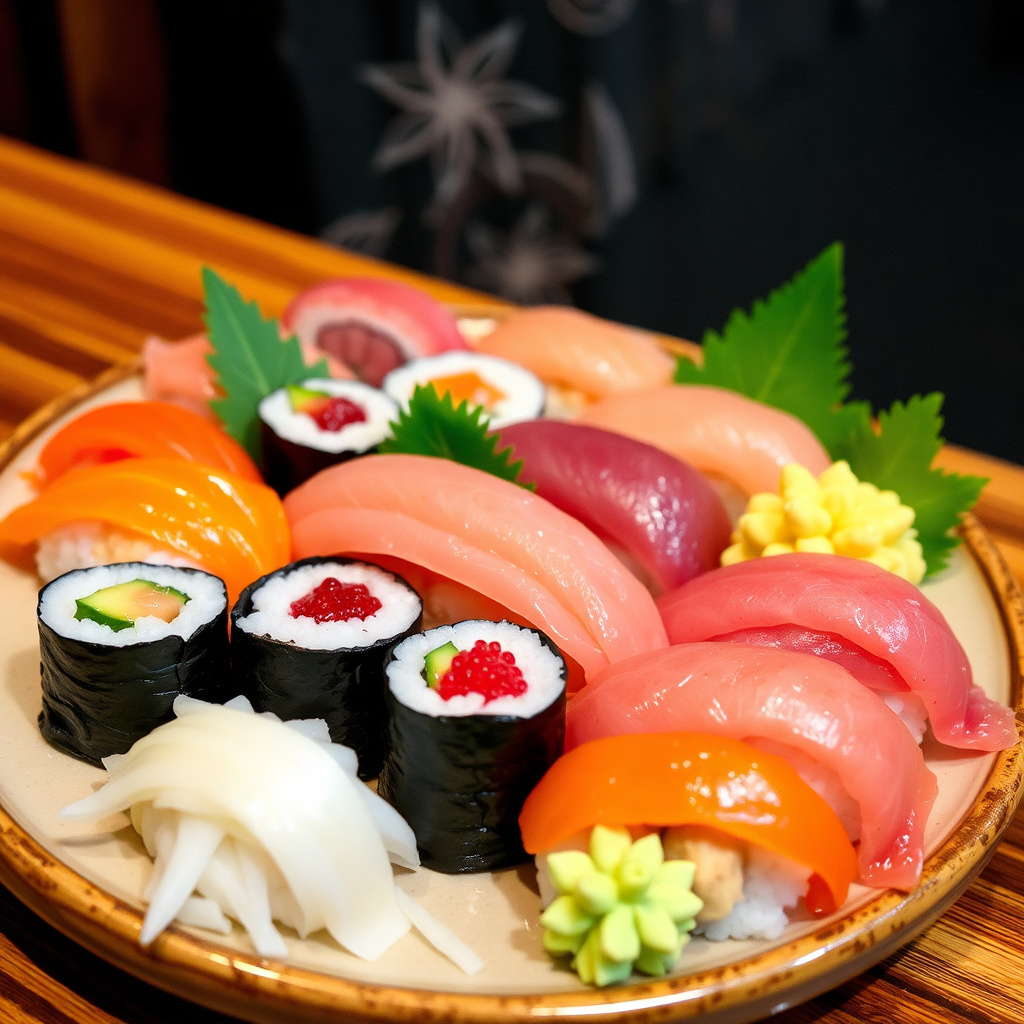
Raw vs. Cooked Sushi Varieties
Raw sushi, such as sashimi and nigiri, carry a higher risk if the fish isn't handled correctly, as they are served uncooked. Cooked sushi, like eel or tempura rolls, are generally safer but still require careful preparation to prevent contamination.
Vegetarian sushi options and those with cooked seafood reduce exposure to raw fish risks, making them suitable alternatives for concerned consumers.
- Raw sushi: higher risk if not fresh or frozen properly
- Cooked sushi: safer but hygiene is still critical
- Vegetarian sushi: minimal risk
- Consider personal health when choosing types
Assessing Specialty and Fusion Sushi
Specialty and fusion sushi may include uncommon ingredients like raw shellfish or unusual sauces. These can introduce additional risks such as allergens or bacterial growth if not fresh or handled well.
Consumers should ask about ingredient sources and preparation methods when ordering unfamiliar sushi types to ensure safety.
- Uncommon raw ingredients may increase risk
- Allergen awareness critical for sensitive individuals
- Check preparation method transparency
- Prefer establishments with clear safety practices
Recognizing Signs of Unsafe Sushi
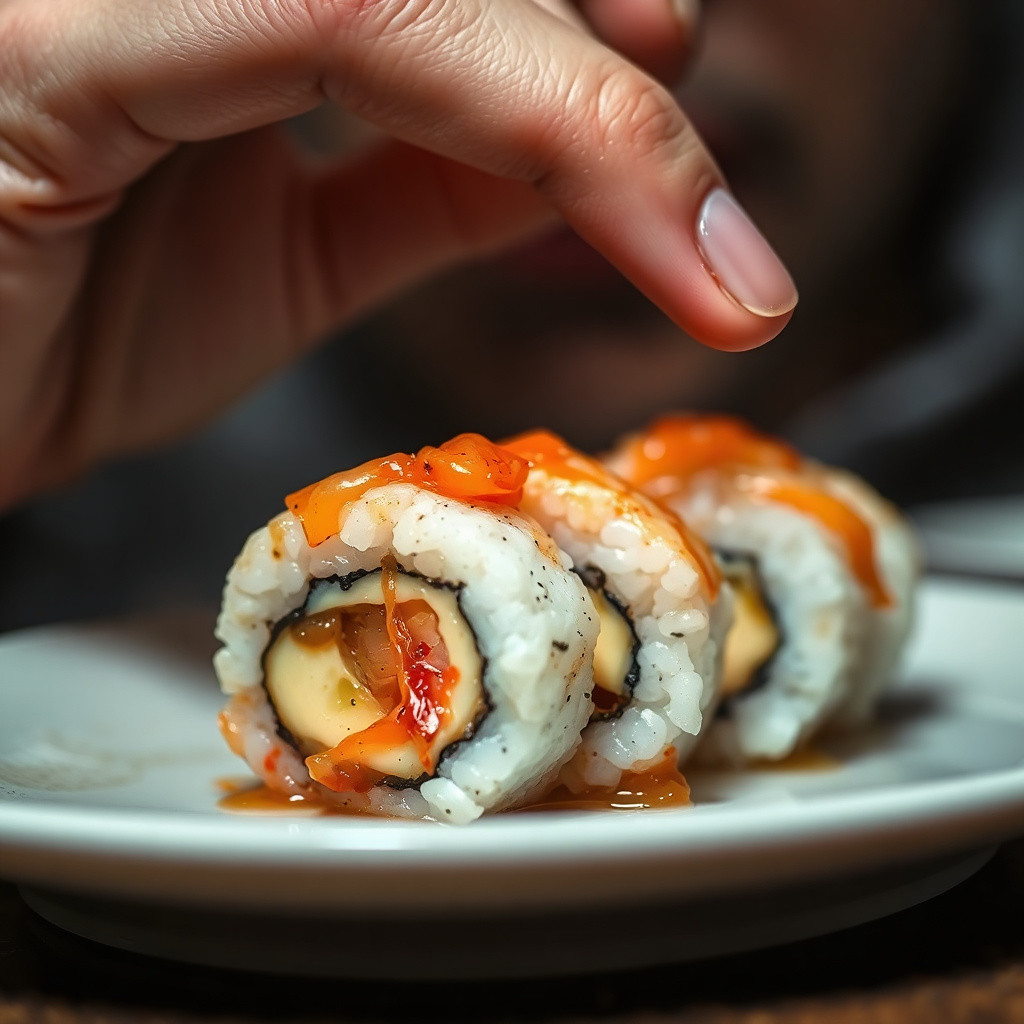
Visual and Sensory Indicators
Unsafe sushi may appear dull, discolored, or slimy rather than fresh and shiny. A strong or sour fishy smell is a definite warning sign. The texture can also feel mushy instead of firm and elastic.
Spotting differences early encourages avoiding consumption before symptoms of food poisoning develop.
- Dull, faded or brownish fish color
- Slimy or sticky surface
- Strong fishy or sour odor
- Soft or mushy texture
For more on this, see our related guide: Is Sushi Raw Fish? Understanding What Sushi Really Means.
When to Avoid Eating Sushi
Avoid sushi when you experience any doubt about its freshness or quality. If purchased from unfamiliar sources with unknown handling practices, err on the side of caution. Also, those with pregnancy or immune issues should consult healthcare advice before consuming raw seafood.
If after eating sushi you experience nausea, vomiting, diarrhea, or stomach cramps, seek medical attention as these may signal foodborne illness.
- Suspected poor freshness or handling
- High-risk health conditions
- Symptoms of possible food poisoning after eating
- Unknown sushi source credibility
Understanding Sushi Safety in Different Cultures

Traditional Japanese Practices
In Japan, sushi preparation follows centuries-old customs emphasizing freshness and precision hygiene. Fish is often prepared using specific freezing techniques to prevent parasites. Master chefs undergo rigorous training in safe handling and knife skills.
This cultural respect for food safety enhances consumer confidence and helps maintain sushi’s reputation as a safe delicacy.
- Generations of experience in fish handling
- Freezing fish to kill parasites
- Chef apprenticeship and training
- Meticulous hygiene standards
For additional details on sushi’s history and preparation methods, you can visit the Sushi page on Wikipedia. Sushi on Wikipedia.
Global Adaptations and Safety Concerns
As sushi spreads worldwide, adaptations may introduce variations in ingredient sourcing and preparation. Some countries have stricter regulations than others on seafood safety, which affects sushi safety standards.
Consumers should check local restaurant reviews and food safety certifications when trying sushi abroad to reduce risk.
- Varying food safety regulations internationally
- Differences in ingredient availability
- Importance of choosing certified vendors
- Cultural differences in preparation methods
Sushi Types Safety Comparison
Here's an overview comparing the safety profiles of common sushi varieties, helping you pick the best option for your preferences and health concerns.
| Sushi Type | Raw or Cooked | Typical Risk Level | Suitability for Sensitive Groups |
|---|---|---|---|
| Sashimi | Raw | Higher | Not recommended |
| Nigiri | Raw fish on rice | Medium | Use caution |
| Maki Rolls | Varied (raw/cooked) | Variable | Depends on ingredients |
| Cooked Sushi (Eel, Tempura) | Cooked | Lower | Generally safe |
| Vegetarian Sushi | Cooked/No fish | Lowest | Safe for all |
| Specialty/Fusion Sushi | Varied | Variable | Check ingredients |
Frequently Asked Questions
Is it safe to eat sushi every day?
Eating sushi daily increases exposure to potential contaminants. Moderation is best, and vary your diet to reduce risk. Ensure fish quality and freshness when consuming frequently.
How does freezing fish make sushi safer?
Freezing fish at very low temperatures kills parasites that may be present, greatly reducing the risk of infections from raw fish in sushi.
Can pregnant women eat sushi safely?
Pregnant women are advised to avoid raw fish sushi due to risks of listeriosis and parasites. Cooked or vegetarian sushi options are safer alternatives.
What are signs of fish not safe for sushi?
Signs include a strong sour or ammonia-like odor, discolored or slimy flesh, and a mushy texture. Such fish should be avoided.
Does soy sauce affect sushi safety?
Soy sauce itself does not impact safety but adding excessive soy sauce to compromised sushi won’t reduce bacterial or parasitic risks.
Key Takeaways
- Sushi safety depends on fish freshness, handling, and storage.
- Freezing fish reduces parasite risk significantly.
- Cooked and vegetarian sushi offer safer alternatives.
- Careful preparation and hygiene minimize foodborne risks.
Conclusion
Deciding whether sushi is safe to eat boils down to how the fish and ingredients are sourced and handled. Understanding these factors helps consumers trust the quality of their sushi and avoid illness. Ensuring reputable sourcing, proper freezing, and hygienic preparation leads to a safer sushi experience. The main keyword appears here once as part of summarizing the article's approach.
For those new to sushi or concerned about raw fish risks, beginning with cooked sushi varieties or vegetarian rolls is a good strategy. Established restaurants with clear fish handling protocols provide confidence for sashimi or nigiri fans. Additionally, home cooks can enjoy sushi safely by selecting certified sushi-grade fish and following hygienic preparation steps described earlier.
If you want to enjoy sushi confidently, start by choosing trusted vendors and learning signs of freshness. Gradually add more adventurous sushi types as you gain experience. Regularly checking for updates on seafood safety also helps keep your sushi experiences safe and enjoyable.



One Comment