How to Make Chinese Food Less Salty Without Losing Flavor
If you find traditional Chinese dishes too salty for your taste, there are straightforward techniques you can use to make Chinese food less salty without sacrificing its rich flavors. Simple adjustments during cooking and serving can transform the experience significantly.
Saltiness often results from soy sauce, fermented products, or added salt. Balancing salty elements with fresh ingredients and mindful seasoning helps maintain the vibrant taste that defines Chinese cuisine while adjusting salt levels to suit your preference.
This article explores practical methods such as ingredient substitutions, cooking techniques, and balancing flavors that help reduce salt in Chinese cooking safely. You'll also learn about key ingredients and seasoning tips to keep your dishes flavorful and enjoyable.
Understanding Salt Sources in Chinese Food

Common High-Sodium Ingredients
Soy sauce, oyster sauce, fermented black beans, and salted fish are primary contributors to saltiness in many Chinese dishes. These ingredients bring umami but can quickly raise sodium content if used excessively.
Being aware of their salt content helps you moderate their use. For example, light soy sauce contains less salt than dark soy sauce, and fresh ginger or garlic can substitute some fermented flavors.
- Soy sauce (light vs. dark varieties)
- Oyster sauce
- Fermented black beans
- Salted fish and preserved meats
Role of Added Salt vs. Sauces
Besides sauces, cooks sometimes add salt or MSG to enhance flavor, often causing the dish to become overly salty. Reducing added salt is one of the simplest ways to control saltiness.
Choosing lower-sodium condiments or using alternative seasoning like fresh herbs, citrus, or spices can achieve flavor complexity without relying heavily on salt.
Ingredient Substitutions to Lower Salt

Using Low-Sodium Alternatives
Low-sodium soy sauce is widely available and can reduce the saltiness by up to 40% without altering a recipe's overall profile significantly.
Additionally, tamari or naturally brewed soy sauces often have less sodium and can provide richer flavor. Diluting soy sauce with water or broth is another effective trick.
- Use low-sodium soy sauce
- Try tamari sauce
- Dilute sauces with broth or water
Incorporating Fresh Ingredients
Fresh vegetables like bok choy, snow peas, and Chinese broccoli help absorb and balance salty flavors. Citrus juices such as lime or orange add brightness, offsetting saltiness naturally.
Fresh ginger, garlic, and scallions provide aromatic depth that can reduce reliance on salty condiments without compromising taste.
- Add more fresh vegetables
- Use citrus juice for brightness
- Flavor with ginger, garlic, and scallions
Cooking Techniques to Manage Saltiness

Balancing Flavors During Cooking
Adding salty ingredients gradually allows better control. Tasting frequently and stopping before the dish is too salty prevents over-seasoning.
In stir-fries, quickly cooking ingredients over high heat keeps fresh flavors vibrant, making it easier to rely less on salt-heavy sauces.
- Add salty sauce incrementally
- Taste often during cooking
- Use high heat for fresh flavor
For more on this, see our related guide: How to Make Ramen: A Step-by-Step Guide to Perfect Homemade Ramen.
Diluting and Adjusting Post-Cooking
If a dish turns out too salty, you can balance it by adding unsalted broth, more vegetables, or a splash of vinegar to mellow the salt.
Serving with plain rice or noodles also helps balance salty dishes and makes them more palatable without changing the recipe.
- Add unsalted broth or water
- Include more fresh vegetables
- Add vinegar or citrus
- Serve with plain rice or noodles
Balancing Salt with Other Flavors

Using Acidity and Sweetness
Acidic ingredients like black vinegar or rice vinegar brighten the palate and counteract excess saltiness. Similarly, mild sweetness from a bit of honey or sugar can create a harmonious balance.
This flavor balancing means you can use less soy sauce or salt while keeping the dish complex and enjoyable.
- Black or rice vinegar
- Honey or sugar for sweetness
Incorporating Aromatic Herbs and Spices
Chinese five-spice, star anise, and fresh herbs add layers of flavor that distract from saltiness or reduce the need for salty condiments.
Spices also enhance taste intensity, allowing lower salt usage while keeping dishes flavorful.
- Chinese five-spice powder
- Star anise
- Fresh cilantro or basil
Serving Strategies to Reduce Perceived Salt

Pairing with Neutral Side Dishes
Serving salty dishes alongside plain steamed rice or mild vegetable dishes naturally dilutes saltiness per bite, making meals more balanced.
Avoiding salt-heavy appetizers or sides helps keep the overall sodium intake in check.
- Steamed plain rice
- Mild vegetable sides
- Avoid salty appetizers
For more on this, see our related guide: How to Make Gyoza: A Step-by-Step Guide to Perfect Japanese Dumplings.
Adjusting Portion Sizes
Smaller servings of salty dishes complemented by larger quantities of fresh or plain foods reduce overall salt consumption without compromising enjoyment.
This technique works well in family-style eating common in Chinese meals.
- Serve smaller portions
- Increase fresh vegetable servings
Storing and Preparing Sauces to Control Salt
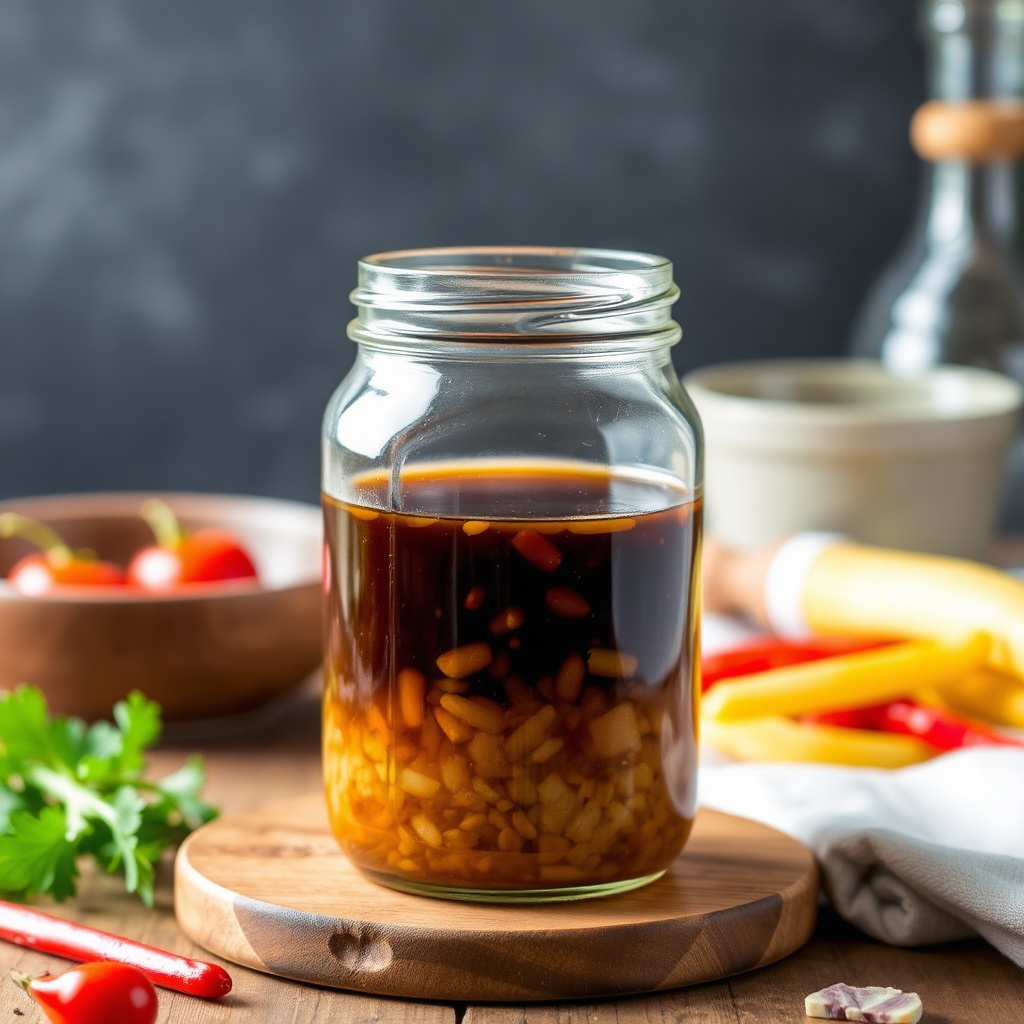
Making Homemade Low-Sodium Sauces
Preparing your own soy sauce blends lets you control salt levels by mixing low-sodium soy sauce with broth or water alongside fresh aromatics.
Homemade sauces avoid preservatives and can be tailored to taste, reducing overall salt in recipes.
- Mix low-sodium soy sauce with broth
- Add fresh garlic and ginger
- Avoid store-bought high-salt sauces
To understand more about the role and varieties of soy sauce in cooking, you can visit the Soy sauce Wikipedia page. Soy sauce Wikipedia page.
Proper Storage to Prevent Salt Concentration
Storing sauces in airtight containers prevents evaporation that can concentrate saltiness over time.
Regularly shake or stir sauces before use to keep salt evenly distributed.
Comparison of Techniques to Make Chinese Food Less Salty
This table highlights different methods to reduce salt in Chinese cooking, showing their ease of use, flavor impact, and suitability for various dishes.
| Technique | Ease of Implementation | Flavor Preservation | Best For |
|---|---|---|---|
| Use low-sodium soy sauce | Easy | High | Stir-fries, sauces |
| Dilute sauces with broth/water | Moderate | Good | Soups, braises |
| Add fresh citrus or vinegar | Easy | High | Marinades, cold dishes |
| Balance with sweetness | Moderate | Moderate | Sauces, glazes |
| Serve with neutral sides | Very easy | N/A | Entire meals |
| Make homemade sauces | Harder | Very High | All dishes |
Frequently Asked Questions
Can I use sugar to reduce saltiness in Chinese food?
A small amount of sugar adds sweetness that balances saltiness without directly reducing sodium, helping dishes taste less salty but not lowering actual salt content.
Is low-sodium soy sauce a good replacement for regular soy sauce?
Yes, low-sodium soy sauce typically has 40% less salt and works well as a substitute in most recipes without sacrificing too much umami flavor.
What fresh ingredients help reduce perceived saltiness?
Vegetables like bok choy, snow peas, and aromatics like ginger, garlic, and scallions help balance saltiness by adding freshness and complexity.
How does serving plain rice help with saltiness?
Plain rice acts as a neutral base that dilutes saltiness in each bite, making salty dishes more enjoyable and moderating sodium intake during meals.
Can vinegar reduce saltiness in Chinese dishes?
Yes, a splash of vinegar brightens flavors and counteracts saltiness, making it a useful tool to balance salty dishes without altering the intended taste.
Key Takeaways
- Saltiness mostly comes from soy sauce and fermented condiments in Chinese food.
- Low-sodium soy sauce and fresh ingredients reduce salt without losing flavor.
- Cooking methods like slow addition and dilution help manage salt levels effectively.
- Serving with rice or mild sides balances salty dishes naturally.
Conclusion
Cooking Chinese food with less salt involves understanding where saltiness originates and using careful seasoning techniques to control it. By identifying main salty components such as soy sauce and fermented ingredients, home cooks can reduce salt at the source while maintaining the integrity of traditional flavors. Being mindful during food preparation and tasting frequently helps prevent over-salting, protecting both flavor and health. These approaches make it possible to enjoy Chinese dishes in a way that suits individual dietary needs without losing their characteristic taste.
For those aiming to lower salt intake while enjoying Chinese cuisine, starting with low-sodium soy sauce or diluting sauces with broth offers a practical first step. Incorporating fresh aromatics and vegetables provides natural balance. Flavor adjustments through acidity and sweetness further enhance enjoyment without additional salt. Serving salty dishes alongside plain rice or vegetable sides reduces perceived saltiness effectively in meal settings. More ambitious cooks can experiment with homemade low-sodium sauces tailored to personal taste. Each option offers a path to healthier, flavorful meals tailored to your preferences.
Ultimately, making Chinese food less salty is about subtle changes rather than drastic recipe overhauls. Begin by trying low-sodium soy sauce and adding fresh ingredients to your favorite recipes. Taste and adjust seasoning gradually throughout cooking. Remember to pair dishes with neutral sides like steamed rice to moderate salt concentration. Over time, these small techniques collectively create meals that are both satisfying and balanced in sodium. Taking these steps encourages mindful cooking habits and promotes healthier dining experiences without sacrificing the enjoyment of authentic Chinese flavors.




One Comment