How to Make Temaki Hand Roll: Step-by-Step Guide for Perfect Sushi Rolls
Making a temaki hand roll is straightforward and rewarding. Start with fresh sushi rice and nori sheets, then layer your favorite fillings like raw fish, vegetables, and seasonings, rolling them into a cone shape by hand. This process lets you enjoy sushi with minimal equipment and fun customization.
Temaki holds its charm because it’s quick to prepare, visually appealing, and offers a tactile way to experience sushi different from traditional rolls. Whether dining alone or hosting a party, hand rolls bring an interactive element to your meal that’s both informal and flavorful.
This article will cover the necessary ingredients, how to prepare sushi rice properly, selecting and preparing fillings, techniques for rolling temaki sushi, troubleshooting common issues, and tips for serving and storing your hand rolls.
Ingredients Required for Temaki Hand Roll

Choosing the Right Sushi Rice
Sushi rice is fundamental to a successful temaki hand roll. Use a short-grain Japanese rice variety for the sticky texture needed to hold the roll together. After cooking, season promptly with a mixture of rice vinegar, sugar, and salt to achieve the characteristic flavor and sheen.
Avoid alternatives like long-grain or basmati rice, as they don’t bind properly and can fall apart during eating. Proper rinsing before cooking also matters to remove excess starch and prevent mushiness.
- Short-grain Japanese rice
- Rice vinegar
- Sugar and salt for seasoning
Selecting Fresh Fillings
Typical temaki fillings include sashimi-grade fish such as tuna, salmon, or yellowtail, along with vegetables like cucumber, avocado, and scallions. For those preferring cooked options, crab meat, tempura, or smoked fish also work well. Freshness is key for both taste and safety.
In addition to protein and veggies, condiments like wasabi, spicy mayo, and pickled ginger can add flavor layers. Use moderate amounts to balance rather than overpower the hand roll.
- Sashimi-grade fish
- Cucumber and avocado slices
- Spicy mayo or wasabi
Preparing Sushi Rice for Temaki Hand Roll

Cooking and Seasoning Sushi Rice
Start by thoroughly rinsing the rice to remove surface starch. Use a rice cooker or pot with tight-fitting lid, adhering to a 1:1.2 rice to water ratio for best results. Once cooked, transfer the rice to a wooden or wide non-metal bowl to cool.
While rice is still warm, gently fold in sushi vinegar mixture (rice vinegar, sugar, salt). Avoid stirring too vigorously to retain rice grain integrity. Fan the rice while mixing to cool quickly and develop shine.
- Rinse rice until water runs clear
- Use correct water ratio
- Mix in vinegar seasoning gently
For more on this, see our related guide: How to Make Maki Roll: A Step-by-Step Guide to Perfect Sushi Rolls.
Cooling and Storing Sushi Rice
After seasoning, keep the rice covered with a damp cloth to maintain moisture until ready to assemble hand rolls. Sushi rice deteriorates quickly if left at room temperature too long; ideally use within 2-3 hours.
If storing longer, refrigerate in an airtight container but realize cold rice will harden, so reheat briefly before use to regain stickiness.
- Cover rice with damp cloth
- Use within a few hours
- Reheat if refrigerated
Step-by-Step Temaki Hand Roll Technique

Preparing the Nori Sheet
Use full-size nori sheets designed for sushi hand rolls. Cut them into halves if smaller cones are desired. Keep nori dry and crisp for better rolling and texture.
Place the shiny side down, rough side up on a flat surface. This orientation helps the roll hold together and provides a slight textural contrast.
- Full or half nori sheets
- Place shiny side down
- Handle carefully to avoid tearing
Assembling and Rolling Temaki
Spread a thin layer of sushi rice on one corner of the nori sheet, leaving edges free for sealing. Add your preferred fillings diagonally over the rice. Fold the nori corner over the fillings, then roll into a cone shape by bringing the edges together.
Seal the edge with a moist finger to help the nori stick; avoid overfilling to prevent bursting. While temaki is best eaten fresh, you can wrap the base with a strip of plastic wrap to hold shape temporarily.
- Use thin rice layer
- Add fillings diagonally
- Roll into a tight cone
- Seal edge with moisture
Common Problems and How to Fix Them
Nori Softening or Tearing
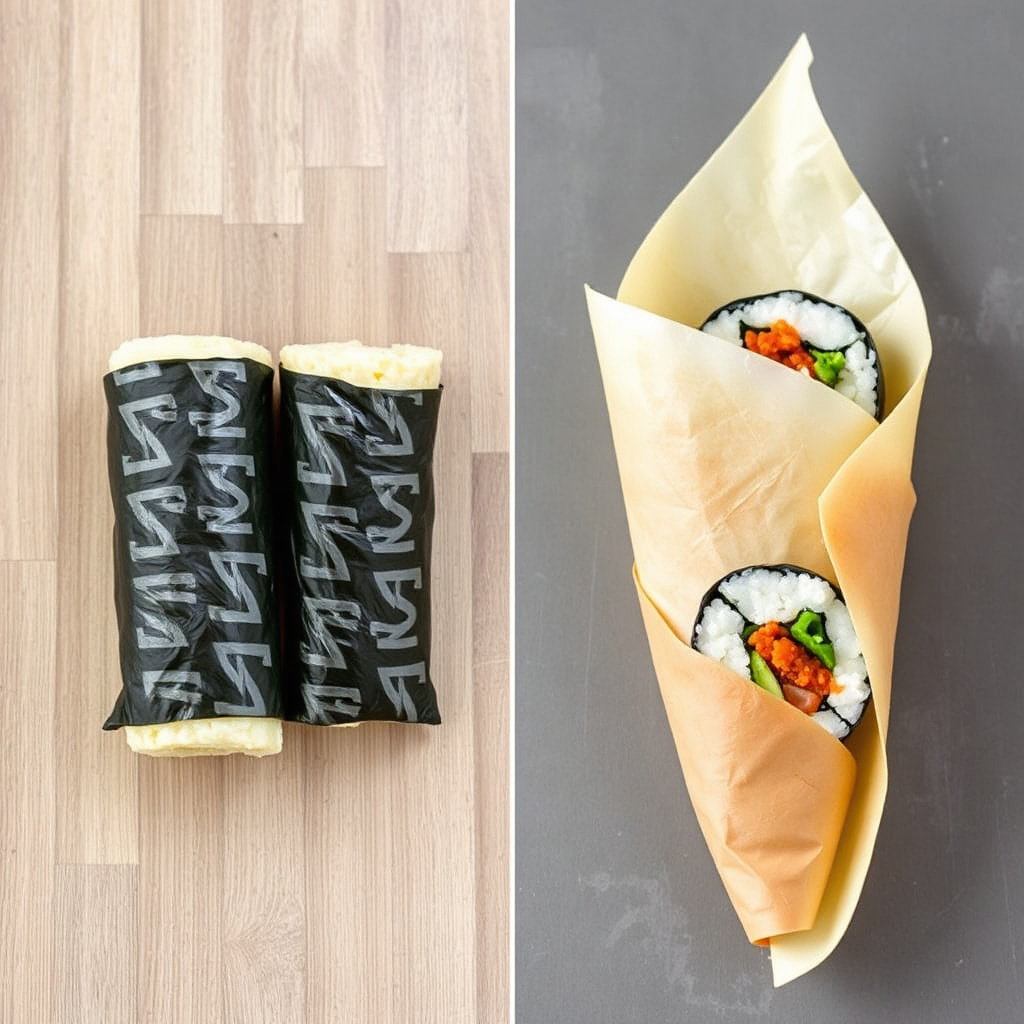
Nori absorbs moisture quickly, which can make it soggy or tear during rolling. To reduce this, use dry nori directly from the package and assemble temaki just before serving. Avoid placing wet ingredients directly on nori without rice buffer.
If the nori tears, try rolling smaller cones or using half sheets to make handling easier.
- Use dry nori sheets
- Assemble just before eating
- Avoid moisture contact on nori
For more on this, see our related guide: What Is Temaki? A Complete Guide to the Hand-Rolled Sushi Cone.
Rice Falling Out or Loose Rolls
Too much rice or poorly cooked rice makes rolling difficult and causes filling to fall out. Make sure sushi rice is sticky but not mushy. Apply a thin, even rice layer on nori, and press gently to compact slightly before adding fillings.
Do not overload fillings; keep volume balanced to maintain structural integrity.
- Use proper sticky rice
- Thin rice layer
- Control filling quantity
Serving and Storing Temaki Hand Roll

Best Practices for Serving
Serve temaki promptly after rolling to enjoy the crisp texture of nori and fresh flavors. Present rolls upright in a holder or in a bowl lined with a damp cloth to support their shape.
Accompany with soy sauce, wasabi, and pickled ginger for authentic flavor contrast. Encourage diners to eat each hand roll quickly for the best texture experience.
- Serve immediately
- Use upright presentation
- Provide traditional condiments
For more detailed history and variations of temaki sushi, you can visit the Wikipedia page dedicated to temaki. Temaki sushi details.
Short-Term Storage Tips
If storing leftovers, tightly wrap each temaki in plastic wrap to slow nori sogginess. Refrigerate but aim to consume within a few hours; longer storage compromises texture.
Avoid freezing as it affects rice consistency and nori crispness negatively.
- Wrap tightly
- Refrigerate but consume soon
- Do not freeze
Temaki Hand Roll Filling Types Comparison
Here’s a comparison of popular filling types for temaki hand rolls, highlighting flavor, texture, and ease of preparation.
| Filling Type | Flavor Profile | Texture | Preparation Time |
|---|---|---|---|
| Raw Fish (Tuna/Salmon) | Rich, clean, umami | Soft and smooth | Short (slicing only) |
| Cooked Seafood (Crab, Tempura) | Savory, slightly sweet | Crunchy or flaky | Moderate (cooking required) |
| Vegetarian (Avocado, Cucumber) | Fresh, mild | Creamy and crunchy | Short (slicing only) |
| Spicy Tuna Mix | Bold, spicy | Soft with slight chunkiness | Moderate (mixing needed) |
| Smoked Fish | Smoky, salty | Firm and oily | Short (slicing only) |
Frequently Asked Questions
Can I use regular rice instead of sushi rice for temaki?
Regular long-grain rice lacks the stickiness needed for temaki hand rolls, making it difficult to roll and hold fillings together properly. Using sushi rice is recommended for the best texture and flavor.
How long can temaki hand rolls be stored after making?
Temaki is best consumed immediately after preparation. If needed, wrap tightly and refrigerate for up to 2-3 hours, but expect nori to soften and rice texture to degrade.
Is it necessary to have sashimi-grade fish for temaki?
Yes, sashimi-grade fish ensures safety and freshness when consuming raw. Using lower-quality fish can pose health risks and negatively affect taste.
Can I make temaki hand rolls vegetarian or vegan?
Absolutely, temaki is very versatile. Use fillings like avocado, cucumber, pickled vegetables, and tofu to create delicious vegetarian or vegan hand rolls.
What is the difference between temaki and maki sushi?
Temaki is a hand-rolled cone-shaped sushi eaten immediately, while maki is rolled tightly in bamboo mats and sliced into bite-sized pieces. Temaki offers a more casual, hands-on experience.
Key Takeaways
- Temaki hand roll relies on properly cooked and seasoned sushi rice for structure and flavor.
- Fresh, high-quality fillings dramatically enhance the final taste and safety.
- Rolling technique affects the integrity and enjoyment of the hand roll.
- Temaki is best served fresh to maintain crisp nori and ideal texture.
Conclusion
The process of making temaki hand rolls combines simple ingredients with mindful preparation to create an enjoyable sushi experience. Understanding how to cook and season the rice correctly alongside choosing fresh fillings forms the foundation for success. Rolling technique takes practice, but learning to form tight cones helps contain the ingredients and makes temaki a fun dish to prepare and eat.
For beginners, starting with basic fillings like cucumber and avocado provides an accessible introduction before exploring sashimi-grade fish or spicy mixtures. If hosting gatherings, offering a variety of filling options paired with condiments engages guests in customizing their own hand rolls. This adaptability ensures temaki can fit diverse dietary preferences and make meals more interactive.
After mastering the basics described in this guide, the next step is to experiment with flavors that suit your taste and occasion. Whether serving a casual dinner or a larger party, temaki hand rolls provide an easy yet impressive homemade sushi option that balances fresh textures and vibrant flavors right at your fingertips.


One Comment