Egg Roll vs Spring Roll: Which One Should You Choose?
Egg rolls and spring rolls are two popular Asian appetizers often confused for each other, but they differ in ingredients, wrapping, and preparation. Egg rolls typically feature a thicker, wheat flour-based wrapper with an egg component inside, filled with a savory mixture of meat and vegetables, then deep-fried for a crunchy texture. Spring rolls usually have a thinner, rice or wheat wrapper and can be served fresh or fried, emphasizing lighter fillings such as shredded vegetables and sometimes shrimp.
Understanding the distinctions between egg rolls and spring rolls matters if you want to appreciate their unique textures and flavors or decide which one fits your meal or taste preference better. Both have long histories in Asian cuisine but evolved differently across regions. Their preparation methods and typical fillings reflect diverse culinary traditions that influence the eating experience.
This article will break down the differences in wrapper types, traditional fillings, cooking techniques, and regional variations of egg rolls and spring rolls. We'll also compare their nutrition profiles, popular dipping sauces, and offer guidance on making or buying these treats so you can enjoy either with confidence.
Differences in Wrappers and Texture
Egg Roll Wrappers
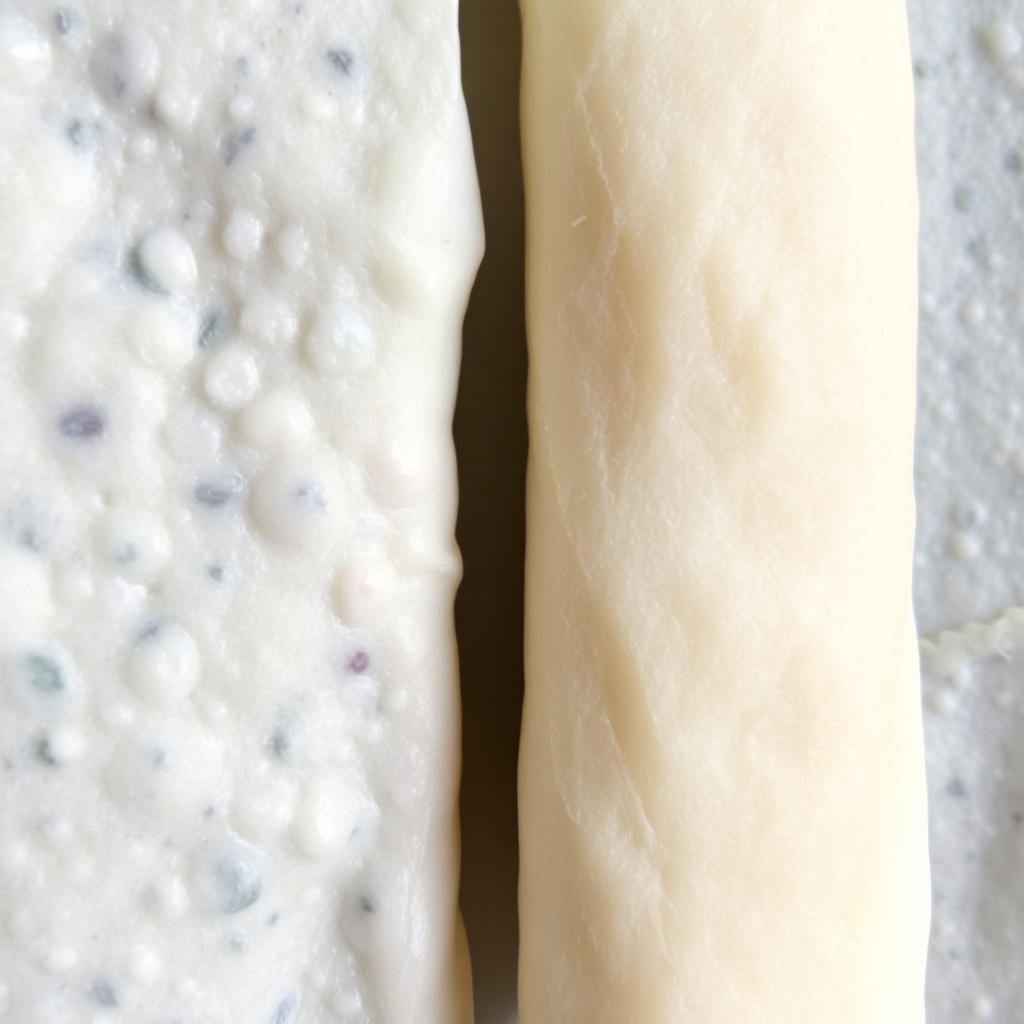
Egg roll wrappers are thicker and made from wheat flour mixed with egg, which gives them a sturdier texture and a golden-brown hue when fried. Their substantial wrapper creates a crunchy, almost flaky exterior after frying, protecting the hearty fillings inside from becoming soggy.
This robust wrapper allows egg rolls to hold heavier fillings without breaking apart easily, making them ideal for deep frying. The thick casing also sets egg rolls apart visually and texturally from spring rolls.
- Made from wheat flour and egg
- Thick and chewy texture
- Browns to golden color when fried
Spring Roll Wrappers
Spring roll wrappers tend to be thin and delicate, commonly made from rice flour or from a wheat flour batter without egg. These wrappers crisp up lightly when fried yet maintain a more translucent and flaky quality.
Because the wrapper is so thin, spring rolls can be served either fried or fresh (unfried), as seen in Vietnamese cuisine, where the wrapper softens but stays intact. Their lightness makes spring rolls a more delicate choice.
- Usually made from rice flour or wheat flour without egg
- Thin and translucent
- Can be served fresh or fried
Filling Ingredients and Flavor Profiles
Typical Egg Roll Fillings
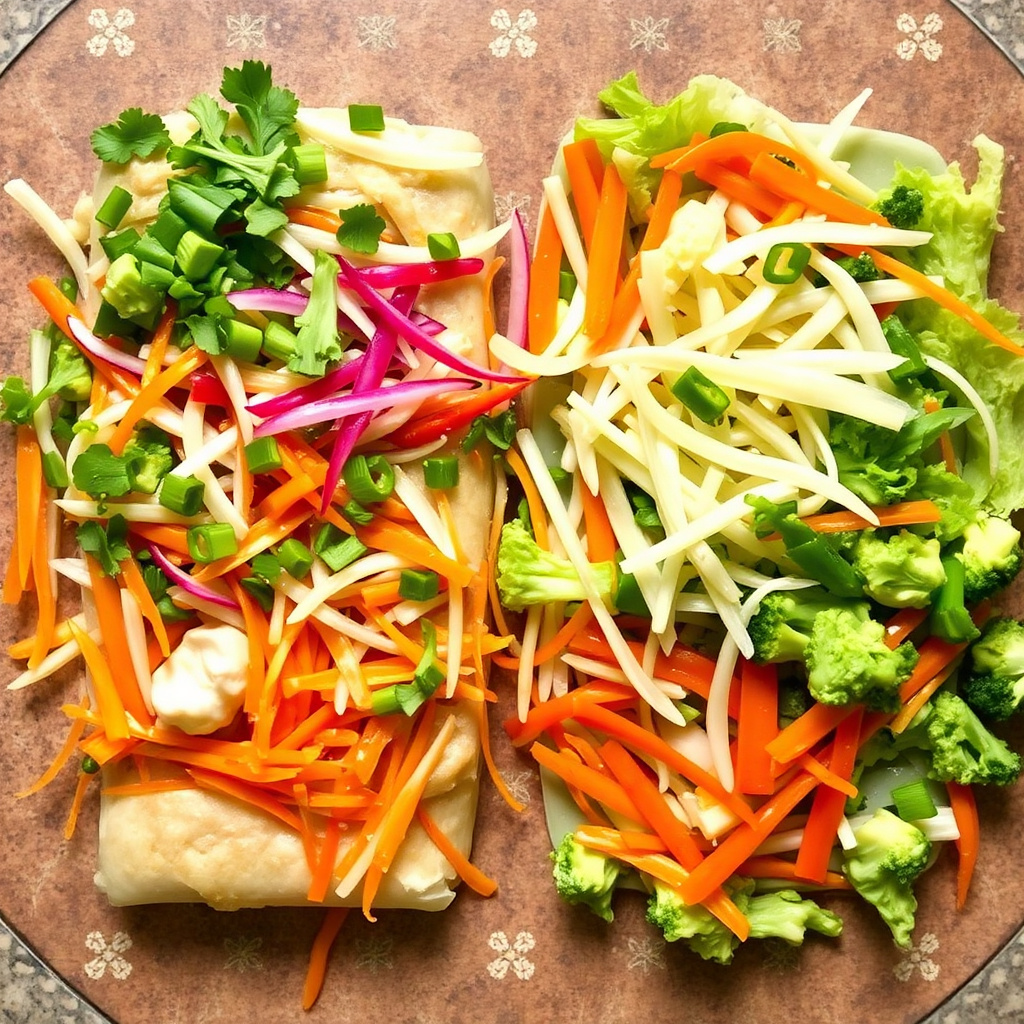
Egg rolls typically contain a savory blend of ground pork or shrimp, shredded cabbage, carrots, and sometimes bean sprouts. These fillings are often pre-cooked or stir-fried before being wrapped to reduce moisture and enhance flavor.
The heavy fillings combined with the thick wrapper produce a rich, hearty flavor with a satisfying crunch in every bite, making egg rolls a popular appetizer in Chinese-American cuisine.
- Ground pork or shrimp
- Shredded cabbage and carrots
- Cooked fillings for reduced moisture
Common Spring Roll Fillings
Spring rolls lean towards lighter, fresher fillings such as thinly sliced vegetables like lettuce, carrots, cucumbers, and fresh herbs like mint or cilantro. Fried spring rolls might also be filled with shrimp or seasoned pork but usually less heavily.
In fresh, unfried versions, the fillings remain crisp and fragrant, emphasizing bright flavors and textures contrasting with the chewier wrapper of egg rolls.
- Thinly sliced fresh vegetables and herbs
- Sometimes shrimp or less dense meat
- Used fresh or cooked depending on style
Cooking Methods and Serving Styles for Egg Roll vs Spring Roll

Egg Roll Preparation and Serving
Egg rolls are almost always deep-fried in hot oil, which crisps the thick wrapper and heats the fillings thoroughly. This frying method results in a crunchy, golden exterior paired with a warm, savory interior.
They are typically served hot with dipping sauces like sweet and sour sauce, duck sauce, or hot mustard, enhancing the fried flavor and texture.
- Deep-fried until golden and crisp
- Served warm with savory dipping sauces
For more on this, see our related guide: Lo Mein vs Fried Rice: Which Classic Chinese Dish Should You Choose?.
Spring Roll Cooking and Serving Variations
Spring rolls offer more variety in preparation: they can be deep-fried for a crispy exterior or served fresh and unfried as rice paper rolls popular in Vietnamese cuisine. The fresh rolls provide a cool, refreshing contrast to the cooked version.
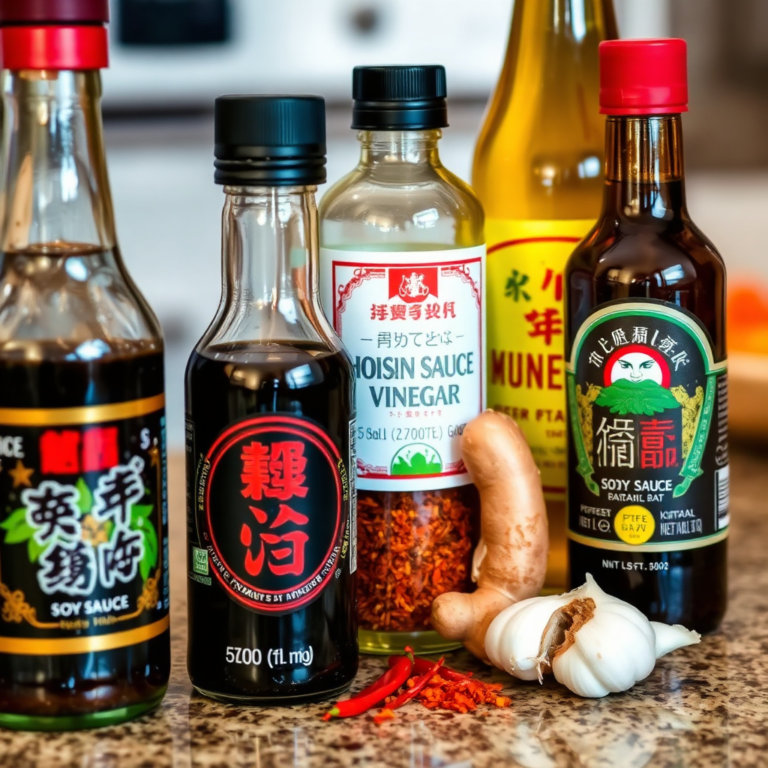
Fried spring rolls use a lighter frying technique than egg rolls, usually resulting in a thinner crisp. Serving options include dipping in hoisin-peanut sauce, fish sauce-based dips, or light soy sauces.
- Can be fried or served fresh
- Often paired with lighter dipping sauces
Regional and Cultural Variations

Egg Rolls Across Cultures
The American-style egg roll has evolved from Chinese spring rolls but typically features a thicker wrapper and fried cooking style popular in the United States. In China, similar fried rolls are known but usually with different fillings and thinner wrappers.
Elsewhere in Southeast Asia, variations of egg rolls exist with local ingredients like Thai or Filipino adaptations incorporating regional spices and flavors.
Spring Rolls Varieties Globally
Spring rolls are found across many Asian cuisines with significant regional differences. Vietnamese fresh spring rolls use rice paper and fresh herbs, whereas Filipino lumpia are fried with savory meat and vegetable fillings in thin wrappers.
In China and Taiwan, spring rolls are often filled with meat and vegetables and deep-fried, but the wrappers tend to be thinner and crisper compared to American egg rolls.
Nutritional Comparison of Egg Rolls and Spring Rolls

Calories and Fat Content
Egg rolls generally contain more calories and fat due to their thick wrapper and deep-fried preparation, with typical servings ranging from 150 to 200 calories each. The heavier meat fillings also contribute to increased fat and protein content.
Because spring rolls can be either fresh or fried with lighter fillings and thinner wrappers, their calorie count varies widely. Fresh spring rolls are often lower in calories and fat, sometimes under 100 calories per serving.
- Egg rolls have higher fat due to thicker fried wrapper
- Spring rolls vary: fresh versions are low calorie
For more on this, see our related guide: Lo Mein vs Chow Mein: Understanding the Key Differences in Chinese Noodle Dishes.
Other Nutritional Aspects
Both egg and spring rolls can provide fiber and vitamins from vegetable fillings, though spring rolls often have more raw vegetables preserving nutrients. Protein values depend heavily on fillings with shrimp or pork common in both.
Sodium can be a concern in both due to sauces and seasoning, so mindful serving with dipping sauces is recommended for a balanced meal.
Popular Dipping Sauces and Serving Suggestions

Dipping Sauces for Egg Rolls
Egg rolls are traditionally served with sweet and sour sauce, hot mustard, or duck sauce, which complement the savory and chewy qualities of the fried wrapper and fillings. These dips add sweetness, tanginess, or heat to every bite.
Choosing the right dipping sauce can enhance the egg roll experience by balancing the richness with contrasting flavors.
- Sweet and sour sauce
- Hot mustard
- Duck sauce
For detailed historical context and variations of the spring roll, reference the spring roll Wikipedia article. spring roll.
Spring Roll Sauces
Spring rolls especially fresh versions are often accompanied by lighter dips like Vietnamese nuoc cham (a fish sauce-based dip), hoisin peanut sauce, or a simple soy dipping sauce. These lighter sauces keep the fresh flavors intact and add subtle savoriness.
When fried, spring rolls may also pair well with sweet chili sauce, providing mild spice and sweetness to contrast with the crisp shells.
- Vietnamese nuoc cham
- Hoisin peanut sauce
- Sweet chili sauce
Egg Roll vs Spring Roll Category Comparison
Here is a quick comparison of the main differences between egg rolls and spring rolls across key characteristics.
| Category | Egg Roll | Spring Roll |
|---|---|---|
| Wrapper Type | Thick wheat wrapper with egg | Thin rice or wheat wrapper without egg |
| Texture | Crunchy and chewy | Light, flaky, or soft if fresh |
| Typical Fillings | Pork, shrimp, cabbage, carrots | Vegetables, herbs, shrimp, light meats |
| Cooking Method | Usually deep-fried | Fried or fresh/unfried |
| Calories (approx.) | 150-200 per roll | 50-150 depending on style |
| Common Dipping Sauces | Sweet and sour, duck sauce, mustard | Nuoc cham, hoisin peanut, sweet chili |
Frequently Asked Questions
Are egg rolls and spring rolls the same?
No, egg rolls and spring rolls differ in wrapper thickness, filling composition, cooking methods, and texture. Egg rolls have a thicker wheat and egg wrapper and are typically deep-fried, while spring rolls use thinner wrappers and can be served fresh or fried.
Can spring rolls be served fresh?
Yes, many traditional spring rolls, especially in Vietnamese cuisine, are served fresh with translucent rice paper wrappers and fresh vegetables and herbs inside, offering a light and refreshing appetizer.
Which is healthier, egg rolls or spring rolls?
Spring rolls, particularly fresh versions, tend to be healthier due to their lighter fillings, less oil, and lower calories. Egg rolls, with thicker wrappers and deep frying, have higher fat and calorie content.
What dipping sauce pairs best with egg rolls?
Common dipping sauces for egg rolls include sweet and sour sauce, duck sauce, and spicy hot mustard, which complement their crispy texture and savory filling.
Are egg rolls originally Chinese?
Egg rolls are an American adaptation inspired by various Chinese spring roll recipes, modified to include thicker wrappers and fillings suited to local tastes.
Key Takeaways
- Egg rolls have a thicker, egg-based wheat wrapper and are almost always deep-fried.
- Spring rolls use thinner rice or wheat wrappers and can be served fresh or fried.
- Fillings vary: egg rolls are heavier with cooked pork or shrimp; spring rolls emphasize fresh vegetables and herbs.
- Nutrition-wise, fresh spring rolls are lighter and lower calorie compared to egg rolls.
Conclusion
Deciding between egg rolls and spring rolls comes down to personal preference for texture, flavor, and desired meal style. Egg rolls offer a hearty, crunchy experience perfect for those craving indulgent appetizers with rich meat fillings enclosed in a thick wrapper. Spring rolls provide more versatility, being able to serve fresh or fried versions with lighter, fresher vegetable or shrimp fillings suited for lighter appetites or sophisticated palettes. Evaluating factors like calories, cooking preference, and dipping sauces will help you pick the ideal choice for your meal or occasion.
If you prefer crispy and filling starters with bold flavor, American-style egg rolls with their substantial wrappers and savory fillings make an excellent choice, especially when paired with classic sweet and sour or duck sauces. On the other hand, for a lighter or more refined taste, fresh Vietnamese spring rolls, packed with crisp vegetables and fragrant herbs, stand out, accompanied by nuanced dipping sauces like nuoc cham or hoisin peanut sauce. Fried spring rolls can bridge these options by offering a delicate crunch and modest fillings.
For your next appetizer selection, consider the eating experience you most enjoy: the substantial crunch and warmth of an egg roll, or the fresh, light, or lightly fried texture of spring rolls. Trying authentic versions from trusted restaurants or experimenting with homemade recipes, especially using the best spring roll recipes for fresh rolls, may enrich your appreciation for Asian culinary diversity and satisfy your craving precisely.