Sushi vs Sashimi: Understanding the Key Differences and Choosing Your Favorite
Sushi and sashimi are two iconic dishes in Japanese cuisine that often confuse newcomers due to their similarities. Sushi is a dish that combines vinegared rice with various toppings or fillings, which can include raw or cooked seafood, vegetables, and more. Sashimi, on the other hand, consists strictly of thinly sliced raw fish or seafood served without rice. Understanding this distinction helps diners appreciate each dish's flavor and texture experience.
Knowing the difference between sushi and sashimi matters because it guides your expectations about the taste, presentation, and nutritional content. Sushi offers a balanced combination of rice and topping flavors, often accompanied by wasabi and soy sauce. In contrast, sashimi focuses on the pure essence and quality of the fish itself, typically served with minimal seasoning. Both have distinct places in Japanese meals and represent sophisticated culinary artistry.
This article will clarify the specific components, varieties, and preparation differences of sushi versus sashimi. We will also explore how to select these dishes based on dietary preferences, texture, and flavor profiles, plus tips for enjoying them like a seasoned Japanese food lover.
Understanding Sushi: Composition and Varieties

What Makes Sushi Unique
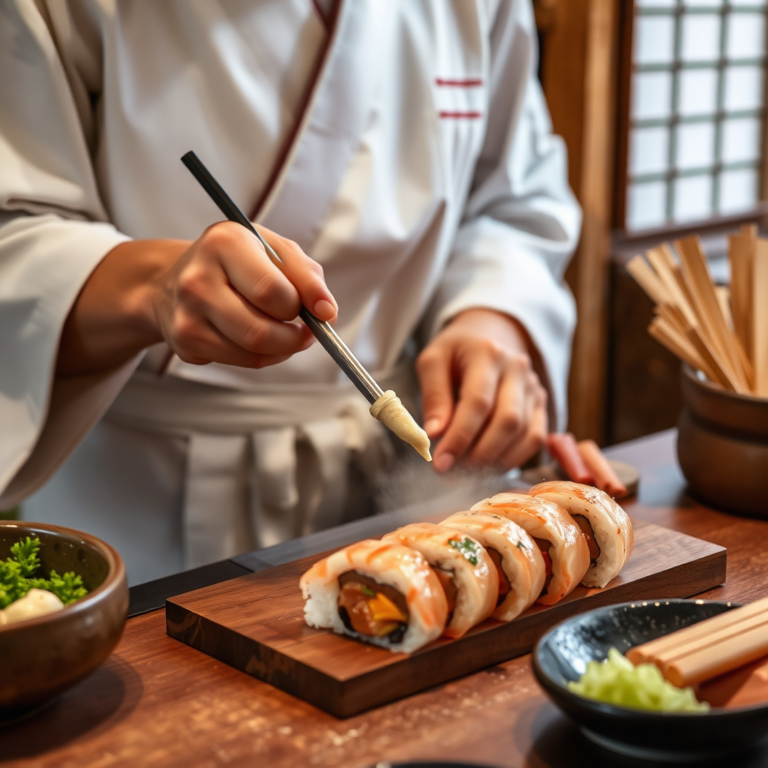
Sushi centers around vinegared rice as its base, combined with ingredients like raw fish, cooked seafood, vegetables, or egg. The type and style of sushi vary widely, including nigiri (fish atop rice), maki (rolled sushi), and temaki (hand rolls). The rice's tanginess balances the fish's richness, creating a harmonious bite.
The quality of sushi relies heavily on precise rice seasoning and fresh, expertly prepared toppings. Accompaniments such as pickled ginger and wasabi complement the flavor while cleansing the palate between bites.
- Nigiri: hand-pressed rice with a slice of fish on top
- Maki: rolled sushi with seaweed wrapping rice and fillings
- Temaki: cone-shaped hand roll with rice and various fillings
Popular Sushi Types to Know
Among the many sushi styles, some popular examples include salmon nigiri, tuna maki rolls, and California rolls. Each offers a different balance of texture and flavor, from delicate raw fish to creamy avocado and crunchy cucumber.
Vegetarian sushi options often use ingredients like pickled radish or grilled mushrooms, demonstrating sushi’s versatility beyond just seafood.
- Salmon nigiri – simple slice of raw salmon over rice
- Tuna maki – seaweed roll filled with tuna and rice
- California roll – crab, avocado, and cucumber wrapped inside rice
Sashimi: The Art of Raw Fish
Defining Sashimi and Its Characteristics
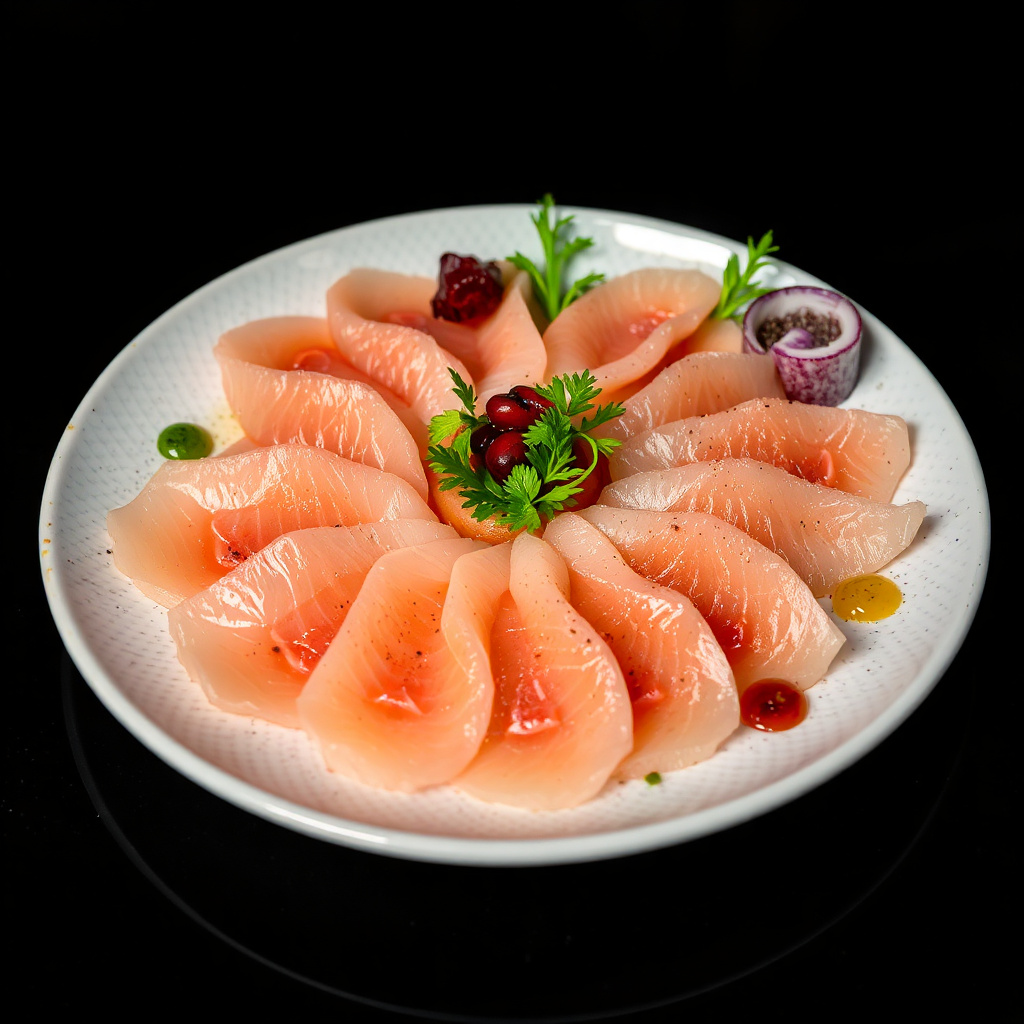
Sashimi consists solely of thin slices of raw fish or seafood served without rice. This dish emphasizes purity of flavor and texture, relying on the freshness and quality of the seafood. Popular sashimi options include tuna, salmon, mackerel, and octopus.
Since there's no rice, sashimi is typically accompanied by soy sauce, wasabi, and sometimes thinly sliced daikon radish or shiso leaves to enhance its subtle flavors.
- Focuses on raw fish quality
- No rice or additional fillers
- Minimal garnishes to complement taste
Common Types of Sashimi
Sashimi varieties range from lean cuts like flounder to fattier options such as toro (fatty tuna). Each cut offers unique textures, from firm and chewy to buttery soft. Chefs often select the freshest seasonal fish to highlight.
Unique sashimi options include shellfish like sea urchin and squid, prized for their distinct flavors and mouthfeel.
- Toro: fatty tuna, rich and tender
- UNI: sea urchin, creamy and briny
- Ika: squid, firm with a slight chew
Nutritional Differences Between Sushi and Sashimi
Calorie and Macronutrient Profiles
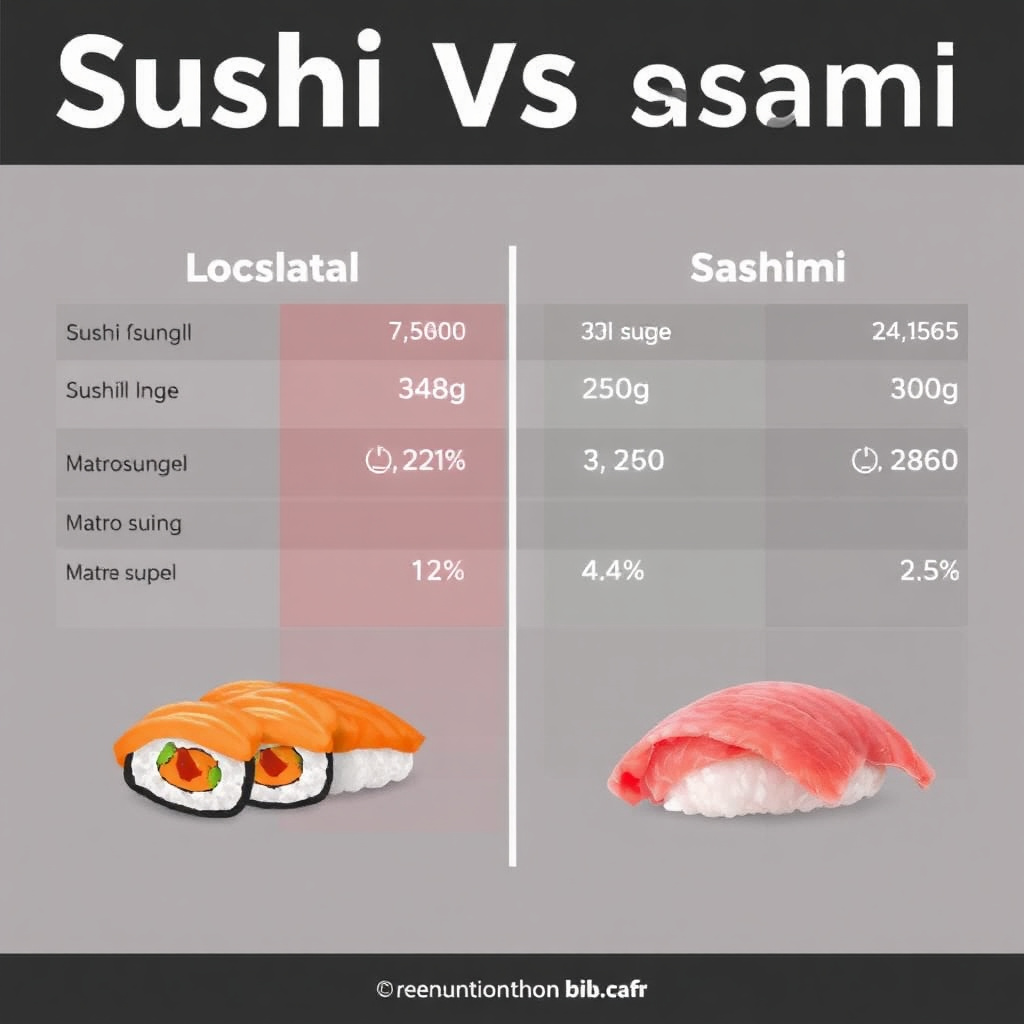
Sushi generally contains more calories and carbohydrates because of the rice, which contributes starch alongside the protein and fats from fish or other fillings. A piece of nigiri typically has 40-60 calories, while rolls can range higher depending on additional ingredients like mayonnaise or tempura.
Sashimi offers a lighter option focused almost exclusively on protein and healthy fats, with virtually zero carbs. This makes sashimi popular among those limiting carbohydrates or watching calorie intake.
- Sushi includes carbohydrates from rice
- Sashimi is primarily protein and fat
- Sushi calories vary by fillings and sauces
For more on this, see our related guide: How to Choose the Lowest Calorie Sushi Rolls for a Healthy Meal.
Health Benefits and Considerations
Both dishes provide omega-3 fatty acids when they use fatty fish like salmon or tuna, supporting heart health. Sushi can sometimes include added sugars in the rice seasoning, which slightly affects its nutrition.
Sashimi’s simplicity means fewer additives, often making it a cleaner choice for purists or those with dietary restrictions. However, eating raw fish requires attention to freshness to avoid foodborne illness.
- Omega-3 rich fish promote cardiovascular health
- Sashimi is lower in carbs and added ingredients
- Freshness is critical for raw fish safety
Cultural Context and Serving Traditions

Historical Background of Sushi and Sashimi
Sashimi has ancient roots as a way to enjoy fresh fish in Japan, emphasizing simplicity and respect for ingredients. Sushi, evolving later, integrated fermented rice and eventually the vinegared rice known today, combining texture and flavors.
This historical evolution highlights how sushi became more approachable and diverse, while sashimi remains a refined showcase of skilled knife work and quality seafood.
Proper Etiquette When Eating Sushi and Sashimi
When eating sushi, it’s customary to dip the fish side lightly into soy sauce to prevent rice from soaking it and falling apart. Wasabi may be added according to taste, but often the chef has already applied some.
Sashimi is usually eaten with chopsticks and dipped directly into soy sauce, sometimes combined with wasabi. Appreciating the flavor involves savoring the fish in its purest form without overwhelming condiments.
Choosing Between Sushi and Sashimi for Your Meal
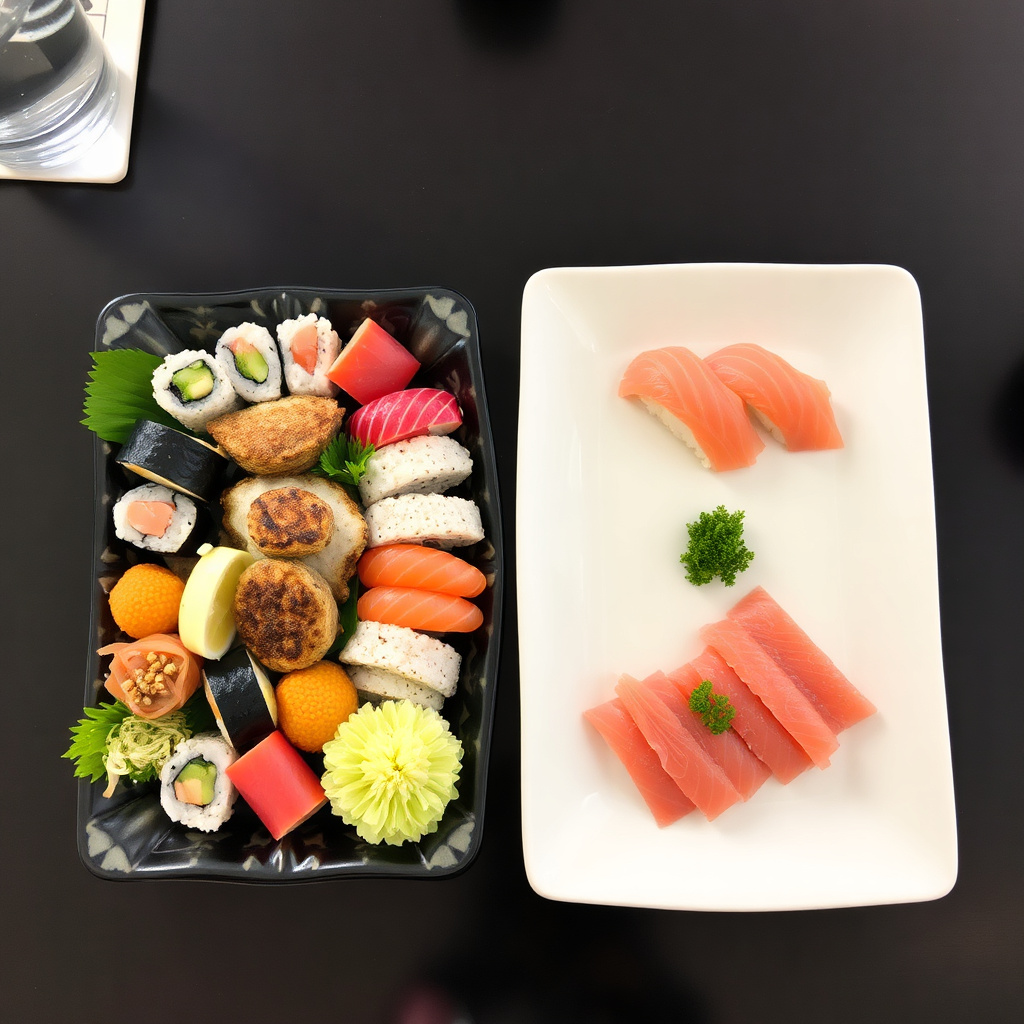
Flavor Preferences and Texture Experience
Those who enjoy a mix of flavors and textures might prefer sushi, since the rice adds a mild acidity that balances the seafood’s richness. Sushi offers contrasts like crunchy vegetables or creamy avocado within rolls.
Sashimi caters to diners who want the pure taste and smooth or firm texture of raw fish alone, without distraction from rice or other ingredients.
For more on this, see our related guide: How Much Mercury Is in Tuna Sushi? Understanding Mercury Levels in Your Favorite Dish.
Dietary and Practical Considerations
Sashimi is well-suited for low-carb, paleo, or keto diets since it contains no rice. Sushi may be preferable for those wanting a more filling meal or for sharing platters with varied ingredients.
For beginners to raw fish, sushi rolls sometimes mix cooked components that can be less intimidating, while sashimi requires a palate ready to appreciate subtle seafood nuances.
How to Order Sushi and Sashimi Like a Pro

Selecting Fresh and Quality Ingredients
When ordering, focus on freshness indicators: bright color, firm texture, and clean scent of the fish. Restaurants with a strong reputation or visible fish tanks often maintain higher quality standards.
Ask the server about the day's catch or specialty sashimi selections to try the freshest offerings chosen by the chef.
For more detailed cultural background and culinary context, the Wikipedia page on Japanese cuisine offers comprehensive information. Japanese cuisine.
Pairing Sushi and Sashimi with Drinks and Sauces
Green tea pairs well with sushi, cleansing the palate without overpowering flavors. For sashimi, light sake enhances delicate fish flavors, while full-bodied white wines complement fattier cuts like toro.
Use soy sauce sparingly to avoid masking the fish’s taste. Wasabi adds heat and aromatics, but too much can overwhelm the subtle sashimi experience.
Sushi vs Sashimi Category Comparison
Here’s a side-by-side look at sushi and sashimi to highlight their main differences in ingredients, nutrition, and dining experience.
| Aspect | Sushi | Sashimi |
|---|---|---|
| Primary Components | Vinegared rice with fish/vegetables | Sliced raw fish or seafood only |
| Carbohydrate Content | Contains significant carbs due to rice | Minimal, almost zero carbs |
| Texture Variety | Combination of soft rice, firm fish, crunchy veggies | Focuses on fish texture only |
| Typical Accompaniments | Soy sauce, wasabi, pickled ginger | Soy sauce, wasabi, sometimes radish slices |
| Calorie Range per Serving | Higher due to rice and fillings (40-100+ calories per piece) | Lower, mainly protein and fat (20-40 calories per slice) |
| Cultural Serving Style | Often in rolls or nigiri with toppings | Pure slices arranged elegantly without rice |
Frequently Asked Questions
Is sashimi always raw fish?
Yes, sashimi specifically refers to thinly sliced raw fish or seafood served without rice or other fillers, emphasizing the freshness and quality of the fish.
Can sushi be made without raw fish?
Absolutely. Many sushi rolls use cooked ingredients like shrimp tempura, eel, or vegetables, making sushi accessible for those who prefer not to eat raw fish.
Which is healthier, sushi or sashimi?
Sashimi tends to be lower in calories and carbs because it lacks rice, focusing mostly on protein and fats, while sushi contains vinegared rice, which adds carbohydrates.
How do I properly dip sushi and sashimi in soy sauce?
When eating sushi, lightly dip the fish side into soy sauce to avoid soaking the rice. Sashimi can be dipped directly, as there's no rice to fall apart.
What should I look for to ensure sushi or sashimi is fresh?
Fresh fish should have bright, vibrant color, firm texture, and a clean ocean scent without any fishy or sour odor. Reputable establishments usually maintain high standards.
Key Takeaways
- Sushi combines vinegared rice with various toppings, often including raw or cooked fish.
- Sashimi consists solely of raw fish or seafood slices, served without rice.
- Sashimi is lower in carbohydrates and calories compared to sushi.
- Choosing sushi or sashimi depends on texture preference, dietary needs, and flavor desires.
Conclusion
The decision between sushi and sashimi comes down to understanding their defining qualities and what you want from your dining experience. Sushi offers a flavorful blend of vinegared rice, seafood, and often vegetables, creating a diverse texture and taste profile. Sashimi strips away any accompaniments to spotlight the pure freshness and texture of raw fish. Familiarity with these differences lets you appreciate each dish's unique appeal and select based on your mood, appetite, and dietary preferences.
For those seeking a balanced meal with carbs and an array of flavors, sushi presents versatile options ranging from simple nigiri to elaborate rolls. Alternatively, sashimi serves as a lighter, protein-rich choice that highlights the chef’s skillful selection and knife work. If you want a low-carb or keto-friendly meal, sashimi aligns well with those goals. Beginners might try sushi with cooked ingredients to ease into raw fish flavors before exploring sashimi’s subtler nuances.
To explore these dishes further, consider visiting trusted Japanese restaurants known for fresh ingredients and authentic preparation. Starting with a sushi sampler platter offers a broad taste range, while a sashimi platter lets you savor individual fish types. Whenever possible, ask for recommendations based on seasonal catch and chef specialties to enjoy the finest quality. Whichever you choose, savoring sushi or sashimi is an opportunity to enjoy Japanese cuisine’s artistry and dedication to quality.